
The financial world is abuzz. Every pundit, every fintech startup, every investor forum screams about Artificial Intelligence being the ultimate oracle for market analysis, promising unheard-of gains and infallible predictions. But what if I told you much of it is a grand illusion? What if the very notion that AI can predict market movements with consistent, actionable accuracy is one of the biggest deceptions of our digital age, costing investors dearly?
But what if I told you much of it is a grand illusion? What if the very notion that AI can predict market movements with consistent, actionable accuracy is one of the biggest deceptions of our digital age, costing investors dearly?
For years, we've been fed a steady diet of AI's potential: algorithms so sophisticated they can see patterns invisible to the human eye, predict shifts before they happen, and automate our way to unprecedented wealth. While AI *does* excel in many domains, its application to the chaotic, often irrational realm of financial markets is far more nuanced than the headlines suggest. This isn't to say AI is useless; quite the contrary. But it’s crucial to distinguish between the practical, transformative applications of AI in finance and the dangerous, speculative hype that preys on investor optimism.
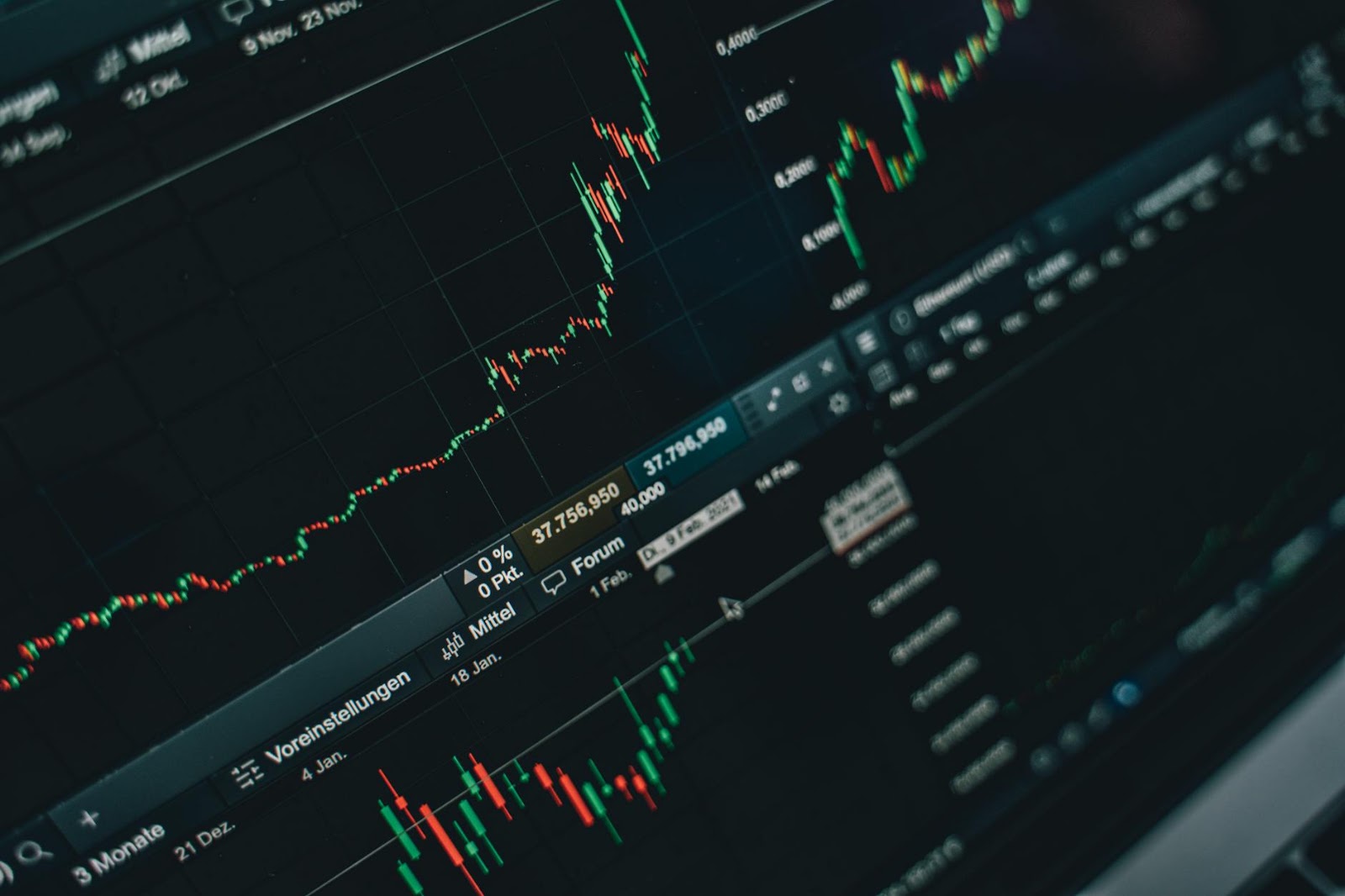 Abstract visualization of AI processing vast financial data for market analysis.
The Mirage of Predictive Power: Where AI Stumbles
The allure of AI in market analysis is undeniable. Imagine a system capable of processing petabytes of global financial data in milliseconds, identifying subtle correlations, and executing trades before a human can even blink. This capability is real, and it has revolutionized high-frequency trading and arbitrage. However, the promise often extends far beyond this: the idea that AI can consistently predict market direction, identify the next Amazon, or perfectly time a market bottom. This is where the hype machine collides with a stark reality.
Financial markets are not merely complex algorithms; they are a reflection of human psychology, geopolitical events, black swan occurrences, and a myriad of qualitative factors that defy purely quantitative modeling. As one astute observer noted, AI models seemed 'unaware' of major software sell-offs, highlighting their blind spot for the human element of fear, greed, and irrational exuberance that drives significant market shifts. AI struggles with 'unknown unknowns' – novel situations that aren't represented in its training data. It can tell you what has happened, and perhaps why based on historical patterns, but predicting the future requires an understanding of human intent and emergent circumstances that remains largely outside its grasp. The speculative fervor around certain cryptocurrencies, for instance, mirrors presale hype that defies fundamental valuation – a phenomenon AI models, designed for rational efficiency, often fail to account for.
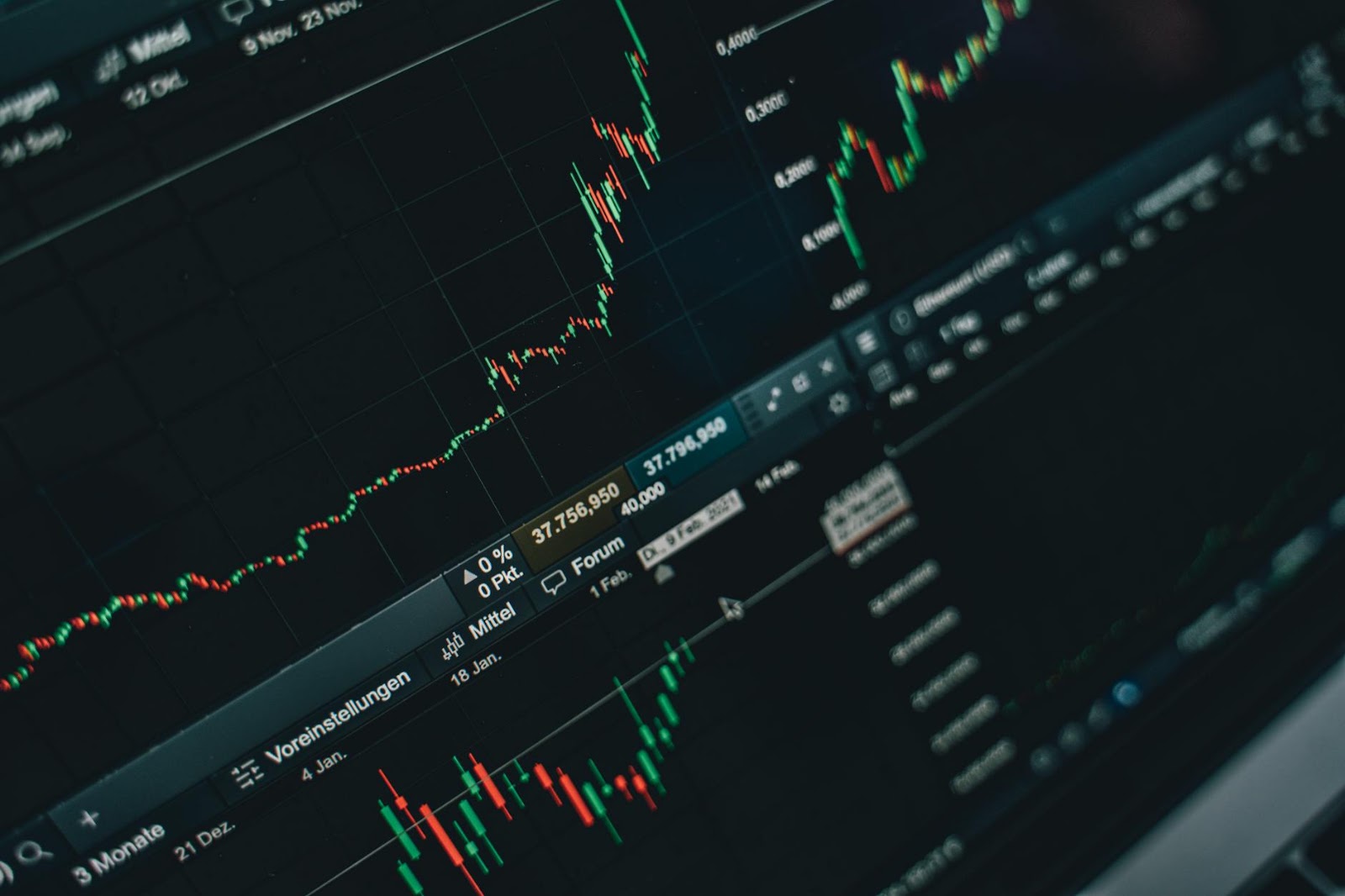 Abstract visualization of AI processing vast financial data for market analysis.
Beyond the Hype Cycle: Where AI Truly Empowers (and Where It Doesn't)
To dismiss AI entirely from finance would be a grave mistake. Its power is not in acting as a crystal ball, but as an indispensable tool for augmentation. Consider these practical applications:
- Enhanced Data Analysis: AI can sift through vast quantities of news articles, earnings reports, social media sentiment, and economic indicators far faster than any human, identifying trends and anomalies. This doesn't mean it predicts the future, but it provides analysts with a richer, more timely dataset for informed decision-making.
- Risk Management: AI excels at identifying patterns indicative of fraud, compliance breaches, or unexpected credit risks, enhancing the security and stability of financial institutions.
- Algorithmic Trading & Execution: For defined strategies, AI can execute trades with precision and speed, capitalizing on fleeting opportunities or managing large portfolios efficiently.
- Personalized Financial Advice: Robo-advisors use AI to tailor investment portfolios to individual risk tolerances and goals, democratizing access to financial planning.
These are the real-world, value-generating applications of AI – automating tasks, processing information, and managing risk. They align with the emerging 'skills trends' that show AI transforming how workers interact with data, not replacing their core analytical judgment. The distinction is critical: AI empowers the analyst; it doesn't replace the investor. The reasons for market increases or decreases are multifaceted, often requiring a human understanding of macroeconomic reports, company narratives, and geopolitical tensions that go beyond what an algorithm can truly 'understand'.
 Image of a professional interacting with an AI interface for advanced AI market analysis insights.
The Investor's Paradox: Navigating the AI-Augmented Market Landscape
So, what does this mean for you, the investor? It means cultivating a healthy skepticism toward grandiose claims and focusing on integrating AI as a powerful assistant, not a blind guide. Don't fall prey to the narrative that AI will magically generate profits without human oversight or critical thinking. Instead:
- Leverage AI for Information Gathering: Use AI-powered tools to quickly digest market updates, identify emerging trends, and perform initial screening of investment opportunities. Think of it as an incredibly efficient research assistant.
- Understand Model Limitations: Be aware that AI models are only as good as the data they're trained on. They can suffer from biases, overlook novel events, and struggle with qualitative shifts in market sentiment.
- Combine with Human Intuition: The most successful strategies will likely blend AI's computational power with human expertise, intuition, and ethical judgment. A human can interpret geopolitical crises, assess leadership quality, or gauge market psychology in ways AI cannot.
- Focus on Fundamentals, Enhanced by AI: While AI can identify patterns in price movements, always ground your investment decisions in fundamental analysis – company health, economic outlook, competitive landscape – using AI to augment your understanding, not replace it.
The market isn't a fixed equation; it's a dynamic, evolving ecosystem influenced by predictable cycles and unpredictable disruptions. AI provides unprecedented tools to analyze this ecosystem, but the ultimate decision-making, especially when stakes are high, still demands human wisdom.
The Future Isn't AI-Dominated; It's AI-Augmented Finance
The future of finance isn't a world where algorithms autonomously run our portfolios without human intervention. Instead, it's a synergistic landscape where human financial professionals and savvy investors leverage AI as an advanced co-pilot, not an autopilot. This isn't about practical AI applications versus hype; it's about discerning the genuine, value-adding capabilities of AI from the speculative fantasies.
The real revolution in AI market analysis isn't predictive omniscience, but rather the ability to democratize sophisticated tools, streamline complex processes, and provide deeper insights that empower informed human decisions. Those who understand this distinction will not only protect their portfolios from the next wave of AI hype but will also be best positioned to harness its true power. Stop chasing the illusion of an infallible AI oracle and start building a robust, AI-augmented investment strategy today.
```