
Picture this: a mountain of unworn clothes, crumpled returns slips, and the lingering sting of another online fashion gamble gone wrong. We've all been there. The thrill of a click-to-buy quickly sours into the dread of a mismatched fit or a garment that simply doesn't 'work' on you. For years, online shopping promised convenience, but delivered a hefty dose of uncertainty. But what if the future of fashion regret was about to be cancelled? What if you could 'try on' any outfit, any style, from anywhere, with uncanny realism – all before hitting 'add to cart'?
Welcome to the disruptive reality of AI Virtual Try-On, where the lines between digital fantasy and physical reality are blurring, promising to revolutionize how we interact with fashion forever. This isn't just about convenience; it's about confidence, sustainability, and fundamentally reshaping the multi-trillion-dollar apparel industry. But can AI truly replicate the tactile, personal experience of a physical fitting room, or is it merely another digital illusion?
The Invisible Revolution: What is AI Virtual Try-On?
Enter AI Virtual Try-On – not just another tech gimmick, but a seismic shift fueled by generative AI. This isn't your grainy, awkward augmented reality filter from five years ago. This is sophisticated artificial intelligence that creates hyper-realistic simulations, mapping garments onto your unique body shape with startling accuracy. Leading platforms like Style3D AI and even tech giants like Google are leveraging advanced AI and AR to move beyond static product photos, allowing customers to visualize how clothes truly 'fall' on them.
It’s a quantum leap from merely seeing a dress on a standard model to seeing it on you, complete with realistic drapes, textures, and movements. This capability, highlighted by Business of Fashion as a key revolution, transforms a speculative purchase into an informed decision, minimizing the potential for 'fashion regret' before it even begins.
From Skeptic to Believer: The User Experience Unpacked
Let’s be honest: initial skepticism is natural. We've been burned by misleading online images before. A fashion editor for Woman & Home initially doubted Zara’s new virtual try-on tool, only to be "really impressed" by its fun and effective nature, taking "all the guesswork out of online shopping." This sentiment echoes a growing chorus of positive user experiences.
Gone are the days of pixelated avatars. Modern AI virtual try-on tools, particularly those using generative AI, allow you to upload a simple selfie and instantly see yourself in a myriad of outfits. Google's updated feature exemplifies this, transforming a flat image into a dynamic preview.
The magic lies in the AI’s ability to understand your body proportions, posture, and even skin tone, adjusting the clothing simulation to mimic real-world physics. It’s not just a visual trick; it’s about providing a profound sense of confidence, mimicking the physical try-on experience without the fitting room hassle. This seamless integration of self into the digital wardrobe empowers shoppers, moving them from passive browsers to active participants in their style journey. It’s a compelling argument against the notion that online shopping must inherently involve compromise.
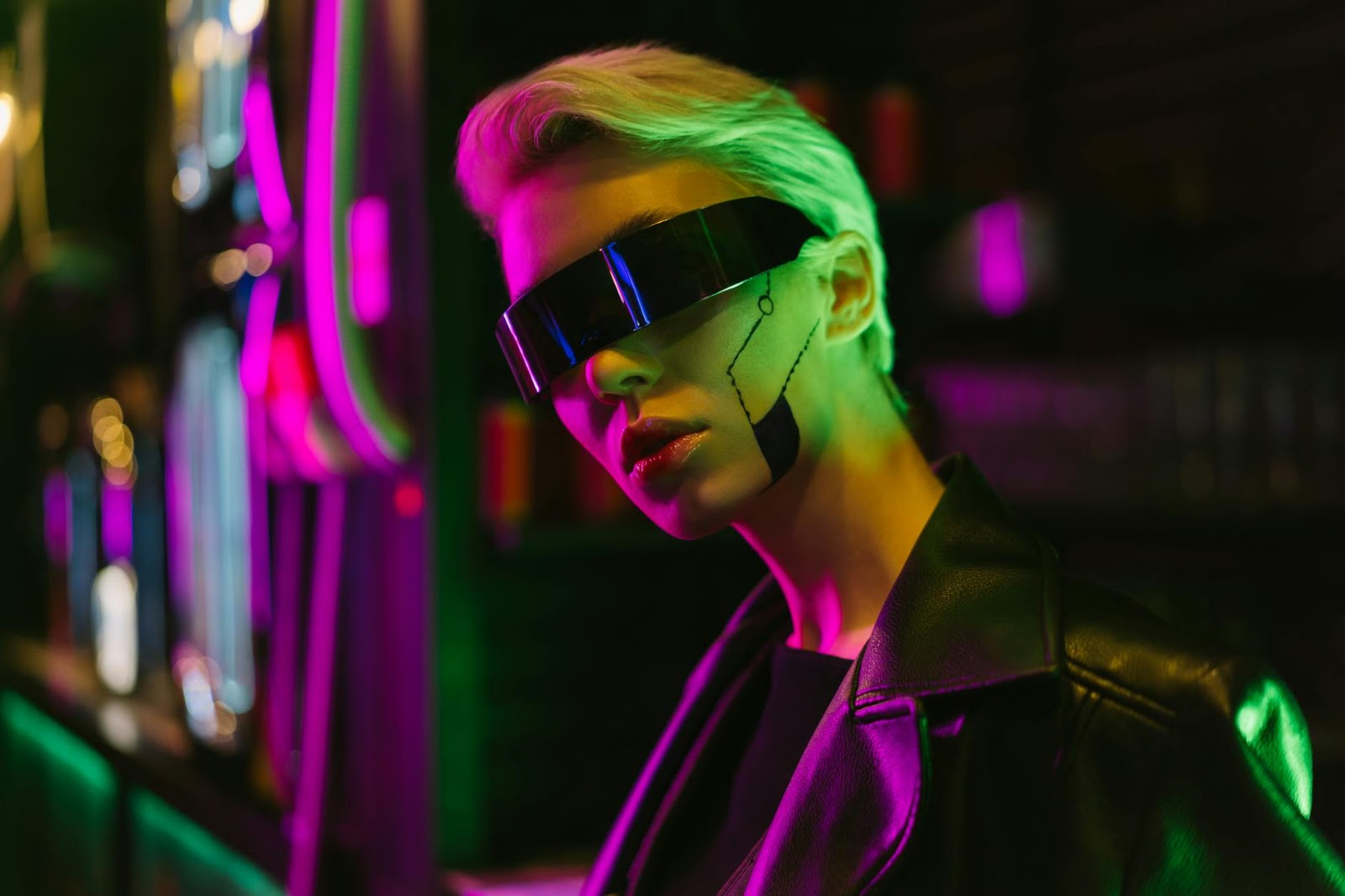 Conceptual image of generative AI transforming fashion design with advanced virtual try-on capabilities.
The Untapped Goldmine: Why Brands Are Betting Big
For retailers, the promise of AI virtual try-on isn't just about customer delight; it's about cold, hard business metrics. Studies, including those cited by Style3D AI, reveal astounding results: conversion rates boosting by up to 30% and product returns plummeting significantly. Think about the impact on a brand's bottom line: fewer logistics headaches, reduced environmental waste from shipping, and a stronger, more trusting customer base. This also frees up valuable resources that can be redirected towards innovation and personalized customer service.
Retailers like Zalando are already integrating these advanced tools, understanding that in the fiercely competitive e-commerce landscape, offering a superior, frictionless shopping experience is no longer a luxury – it's a necessity.
This technology directly addresses two of the biggest pain points in online fashion: the lack of tactile experience and the uncertainty of fit, making it a powerful differentiator in a crowded market. As the BoF-McKinsey State of Fashion 2026 report emphasizes, brands that embrace AI will be better prepared for the industry's inevitable transformation. The future of retail isn't just online; it's intelligently online.
The Generative AI Leap: Beyond Basic Try-On
The true game-changer in this space is generative AI. It's not just about fitting clothes; it's about creating entire fashion narratives. Imagine an AI that can not only show you how a dress looks on you, but also recommend complementary accessories, suggest styling options based on your personal aesthetic, or even generate a 'fashion photoshoot' featuring you as the model. We're already seeing brands like Zara experimenting with AI to generate fashion imagery using real-life models, a practice also explored by Swedish rival H&M.
As AI powerhouses like OpenAI refine tools like Sora, and Google advances its Veo, the ability to create hyper-realistic images and videos is exploding. This means a future where your virtual try-on isn't just a static image, but an immersive experience where AI can create entire scenes and scenarios to help you visualize your style. It's the ultimate hyper-personalization, moving us closer to a future Vogue predicted in 2025 where AI industry "homed in on shopping as a core potential revenue driver." The fashion experience becomes a co-creation, with AI as your ultimate stylist and personal photographer.
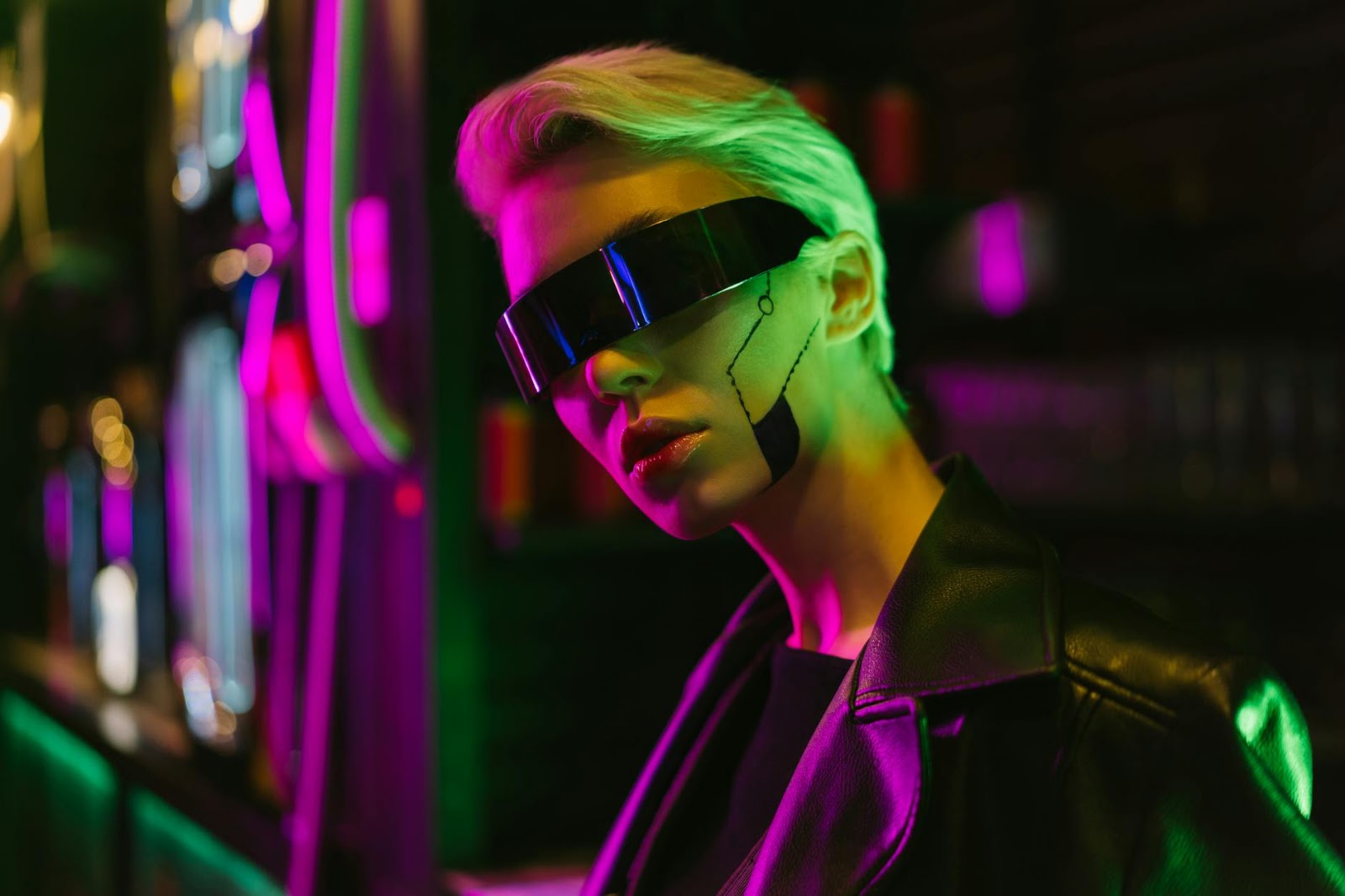 Conceptual image of generative AI transforming fashion design with advanced virtual try-on capabilities.
The Road Ahead: Challenges, Ethics, and The Future of Fashion
Despite the undeniable promise, the path to universal adoption for AI virtual try-on isn't without its speed bumps. As Business of Fashion aptly points out, getting shoppers to consistently use the technology is the "next challenge." This involves overcoming ingrained habits, building trust in AI accuracy, and ensuring seamless integration across various platforms. The learning curve, however slight, must be minimized to ensure widespread acceptance.
Then there are the ethical dimensions. As AI generates more realistic models and even 'clones' for marketing, questions around data privacy, representation, and the very definition of authenticity emerge. What happens when AI-generated influencers become indistinguishable from real people, or when our biometric data is used for 'hyper-personalized fittings' as Style3D AI forecasts for the future?
The BoF-McKinsey State of Fashion 2026 report also highlights AI's transformative impact on the industry's workforce, creating new roles while evolving existing ones, a phenomenon also observed in China's rapidly advancing AI fashion sector. The fashion landscape of 2026, as investigated by TZR, will be defined by smarter shopping platforms and advanced outfit planning, pushing us towards an era where AI becomes an indispensable style companion, raising profound questions about creativity, consumption, and even identity. Navigating these ethical waters will be crucial for the sustained, responsible growth of this groundbreaking technology.
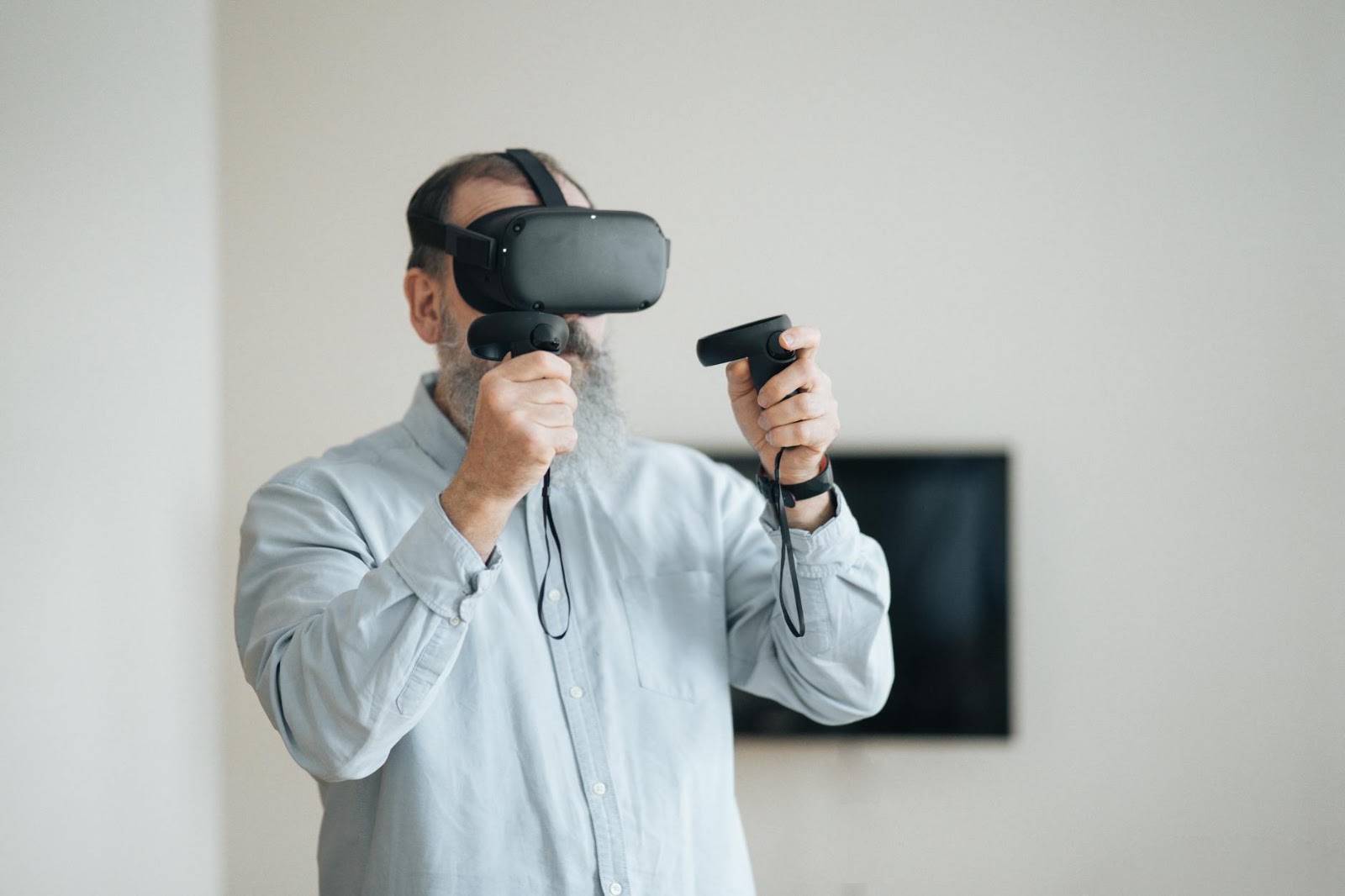 A futuristic shopping experience with seamless AI virtual try-on integration, blending digital and physical worlds.
The Unstoppable Current of Innovation
The era of blind online fashion buys is rapidly drawing to a close. AI Virtual Try-On isn't just an upgrade; it's a paradigm shift, promising to transform fashion consumption from a gamble into an experience of personalized discovery and informed confidence. While challenges remain – from user adoption hurdles to complex ethical considerations – the trajectory is clear: AI is not merely a tool for efficiency, but a partner in personal style, poised to redefine our relationship with clothes and how we shop for them.
Retailers who fail to adapt risk becoming footnotes in fashion history, while those who embrace this technological frontier will unlock unprecedented levels of customer satisfaction and operational efficiency. The future of fashion, tailored by AI, is already here. The only regret you'll have is not trying it on. Are you ready to step into the most realistic fitting room you've never physically entered, and bid farewell to fashion regret forever?
```