
The glowing promise of the smart home is intoxicating: lights that anticipate your mood, thermostats that learn your habits, doors that lock themselves, and a personal assistant just a voice command away. It’s a vision straight out of a sci-fi utopia, and with an industry valued at $24 billion in 2024 and projected to cross $50 billion early in the 2030s, it's a future many are eagerly buying into.
But here’s the uncomfortable truth: for many, the 'smart' home isn't smart at all. It’s a tangled web of incompatible devices, privacy loopholes, and relentless vendor lock-in that leaves you more frustrated than empowered. Are you simply connecting devices, or are you truly building an intelligent living space? The answer might surprise you.
The Illusion of Simplicity: Are You Really in Control?
“Waffling between Alexa, Siri, and Google? The answer may already be in your home.”
This common wisdom from tech giants suggests that choosing an ecosystem is the primary challenge. But that choice, seemingly benign, is the first step into a carefully constructed trap. Each smart home ecosystem – be it Amazon’s Alexa, Apple’s HomeKit, or Google Home – is designed to keep you within its walls, pushing you towards its own devices and services. This isn't just about convenience; it's about control and data.
Buying an Echo speaker, a Nest thermostat, or an Apple TV 4K often means committing to a specific set of rules, apps, and hardware. While devices might claim cross-compatibility, the reality is often clunky integrations, limited features, and a nagging sense that you’re always just one update away from something breaking. Your 'smart' choices are dictated by corporate roadmaps, not your personal preferences. This vendor lock-in prevents true interoperability and stifles innovation that truly benefits the user. You become a captive audience, not a master of your domain.
Beyond the Hype: The Hidden Costs of Convenience
The price tag on smart devices is just the beginning. The real costs are often invisible, tucked away in terms of service agreements and data policies nobody reads. Every motion sensor, smart switch, and voice assistant is a data collection point, constantly observing, listening, and learning. Who has access to this data? How is it used? While companies claim it’s for 'improving services,' the implications for privacy are profound.
Your daily routines, energy consumption, and even conversations can become valuable commodities.
Furthermore, the reliance on cloud services for many smart devices introduces points of failure. Lose internet access, and your 'smart' home can quickly become a very dumb, unresponsive one. Companies can also discontinue support for older devices, rendering your expensive investments useless. The promise of endless upgrades for every room (as celebrated by CNET) often morphs into a cycle of forced obsolescence, leaving consumers scrambling to replace perfectly functional tech just to maintain basic functionality or security. This is where the true cost of convenience reveals itself, demanding more than just your money, but also your trust and, ultimately, your autonomy.
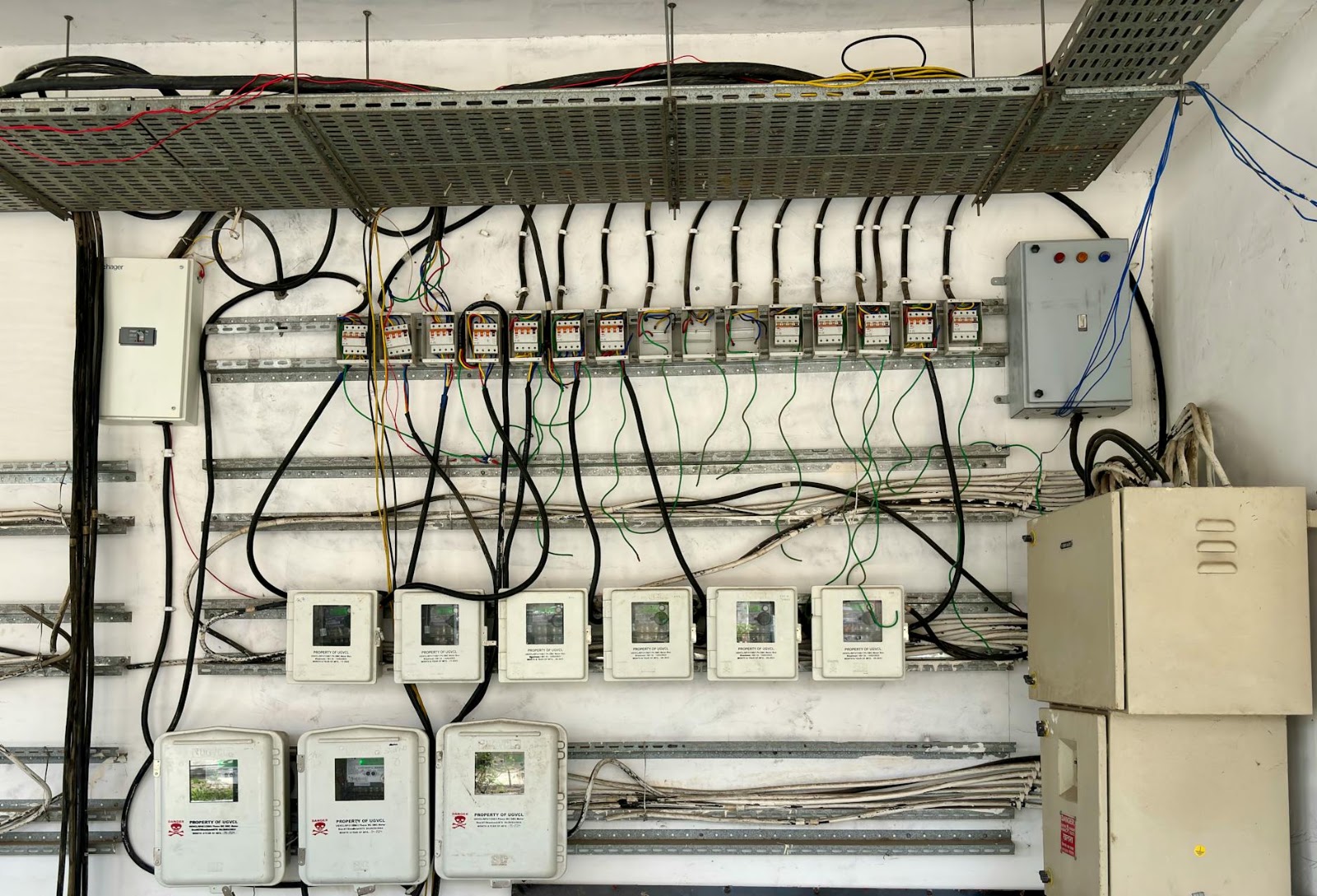 Organized but complex smart home wiring behind a control panel, highlighting the hidden infrastructure of a smart home.
The Great Smart Home Rebellion: Taking Back Control with Open Source & DIY
What if you could cut Apple and Google out of your smart home, build a system tailored exactly to your needs, and own all your data? This isn't a fantasy; it's the core of the growing smart home rebellion. Platforms like Home Assistant offer a powerful, open-source alternative that puts you back in the driver's seat. Imagine integrating devices from any manufacturer – Alexa, Google Home, Apple HomeKit, Zigbee, Z-Wave, and countless others – into a single, unified interface that you control entirely.
This is where devices like the humble $5 ESP32 become revolutionary, allowing tech-savvy individuals to create custom solutions, bridging gaps that big tech intentionally leaves open. The journey might involve a steeper learning curve, but the reward is unparalleled: a resilient, private, and truly personalized smart home that operates locally, without constant reliance on external servers. It’s a testament to the power of community and individual empowerment, transforming users from consumers into creators.
Future-Proofing Your Fortress: What Actually Matters (Hint: It's Not Just Alexa)
The landscape of smart home technology is notoriously fragmented. For years, different brands spoke different languages, creating a compatibility nightmare. But a new era is dawning with the emergence of unifying standards like Matter and Thread. Matter, backed by virtually every major player in the smart home space, aims to create a universal language for devices, ensuring they can all talk to each other regardless of brand or ecosystem.
Investing in Matter and Thread-enabled hardware is not just about adopting the latest tech; it's about future-proofing your smart home.
Thread, a low-power, mesh networking protocol, provides the underlying communication layer for many Matter-enabled devices. This means more reliable connections, wider range, and less reliance on a central hub. Products like Sonoff's NSPanel Pro Gen2, with its Matter and Home Assistant compatibility, represent the future: devices designed to be open and interoperable, not locked down. Investing in Matter and Thread-enabled hardware is not just about adopting the latest tech; it's about future-proofing your smart home against the whims of individual corporations and ensuring your devices remain relevant and functional for years to come. This shift fundamentally alters the smart home equation, moving from proprietary walled gardens to an open, interconnected ecosystem.
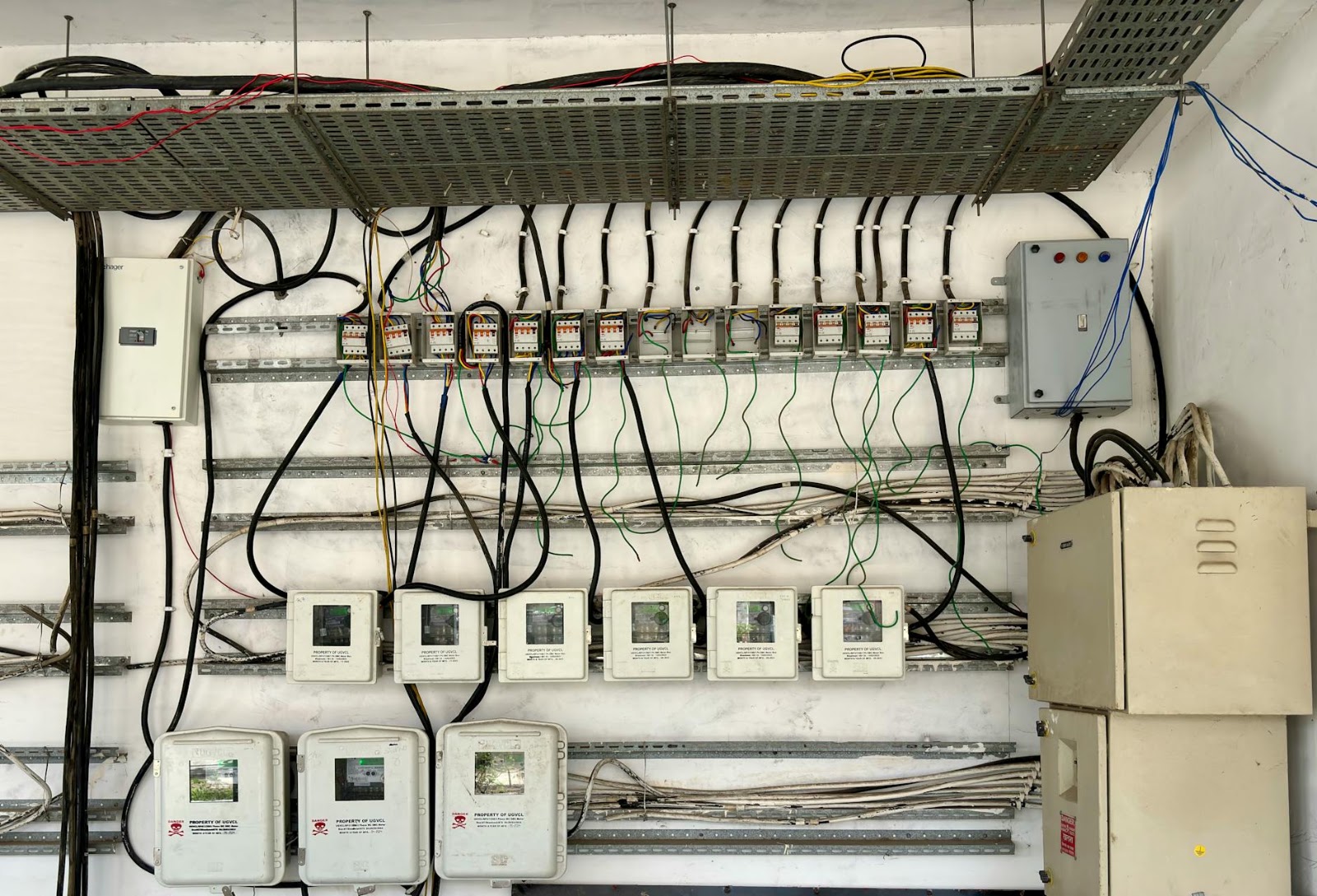 Organized but complex smart home wiring behind a control panel, highlighting the hidden infrastructure of a smart home.
The Unsung Hero: Why Your Smart Home Needs YOU to Be Smarter
Even the most advanced smart home system is only as good as the mind behind it. This brings us to the upgrade nobody wants to do, but everyone desperately needs: organization. The smart home upgrade nobody wants to do is labeling every cable and device, but it’s arguably the most critical step.
Imagine troubleshooting a network issue or adding a new device when your server rack is a spaghetti monster of unlabeled wires. Taking the time to label things, both physically and digitally, saves countless hours of frustration and streamlines future expansions.
Beyond organization, true smart home intelligence comes from creative application and thoughtful planning. Instead of just barking commands, think about routines and automations. Use smart switches not just to turn lights on and off, but to trigger complex scenes based on time of day, occupancy, or even weather. Understand how to secure your network, segment your IoT devices, and regularly audit your connected infrastructure. Your greatest asset in building a truly smart home isn't the latest gadget, but your own proactive engagement and meticulous attention to detail. This often-overlooked aspect transforms a collection of gadgets into a cohesive, intelligent system that truly serves your needs, making even mundane tasks like setting up smart switches around your house into an art form.
Building a Truly Intelligent Home, Not Just a Connected One
The smart home revolution is still in its early stages, fraught with both incredible potential and significant pitfalls. The journey from a collection of connected devices to a truly intelligent, intuitive living space requires a shift in mindset. It means moving beyond the siren song of effortless convenience offered by monolithic tech companies and embracing a more thoughtful, intentional approach.
Prioritize privacy, invest in open standards like Matter and Thread, and don't shy away from the powerful world of DIY solutions like Home Assistant. Most importantly, remember that you are the architect of your smart home. Your intelligence, your planning, and your commitment to understanding the underlying technology will ultimately determine whether your home truly works for you, or if you simply become another data point in someone else's smart ecosystem. Don't just connect your home; empower it, and in so doing, empower yourself. Transform your living space from a mere collection of gadgets into a fortress of personal comfort, security, and true intelligence.
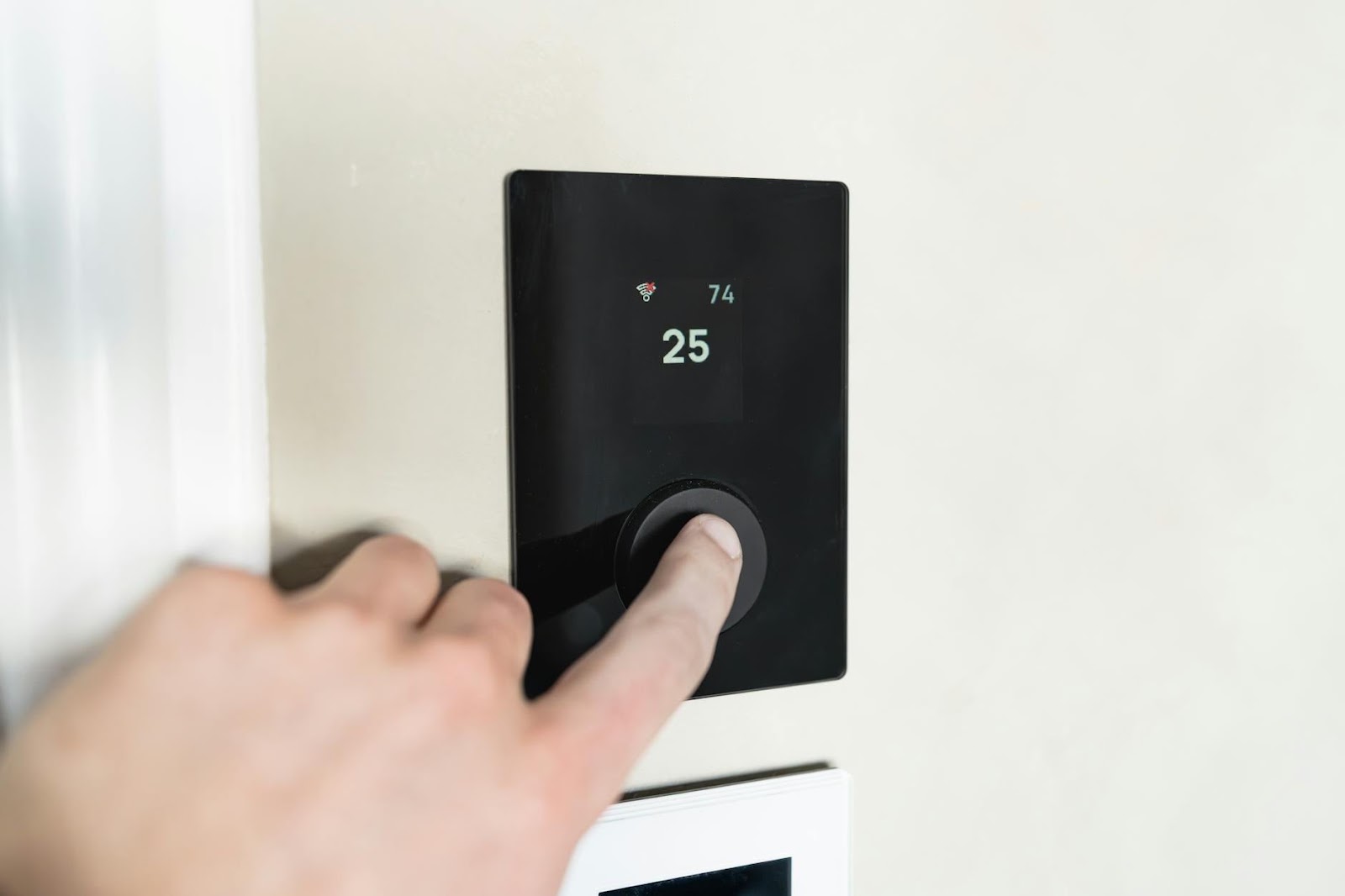 A person confidently controlling their personalized smart home system with a tablet, symbolizing empowerment and intuitive control.