
Imagine a silent, insidious enemy that costs the global retail industry over $700 billion annually, quietly eroding profits, congesting supply chains, and fueling environmental waste. This isn't a shadowy cartel or a new global recession; it's something far more common: product returns. Specifically, apparel returns, which often soar past 30% for online purchases, are the retail industry’s "silent killer." But what if there was a powerful antidote, a technological marvel poised to transform this landscape forever? Enter AI virtual try-on, the revolutionary fashion-tech solution that's not just a fancy gimmick, but a profit protector, a waste reducer, and potentially, the end of shopping regret as we know it.
The Invisible Enemy: Why Returns Are Crushing Retail
For years, fashion retailers have grappled with the brutal economics of online returns. A dress looks perfect on a supermodel, but utterly different on you. That sweater, advertised as 'true to size,' arrives two sizes too small. The color isn't quite right. The fabric drapes awkwardly. The reasons are legion, but the consequences are singular: billions lost to reverse logistics, restocking, damaged goods, and ultimately, landfill. Each returned item is not just a financial drain; it’s a carbon footprint, a logistical headache, and a deeply disappointing customer experience. This relentless cycle has driven many retailers to the brink, forcing them to absorb costs that eat directly into their already razor-thin margins. The problem isn't just frustrating for consumers; it's an existential threat to the industry.
Beyond the Mirror: How AI Virtual Try-On Actually Works
At its core, AI virtual try-on aims to bridge the gaping chasm between seeing a garment online and knowing how it will actually look and fit on your unique body. This isn't your grainy webcam filter from 2010. Modern AI-powered solutions leverage sophisticated computer vision, generative AI, and 3D modeling to create hyper-realistic simulations. Users can upload their own photos, input detailed body measurements, or even have the system generate an avatar based on minimal inputs. The AI then drapes the chosen garment onto this digital representation, accurately simulating how different body types influence the fit, movement, and even texture of the fabric.
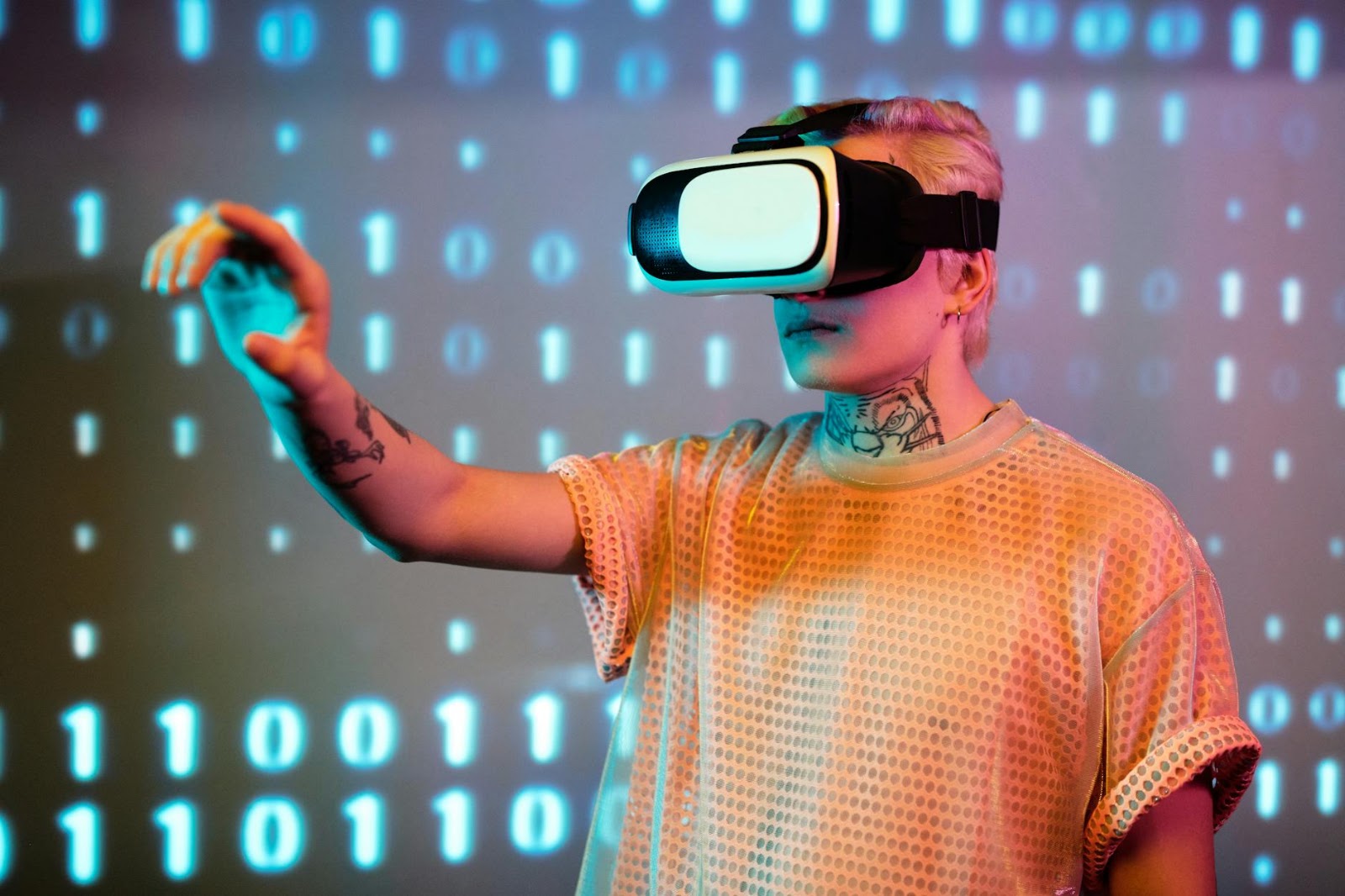 Close-up of a realistic digital garment being fitted onto a personalized avatar using advanced AI virtual try-on technology.
This technology goes beyond static images. It can animate clothing as your virtual self 'moves,' offering a dynamic view of how a dress might flow or how trousers might crease. Companies like DressX are at the forefront, applying specialized fashion AI expertise to address the nuances of fabric physics and human anatomy. The result?
An experience so immersive, it’s often indistinguishable from trying on the real thing in a physical changing room, all from the comfort of your couch.
Google, DressX, and Zara: The Titans Leading the Virtual Revolution
The move towards AI virtual try-on isn't just confined to niche startups; industry giants are pouring resources into it. Google is making significant strides, not just with its partnerships (like Google Cloud Virtual Try-On launching with OTB Group for luxury fashion), but also by integrating these capabilities directly into consumer-facing products. Google Photos, for instance, is rolling out an AI-powered “wardrobe” feature that allows users to 'try on' clothes they were already captured wearing, effectively curating a virtual closet from existing photos. This lowers the barrier to entry, making virtual try-on an everyday utility rather than a specialized e-commerce tool.
Fast-fashion behemoths like Zara, often harbingers of widespread retail trends, have quietly introduced virtual try-on to their apps. The positive reviews speak volumes: shoppers appreciate the confidence it instills, leading to fewer returns and more satisfying purchases. This rapid diffusion across various price points – from luxury brands like OTB Group to mass-market giants like Zara – signals that AI virtual try-on is no longer a futuristic concept but a vital component of competitive retail. VisualGPT AI Virtual Try On is another platform revolutionizing digital fashion displays, transforming basic garment images into highly realistic, dynamic showcases that truly bridge the gap between static inventory and lifelike presentation.
More Than Just a Gimmick: Real-World Impact and ROI
The impact of robust AI virtual try-on technology is profound and multi-faceted. Retailers using these solutions report significant reductions in purchase abandonment rates and a dramatic decrease in product returns. This isn't just about cutting costs; it's about boosting conversions and improving customer loyalty. When shoppers feel confident about their purchase, they're more likely to buy, and less likely to send items back.
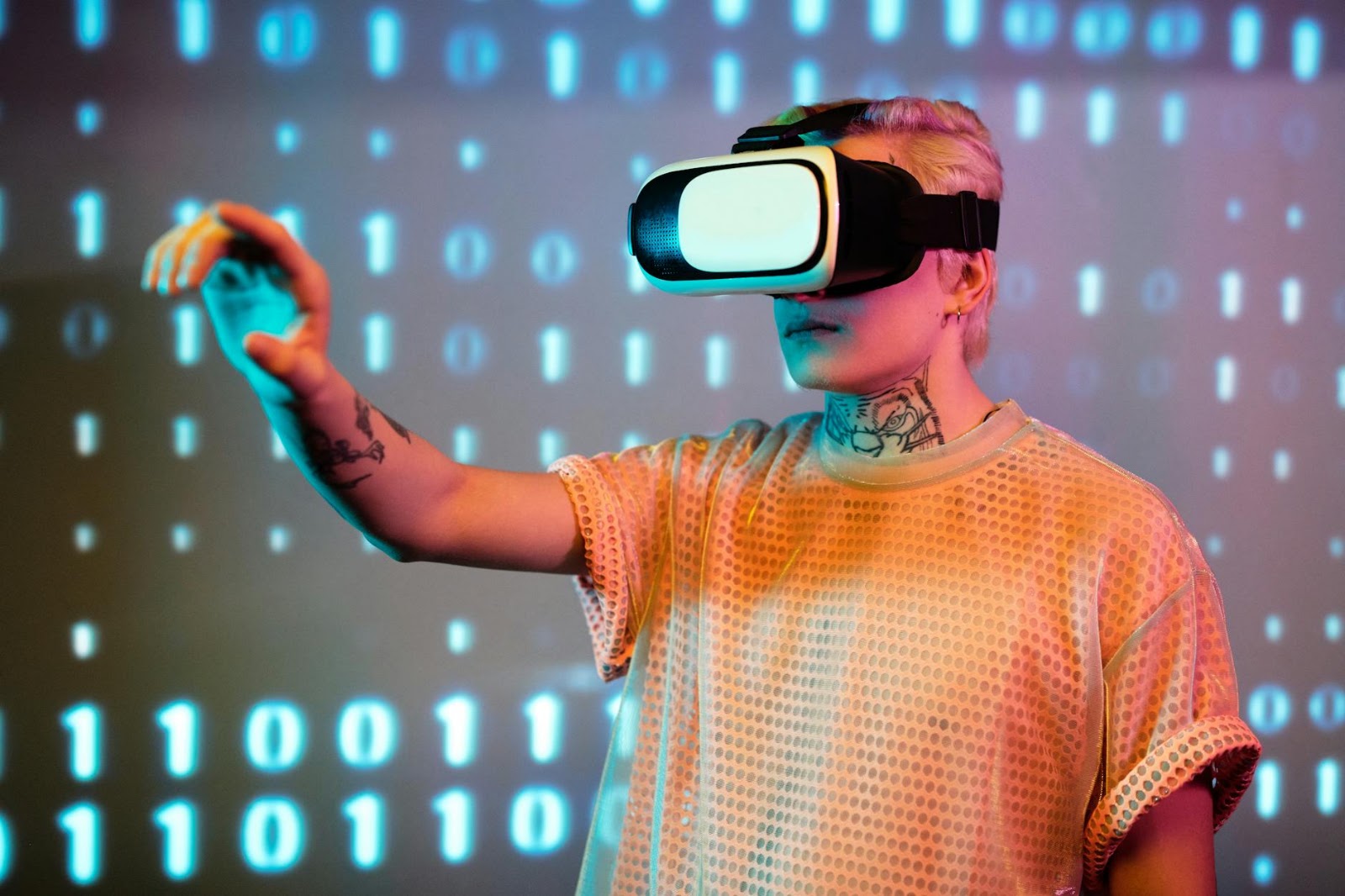 Close-up of a realistic digital garment being fitted onto a personalized avatar using advanced AI virtual try-on technology.
Beyond the immediate financial benefits, there's a powerful environmental angle.
Fewer returns mean less shipping, less packaging waste, and a reduced carbon footprint.
In an era where consumers are increasingly conscious of sustainability, this is a powerful selling point. The technology also democratizes fashion, allowing individuals to experiment with styles, brands, and fits that might otherwise be inaccessible. It’s a tool for personal expression, enabling anyone to curate their perfect look without the physical limitations of a changing room or the financial burden of buying multiple sizes.
The Ethical & Environmental Tightrope: Fast Fashion, Data, and Deepfakes
While the benefits are clear, the rapid advancement of AI virtual try-on technology isn't without its complexities. The increasing sophistication of AI-generated fit visuals raises questions about synthetic media and deepfakes. Regulatory bodies, such as the EU, are already drafting legislation (like the upcoming AI Act) that will require clear labeling of AI-generated content, forcing vendors to embed provenance metadata. This ensures transparency and helps maintain trust in a world increasingly blurred by digital creations.
Furthermore, the concern lingers: could AI shopping bots and hyper-realistic try-on features make fast fashion even faster? If consumers can instantly try on and buy endless garments with zero friction, does it accelerate the cycle of consumption, potentially undermining efforts towards sustainable fashion? This delicate balance between innovation and responsibility is a tightrope the industry must walk carefully.
The goal should be informed consumption, not merely increased consumption.
 Conceptual image depicting a circular economy in fashion, with AI virtual try-on contributing to reduced waste and enhanced sustainability.
Your Personal Stylist: The Rise of the Virtual Wardrobe Master
The true power of AI virtual try-on extends beyond individual purchases to the concept of a 'Virtual Wardrobe Master.' Imagine an AI that knows your precise measurements, your preferred styles, your existing wardrobe, and even your fashion history. It could suggest outfits, identify gaps in your collection, recommend new pieces that seamlessly integrate with what you already own, and even help you 'try on' those new items digitally. This isn't just shopping; it's intelligent, personalized styling that could eliminate buyer's remorse forever and curate a truly conscious wardrobe. This master would not only advise on purchases but also on how to maximize what you already have, promoting longevity and reducing impulsive buys.
The Future of Fashion: A Seamless, Sustainable, and Savvy Experience
The future of fashion, driven by AI virtual try-on, is one of unprecedented personalization, efficiency, and potentially, sustainability. The "silent killer" of returns is finally meeting its match. As the technology evolves, becoming even more accurate, intuitive, and seamlessly integrated into our digital lives, it promises to usher in an era where shopping regret is a relic of the past. Retailers will thrive with reduced costs and happier customers, while consumers will enjoy a more confident, engaging, and ultimately, more satisfying fashion experience. The revolution isn't coming; it's already trying on its first outfit.
```