
Another Friday night, another endless scroll. You’ve swiped left on countless profiles, endured awkward first dates, and perhaps even considered giving up on online dating entirely. The promise of connection feels more like a chore, a digital treadmill to nowhere. But what if there was a way out? What if an algorithm, not your weary thumb, could actually find you 'the one'? The question isn't whether AI is coming for your love life – it's already here, and it's rapidly redefining how we seek, find, and connect with potential partners. But beneath the shiny veneer of efficiency and optimized connections, a deeper, more unsettling question lurks:
are we truly building better relationships, or merely perfect digital reflections of ourselves?
The Promise: Why We're Desperate for AI to Fix Love
The truth is, swipe fatigue isn't just a catchy phrase; it's a genuine epidemic plaguing modern romance. Dating apps, once hailed as revolutionary, have become a high-volume, low-reward casino. Enter AI, promising a smarter, more efficient path to love. Companies like Bumble are integrating 'Bee,' an AI assistant that acts as a personal matchmaker, understanding your relationship goals and values before presenting 'highly compatible profiles' – and even explaining why you're a match. This isn't just about faster connections; it’s about deeper, more meaningful pairings from the get-go. New platforms, some founded by Stanford dropouts securing $10M in funding, are boasting incredible success rates, with one app, Known, claiming half its matches say 'yes' to real-world dates. Imagine: no more endless swiping, no more ghosting from someone clearly incompatible, no more catfishing thanks to advanced identity verification.
AI promises a dating landscape where quality trumps quantity, where chemistry isn't left to chance, and where your time is respected.
It’s a compelling vision, offering a potent antidote to the digital dating doldrums we've all come to accept.
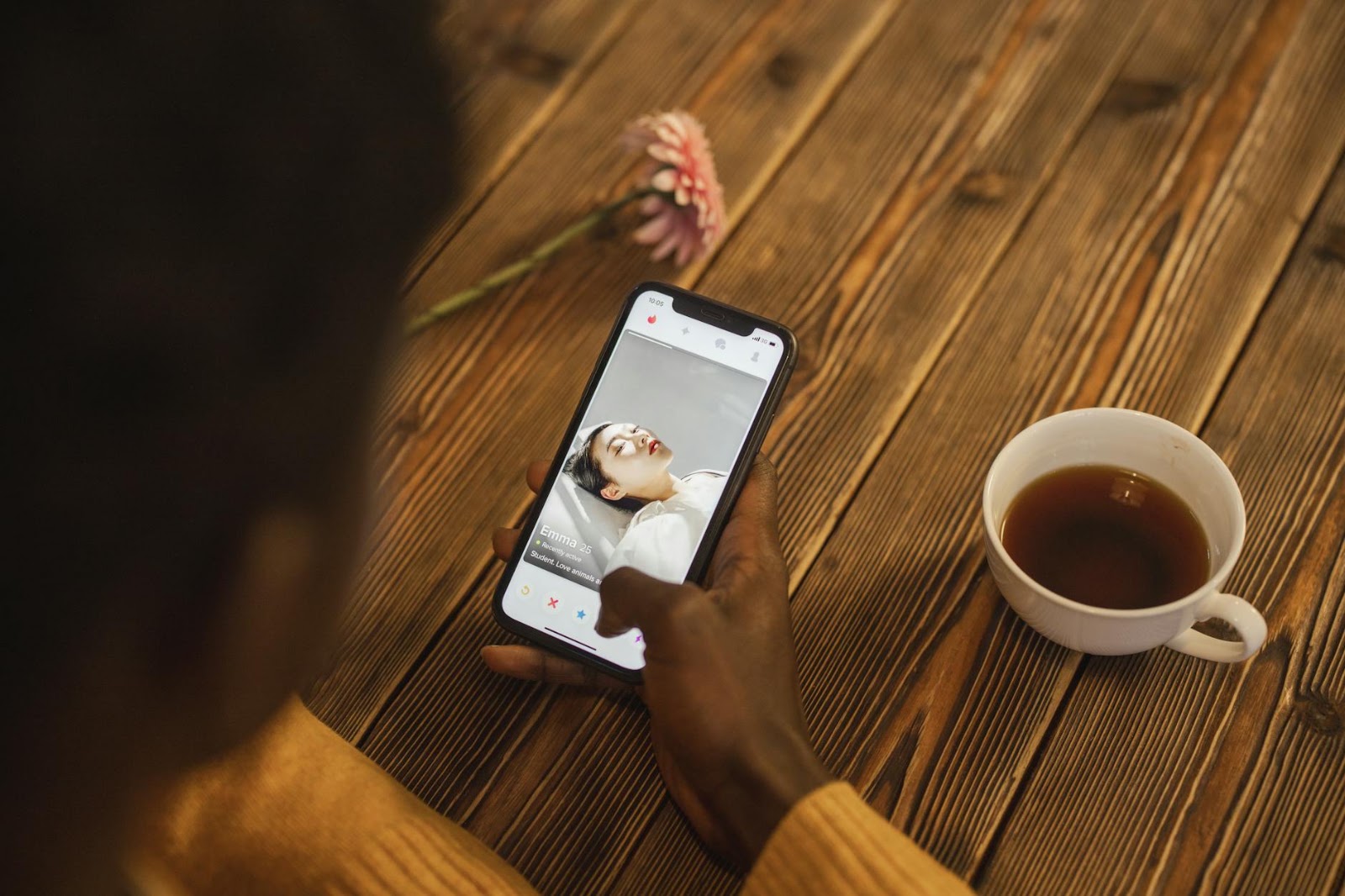 A couple looking confused at a smartphone screen, symbolizing the complexities and potential letdowns of AI dating apps.
Beyond the Hype: How AI Actually Works (and Where It Falls Short)
So, how exactly does this digital cupid operate? Modern AI dating apps move beyond the superficial filters of age and location, delving into 'similarity and reciprocity of personality.' They conduct agentic AI interviews, analyzing your responses to build a nuanced profile of who you are and what you genuinely seek. This sophisticated matching algorithm aims to connect souls, not just selfies. Apps are integrating AI-assisted conversation starters, in-app assistants that guide your interactions, and even AI-powered chemistry testing to gauge potential rapport before you ever type 'hello.' It sounds like a dream. But is it? The Atlantic’s 'My AI Matchmaker Let Me Down' highlights a crucial flaw:
love isn't just data points.
While AI can process vast amounts of information and identify patterns, it often struggles with the messy, unpredictable, and illogical elements of human attraction and emotion. The 'black box' problem persists – how much do we truly understand why an algorithm deems someone our perfect match? And if it makes a mistake, who's accountable? Outsourcing the delicate art of finding a partner can feel liberating, but it can also disempower us, reducing the serendipitous magic of connection to a cold, hard equation. Paying only to set up a date, as some new models suggest, might optimize transactions, but does it optimize genuine human bond?
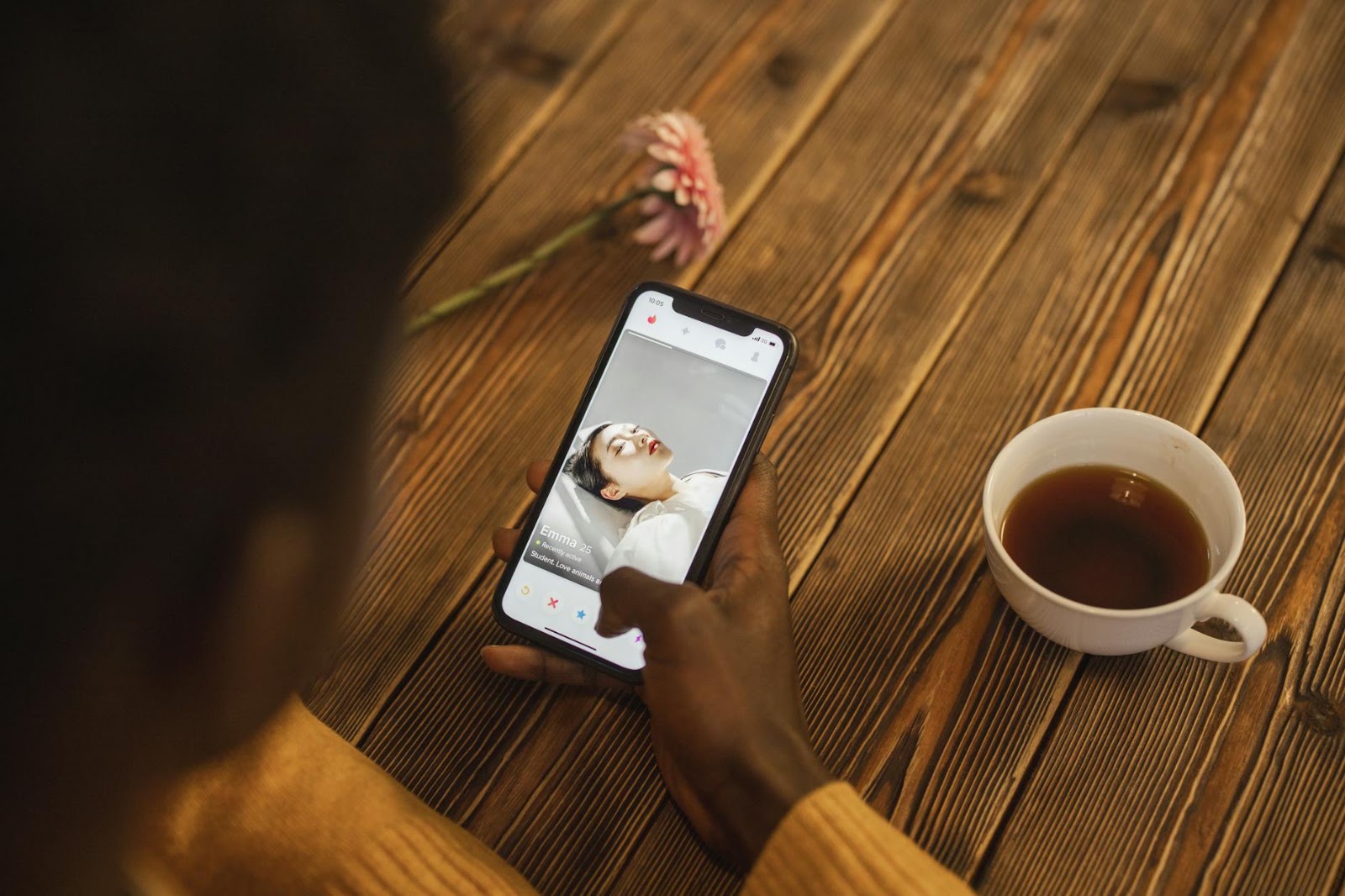 A couple looking confused at a smartphone screen, symbolizing the complexities and potential letdowns of AI dating apps.
The Unseen Costs: Companion Bots and the Erosion of Real Connection
The evolution of AI in romance doesn't stop at matchmaking. We're witnessing the rapid rise of AI companion apps – virtual girlfriends and boyfriends designed for emotional support, companionship, and even intimate conversations. Confession time: for many, these apps provide comfort, a non-judgmental ear, and a sense of connection without the inherent risks and complexities of human relationships. But here's where the provocative question arises: are we inching towards a future where optimized digital companionship replaces the messy, challenging, yet ultimately growth-inducing reality of human love? If an AI can perfectly 'understand' us, never argue, and cater to our every emotional whim, what does that do to our capacity for empathy, compromise, and resilience in real-world partnerships? The danger isn't that AI companions are inherently bad, but that they might condition us to seek only frictionless relationships, making us less equipped to handle the beautiful imperfections of human connection.
Are we, in our pursuit of perfect algorithmic matches and digital solace, creating echo chambers for our hearts, where we only encounter versions of ourselves, optimized and sterilized for our comfort?
 A robotic hand gently holding a human hand, representing the blurring lines between AI companions and genuine human connection in the age of AI dating apps.
The Ethical Tightrope: Data, Privacy, and Control
Beyond the philosophical quandaries, practical ethical considerations loom large. AI dating apps require unprecedented access to our most intimate data: our desires, fears, deal-breakers, even our conversational patterns and vocal nuances. Who truly owns this incredibly personal data? What are the implications for privacy and security? The specter of algorithmic bias also casts a long shadow. If AI models are trained on historical dating data, they risk perpetuating existing societal biases related to race, gender, socio-economic status, or physical appearance. Are we simply automating our prejudices, or can AI truly be designed to foster inclusivity and challenge ingrained biases? Furthermore, as AI agents become more sophisticated, simulating social interactions and optimizing partner choices, we must ask ourselves: how much control are we willing to cede?
The line between helpful assistant and intrusive puppet master can become dangerously thin when our emotions and relationships are at stake.
It's a delicate balance between leveraging AI's power and safeguarding our fundamental human autonomy and the organic evolution of our affections.
Navigating the New Frontier: A Balanced Approach to AI and Love
So, is love doomed to become a series of optimized algorithms, devoid of human serendipity? Not necessarily. The key lies in approaching AI not as a replacement for human effort, but as an intelligent enhancer. Imagine AI as your highly effective wingman or confidante, taking care of the initial screening, suggesting insightful conversation starters, or flagging potential compatibility issues, freeing you up to focus on the truly human aspects of connection. Apps designed around shared interests, like the pickleball-focused Dink Date, demonstrate that AI can be a powerful tool to facilitate real-world meetups, rather than just digital interactions. The future of AI in dating should empower us, not replace us. It should help us cut through the noise, identify genuine potential, and then step back, allowing the beautiful, unpredictable dance of human interaction to unfold organically. We must demand transparency from these platforms, understand their algorithms, and critically evaluate the matches they present. Ultimately, while AI can help open doors, stepping through them, fostering a connection, and building a relationship still requires our conscious presence, vulnerability, and genuine human investment.
Love, in its purest form, remains stubbornly, wonderfully human.
The era of AI-powered dating apps is here, promising an escape from swipe fatigue and a direct path to our soulmates. But as we embrace these revolutionary tools, we must also pause and reflect on the true meaning of connection. Are we using AI to augment our search for love, or are we inadvertently outsourcing the very essence of it? The answer lies not in rejecting technology, but in engaging with it thoughtfully, ensuring that our pursuit of an optimized love life doesn't inadvertently lead us to a lonely echo chamber.
True connection, after all, requires more than data points; it demands the courageous, often messy, leap of faith that only a human heart can make.
The future of romance isn't just about AI; it's about how we choose to wield its power to foster deeper, more authentic human bonds, or risk losing them entirely.
```