
You bought into the dream. The commercials showed effortless living, lights dimming with a whispered command, doors locking themselves, coffee brewing just as you wake. The promise of a truly 'smart home' was irresistible: convenience, security, energy savings, and a dash of futuristic flair.
But if you’re like millions, that dream has likely devolved into a tangled mess of apps, dropped connections, frustrating delays, and devices that promise more than they deliver.
The truth is, the current state of "smart home" technology is often a house of cards, built on an unstable foundation. And the biggest culprit? It's probably the very network you rely on: your Wi-Fi.
The Invisible Enemy: Why Your Wi-Fi Is Sabotaging Your Smart Home
Imagine trying to hold 50 simultaneous conversations in a crowded room, all while yelling across different languages. That's often what your home Wi-Fi network looks like to your growing legion of smart devices. While Wi-Fi is fantastic for your laptop or streaming a movie, it was never designed to be the backbone for dozens of low-power, always-on smart devices, each vying for attention and bandwidth. The result? Latency, dropped connections, security vulnerabilities, and a constantly frustrating user experience. You bought a "smart home," but you got a "slow home" instead.
This isn't just about speed; it's about protocol. Wi-Fi devices often consume more power, creating battery anxiety for sensors and locks. They flood your network with traffic, leading to congestion that can degrade performance for all your devices, not just the smart ones. Furthermore, every Wi-Fi device is a potential entry point for hackers if not properly secured, transforming your connected sanctuary into a security liability.
The inconvenient truth is that relying solely on Wi-Fi for your entire smart ecosystem is like trying to build a skyscraper on a sandy beach. It might stand for a while, but it’s destined for trouble.
The answer lies in specialized, more robust communication protocols designed specifically for smart devices: Zigbee, Z-Wave, and the emerging Matter standard. These technologies offer lower power consumption, create mesh networks for greater reliability and range, and reduce network congestion, liberating your Wi-Fi for the tasks it’s actually good at. Don't let your primary internet connection be the Achilles' heel of your home automation ambitions.
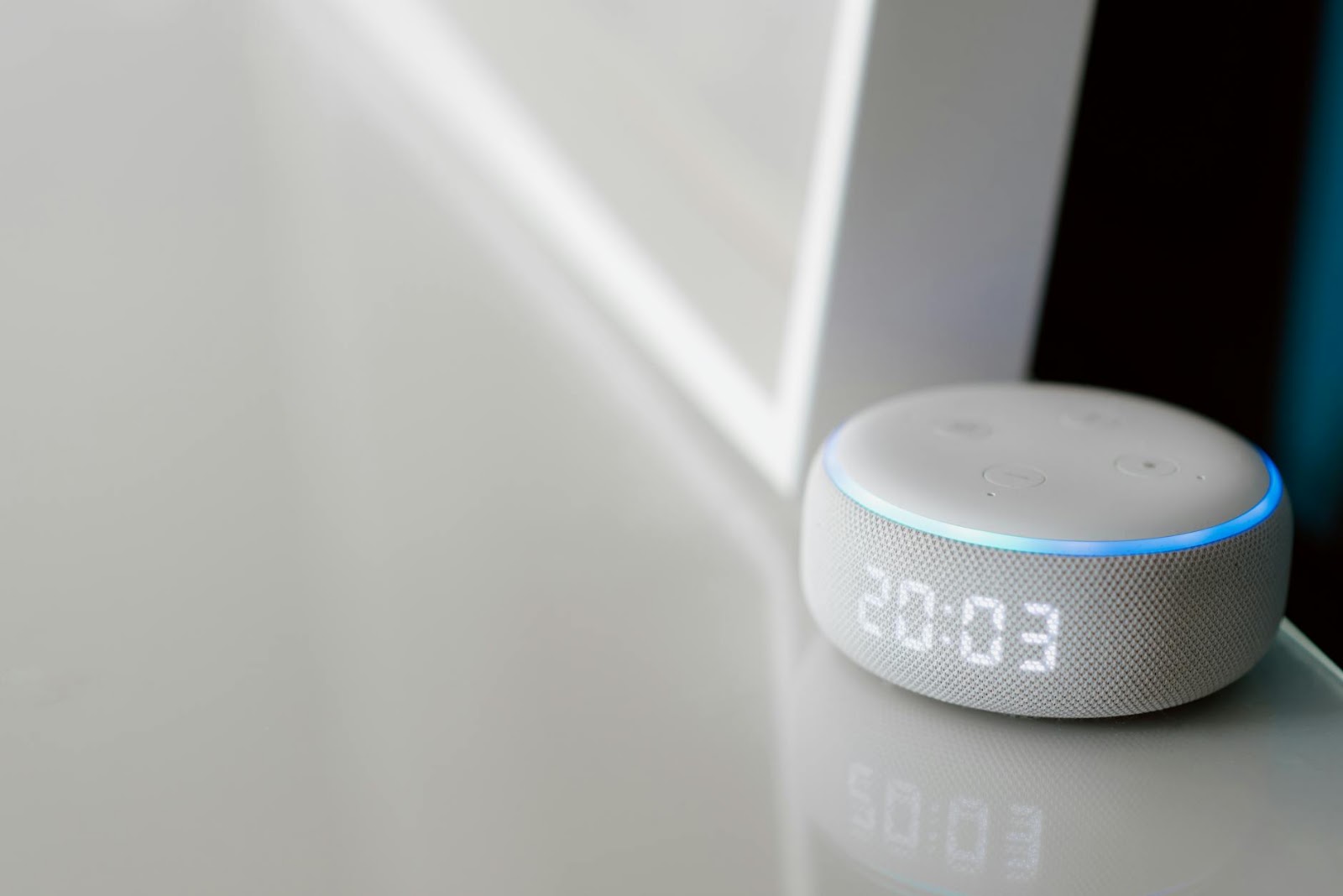 A minimalist dashboard of a Home Assistant interface, showcasing comprehensive smart home automation control.
Beyond the Hype: Automating What Actually Matters (And What Doesn't)
The marketing push for smart gadgets is relentless, often leading us to automate things that simply don't need it. Remember the smart egg tray that tells you how many eggs you have left? Or the Wi-Fi-connected butter dish? These are the devices that inflate your network, drain your wallet, and deliver precisely zero real-world value. Many smart home owners fall into the trap of buying gadgets because they can, not because they should. The result is a home cluttered with redundant tech and more apps than convenience. The key to a truly effective smart home lies in ruthless prioritization. Forget the frivolous. Focus on automation that genuinely enhances your life, saves you money, or provides peace of mind.
Consider the unheralded heroes: smart water leak detectors (like the GoveeLife mentioned in recent reports) that can prevent catastrophic damage, smart air monitors that silently improve your health and sleep, or smart sprinklers that intelligently conserve water and reduce your bills. These are the unsung champions of home automation, delivering tangible benefits without adding unnecessary complexity. Start with security, energy management, and health. Then, and only then, explore personalized comforts like dynamic smart lighting for your home theater or automated blinds. The goal isn't to make everything smart; it's to make your life smarter.
Reclaiming Control: The Open-Source Revolution & Budget-Friendly Solutions
One of the biggest frustrations with many smart home systems is the proprietary lock-in. You're beholden to one brand's ecosystem, often forced to buy new devices when your old ones are perfectly functional. This is where the open-source movement, championed by platforms like Home Assistant, becomes a game-changer. Home Assistant allows you to unify devices from virtually any manufacturer, old or new, under one local, private control system. This means your five-year-old smart plug can seamlessly integrate with your brand-new sensor, often extending the lifespan of your existing tech and saving you significant money.
Beyond unifying disparate devices, Home Assistant empowers you with unparalleled control over your data and automations, moving away from reliance on cloud services that can be slow, vulnerable, or discontinued. This shift from proprietary walled gardens to an open, user-driven platform is the true future of the smart home. Furthermore, the market is rife with budget-friendly alternatives that offer incredible value without sacrificing functionality. WiZ smart lights, for example, are giving Philips Hue a run for their money with cheaper, equally capable options. The message is clear: you don't need to break the bank or surrender your autonomy to achieve a powerful, integrated smart home. You need to choose wisely and embrace platforms that prioritize user freedom and interoperability.
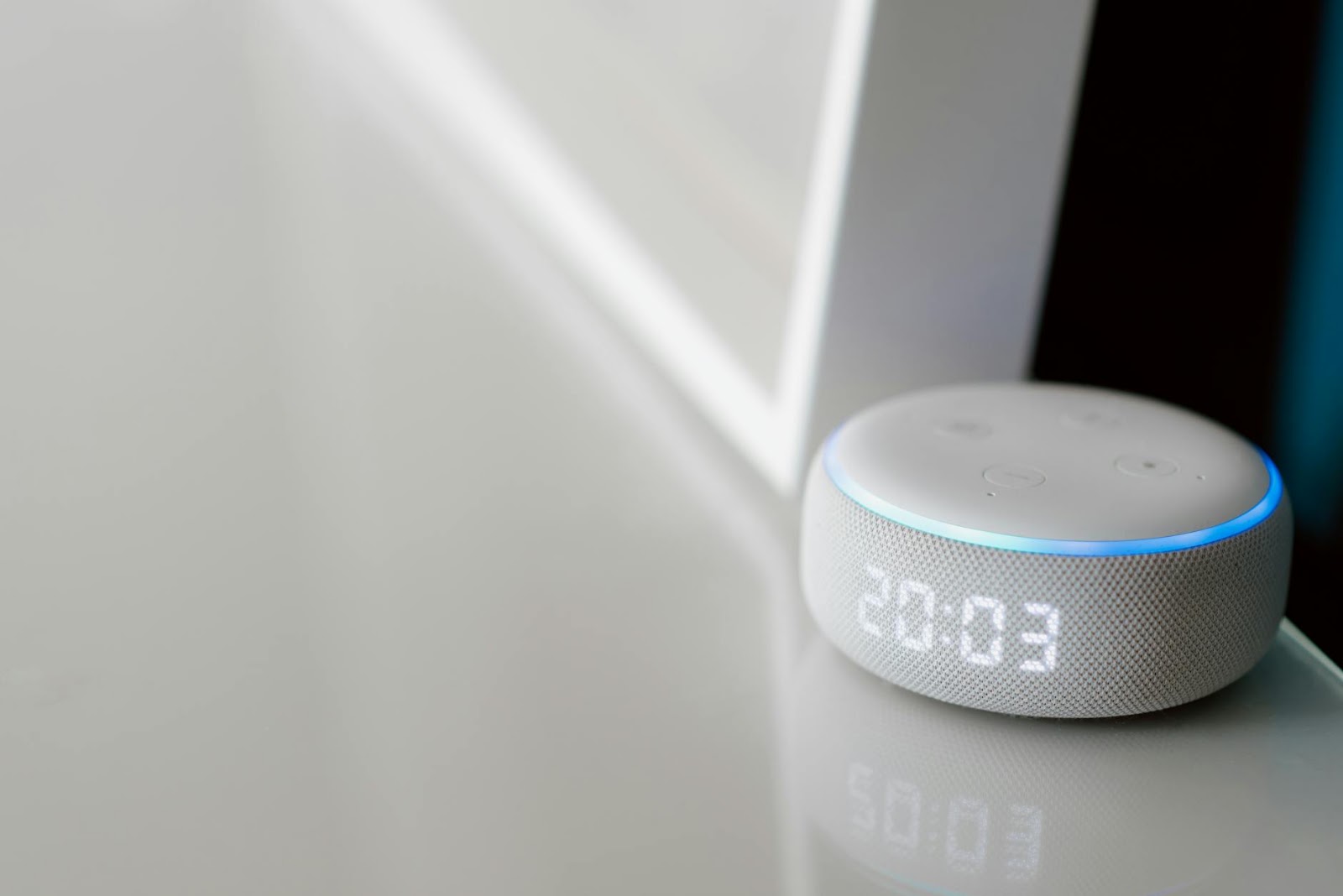 A minimalist dashboard of a Home Assistant interface, showcasing comprehensive smart home automation control.
The Unspoken Threat: Smart Home Security Beyond the Password
The smart home security and surveillance market is projected to reach colossal figures, a testament to our desire for protection. But true smart home security extends far beyond just installing a camera or a smart lock. It delves into the often-ignored realm of data privacy, network segmentation, and the very trustworthiness of the devices you invite into your home. A cheap smart camera from an unknown brand might offer a clear picture, but does it send your footage to servers in a country with questionable data privacy laws? Is its firmware regularly updated against new vulnerabilities? These are the critical questions that often go unasked.
Residential protection is rapidly shifting from mere devices to intelligent services, powered by AI cameras and advanced analytics. While convenient, this shift brings new privacy concerns. To truly secure your smart home, you must treat your network like a fortress. Isolate your smart devices on a separate network (a guest Wi-Fi, for example, if you must use Wi-Fi) to prevent potential breaches from affecting your main computers. Prioritize brands with strong reputations for security and privacy, opting for local processing where possible. A "smart" home is only as secure as its weakest link, and often, that link isn't a faulty lock, but a poorly secured device transmitting your private life to the cloud.
From Frustration to Freedom: Building Your Truly Smart Home
The journey to a truly smart home doesn't have to be fraught with frustration. It begins with a paradigm shift: move from a consumer mindset to a curator mindset. Don't buy every shiny new gadget. Instead, carefully select devices that solve a real problem or fulfill a genuine need. Prioritize devices that support open standards like Zigbee, Z-Wave, or Matter over Wi-Fi where possible. Invest time in understanding the protocols and, if you're inclined, explore the power of open-source platforms like Home Assistant. This approach not only future-proofs your setup but also gives you unparalleled control and privacy.
Your smart home should serve you, adapting seamlessly to your life, anticipating your needs without constant intervention or troubleshooting. It should be a sanctuary of convenience and security, not a source of digital headaches. It's time to stop letting tech companies dictate your experience and start engineering a smart home that truly reflects your priorities and empowers your life. The dream isn't dead; it just needs a smarter architect – and that architect is you. Reclaim your control, optimize your network, and build the effortless, intelligent living space you were promised. The tools are available; it's time to use them wisely.
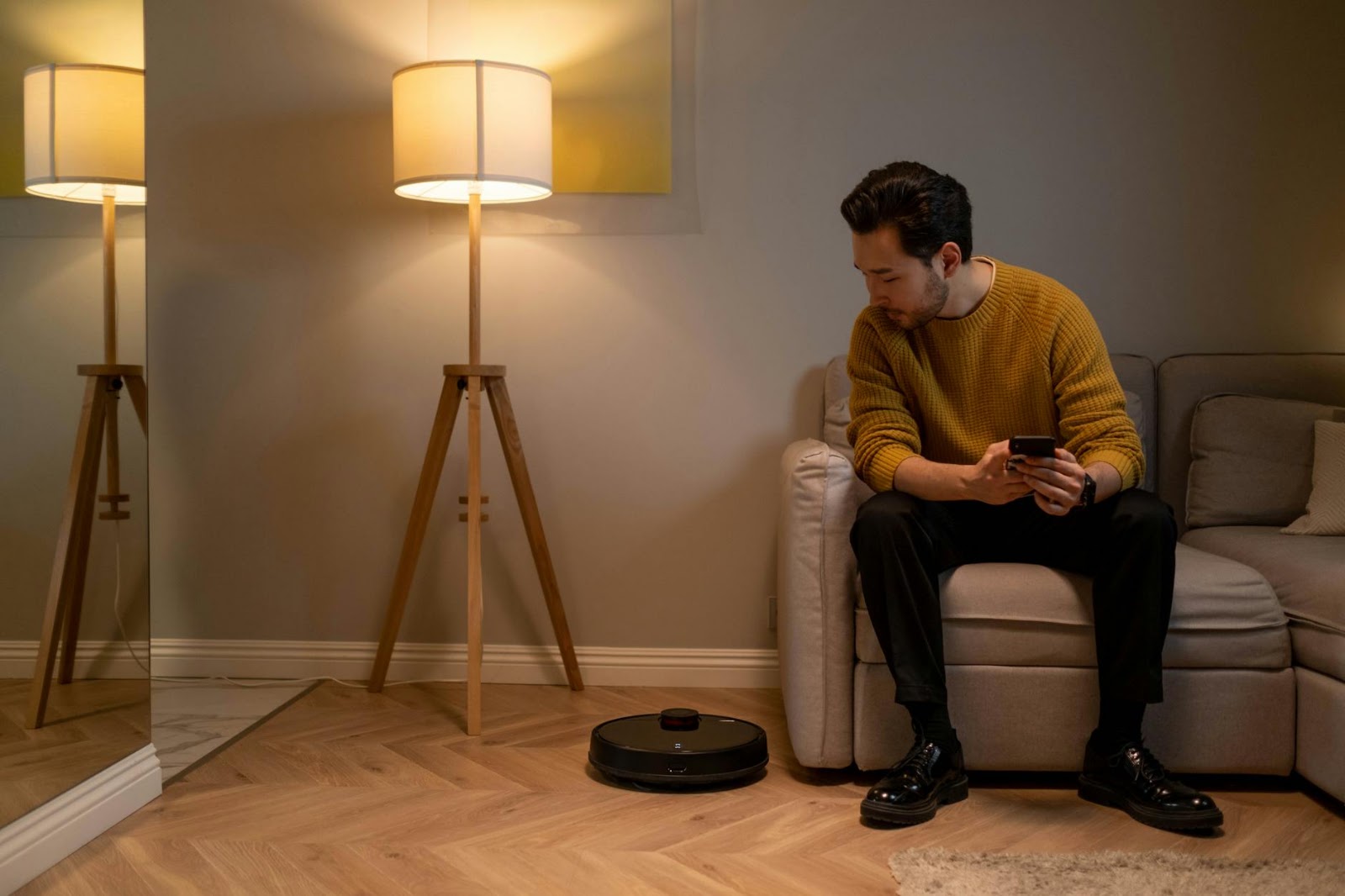 A person confidently controlling an organized and efficient smart home system, achieving true home automation.