
Every year, a silent killer siphons hundreds of billions from the global retail industry. It’s not a recession, not a pandemic, but something far more insidious and commonplace: product returns. Estimates suggest this unseen epidemic costs retailers a staggering $600 billion annually, a persistent drain on profitability that has plagued fashion for decades. But what if there was a revolutionary antidote, a technological marvel that could not only staunch the bleeding but redefine the very act of shopping? Enter AI Virtual Try-On, the game-changer poised to transform how we experience fashion, one digital garment at a time.
Estimates suggest this unseen epidemic costs retailers a staggering $600 billion annually, a persistent drain on profitability that has plagued fashion for decades.
This isn't just about reducing a financial burden; it's about unlocking a new era of retail efficiency, personalization, and customer satisfaction. From major players like Zara and ASOS to agile startups, the industry is betting big on this tech. The question isn't if AI Virtual Try-On will dominate fashion, but how quickly it will reshape every facet of the consumer journey and retail's bottom line.
The Avalanche of Returns: Why Fashion Retail is Bleeding Billions
For consumers, online shopping offers unparalleled convenience. For retailers, however, this convenience often comes at a steep price. The ease of ordering multiple sizes or styles with the intention of returning most has fueled a logistical and financial nightmare. Think about it: every returned item incurs costs in shipping, processing, restocking, and often, markdown due to wear or damage. This 'silent killer' doesn't just erode profit margins; it creates an unsustainable cycle of waste and inefficiency. The fashion industry, already under scrutiny for its environmental impact, finds itself grappling with mountains of returned merchandise, much of which ends up in landfills.
The consumer's desire for certainty in online purchases clashes directly with the limitations of a 2D screen. How does an item really look on me? Does it fit my body type? What's the drape like? These crucial questions, historically answered in a physical fitting room, become a guessing game online, leading to 'wardrobing' (buying with intent to return) and genuine sizing errors. This is where AI Virtual Try-On steps in, offering a compelling bridge between the digital and the real. It's the digital mirror that the fashion industry has desperately needed.
 A photorealistic 3D fashion model showcasing a garment using AI virtual try-on technology.
Beyond Filters: Deconstructing the Magic of AI Virtual Try-On
So, how does this futuristic technology actually work? It's a sophisticated symphony of artificial intelligence, augmented reality (AR), and 3D modeling. At its core, AI Virtual Try-On allows customers to 'see' clothes on themselves without physically trying them on. This can manifest in several powerful ways:
- Customer-Facing VTO: Upload a photo or use your device's camera, and the AI renders the garment realistically onto your body, adjusting for fit, drape, and texture. This eliminates guesswork, providing an experience akin to a digital fitting room. Platforms like Elura Studio exemplify this, making outfit selection simple, fast, and remarkably realistic.
- AI Fashion Model Photography: Beyond personal try-on, AI can generate professional, on-model product images. Instead of costly photoshoots with real models, brands can use AI to create diverse models in various poses, showcasing garments with unprecedented speed and efficiency. Style3D AI allows brands to adjust poses, lighting, and textures, producing photorealistic visuals in seconds.
The underlying technology utilizes advanced computer vision to understand body shapes and garment characteristics, dynamically mapping fabric textures and patterns onto a virtual representation. Whether it's 2D virtual try-on prioritizing speed and accessibility for e-commerce or more complex 3D rendering for ultimate realism, the goal is the same: to remove friction from the purchasing decision and foster confidence.
The Profit Prescription: How VTO Transforms the Bottom Line
The impact of AI Virtual Try-On on profitability is not theoretical; it's measurable and immediate. For brands struggling with the financial burden of returns, VTO offers a lifeline. Companies are already reporting dramatic reductions in return rates – up to 40% – directly translating to massive cost savings and improved margins. This isn't just about avoiding the cost of a return; it's about:
- Increased Conversion Rates: When customers are confident in how an item will look and fit, they are far more likely to complete a purchase.
- Enhanced Customer Satisfaction & Loyalty: A seamless, accurate try-on experience builds trust and fosters a positive brand perception, encouraging repeat business.
- Reduced Operational Costs: Fewer returns mean less expenditure on reverse logistics, quality control, restocking, and potential markdowns on returned items. It frees up resources that can be reinvested into product development or marketing.
Leading retailers like Zara and ASOS are already integrating these tools, recognizing that AI technology is no longer a luxury but a critical tool for navigating a fiercely competitive landscape. The ROI is so clear that many consider adopting AI Virtual Try-On an essential upgrade to their e-commerce stack.
 A photorealistic 3D fashion model showcasing a garment using AI virtual try-on technology.
The Human Touch in a Digital Mirror: Personalization and Purpose
The narrative around AI often sparks fear of automation replacing human creativity. However, in fashion, AI acts as a powerful ally. As one expert aptly put it, "Designers drive the vision, and AI just the velocity." Human judgment remains paramount, adding the most value to machine work. AI VTO enhances, rather than diminishes, the creative process and the personalized shopping experience.
"Designers drive the vision, and AI just the velocity."
Imagine having a virtual stylist that instantly analyzes your wardrobe, suggests outfits, and provides try-on previews, all from your device. This level of personalized styling, once exclusive, is now accessible to the masses. By enabling customers to make more informed decisions, AI Virtual Try-On also aligns with a growing demand for sustainability. Fewer returns mean less waste, less carbon footprint from shipping, and a more responsible approach to fashion consumption. This digital mirror isn't just changing how we live; it's changing how we dress and our consciousness around it. It’s a powerful step towards a more sustainable and consumer-centric future.
What's Next? The Unfolding Frontier of Fashion-Tech
The market for fashion tech is booming, estimated to surpass $8.2 billion by the end of 2026, with demand for virtual try-ons, AI-driven design, and 3D garment visualization as key drivers. This is just the beginning. We're on the cusp of hyper-personalized shopping experiences, where AI might suggest not just what to wear, but how an outfit will look in specific real-world scenarios, or even adapt designs to unique body contours.
The maturity of this technology, coupled with proven consumer demand and immediate, measurable ROI, signals a critical inflection point. For brands hesitating, the message is clear: the future of fashion retail is already here, and it’s powered by intelligent algorithms and virtual mirrors. Embracing AI Virtual Try-On isn't merely an option; it's a strategic imperative for relevance, profitability, and customer engagement in the digital age.
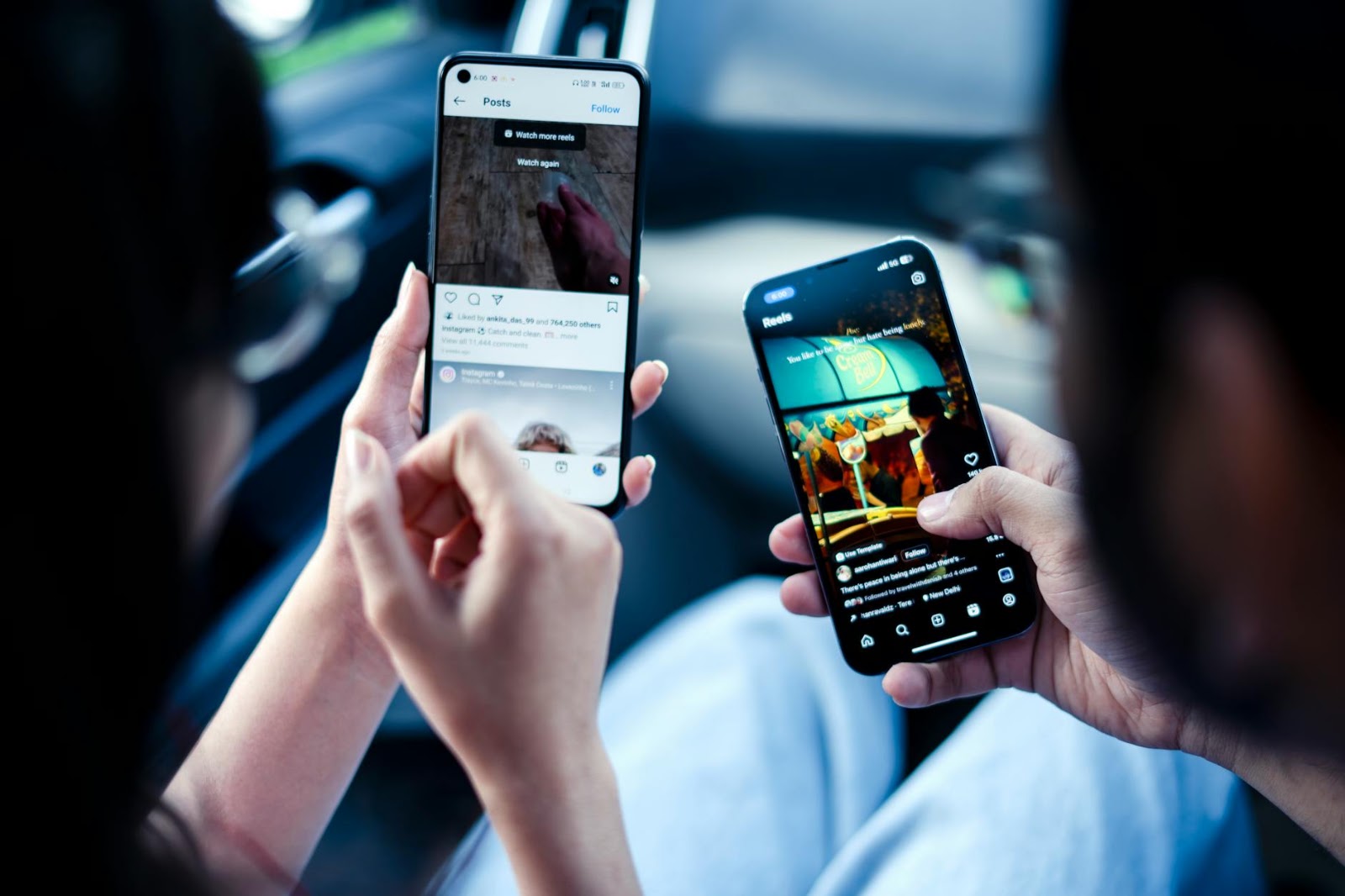 A delighted customer confidently using an AI virtual try-on app on their smartphone, smiling.
AI Virtual Try-On isn't just a technological marvel; it's a fundamental paradigm shift. It’s the answer to retail's multi-billion dollar headache, a catalyst for deeper customer connections, and a crucial step towards a more sustainable fashion future. The digital mirror is indeed the future of every clothing store, and those who embrace it now will define the next era of fashion.
```