
Let's be brutally honest: your 'smart home' isn't really smart. It’s a collection of disconnected gadgets, each with its own app, its own quirks, and its own frustrating limitations. We’ve been sold a vision of seamless living, yet many of us are still juggling five different apps just to dim the lights, adjust the thermostat, and arm the security system. The truth? We’ve been living in the beta version of the truly intelligent home, but that’s all about to change. The AI revolution isn't just coming for your job; it's coming for your living room, and it's poised to redefine what 'smart' truly means.
We’ve been living in the beta version of the truly intelligent home.
The Myth of the 'Smart' Home: Why Your Gadgets Feel So… Dumb
For years, the smart home narrative has centered on individual devices: the smart bulb, the smart speaker, the smart thermostat. Each promising convenience, each demanding a piece of your digital attention. This fragmentation isn’t just annoying; it actively undermines the very promise of automation. How 'smart' is a home where you need a spreadsheet to keep track of all your device ecosystems and compatibility standards? We’ve celebrated the ability to turn on a light with our voice, but overlooked the fact that managing the underlying infrastructure is often more complex than flipping a physical switch.
Consider the aesthetic dilemma. Many smart devices, for all their utility, are often obtrusive. The market even sees a trend in products designed specifically to be 'hidden' from decor, a testament to the fact that functionality has often trumped form. While affordable gadgets under $50 have democratized access to home automation, they've also often compounded the problem of a disjointed user experience. Your home might be filled with sensors and speakers, but they rarely speak the same language, let alone cooperate on a deeper, intuitive level. This isn't integrated living; it's a digital patchwork.
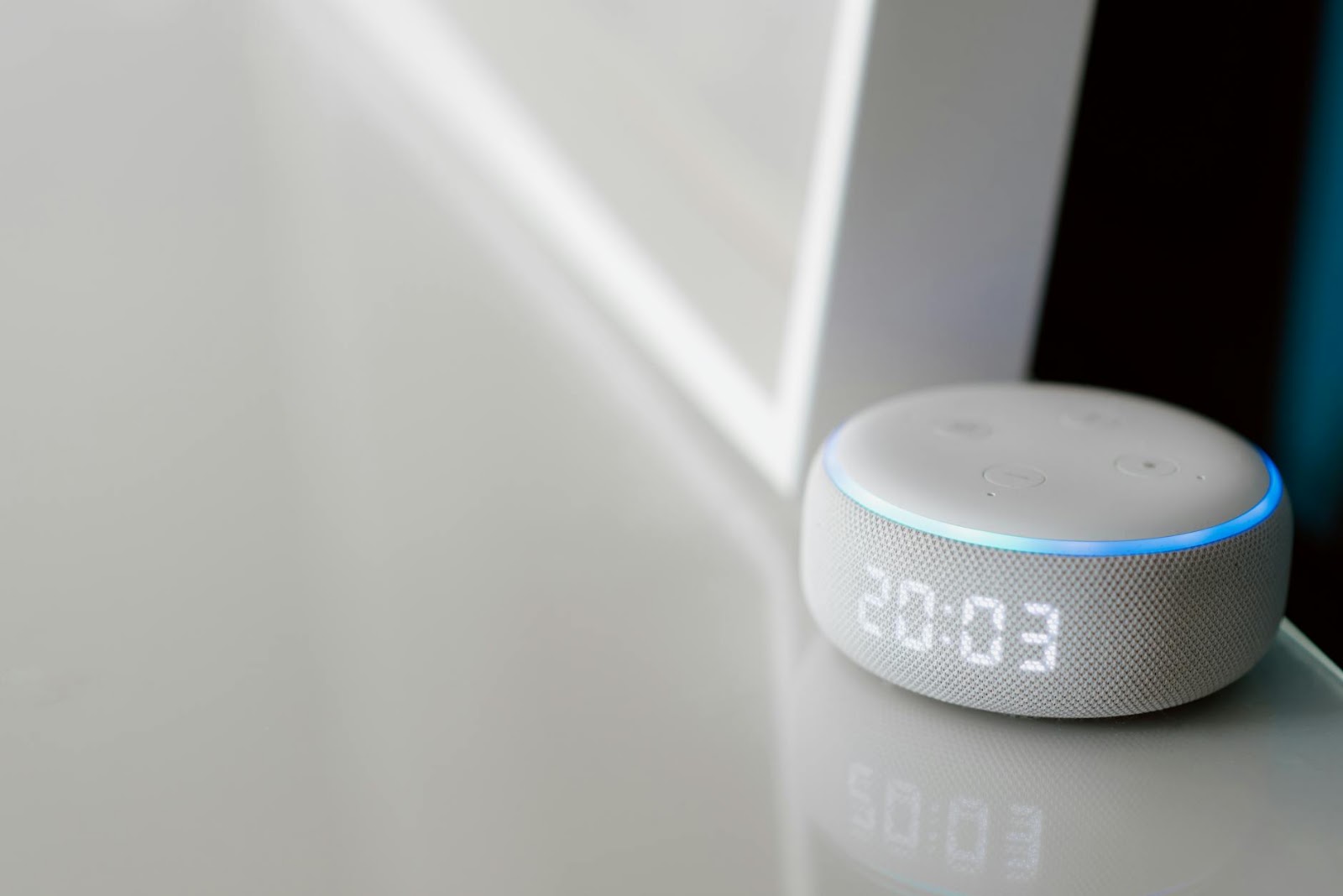 A seamless, glowing AI assistant interface unifying all smart home systems, representing the future of intelligent living.
The AI Maestro Arrives: From Chaos to Symphony
The fragmented era is rapidly drawing to a close, ushered out by a groundbreaking wave of artificial intelligence. The recent announcement by TELUS, unveiling what they claim is the world’s first smart home AI assistant with Generative UI, is more than just a new product launch—it's a paradigm shift. This isn't just another voice assistant responding to commands; it's an intelligent orchestrator designed to unify your entire connected home.
Imagine a single interface, powered by AI, that understands not just your commands, but your routines, preferences, and even anticipates your needs.
This generative UI is the key. Instead of predefined responses, it creates dynamic interactions and controls based on real-time context, learning and adapting to your unique lifestyle. It aims to replace the endless sprawl of single-purpose apps with a coherent, intuitive system that truly makes your home proactive.
This is the difference between a house full of instruments and a symphony conducted by a master.
The market trends for smart home technology, projecting significant growth into 2035, indicate a clear move towards deeper integration and user experience—and AI is the undeniable engine driving this evolution.
Beyond Buttons and Apps: What True Home Intelligence Looks Like
A truly intelligent smart home, powered by AI, operates almost invisibly. It’s a home that learns your morning routine, gently raising blinds, brewing coffee, and adjusting the temperature before your alarm even rings. It detects your presence (thanks to advanced sensors like the newly launched Tapo presence sensor dimmer switch) and dynamically adjusts lighting and climate for optimal comfort and energy efficiency. It’s a home where devices like Xiaomi’s multi-functional smart bathroom heater, combining heating, ventilation, and lighting, don't just exist as standalone units but seamlessly integrate into the broader ecosystem, responding to your AI assistant’s overarching commands.
This isn't about futuristic fantasy; it's about practical, everyday improvements. Energy consumption optimizes itself. Security systems become predictive, not just reactive. Entertainment flows effortlessly from room to room. The aspiration seen in luxurious concepts like the HGTV Smart Home, which showcases peak design and comfort, will become accessible through intelligent AI systems, making high-end automation a reality for more households. This is the promise of unified control, where the entire dwelling acts as a single, responsive entity, adapting to your life rather than demanding constant input.
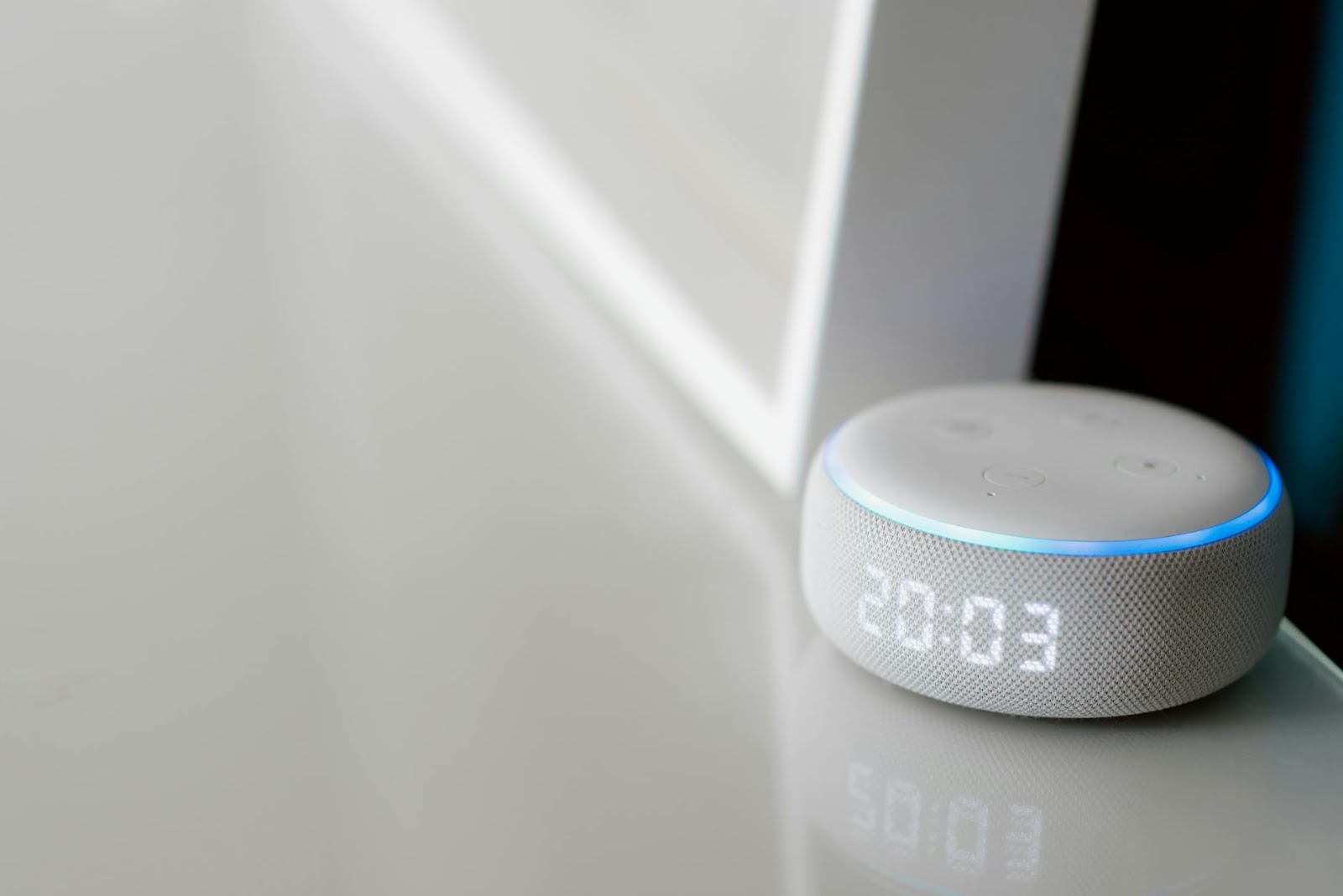 A seamless, glowing AI assistant interface unifying all smart home systems, representing the future of intelligent living.
The Unseen Revolution: Aesthetics, Accessibility, and Ethical Considerations
The arrival of generative AI assistants also silently resolves many design dilemmas. When a single, intelligent interface manages everything, the need for visible, clunky control panels or a multitude of physical devices diminishes. Devices can be truly integrated, or even disappear into the architecture, fulfilling the desire for a less obtrusive smart home. This isn’t just about aesthetics; it's about accessibility, making sophisticated home automation intuitive for everyone, regardless of technical prowess.
Yet, this powerful leap forward isn't without its caveats. As AI becomes the central brain of our homes, questions of data privacy, security, and algorithmic bias grow paramount. Who owns the data generated by your home’s deepest routines? How secure are these unified systems against breaches? These aren't minor footnotes; they are critical considerations that must be addressed as we move from a collection of devices to a truly intelligent, autonomous living space. The convenience of a perfectly orchestrated home must be balanced with robust ethical frameworks and transparent data practices.
 A calm, comfortable living room in a truly smart home, demonstrating effortless automation and comfort.
Are You Ready for the Truly Intelligent Home? A Call to Evolve
The era of fragmented, 'dumb' smart homes is nearing its end. The rise of AI assistants with generative UI marks a pivotal moment, shifting the paradigm from device-centric automation to a truly intelligent, unified living experience. This isn't just an upgrade; it’s an evolution. Your home is no longer just a space; it’s becoming a partner, learning, adapting, and anticipating your needs with an unprecedented level of sophistication. Are you ready to move beyond managing gadgets and embrace the true intelligence your home is capable of? The future of connected living isn't just smart—it's brilliant.
```