
Forget Black Friday. Forget traditional window shopping. The new retail frontier isn't a physical store or even a dedicated e-commerce site; it's right in the palm of your hand, lurking in the endless scroll of your social media feed. In a world where a single TikTok video can empty shelves nationwide and create overnight millionaires, are you truly in control of your purchasing power, or has social commerce become the silent architect of your spending habits?
The Irresistible Force: What is Social Commerce, Really?
Social commerce is often misunderstood as simply seeing ads on Instagram. It's far more insidious and integrated. It’s the seamless, in-app shopping experience where discovery, research, and purchase converge without ever leaving your favorite social platform. Think shoppable posts, live stream product drops, integrated marketplaces within apps, and direct messaging for sales. It leverages the inherent social dynamics – community, trust, recommendations – to turn casual browsing into compulsive buying. Unlike traditional e-commerce, which requires a conscious decision to visit a store, social commerce intercepts you mid-scroll, blurring the lines between entertainment and expenditure. This isn't just about convenience; it's about an entirely new psychological landscape of consumerism.
 An influencer presenting products during a live stream, demonstrating the interactive nature of social commerce.
Psychological Triggers: Why We Can't Stop Clicking 'Buy'.
Why are we so susceptible to the allure of a 'buy now' button on our feeds? The answer lies deep in human psychology, masterfully exploited by platform algorithms and savvy marketers. Fear of Missing Out (FOMO) is paramount: limited stock alerts, flash sales announced by an influencer, or a viral product "selling out everywhere" creates an urgent, irrational desire. Social proof is another colossal driver; when millions of users are raving about a product, complete with glowing reviews and aspirational lifestyle content, our inherent desire to conform and belong kicks in. Then there's the cultivated trust in influencers – individuals who feel like friends, whose recommendations bypass our usual skepticism. Finally, the sheer instant gratification of a one-click purchase, often with pre-filled payment details, dissolves any pause for rational consideration.
These aren't just features; they're behavioral traps designed to turn passive viewers into active consumers.
 An influencer presenting products during a live stream, demonstrating the interactive nature of social commerce.
The Price of Influence: How Trends and Spending are Shaped.
The power of social media to dictate trends is unparalleled. A single dance challenge on TikTok can turn an obscure product into a must-have global phenomenon, driving demand through the roof and, predictably, inflating prices. We saw it with specific beauty products, obscure fashion items, and even niche home decor. This phenomenon creates an artificial scarcity and perceived value, leading consumers to pay a premium. Brands are no longer just selling products; they’re selling participation in a viral moment. The ecosystem is fueled by "unboxing" videos, "haul" reviews, and "get ready with me" content, where every mention is a subtle endorsement, often monetized. This rapid trend cycle means consumers are constantly chasing the next big thing, leading to increased impulse purchases and a higher overall spending velocity on items that might quickly become obsolete.
The Data Goldmine: What Brands Know (and You Don't).
Behind every tempting product suggestion and every perfectly timed ad lies an ocean of data. Social media platforms collect vast amounts of information on our browsing habits, interests, demographics, and even emotional responses to content. This data is then fed into sophisticated AI algorithms that predict our desires before we even consciously recognize them. Brands leverage this hyper-personalization to target specific demographics with uncanny accuracy, presenting products that align perfectly with our perceived needs or aspirations. From retargeting ads that follow us across platforms to predictive analytics that anticipate emerging trends, the level of insight brands have into consumer behavior is unprecedented. This raises crucial questions about privacy, consent, and the ethical boundaries of persuasive marketing in the digital age.
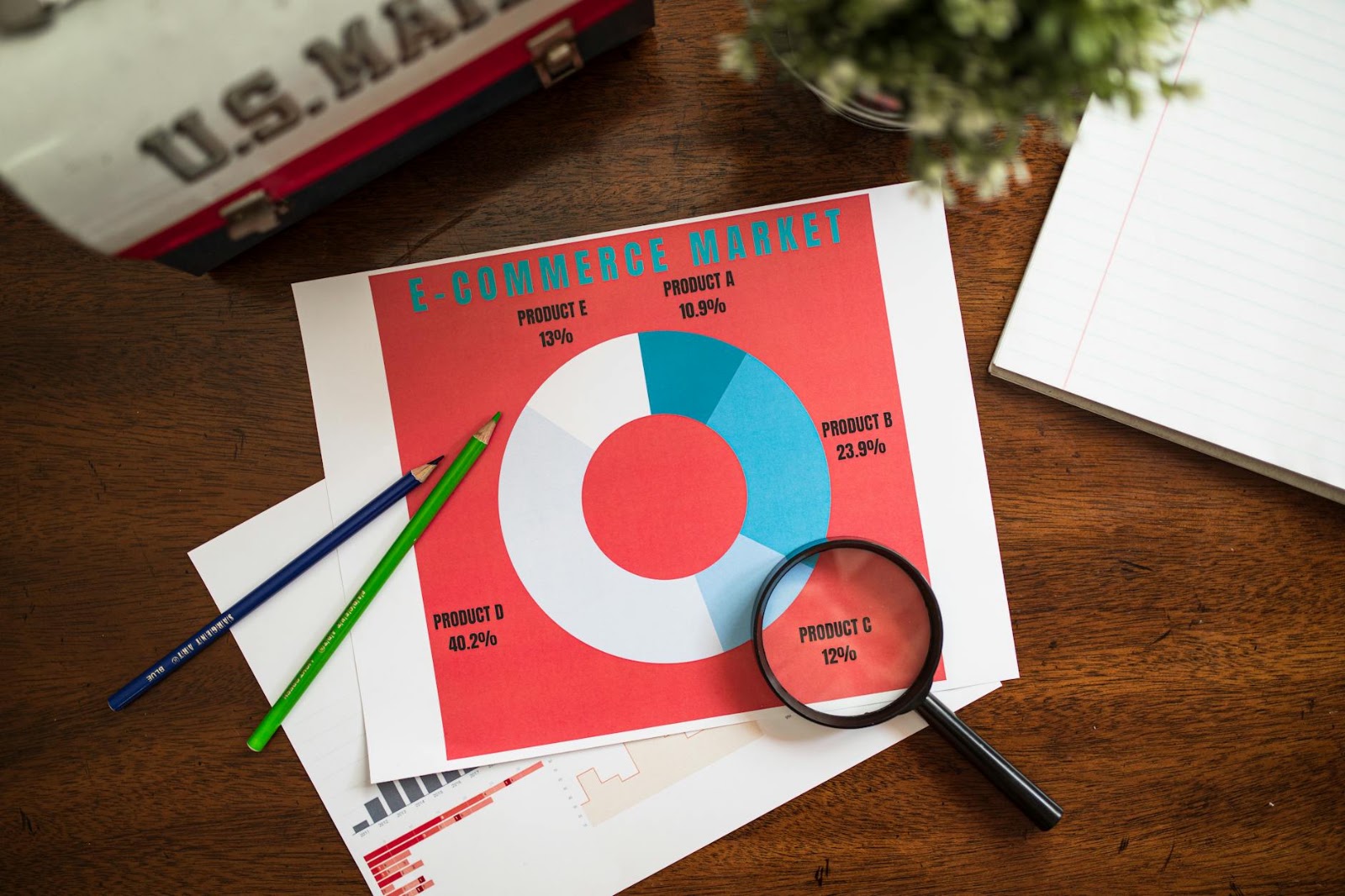 Complex data visualization showing consumer spending analytics influenced by social commerce, highlighting market insights.
Navigating the New Shopping Frontier: A Consumer's Guide.
In this hyper-stimulated environment, how can consumers reclaim their agency? Awareness is the first step. Recognize the psychological triggers at play: the FOMO, the social proof, the influencer trust. Before clicking 'buy,' pause and ask: Is this a genuine need or an impulse fueled by a viral trend? Research beyond the social bubble; compare prices, read independent reviews, and consider the longevity and ethical sourcing of a product. Leverage social media for authentic product discovery, but shift to dedicated e-commerce sites or physical stores for the actual purchase to avoid impulsive in-app buys. Conscious consumption in the age of social commerce trends means being proactive, critical, and discerning, rather than a passive participant in a carefully constructed shopping experience.
Conclusion:
Social commerce isn't just a fleeting trend; it's a fundamental shift in how we discover, desire, and acquire goods. It's a powerful engine driving market trends and influencing individual spending patterns on an unprecedented scale. By understanding its mechanisms, both the psychological hooks and the data-driven precision, we can navigate this new shopping frontier with greater intention. The future of retail is social, immersive, and incredibly persuasive. The question remains: will we be its masters, or merely its most enthusiastic customers?
```