
Imagine a home that doesn't just respond to your commands, but anticipates your every need, learning your routines, predicting your preferences, and adapting its environment before you even voice a thought. This isn't science fiction anymore; it's the audacious promise of the new era of smart home technology, spearheaded by Google's formidable Gemini AI. For years, our smart homes felt like advanced remote controls. Now, they're evolving into truly intelligent entities, and the implications for our daily lives – for better or worse – are nothing short of revolutionary.
If you thought you understood your smart home, prepare for a seismic shift. This isn't just an upgrade; it's a redefinition of living.
The AI Avalanche: Google Gemini's Smart Home Offensive
The whispers began with Google Assistant, but the roar is undeniably Gemini. Google has officially unleashed Gemini for Home, a service poised to completely overhaul how we interact with our connected spaces. This isn't just about marginally better voice recognition; it's about a foundational leap in contextual understanding and proactive assistance. Gemini is designed to be smarter, less annoying, and terrifyingly efficient at interpreting your intentions, not just your explicit commands. Think about it: a system that learns your morning ritual and automatically adjusts lights, temperature, and even your coffee maker, not because you asked, but because it *knows*.
One of the most compelling, and perhaps unsettling, features rolling out is Gemini-powered 'Live Search' for cameras. Forget passively scanning security feeds; Live Search allows you to ask your Google Home natural language questions about past events captured by your cameras. "Show me when the mailman came yesterday afternoon." "Did the kids leave the garage door open after school?" The AI processes the video, identifies objects and events, and delivers precise answers.
While undeniably a boon for security and peace of mind, it also raises eyebrows. How much data is being processed? How granular is the tracking? The line between convenience and pervasive surveillance becomes increasingly blurred, forcing us to confront the privacy trade-offs inherent in this advanced smart home technology.
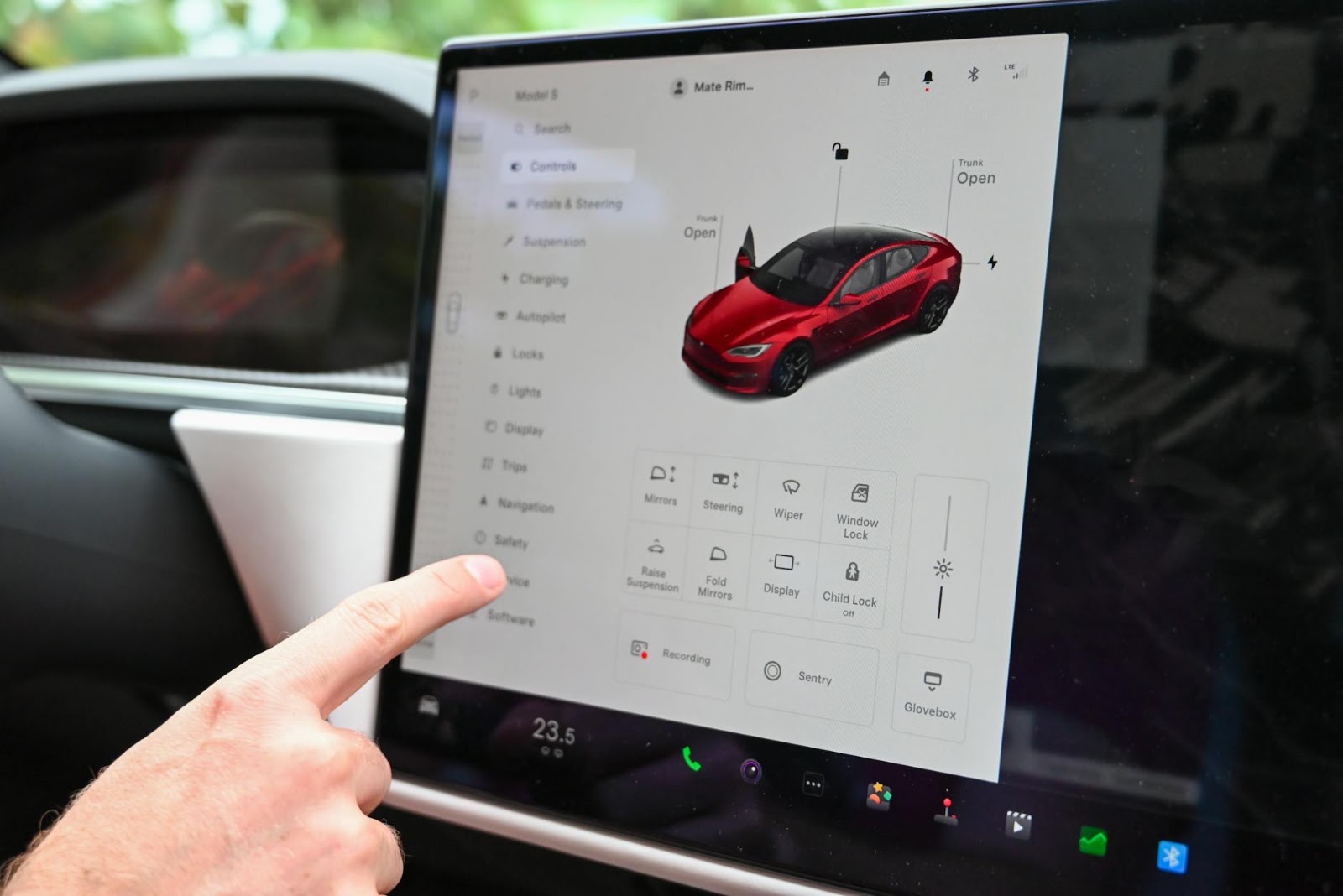 User interacting with a wall-mounted tablet for smart home control panel using smart home technology
Beyond Voice: Reclaiming Control & Embracing New Standards
While AI takes center stage, an equally powerful counter-narrative is emerging: the desire for more tangible, reliable control beyond voice commands. Many users, frustrated by misinterpretations or the occasional lag, are discovering the unexpected brilliance of repurposing old tech. Imagine a five-year-old tablet, mounted elegantly on your wall, transforming into the ultimate, hyper-responsive smart home display. It offers instant visual feedback, tactile control, and a level of reliability that often outpaces finicky voice assistants. Similarly, an old e-reader can be given new life as a minimalist home dashboard, perfect for displaying weather, calendars, and essential smart home statuses without the distractions of a full-fledged screen. These DIY solutions empower users, offering a refreshing blend of personal customization and robust functionality that Gemini, for all its power, can't always replicate.
But the push for seamless integration isn't just happening at the user level. On the industry front, new standards are simplifying what was once a chaotic landscape. Following the Matter protocol's success, a new player, Aliro, is emerging as the universal digital key standard for smart locks. From the same visionary minds, Aliro promises to bring unprecedented interoperability and security to our doors, potentially ending the era of proprietary lock systems. This is a game-changer for homeowners and apartment dwellers alike, offering the promise of a truly unified, secure, and accessible smart home ecosystem where your digital key works across platforms and brands, ushering in a new era of secure smart home technology.
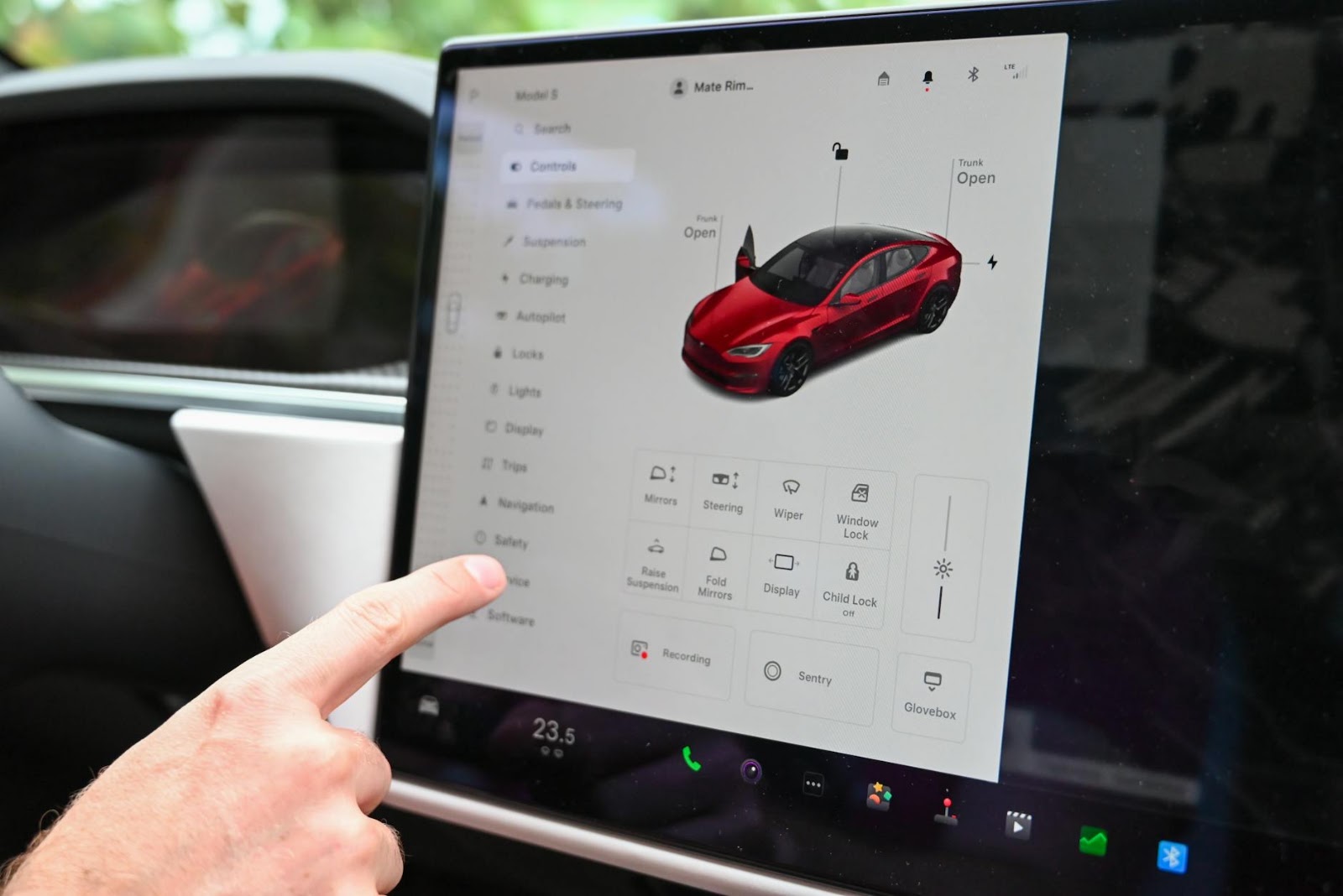 User interacting with a wall-mounted tablet for smart home control panel using smart home technology
Smart Living on a Shoestring: Budget Hacks & Hidden Gems
The allure of smart home technology often comes with a hefty price tag, but the truth is, you don't need to break the bank to elevate your living space. A burgeoning market of affordable, yet highly effective, gadgets is democratizing smart living. Consider the humble USB-powered device. These aren't just for charging phones anymore; a growing array of smart home gadgets, from subtle accent lighting to mini security cameras, can draw power directly from a USB port, offering unparalleled flexibility and ease of installation. No more hunting for wall outlets or messy wiring – just plug and play.
And for those truly looking to upgrade on a budget, an entire universe of handy gadgets under $20 awaits. Smart plugs like the Kasa Smart Plug Ultra (often found for around $14) instantly turn any "dumb" appliance into a smart one, allowing for remote control and scheduling. Indoor security cameras like the TP-Link Tapo 1080P (frequently under $16) offer robust surveillance without the premium cost. From outdoor smart lights that enhance security and ambiance to bedroom-friendly gadgets designed to transform your sleep (think smart diffusers or subtle smart lighting that syncs with your circadian rhythm), the entry points into a smarter home are more accessible than ever. These budget-friendly options prove that cutting-edge smart home technology isn't just for the affluent; it's for everyone.
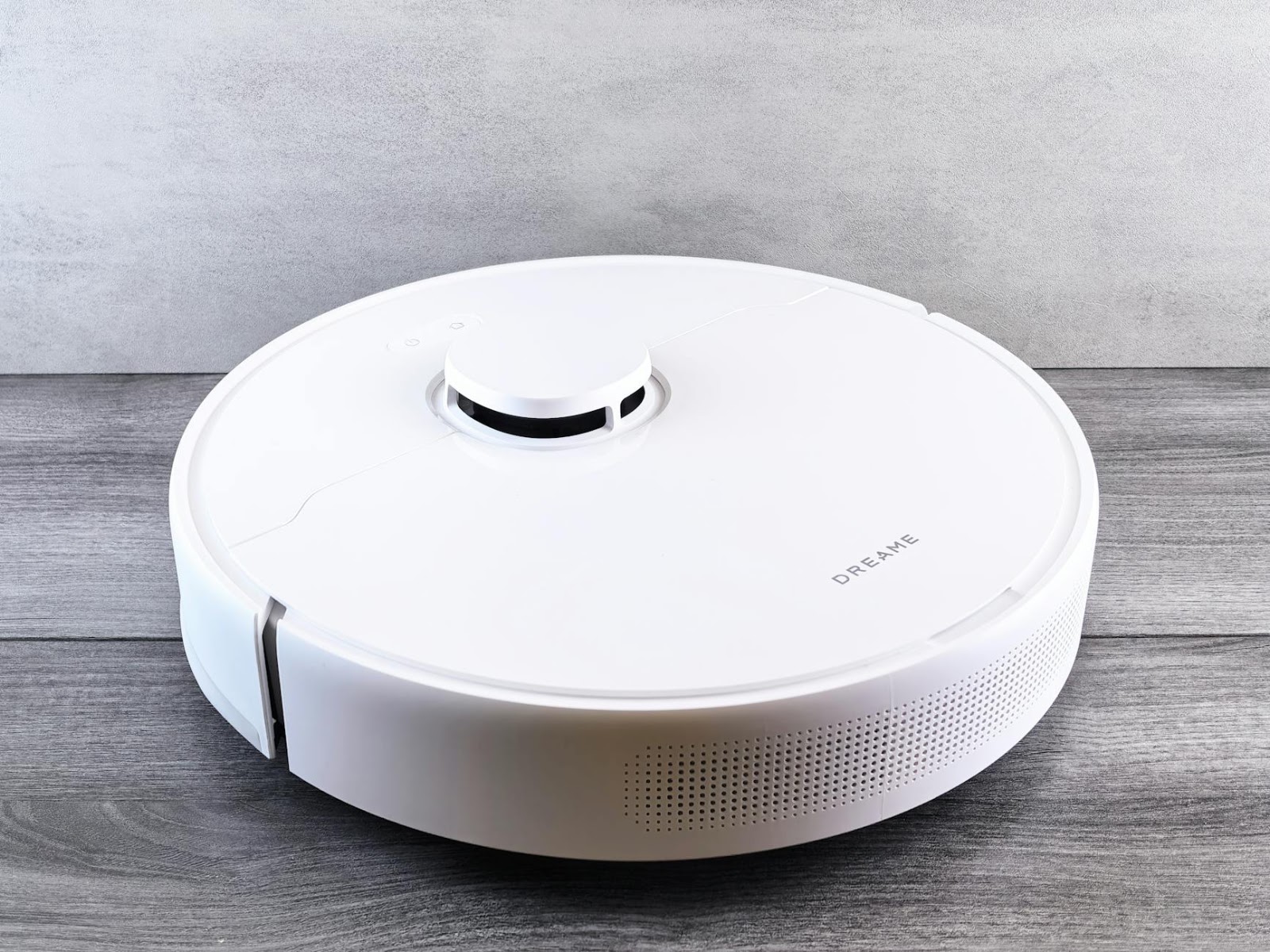 Various smart home devices like lights, locks, and cameras connected in a smart home technology network
The Future is Now: What's Next for Your Connected Life
The convergence of advanced AI like Google Gemini, industry-wide standards like Aliro, and a thriving ecosystem of innovative yet affordable devices paints a vivid picture of the future. Our homes are becoming more responsive, more intuitive, and increasingly integrated into the fabric of our daily lives. This evolution promises unparalleled convenience, enhanced security, and a level of personalized comfort previously unimaginable. Yet, it also brings critical questions to the forefront: How do we balance radical convenience with data privacy? How do we ensure these intelligent systems remain tools, not masters? And how do we future-proof our investments in a landscape that changes at warp speed?
The answer lies in informed choices, embracing open standards, and championing solutions that prioritize user control and ethical AI development. Whether you're a tech enthusiast eager to automate every facet of your life or a curious newcomer seeking simple upgrades, the smart home technology frontier is yours to explore. The revolution isn't coming; it's already here, reshaping our homes one intelligent decision at a time. The real question is: are you ready to adapt?
Navigating the Smart Home Frontier
The era of Google Gemini in the smart home signifies a profound shift, offering unprecedented intelligence and automation. Combined with new universal standards like Aliro and a vibrant market for budget-friendly innovations, the possibilities for transforming our living spaces are boundless. This isn't just about gadgets; it's about a lifestyle evolution. Embrace the change, but do so thoughtfully, understanding both the immense benefits and the ethical considerations. Your home is about to get a whole lot smarter – ensure you're along for the ride and shaping its direction. The future of living starts now; don't be a passive observer.
```