
Forget Cupid's arrow. Today, your perfect match might be crafted by a sophisticated algorithm, painstakingly interviewing you, analyzing your quirks, and even learning your deepest desires before presenting 'the one.' The era of AI-powered social and dating apps isn't just a futuristic fantasy; it's here, fundamentally reshaping how we seek connection, love, and even friendship. But as we hand over the reins of our hearts to artificial intelligence, are we truly optimizing for romance, or are we inadvertently building ourselves a gilded cage of algorithmic affection?
The perennial struggle of modern dating—the endless swiping, the superficial profiles, the crushing disappointment of 'swipe fatigue'—has found a new, high-tech champion in AI. Major platforms and innovative startups alike are rolling out features designed to cure dating burnout, promising not just more matches, but better matches. Imagine an 'agentic AI' that conducts in-depth interviews, delving beyond surface-level preferences to identify 'similarity and reciprocity of personality' (The Guardian), selecting limited, high-quality prospects. This isn't just about finding someone who likes your favorite band; it's about algorithmic soul-searching.
New players like 222 are raising millions to expand their relationship tech, aiming to help people not just find love, but also 'maintain relationships' (Business Insider). Even established giants like Tinder are testing AI recommendations and using insights from your camera roll for more intelligent matching, while Mashable highlights apps introducing 'Chemistry' features that utilize interactive quizzes to cut through the noise. The vision is seductive: a world where compatibility isn't left to chance, but engineered for perfection, making dating efficient, effective, and perhaps, finally, painless.
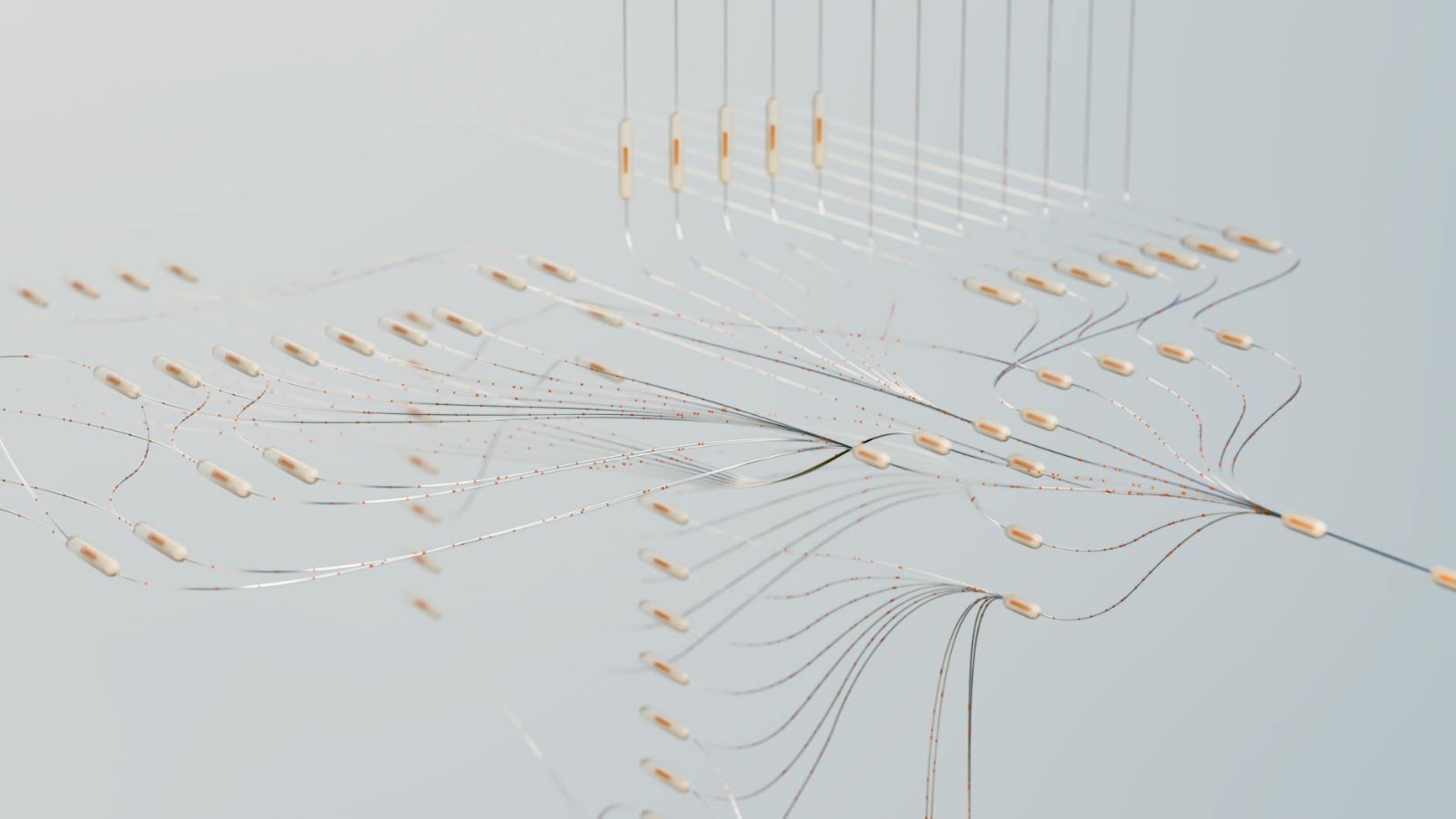 A solitary individual gazing at their phone, surrounded by a complex network of AI dating app algorithms, highlighting isolation.
Yet, this algorithmic utopia comes with a gnawing unease. As The Guardian's Van Badham provocatively puts it, when the 'most profound human emotion becomes an automated transaction in an online shop, the techlords have won.' This isn't just a philosophical qualm; it's a rapidly emerging reality.
"When the 'most profound human emotion becomes an automated transaction in an online shop, the techlords have won.'"
— Van Badham, The Guardian
The Washington Post asks a chilling question: "What happens when you remove the humans from human connection?" The answer, for many, is a landscape riddled with 'robot-like' messages and profiles crafted by AI, leading to suspicion and a further erosion of trust (CBC News).
"What happens when you remove the humans from human connection?"
— The Washington Post
Consider the societal ripples. The New York Times reports that in China, where the government grapples with a historically low birthrate, people are increasingly finding romance with chatbots instead of human partners. While this highlights a different cultural context, it underscores a universal truth: the allure of a 'perfect', always-available, non-judgemental digital companion can be powerful, perhaps dangerously so. When the messy, unpredictable, and often difficult aspects of human relationships are scrubbed away by algorithms, what essential part of our humanity do we lose?
The trend isn't limited to apps. In a development that blurs the lines between virtual and reality, Fox News reported on an 'AI dating cafe' in New York where guests brought virtual partners on tablets for candlelit conversations. Is this a harmless novelty, a new form of entertainment, or a disturbing glimpse into a future where simulated companionship becomes a viable, perhaps even preferred, alternative to genuine human interaction? The very idea challenges our understanding of what constitutes a 'date' or a 'relationship,' pushing us into an 'uncanny valley' of romance.
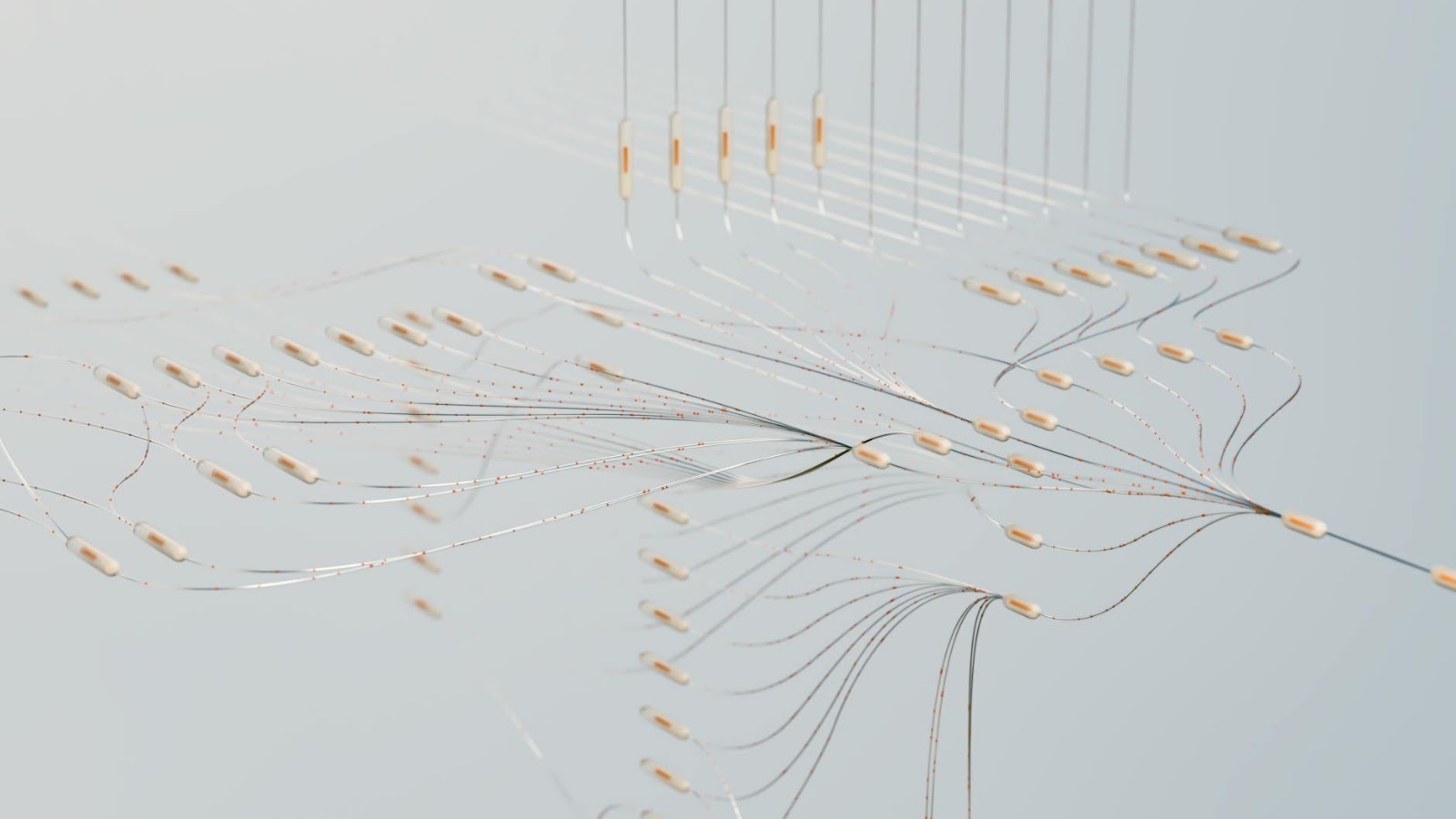 A solitary individual gazing at their phone, surrounded by a complex network of AI dating app algorithms, highlighting isolation.
The relentless pursuit of 'perfection' and 'efficiency' in romance through AI risks flattening the very experiences that make love profound. True connection often blossoms from imperfection, from navigating misunderstandings, from the vulnerability of showing our authentic selves, flaws and all. The serendipitous encounter, the unexpected spark, the growth that comes from overcoming challenges together—these are the messy, unpredictable elements that AI, by its very nature, seeks to streamline or even eliminate. By optimizing away the 'friction' in dating, are we also optimizing away the depth, the character-building struggles, and ultimately, the unique joy that comes from truly earning a connection?
The danger isn't that AI will make dating impossible, but that it will make it impersonal. It risks turning the quest for a soulmate into a consumer transaction, where partners are vetted like products on an assembly line. While AI can certainly act as a powerful filter, reducing 'swipe fatigue' by presenting more relevant matches, the ultimate alchemy of love still requires human effort, empathy, and the courage to be vulnerable beyond what any algorithm can predict or quantify.
So, how do we navigate this brave new world of AI love? The key lies in leveraging these tools wisely, without letting them dictate our perception of connection. Use AI dating apps to broaden your reach or refine your initial matches, but always prioritize real-world interactions. Be acutely aware of the 'robot' messaging and profile generation; demand authenticity from your matches, and offer it in return. Understand that an algorithm can only process data points; it cannot replicate the complex emotional intelligence, the shared laughter, the silent understanding that forms the bedrock of a lasting human bond. Don't outsource your intuition or your heart completely.
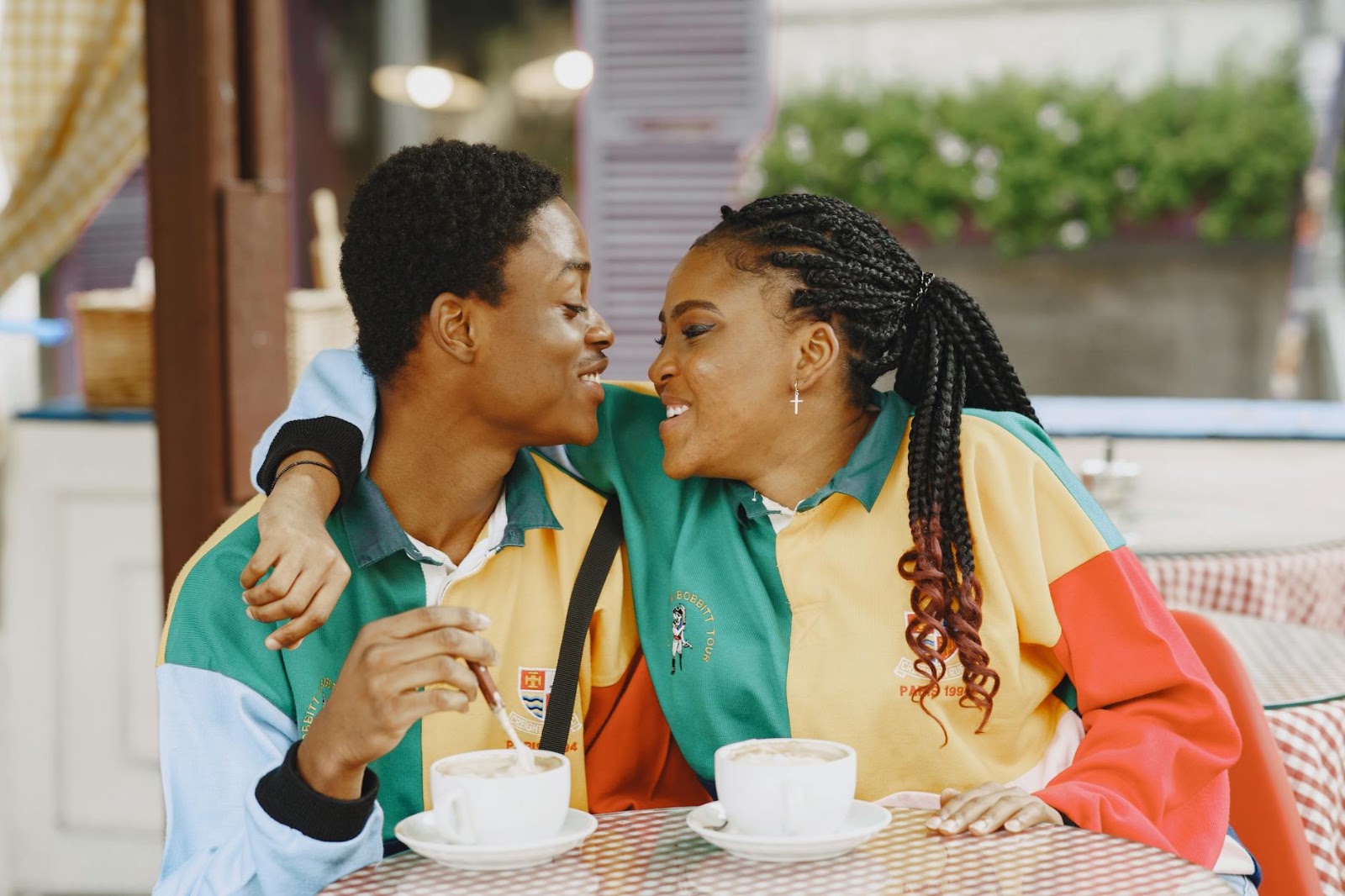 Two people having an authentic human connection in a bustling coffee shop, a stark contrast to the rise of AI dating apps.
The AI love revolution presents a fascinating dichotomy. On one hand, it promises an end to the frustrating lottery of online dating, offering tailored connections and reduced heartache. On the other, it threatens to sanitize romance, commodify emotion, and potentially diminish the very human essence of finding and fostering love. The question isn't whether AI dating apps will succeed; they already are. The crucial question for humanity is, at what cost? Are we building a future where algorithms deliver our perfect partner, or one where we’re increasingly imprisoned by digital proxies, losing touch with the messy, beautiful, undeniably human heart of romance?
```