
Forget retail therapy; welcome to retail thriller.
The era of live social media shopping trends isn't just about convenience; it's a complex dance of psychology, algorithms, and market forces that are, quite frankly, making your wallet sweat.
Your social media feed, once a playground for friends and memes, has transformed into a high-stakes marketplace where prices fluctuate faster than trending topics. As we hurtle towards 2025 and beyond, understanding why your social shopping cart is getting heavier isn't just smart; it's essential for survival in this new retail frontier.
We've all been there: scrolling idly, only to be captivated by a live stream showcasing irresistible products, often with a ticking clock or a "limited stock" alert. What feels like an engaging, spontaneous purchase is often a meticulously engineered experience designed to drive demand – and increasingly, to justify higher prices.
The Social Commerce Tsunami: More Than Just a Scroll
The meteoric rise of social commerce is undeniable. Platforms like TikTok Shop, Instagram Shopping, and Facebook Marketplace have moved beyond mere product discovery; they've become full-fledged transactional ecosystems. This isn't just about brands pushing products; it's about building communities, fostering immediate engagement, and leveraging the power of authentic (or seemingly authentic) peer recommendations. Social media marketing statistics for 2025 predict exponential growth in engagement rates and ROI from these channels, signaling a monumental shift in consumer behavior. The ability to ask questions, see products in action, and make instant purchases without leaving the app has created an unprecedented level of buying friction removal.
But this convenience comes at a cost, often literally. The instantaneous nature of live sales, coupled with the inherent virality of social platforms, creates an environment ripe for dynamic pricing strategies. What you see isn't always what you get, and what you pay today might be drastically different from what someone else pays tomorrow. This real-time market update is a constant, shifting landscape, making live social media shopping trends a fascinating, albeit sometimes frustrating, area of analysis.
Decoding the Price Puzzle: Why Your Cart Costs More Now
So, why the price surge? It's not a single culprit but a confluence of factors, each leveraging the unique dynamics of social commerce:
1. The Scarcity & FOMO Economy
Live drops, limited-time offers, and flash sales are the bread and butter of social shopping. This creates intense demand, triggering fear of missing out (FOMO) and encouraging impulse buying. When millions are watching a single stream, and inventory is announced as "low," perceived scarcity can artificially inflate prices or prevent discounts that might exist in traditional retail. It’s a classic supply-and-demand squeeze played out in real-time.
2. The Influencer Premium & Engagement Metrics
Influencers are the new retail gatekeepers. Their endorsement carries significant weight, and brands are willing to pay for it – often baking these costs into the final product price. Beyond direct payment, the sheer volume of engagement (likes, comments, shares) generated during a live stream can be a powerful metric, signaling to brands that their product is hot. This digital buzz translates into real-world value, justifying premium social commerce pricing.
3. Algorithmic Personalization & Dynamic Pricing
Your social media feed is a treasure trove of data about your browsing habits, preferences, and even your income bracket. Brands leverage sophisticated shopper behavior analysis tools to understand buying motivations. This allows for hyper-personalized offers and, more subtly, dynamic pricing. The price you see might not be the price your friend sees, optimized based on your perceived willingness to pay. This isn't just about discounts; it's about maximizing revenue per user, making live social media shopping trends a data scientist's dream and a consumer's enigma.
4. The Ripple Effect of Global Market Dynamics
While not always directly visible on your social feed, broader market conditions can subtly influence prices. Global economic news, supply chain disruptions, or even shifts in raw material costs – as seen in analyses of market shortages impacting industries like smartphones and PCs – can have a downstream effect. A brand sourcing materials from a region experiencing volatility may have to pass those costs onto the consumer, even for an item sold live on TikTok.
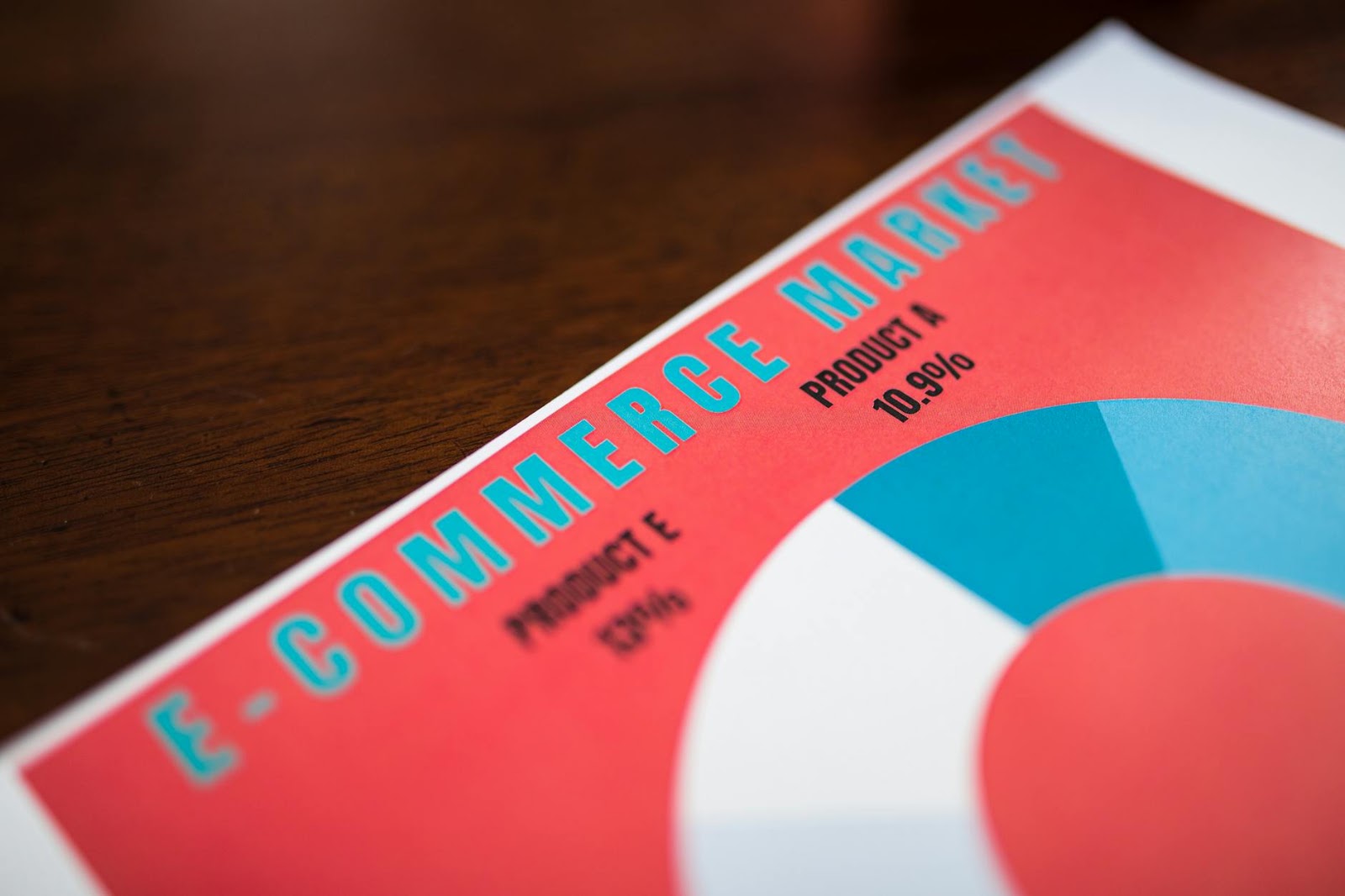 A sharp upward spike on an e-commerce price chart, illustrating the rising costs in live social media shopping trends analysis.
5. Platform Fees & Logistics
Running a live social shopping operation isn't free. Platforms charge fees, payment gateways take a cut, and the logistics of rapid fulfillment for often viral-level demand add significant overheads. These operational costs are, inevitably, factored into the retail price. It’s a sophisticated e-commerce market update happening in real-time, dictating the underlying cost structure.
The Psychology of Impulse: You're Not Just Buying a Product, You're Buying an Experience
At its core, live social media shopping trends tap into primal human psychology. It’s entertainment, community, and commerce all rolled into one. The live chat creates a sense of collective excitement and validation. The host's charisma builds trust and excitement. This immersive experience makes consumers more susceptible to emotional buying, often overriding rational price comparison. The perceived value of being part of a live event, getting a "limited" item, or interacting directly with a brand or influencer, often outweighs the actual monetary value of the product itself. This isn't just about buying; it's about belonging.
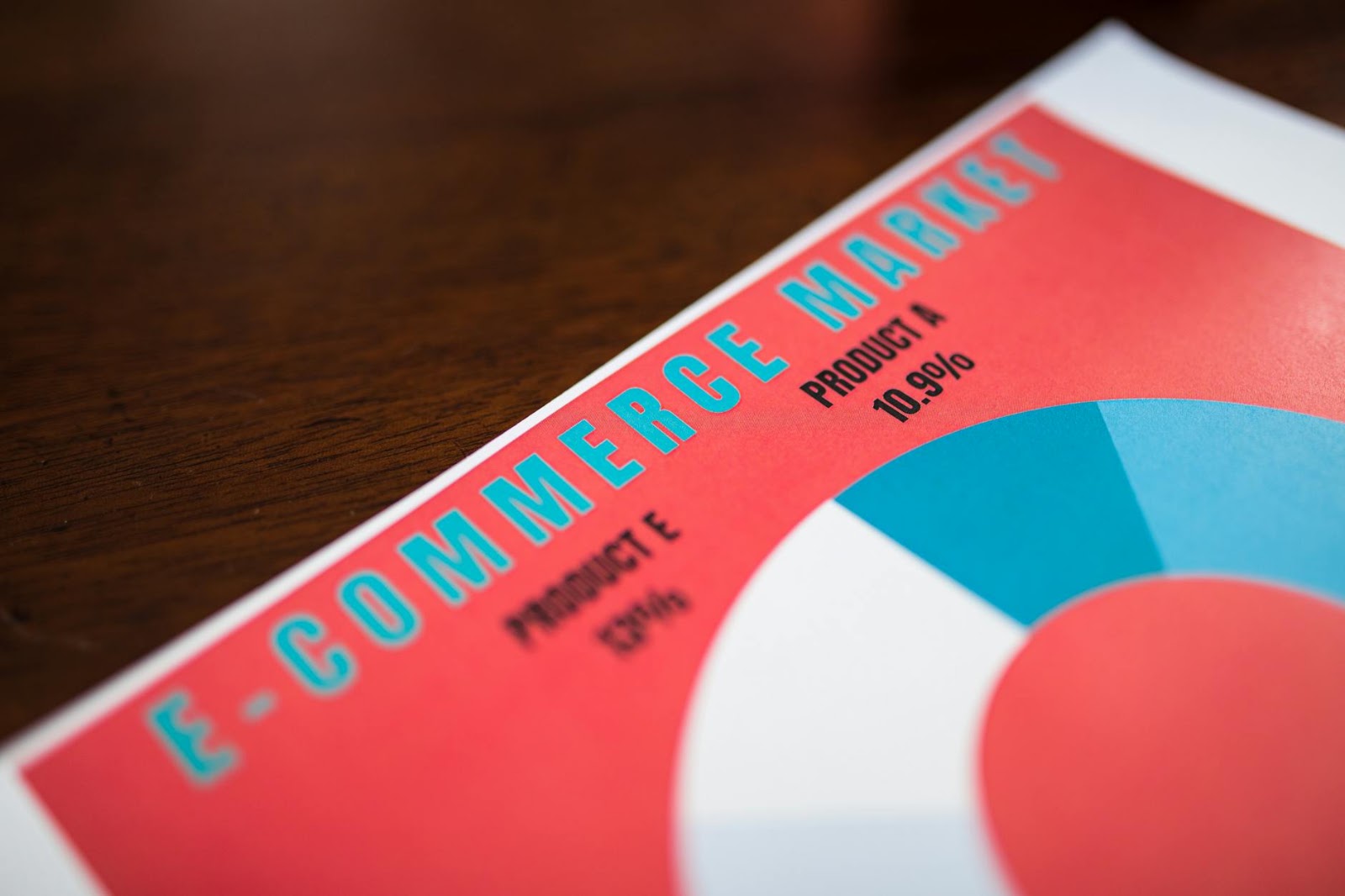 A sharp upward spike on an e-commerce price chart, illustrating the rising costs in live social media shopping trends analysis.
Navigating the New Retail Frontier: Strategies for the Savvy Shopper
Don't let the algorithms win without a fight. Here's how to master your buying strategy amidst these volatile live social media shopping trends:
- Price Check, Always: Before hitting "buy now," do a quick search. Is the product available cheaper elsewhere? Is this truly a "live-only" deal?
- Recognize the Triggers: Understand FOMO tactics, scarcity alerts, and influencer hype. Separate genuine urgency from manufactured pressure.
- Set a Budget (and Stick to It): It's easy to get swept up. Decide what you're willing to spend before you join a live stream.
- Read Reviews Beyond the Live Chat: While live comments are engaging, seek out independent reviews and product information offline.
- Question the "Limited Edition" Tag: Many brands cycle through "limited drops." If you miss one, a similar or better version might appear soon.
For brands, transparency and ethical pricing will be paramount to building long-term trust. As the market matures, consumers will become savvier, and those who prioritize authentic connection over predatory pricing will ultimately win.
2025 and Beyond: The Future of Live Social Shopping Prices
The landscape of live social media shopping trends is still evolving. We can anticipate even greater integration of AI for hyper-personalization, potentially leading to even more nuanced dynamic pricing. The line between entertainment and commerce will continue to blur, with shopping becoming an even more integral part of the social media experience. Regulatory bodies may also start to scrutinize the ethics of dynamic pricing and data usage in these live environments, pushing for greater transparency.
 A discerning shopper comparing various product prices online, representing smart decision-making amidst live social media shopping trends.
Ultimately, the power shifts back to the informed consumer. Understanding the hidden forces driving prices, recognizing the psychological triggers, and adopting savvy buying strategies are no longer optional. The future of retail is live, social, and undeniably dynamic. Understanding the forces at play isn't just about saving a few dollars; it's about reclaiming agency in a marketplace designed for instant gratification. The retail revolution is here, and only the informed will truly thrive.
```