
Every morning, millions wake up and utter the magic words: “Hey Google, turn on the lights,” or “Alexa, what’s the weather?” We bask in the glow of instant obedience, convinced we live in a smart home. But what if I told you that, for most of us, our ‘smart’ homes are actually just highly trained butlers? They follow commands, but they rarely think.
The truth is, we’ve barely scratched the surface of what a truly intelligent home can be. We’re often seduced by the latest shiny gadget, forgetting that true smartness isn't about how many devices you own, but how seamlessly and proactively they work together to enrich your life, save you money, and protect your privacy. This isn’t a critique of your smart speaker; it’s a radical re-evaluation of what 'smart' truly means, pushing beyond the basic automations to the sophisticated, secure, and self-optimizing residences that are emerging right now, laying the groundwork for 2026.
The Illusion of Intelligence: Why Your Smart Home is Just a Good Butler
Think about it. You tell your smart thermostat to adjust the temperature. You command your smart lights to dim. These are reactive actions. They require your input. While convenient, this isn't intelligence; it's advanced remote control.
A truly smart home would know your preferences, anticipate your needs, and act without being asked.
It would learn your schedule, monitor local energy prices, and adjust lighting and climate proactively to save you money and enhance comfort, even predicting when you're about to arrive home.
The market is flooded with gadgets, from smart plugs that simply add a layer of control to existing appliances, to entire ecosystems promising seamless integration. But without a coherent strategy, your home quickly becomes a disjointed collection of obedient servants rather than a truly intelligent entity. This 'gadget-grab' mentality often leads to frustration, compatibility headaches, and a missed opportunity for genuine innovation. We're often paying a premium for convenience, not for true smartness.
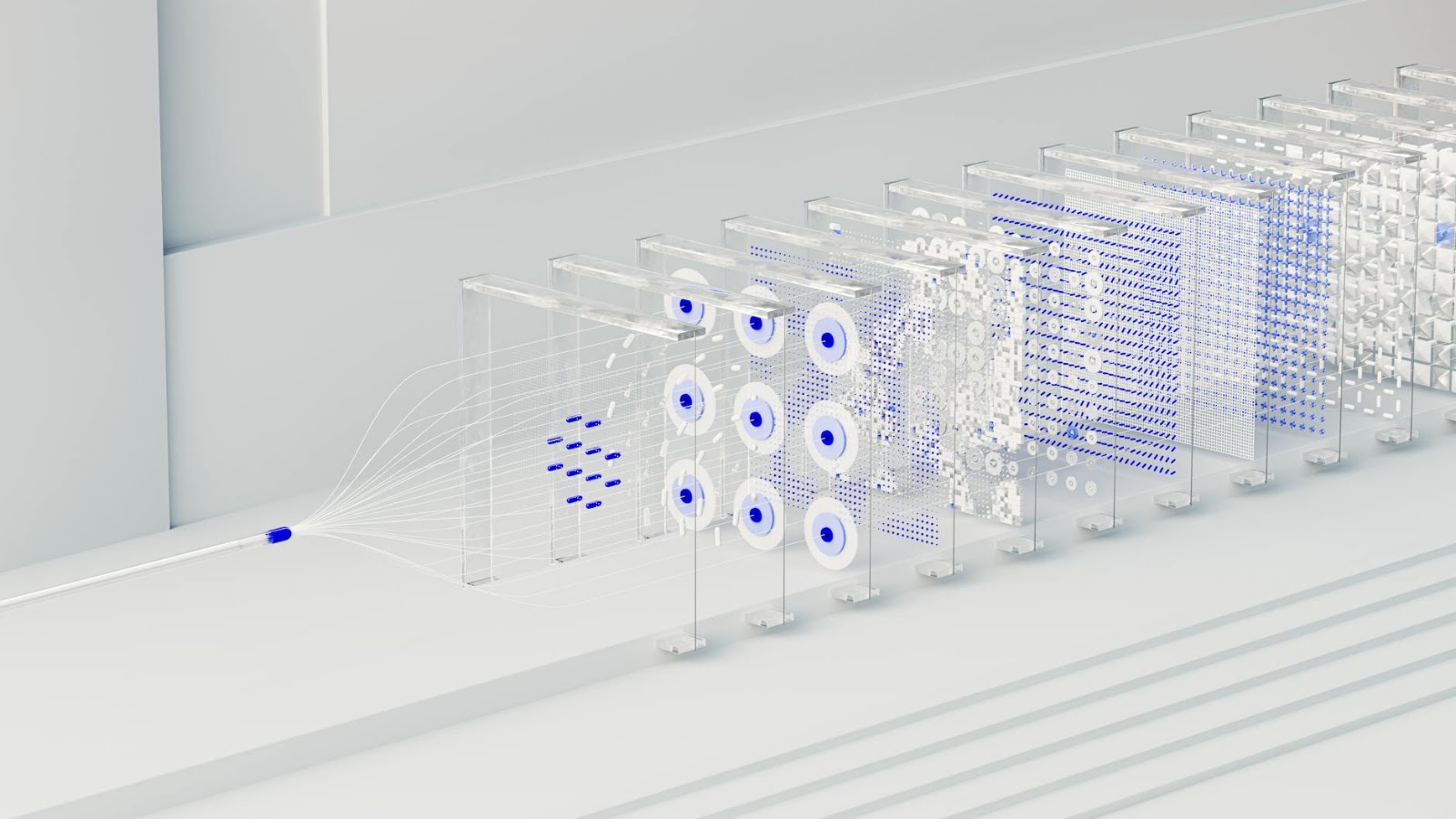 A visual representation of network segmentation, depicting secure smart home devices separated from main network.
Beyond the Gadget-Grab: Real Smart Home Value in 2026
The smart home landscape is evolving rapidly, and by 2026, the definition of 'essential' will have shifted dramatically. We're moving away from mere connectivity towards predictive intelligence. Devices won't just respond; they'll anticipate. Consider the potential of a revived old Android phone, transformed into a Home Assistant satellite. This isn't just a budget hack; it’s an example of how existing tech can be repurposed to create powerful, custom voice assistants far more capable than off-the-shelf smart speakers, offering deep integration and bespoke automation workflows.
Beyond DIY projects, new generations of sensors and AI-driven hubs will be key. Imagine motion sensors that differentiate between pets and people, or door sensors that can tell if a package has arrived. Essential smart home gadgets for 2026 will prioritize interoperability (hello, Matter!), energy efficiency, and predictive analytics. Smart irrigation systems, for instance, won't just water on a schedule; they'll use hyper-local weather data and soil moisture sensors to optimize water usage, saving both resources and money. These are the tools that shift your home from reactive to proactive, providing genuine, measurable value.
The Unseen Fortress: Why Your Smart Home Security is a Myth (and How to Fix It)
Here’s a provocative truth: many of you have built incredible smart home setups, flashing custom firmware and pairing dozens of devices, but you've utterly neglected the foundational security layer. This oversight turns your connected haven into a potential digital vulnerability.
I'm talking about network segmentation – the smart home security step nobody talks about, yet is absolutely critical for E-E-A-T (Expertise, Authoritativeness, Trustworthiness) in your home network.
Most smart devices are built for convenience, not Fort Knox-level security. A single compromised smart bulb or camera could give an attacker a backdoor into your entire network, exposing everything from your banking details to your personal photos. Network segmentation involves creating separate, isolated networks for your smart devices (IoT VLAN) and your sensitive data devices (computers, phones). This means even if a smart gadget is breached, the attacker is contained within a sandbox, unable to access your personal data. Implementing this isn't just good practice; it's non-negotiable for serious smart home enthusiasts. This expert-level insight often differentiates a truly secure smart home from a merely connected one.
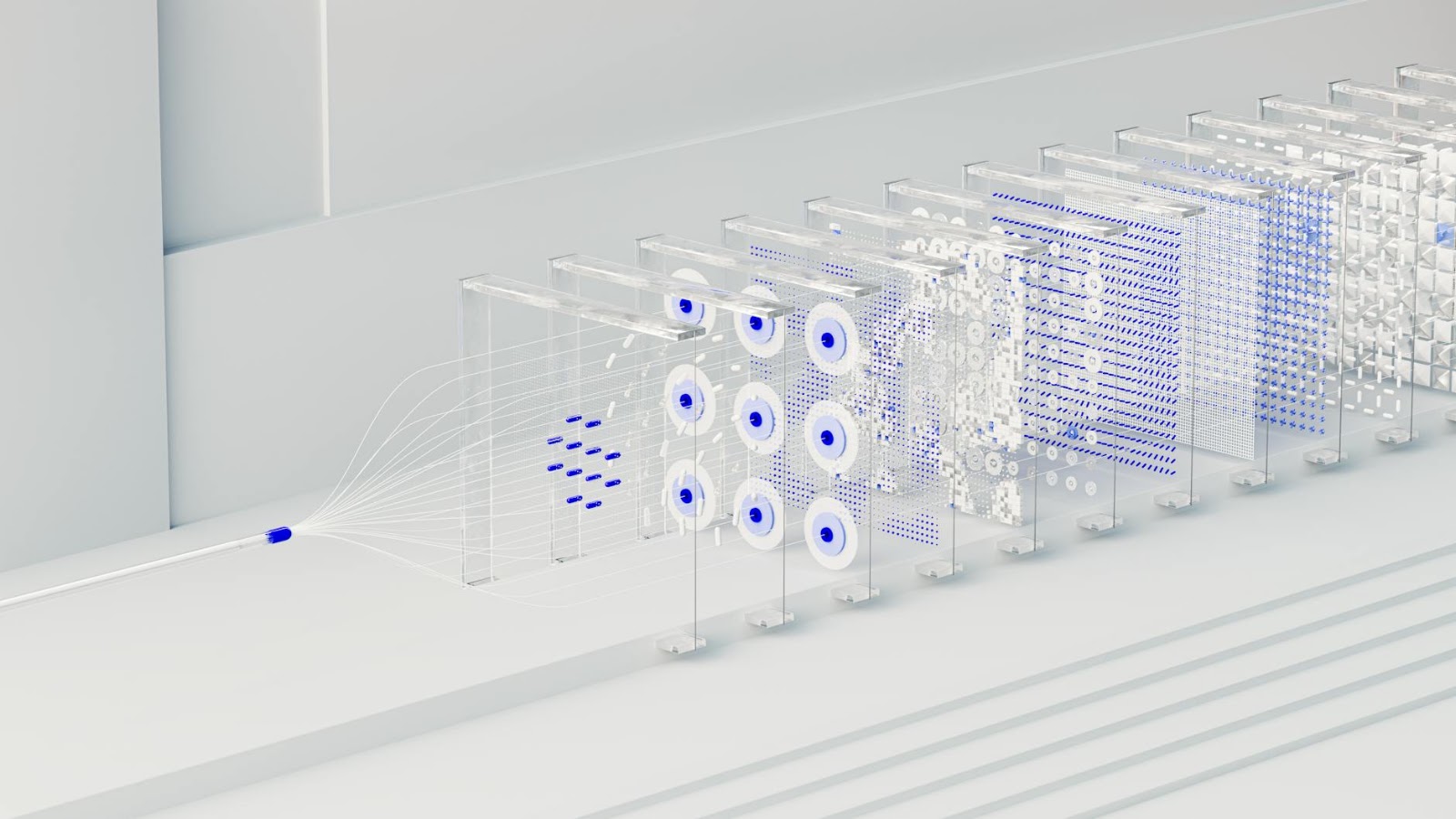 A visual representation of network segmentation, depicting secure smart home devices separated from main network.
The Automation Equation: Where Smart Homes Truly Save You Money (and Headaches)
While security is paramount, the tangible benefits of a truly smart home often come down to automation and efficiency. The promise of money-saving smart home automations isn't a pipe dream; it's a reality for those who set them up intelligently. Consider routines that automatically turn off lights and adjust thermostats when no one is home, or smart blinds that close during peak sun hours to reduce AC load. These aren't just energy-savers; they're convenience enhancers that pay for themselves.
Smart plugs, often overlooked as basic, are the super cheap smart home upgrade that actually made many lives easier. They allow you to add 'smartness' to 'dumb' appliances, enabling schedules, remote control, and integration into broader routines. Similarly, integrating outdoor smart accessories like water timers (controlled via HomeKit or other ecosystems) means you're not just watering your lawn; you're automating it based on real-world conditions, preventing waste and ensuring a healthier garden. This granular control, fueled by strategic automation, is where the real economic and lifestyle benefits of a smart home truly manifest.
Ecosystems, AI, and the Future: What's Next for True Home Intelligence
The future of the smart home isn't just more gadgets; it's about deeper integration and proactive AI. Apple's AI home strategy, for example, signals a move towards devices that understand context and user behavior on an unprecedented level. Imagine your home predicting your commute and pre-cooling your car, or knowing you're about to cook and automatically adjusting ventilation and lighting.
Powerful platforms like Home Assistant, with its robust trigger-action automation workflows, are already empowering tinkerers to build these sophisticated, personalized experiences. This isn't about buying a luxurious smart home with a wine cellar and steam room, though such properties showcase the ultimate potential. It's about bringing that level of bespoke, proactive intelligence to every home, making advanced features accessible. By 2026, the confluence of AI, enhanced sensor technology, and universal interoperability protocols will create homes that don't just respond to commands, but actively contribute to your well-being, efficiency, and security without constant intervention.
 A futuristic depiction of a fully integrated smart home ecosystem with advanced AI and seamless control.
Unlocking Your Home's Genius: A Call to Action
It's time to move past the superficial notion of a 'smart home' being merely a collection of connected devices. The real power lies in thoughtful integration, robust security measures like network segmentation, and leveraging AI for truly proactive automation. Don't settle for a home that just listens; demand one that thinks, anticipates, and protects.
Start by auditing your current setup: where are the vulnerabilities? What automations could save you time or money without you lifting a finger? Embrace platforms that offer deep customization and interoperability. The truly intelligent smart home isn't a distant futuristic dream; it’s being built now, by those who dare to look beyond the basic commands and demand more from their technology. Are you ready to unlock your home’s true genius?
```