
The financial world is abuzz with the promise of Artificial Intelligence, a future where algorithms predict the next market surge or catastrophic crash with uncanny accuracy. Yet, a recent headline from Morningstar delivered a sobering truth:
"AI Can Do Many Things. Market Analysis Isn’t One of Them (Yet)."
This bold statement clashes with the narrative of AI as an all-seeing oracle, forcing us to ask: If AI can't truly analyze markets, why are its advancements causing such unprecedented price volatility across nearly every sector, from silicon valleys to digital currencies?
This isn't just about the price of AI technology itself skyrocketing; it's about the seismic, often unpredictable, shifts AI is triggering within the markets it supposedly struggles to comprehend. The disconnect is profound: while AI might not possess the human intuition to foresee a geopolitical crisis or a sudden shift in consumer sentiment, its very existence and evolution are undeniable market forces. We're witnessing an era where the shadow of AI's capabilities is creating more waves than its direct predictions. Ignore this paradox at your portfolio's peril.
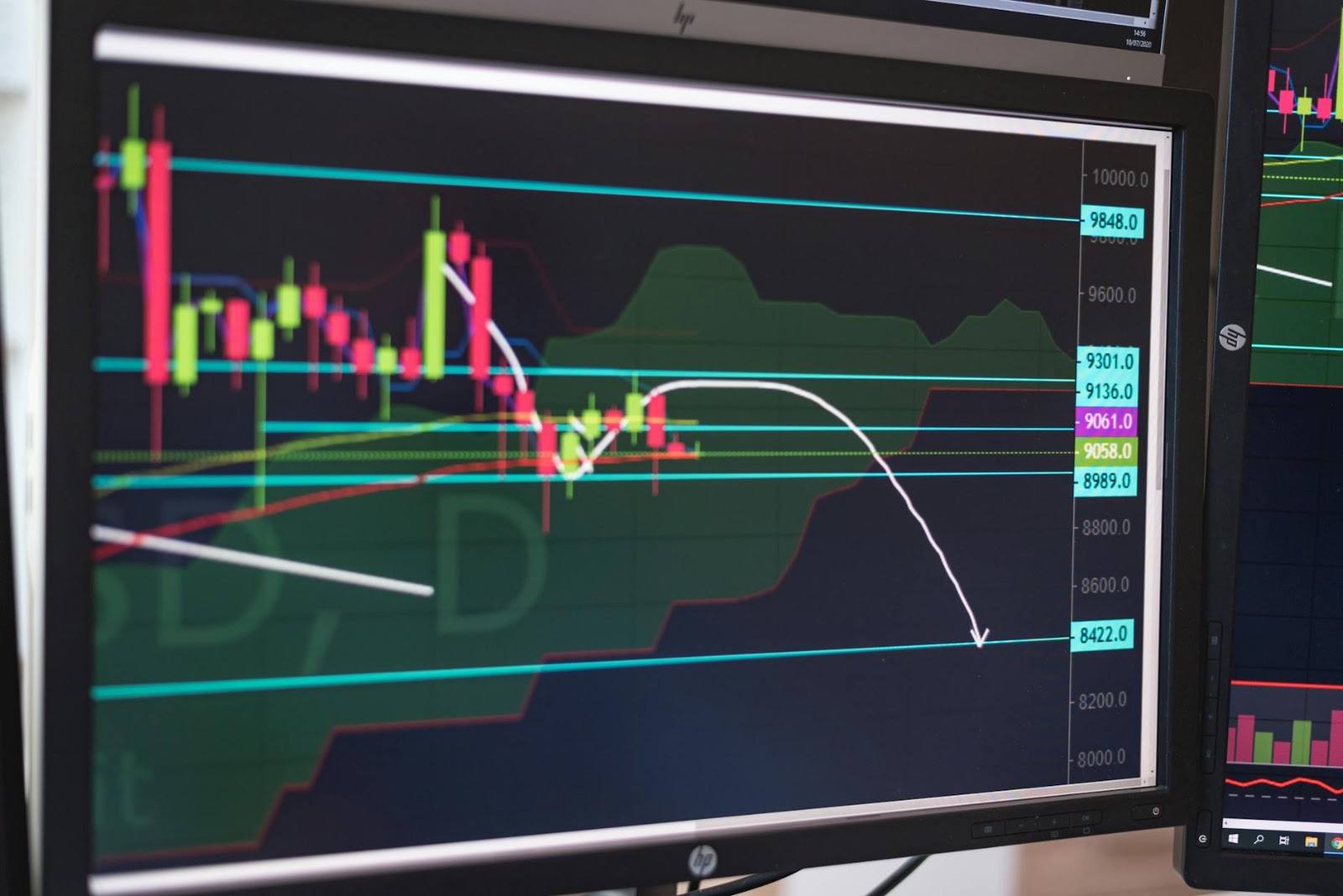 Volatile stock market graph showing rapid price increases driven by AI advancements.
The Illusion of Omni-Intelligence: Where AI Falls Short in Direct Market Prediction
Let’s be brutally honest: for all its computational prowess, current AI struggles with the messy, irrational, and fundamentally human elements that drive market behavior. AI thrives on patterns in historical data, on quantifiable metrics. But markets are also a reflection of fear, greed, speculative bubbles, and unforeseen 'black swan' events that have no historical precedent. A model trained on past data will struggle to predict the next pandemic, a sudden regulatory crackdown, or the ripple effects of an Elon Musk tweet.
As the Morningstar piece subtly hints, AI models can crunch numbers faster than any human, identifying correlations and anomalies at lightning speed. They can optimize trading strategies based on micro-price movements. But true 'market analysis' often requires understanding narratives, deciphering political rhetoric, assessing the sentiment behind a corporate earnings call, or even gauging the psychological tipping point of investor confidence. These are qualitative, nuanced challenges that remain largely outside the grasp of even the most sophisticated deep learning models.
The notion that AI will simply 'solve' market prediction is a dangerous oversimplification, a fantasy perpetuated more by Silicon Valley hype than by cold, hard financial reality.
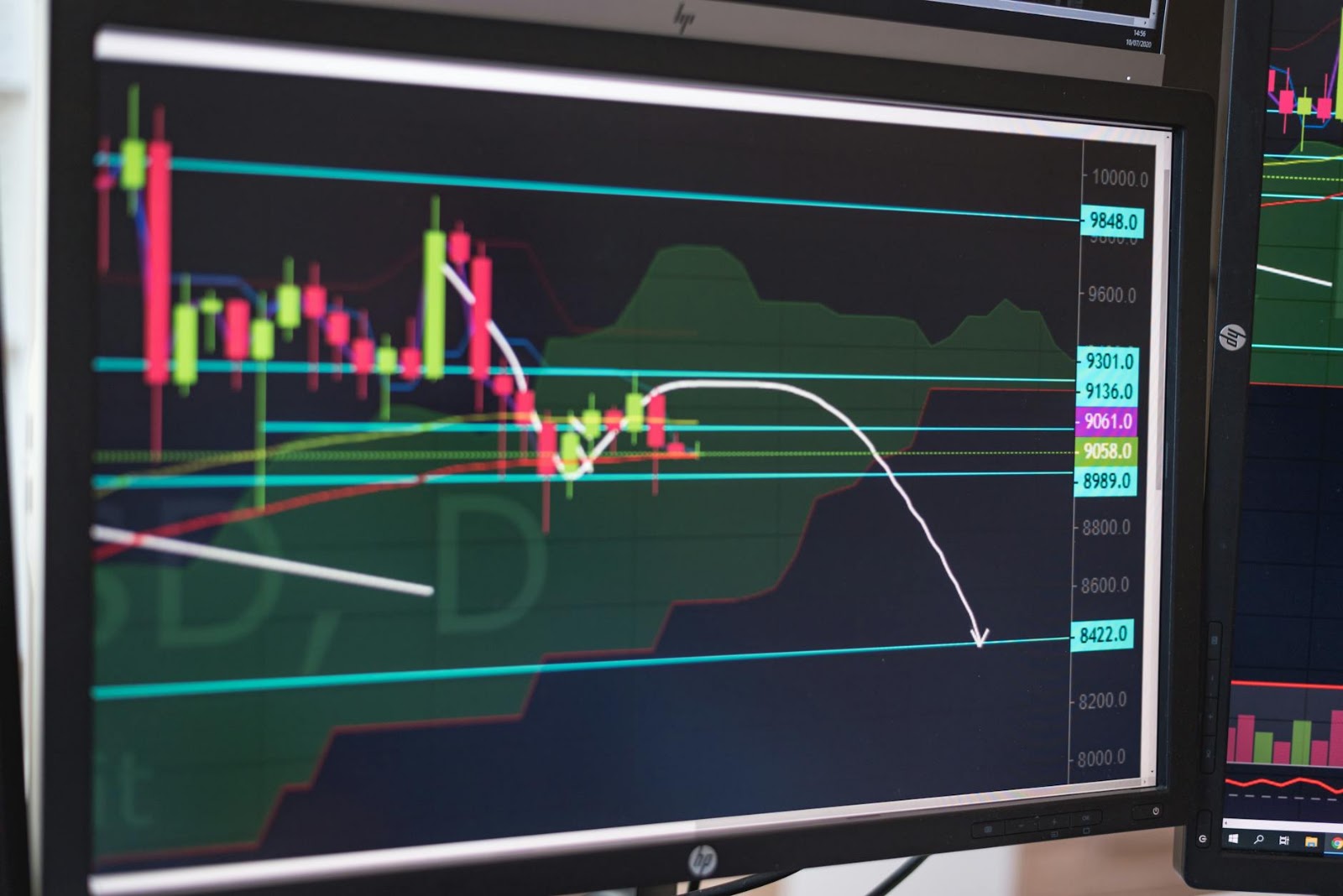 Volatile stock market graph showing rapid price increases driven by AI advancements.
The Real Impact: How AI Advancements Are Indirectly Fueling Price Volatility
Despite its limitations in intuitive analysis, AI’s very existence, its relentless advancements, and the capital pouring into its development are undoubtedly driving market volatility and creating astonishing price trends. This isn't a direct analytical causality; it's a powerful indirect effect, a self-fulfilling prophecy fueled by investment and innovation.
Consider the raw material for AI: semiconductors. Companies like Nvidia have seen their valuations skyrocket, not because AI perfectly predicted their growth, but because AI demands their chips. This isn't traditional market analysis; it's a supply-side shock driven by unprecedented technological hunger. The price increases in these foundational technologies ripple outwards, affecting everything from cloud computing costs to the very energy consumption of data centers, which in turn impacts utility stocks. It's a chain reaction of capital reallocation, all predicated on the belief in AI's future.
Beyond hardware, the massive investment rounds into AI startups, the fierce competition for AI talent, and the rapid deployment of AI solutions across industries are creating new winners and losers overnight. Stock prices of companies perceived to be 'AI-ready' or 'AI-integrated' can surge or plummet based on the slightest whisper of a new partnership or a perceived technological edge. This speculative fervor, driven by the narrative of AI, is a primary reason for the latest AI advancements' unpredictable price increases and market shifts. It’s not AI predicting, it’s AI influencing the prediction.
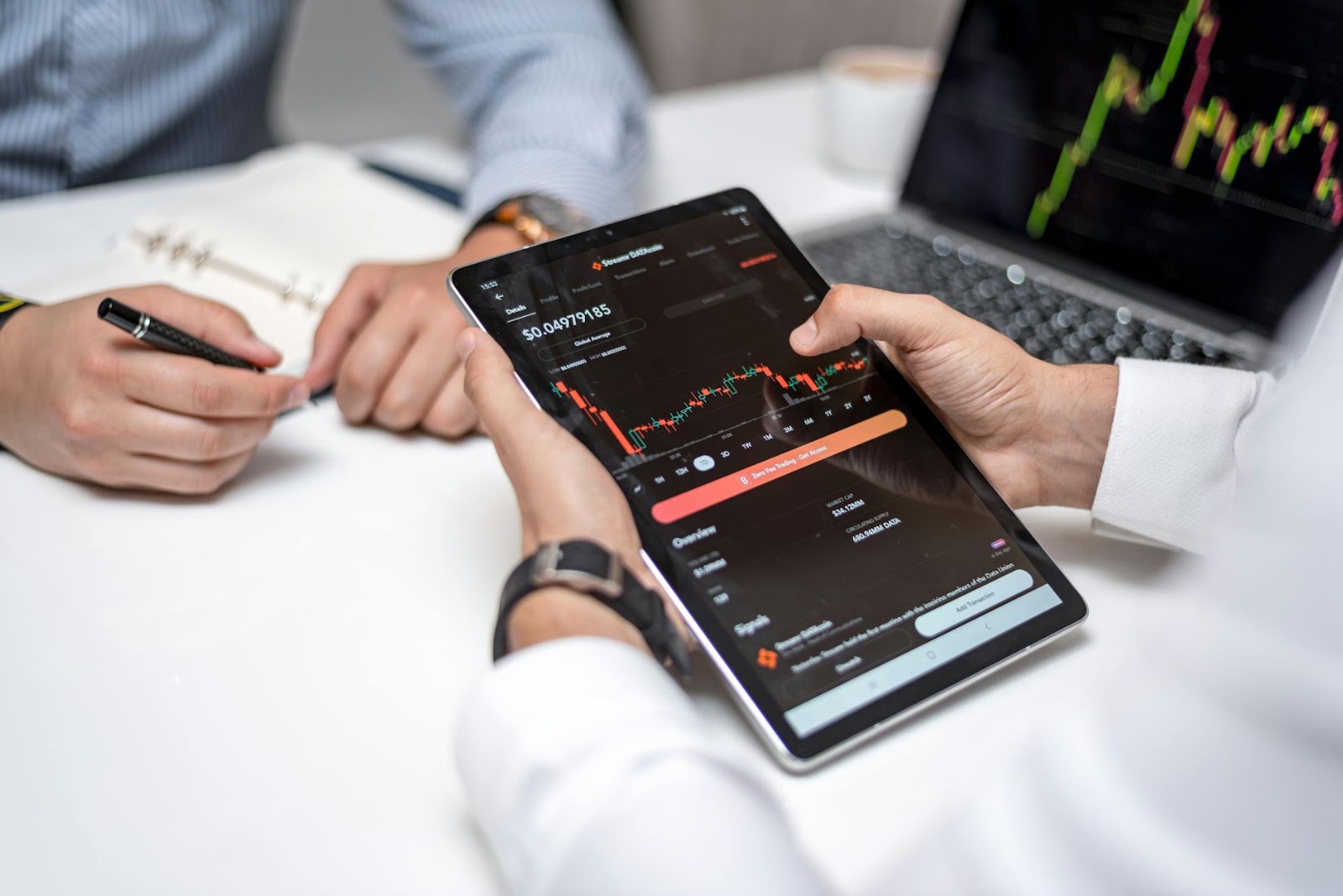 Human expert collaborating with AI market analysis tools for strategic investment.
Cryptocurrency: The Ultimate AI Barometer?
Perhaps nowhere is the indirect influence of AI more apparent than in the hyper-speculative world of cryptocurrency. Recent crypto market updates consistently show digital assets like Ethereum (ETH), Bitcoin (BTC), XRP, and ADA experiencing significant price rebounds. While factors like macro correlation, ETF inflows, and derivatives positioning are cited, an underlying, often unspoken, catalyst is the pervasive AI narrative.
Cryptocurrency markets thrive on innovation, disruption, and the promise of future technology. AI, with its revolutionary potential, provides a powerful narrative hook.
Investors, seeking the 'next big thing,' often conflate AI's rise with the potential for blockchain and decentralized AI projects. This creates a feedback loop: AI hype drives interest in tech-forward assets, including crypto, which then sees price increases based on speculative inflows rather than fundamental shifts in AI's direct market analysis capabilities. Ethereum's struggle towards a $2K breakout, as per recent analysis, isn't just about its own network strength; it's inextricably linked to the broader tech narrative where AI looms large. The digital asset market becomes a barometer for how capital flows into innovative, albeit often speculative, technological frontiers. The 'reasons for increase' in crypto are often amplified by the AI fervor, whether directly related or not.
Beyond the Algorithms: Navigating the AI-Driven Market Landscape
So, if AI isn't the perfect market analyst, what does this mean for investors and market participants? It means we must critically distinguish between AI as a tool for analysis and AI as a force shaping the market. The latest AI advancements aren't just changing how businesses operate; they're fundamentally altering the underlying dynamics of supply, demand, and investor sentiment.
Navigating this new landscape requires more than just following AI-generated trading signals. It demands a deep understanding of the macroeconomic consequences of AI development—its energy footprint, its demand for specialized talent, its geopolitical implications, and its capacity to disrupt established industries. It also means recognizing the power of narrative; the story of AI's inevitable triumph often outpaces the reality, creating bubbles and opportunities that require human discernment to truly capitalize on.
True E-E-A-T (Experience, Expertise, Authoritativeness, Trustworthiness) in this era means acknowledging AI's power while understanding its blind spots. It means leveraging AI for data processing but never abdicating human judgment for strategic decision-making.
The future of market analysis isn't about AI replacing humans; it's about humans intelligently collaborating with AI, understanding its strengths, mitigating its weaknesses, and, crucially, recognizing its profound indirect influence. We must learn to read not just the market's data, but also the market's reaction to AI. Because whether AI can perfectly predict the market or not, its advancements are undeniably, and often unpredictably, determining its future prices and direction.
The Future isn't Just AI; It's AI *and You*
The market isn't just a collection of numbers; it's a living, breathing entity influenced by technology, psychology, and innovation. The latest AI advancements are a formidable part of this equation, driving price analysis into new, uncharted territories.
To thrive, we must evolve beyond simplistic expectations of AI. We must embrace its power to analyze vast datasets, but always anchor our decisions in a human understanding of the broader economic and social currents that AI, for now, can only indirectly shape. The true winners in this AI-driven era will be those who master the art of integrating machine intelligence with human insight, transforming volatility from a threat into an opportunity.
The market isn't waiting for AI to give it permission to change; AI is the change. Are you ready to lead, or just be led by the algorithms?```