
The AI gold rush is on, and the headlines scream about unprecedented valuations and world-changing breakthroughs. Yet, beneath the glittering surface of investor enthusiasm and tech evangelism lies a far more nuanced reality: a stark divide between the demonstrable, practical AI applications delivering tangible value and the speculative hype that often outruns current capabilities. We're witnessing a tale of two AIs, and understanding the difference is crucial for anyone navigating this transformative era.
Consider the paradox: on one hand, specific AI solutions are quietly generating billions, transforming legacy industries with surgical precision. On the other, the grander promises of Artificial General Intelligence (AGI) often stumble when confronted with the messy, unpredictable realities of human systems. This isn't a dismissal of AI's ultimate potential, but a critical look at its present state – separating the signal from the noise, the substance from the marketing.
The Quiet Conquerors: Where Practical AI Applications Are Dominating
While public discourse often fixates on self-driving cars or conversational bots, the true revolution is happening in less glamorous, yet immensely impactful, sectors. Take AI-powered contract analysis software, for example. This isn't science fiction; it's a mature, robust technology already reshaping legal, financial, and corporate operations worldwide.
The market for AI-Powered Contract Analysis Software is projected to hit a staggering USD 18 billion by 2035, boasting a healthy CAGR of 24%.
Why such phenomenal growth?
The answer lies in its ability to solve a clearly defined, high-friction problem with unmatched efficiency and accuracy. Manual contract review is laborious, prone to human error, and incredibly time-consuming. AI systems can sift through thousands of pages of legal text, identify key clauses, flag anomalies, assess risks, and ensure compliance in a fraction of the time. This isn't just an incremental improvement; it's a seismic shift in productivity and risk management. It frees up highly skilled professionals from mundane tasks, allowing them to focus on strategic insights and complex negotiations. This sector perfectly embodies the power of narrow AI – specialized algorithms designed to excel at a particular task, delivering quantifiable ROI.
 Complex financial market data charts with chaotic lines, illustrating the challenges and AI limitations in market analysis.
This isn't just about speed; it's about consistency and insight. AI can detect patterns and risks that might elude a human reviewer, ensuring a more thorough and objective analysis. It’s a testament to how targeted, practical AI applications are not just augmenting human capabilities but creating entirely new efficiencies that were previously unimaginable.
The Elephant in the Room: Where AI's Hype Outruns Its Horsepower
Contrast the focused success of contract analysis with the broader, often exaggerated claims made about AI's capabilities in areas requiring deep contextual understanding and predictive foresight. While AI can analyze vast datasets, its ability to truly comprehend and react to complex, emergent phenomena – particularly those driven by human behavior and geopolitical shifts – remains severely limited.
Morningstar's blunt assessment, "AI Can Do Many Things. Market Analysis Isn’t One of Them (Yet)," delivered after a significant software selloff that AI models seemed "unaware of," hits at this inconvenient truth.
Real-world market analysis isn't merely about pattern recognition in historical data. It involves interpreting macroeconomic reports, company earnings, geopolitical tensions, consumer sentiment shifts, and even the irrational exuberance or panic of human investors. These factors are fluid, often defy logical prediction, and require a level of common sense, intuition, and understanding of causality that current AI simply doesn't possess. An AI might identify correlations, but it struggles with causation and the unpredictable "black swan" events that frequently rock markets. It operates within the parameters of its training data, and when the world deviates wildly from those patterns, AI can be left utterly bewildered.
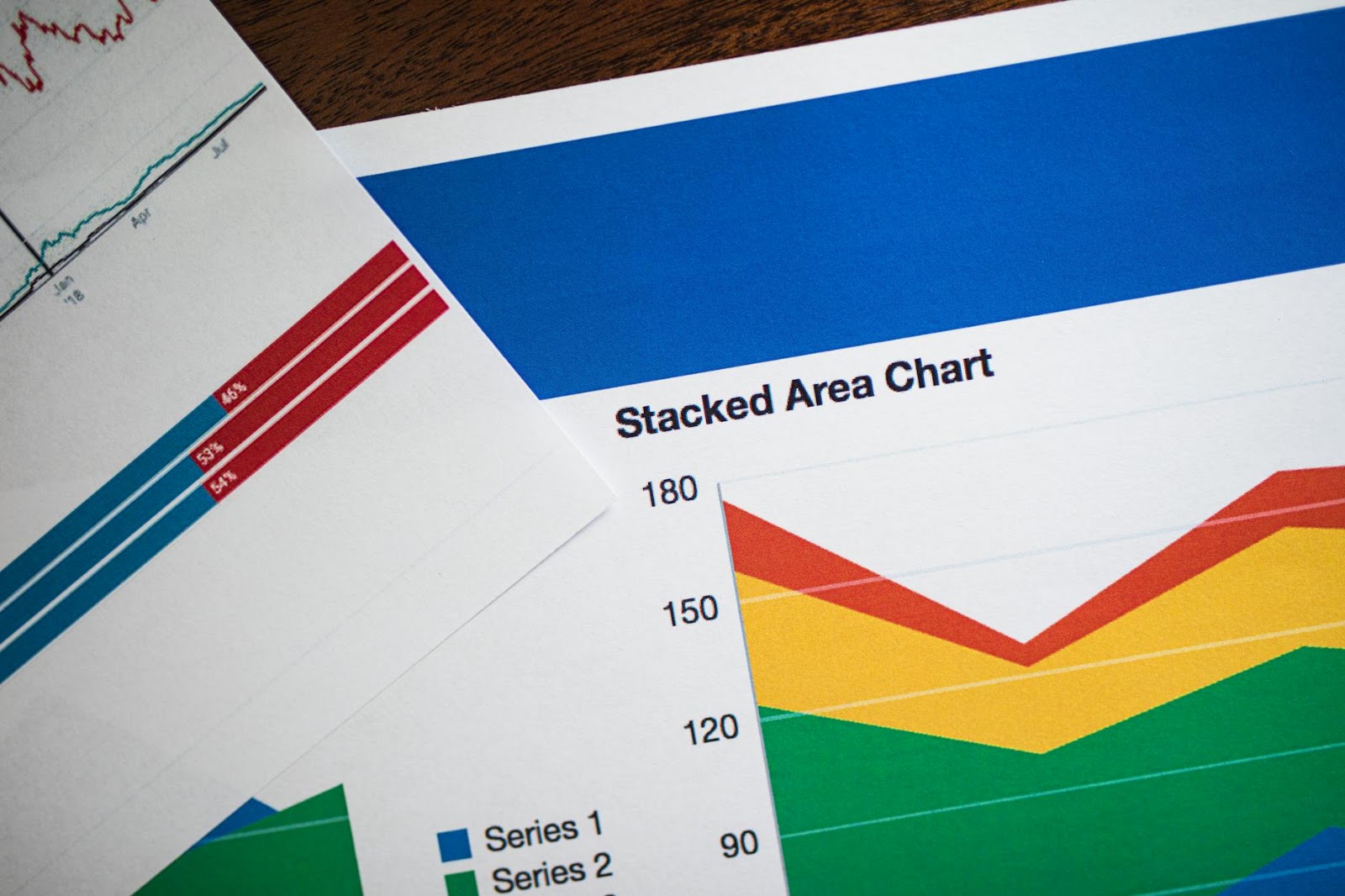 Complex financial market data charts with chaotic lines, illustrating the challenges and AI limitations in market analysis.
This isn't to say AI has no role in market analysis. It can undoubtedly process news feeds, identify trending topics, and even detect sentiment. But to suggest it can independently, reliably, and presciently navigate the labyrinthine complexities of global financial markets is to mistake a powerful tool for an all-knowing oracle. The hype often obscures this vital distinction, leading to unrealistic expectations and potential investment missteps.
Decoding the AI Delusion: Why We Confuse Potential with Present Capability
Why do we consistently overestimate AI's present-day prowess? Part of it stems from an inherent human tendency to project future capabilities onto current technologies. Fueled by science fiction narratives and bold predictions from tech leaders, the line between what AI can do and what AI might do becomes increasingly blurred. Venture capital funding often amplifies this, rewarding audacious claims and rapid growth even if the underlying technology is still nascent or fundamentally limited.
Another factor is the misconception of "intelligence." We tend to anthropomorphize AI, attributing human-like understanding to algorithms that are, at their core, sophisticated pattern-matching and prediction machines. They don't "understand" in the way a human does; they process. This distinction is critical. A system that can generate coherent text or beat a human at chess is impressive, but it doesn't imply a general grasp of the world, empathy, or critical reasoning required for complex, ambiguous tasks like predicting market crashes or negotiating peace treaties.
This "AI delusion" isn't harmless. It can lead to over-investment in unproven concepts, neglecting the real value in practical AI applications, and a general erosion of trust when AI systems inevitably fail to live up to the hype. It distracts from the steady, incremental progress being made in focused AI domains by diverting attention to sensational, but often unfounded, claims.
The Real Price of AI: Distinguishing Value from Vaporware
The price of AI isn't just measured in development costs or market valuations; it's also measured in the opportunity cost of misdirected investments and the potential for disillusionment. When evaluating any AI solution, the acid test should always be: Does it solve a specific, quantifiable problem? Does it provide a clear, measurable return on investment? Or is it simply a "solution looking for a problem," riding the wave of public fascination?
Practical AI applications, like those in contract analysis, offer clear value propositions: reduced costs, increased efficiency, improved accuracy, enhanced compliance. They integrate seamlessly into existing workflows, augmenting human abilities rather than replacing them entirely. Their "price" is justified by the tangible benefits they deliver.
Conversely, AI vaporware – solutions built on exaggerated claims or lacking a concrete use case – carries a hidden cost. It consumes resources, creates false hope, and can detract from genuinely innovative efforts. The market will, eventually, separate the wheat from the chaff, but the current enthusiasm makes this distinction difficult for many.
Navigating the Future: A Roadmap for Smart AI Adoption
So, how do businesses and individuals navigate this landscape of unprecedented opportunity and pervasive hype? The key lies in a pragmatic, informed approach:
- Focus on Specific Problems: Prioritize AI solutions that address clear, defined business challenges. Don't chase AI for AI's sake.
- Demand Tangible ROI: Always ask for measurable outcomes. What efficiency gains, cost reductions, or revenue increases will this AI deliver?
- Understand Limitations: Be acutely aware of what AI cannot do. Human oversight, critical thinking, and ethical considerations remain paramount, especially in high-stakes environments.
- Invest in Data Hygiene: AI is only as good as the data it's trained on. High-quality, unbiased data is the bedrock of any successful AI implementation.
- Embrace Augmentation, Not Replacement: View AI as a powerful tool to augment human intelligence and capability, not an autonomous replacement for human judgment and creativity.
 A futuristic roadmap showing a clear strategic path, representing smart AI adoption and future of AI.
The future of AI is undeniably bright, filled with potential to solve humanity's most pressing challenges and unlock unimaginable efficiencies. But to truly harness this power, we must move beyond the intoxicating allure of hype and ground ourselves in the demonstrable realities of practical AI applications. The real gold in the AI rush won't be found in the most audacious predictions, but in the focused, impactful solutions quietly revolutionizing industries one specific problem at a time. It’s time for an AI reality check, and the market is already beginning to deliver its verdict.
```