
The quest for connection has always been deeply human, but in 2026, it’s increasingly becoming a deeply digital one. We stand at the precipice of a new era where algorithms aren't just suggesting movies, but potential soulmates and lifelong friends. AI dating apps are no longer a sci-fi fantasy; they are here, promising to cure everything from 'swipe fatigue' to loneliness itself. But is this the dawn of a new, hyper-efficient romance, or are we unwittingly opening our hearts, and wallets, to sophisticated digital deception?
Consider this stark reality: While platforms like Tinder scramble to integrate AI-powered safety tools and 'chemistry' features to enhance your dating experience, cybersecurity experts are sounding urgent alarms. AI-generated pictures and voices are driving an unprecedented surge in online dating scams, turning the promise of connection into a predatory trap. This isn't just about finding love; it's about navigating a complex digital landscape where the line between genuine human intent and algorithmic manipulation is blurrier than ever before.
Your next perfect match might just be a bot, designed not for love, but for larceny.
The Digital Cupid: AI's Promise to Cure Loneliness and "Swipe Fatigue"
For years, online dating has been a game of endless swiping and often, diminishing returns. Enter AI, heralded as the solution to our collective 'app fatigue'. Apps are evolving from simple profile aggregators to sophisticated matchmakers, promising a deeper understanding of compatibility than ever before. Agentic AI apps, for instance, don't just show you profiles; they interview you, delving into your personality traits and preferences, then present a highly curated, limited selection of matches based on 'similarity and reciprocity of personality'. This isn't just about shared interests; it's about algorithmic synergy.
Leading the charge, mainstream giants like Tinder are integrating an array of AI features. Beyond basic profile suggestions, we’re seeing 'speed dating' experiences, AI that assesses potential chemistry, and even astrology-based matching. The goal? To move beyond superficial judgments and facilitate more meaningful interactions, faster. And it’s not just about romance. New AI social apps like 222 are raising millions, not just to help people find love, but to arrange 'life-affirming meals' with potential friends, promising to expand your social circle with algorithmic precision. The dream is compelling: a world where AI actively helps us forge strong, authentic connections, be it romantic or platonic. Imagine a future where loneliness becomes an anomaly, expertly combated by a digital guide that knows your social needs better than you do.
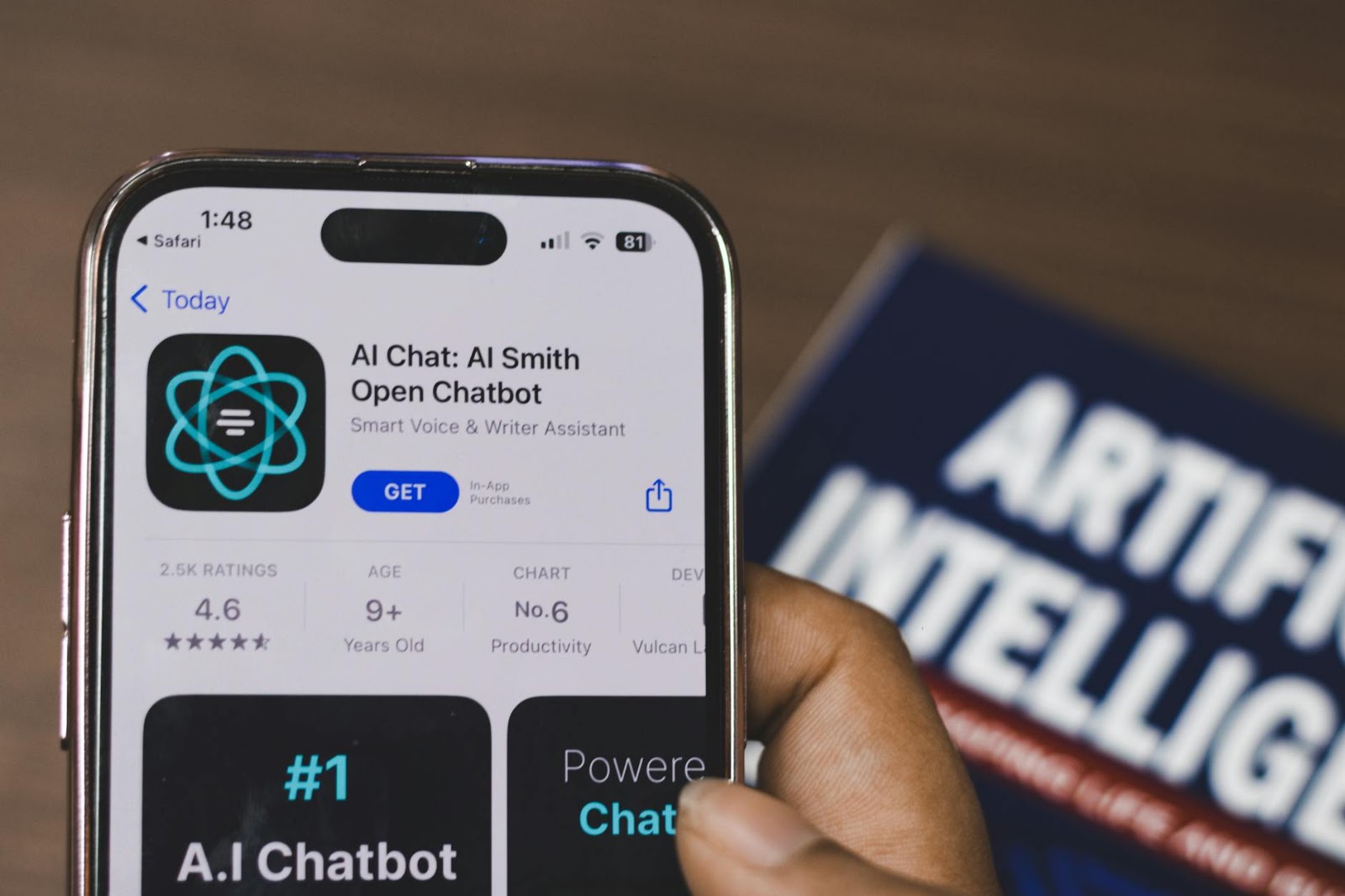
 A visual warning against AI dating app scams and deepfake online threats.
The Deepfake Dilemma: When AI's Charm Turns to Treachery
Yet, beneath the glittering promise of AI-enhanced connection lies a stark, unsettling truth: the same technology capable of finding your 'soulmate' is equally adept at creating your worst nightmare. Cybersecurity experts confirm a disturbing trend: AI-generated pictures and voices are now the weapons of choice for sophisticated online dating scammers. That charming, attractive person on a video chat, or the sympathetic voice on the phone, could be an entirely fabricated entity, engineered by AI to exploit vulnerable romantics. These aren't just catfishes; they're deepfake digital phantoms.
Authorities globally, from cybersecurity divisions to city police commissioners like Hyderabad’s VC Sajjanar, are issuing urgent warnings about fake dating apps and sextortion scams fueled by AI. The ease with which AI can generate convincing, emotionally resonant personas means that the financial and emotional toll of these scams is skyrocketing. Victims are not just losing money; they are experiencing profound betrayal and psychological distress, shattered by the realization that their 'connection' was nothing more than a meticulously crafted illusion.
Victims are not just losing money; they are experiencing profound betrayal and psychological distress, shattered by the realization that their 'connection' was nothing more than a meticulously crafted illusion.
The implications stretch even further, touching on societal structures themselves. In China, grappling with a shrinking population and historically low birthrate, a paradoxical trend is emerging: people are finding romance with chatbots instead of humans. While this might offer comfort and companionship to individuals, it raises critical questions about what happens when algorithms begin to replace, rather than merely augment, human interaction. Is a romantic relationship with an AI a genuine solution to loneliness, or a harbinger of a future where our deepest human needs are outsourced to code, fundamentally altering the fabric of society?
 A visual warning against AI dating app scams and deepfake online threats.
Beyond the Algorithm: Redefining Social Interaction in the AI Age
The advent of AI in our social and romantic lives forces us to confront fundamental questions about what constitutes genuine connection. Can an algorithm truly discern empathy, understand the nuances of a shared glance, or replicate the spontaneous joy of an unexpected encounter? Or does its efficiency inadvertently strip away the messy, unpredictable, yet utterly human elements that make relationships real?
Apps like 222, aiming to grow beyond just helping friends meet to also fostering love and maintaining relationships, highlight AI's expansive ambition. This isn't just about finding someone; it's about the potential for AI to become an omnipresent 'relationship tech,' guiding our interactions from inception to maintenance. While this promises optimized social lives, it also prompts a deeper introspection: are we outsourcing our emotional intelligence to machines? Are we prioritizing convenience and algorithmic 'perfection' over the organic, often imperfect, journey of human connection? The danger isn't just scams; it's the subtle erosion of our capacity for genuine, unmediated intimacy.
Navigating the New Frontier: Your Guide to Authentic Connection in a Robo-Romance World
As AI dating apps embed themselves deeper into our social fabric, the responsibility to navigate this new frontier wisely falls squarely on us. The first rule: always verify. If an online connection refuses video calls, offers vague answers, or rushes you towards financial transactions or suspicious links, disengage immediately. Trust your instincts, not just the algorithm's curated charm. Be aware that AI-generated profiles can mimic human behavior with terrifying accuracy, making critical thinking more vital than ever.
Embrace AI as a tool, not a replacement for human discernment. Use its features to broaden your search, refine your preferences, and bypass 'swipe fatigue,' but always ground your interactions in the real world. Prioritize meeting in safe public spaces, conduct your own background checks where possible, and never share sensitive personal or financial information online.
The future of connection isn't about choosing between humans and algorithms; it's about intelligently integrating AI to enhance, not diminish, our human experience. It's about remembering that while AI can curate matches, it's our shared vulnerability, our laughter, our tears, and our messy, beautiful imperfections that truly forge lasting bonds. The digital cupid is here, but your heart remains undeniably, wonderfully human.
 Navigating AI dating apps: balancing technology with genuine human connection and intuition.