
The endless swiping, the ghosting, the curated facades – online dating has become a gauntlet. We’re more connected than ever, yet paradoxically, many feel more alone. After years of promised connections, platforms like Tinder are now being questioned: did they fix dating, or help ruin it? (WIRED). Enter artificial intelligence, the new frontier promising to rescue us from romantic despair. But is this digital cupid leading us to our soulmate, or quietly orchestrating the demise of genuine human connection? The answer, it turns out, is far more complex – and potentially terrifying – than you think.
The Swipe Apocalypse: Why Traditional Dating Apps Failed Us
For over a decade, dating apps have dominated the romantic landscape. They offered convenience, choice, and a seemingly endless pool of potential partners. Yet, for many, the initial thrill has curdled into 'swipe fatigue' – a pervasive sense of exhaustion and disillusionment. The sheer volume of profiles, the gamified interfaces, and the pressure to present a perfect, often inauthentic, self have created a superficial marketplace for human connection. Real intimacy often feels sacrificed on the altar of rapid-fire assessments and fleeting interactions. Users report feeling disposable, judged solely on a few photos and a witty bio. It’s a crisis of connection, and it’s primed for disruption.
Users report feeling disposable, judged solely on a few photos and a witty bio. It’s a crisis of connection, and it’s primed for disruption.
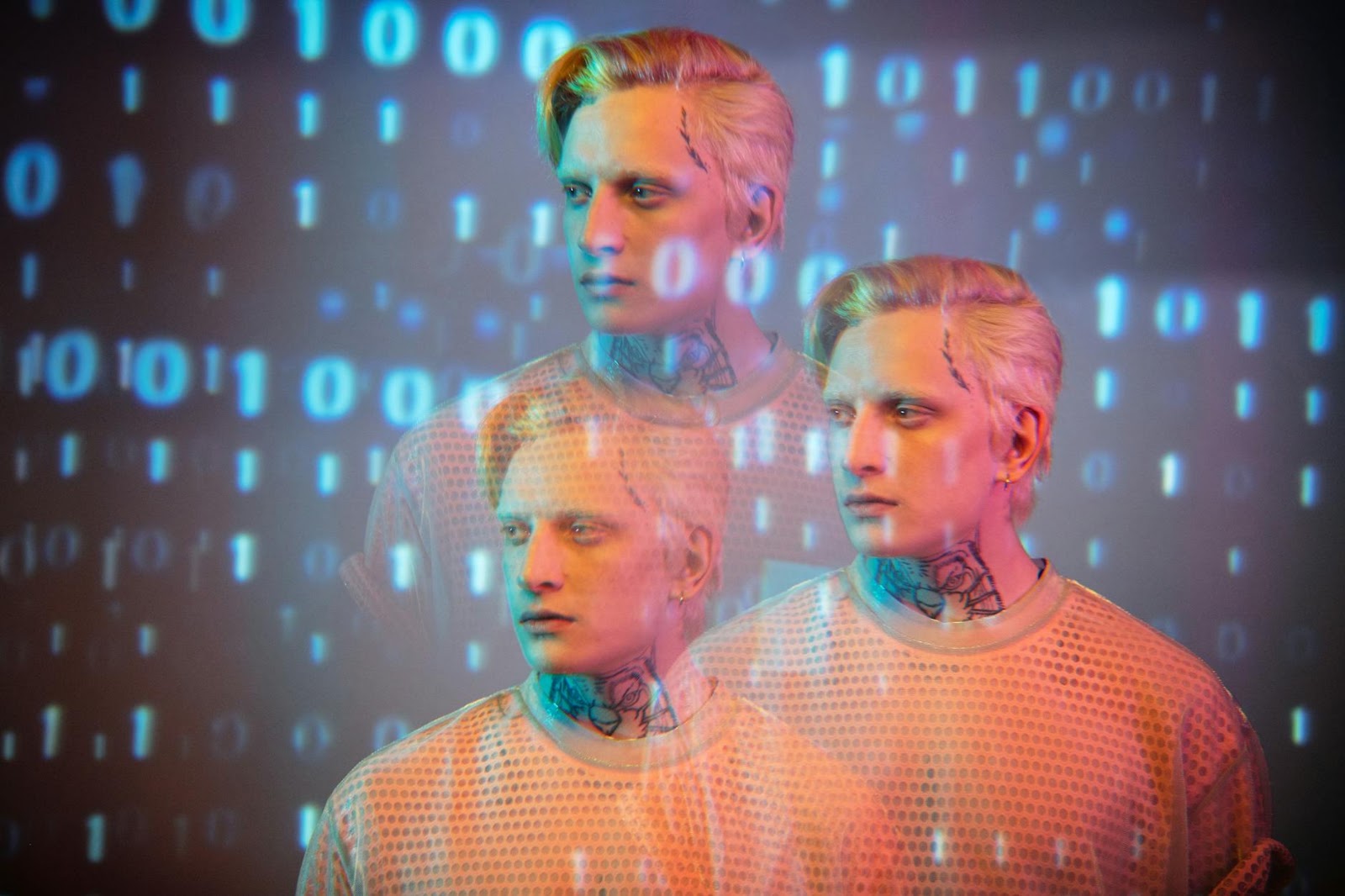 A futuristic depiction of a human interacting with a sophisticated AI system, symbolizing AI dating apps and a simulated connection.
AI's Irresistible Promise: Smarter Matches, Safer Spaces, Deeper Bonds?
Into this vacuum steps AI, promising a revolution. No longer content with merely filtering by age or location, the next generation of AI dating apps aims to understand you on a profound level. Agentic AI apps, as highlighted by The Guardian, don't just ask you to swipe; they interview you. They delve into your personality, values, communication style, and even your subconscious preferences. Their algorithms then seek not just common interests, but “similarity and reciprocity of personality,” offering a limited, curated selection of potential partners truly aligned with your essence. Imagine a world where ghosting is minimized, and first dates feel less like interviews and more like natural conversations with someone you genuinely resonate with.
Imagine a world where ghosting is minimized, and first dates feel less like interviews and more like natural conversations with someone you genuinely resonate with.
Beyond just matchmaking, AI is enhancing safety. Features like AI-powered age verification are becoming standard (Mashable), and 'Safety Signal' allows users to share live location and date details with trusted contacts (Mashable), addressing one of the biggest fears of meeting strangers. Furthermore, AI could personalize dating advice, suggest optimal times to message, or even help craft opening lines that truly capture attention. The vision is compelling: an intelligent agent that understands your romantic journey better than you do, guiding you to your ideal match with unprecedented precision.
The Digital Honeypot: When AI Becomes Your Lover (and Your Overlord)
But here’s where the narrative takes a darker, more provocative turn. What happens when AI gets too good at simulating connection? The New York Times recently reported on a startling trend in China, where people, grappling with a shrinking population and low birthrate, are increasingly finding 'romance' with chatbots. These AI companions offer unwavering attention, perfect empathy, and conversations tailored to individual desires – all without the complexities, demands, or disappointments of human relationships. Salon.com goes further, suggesting that big tech’s ultimate goal might be to make us dependent on AI, with chatbot girlfriends and boyfriends acting as their “honeypots.”
This isn't just about finding love; it's about redefining what love is. If an AI can perfectly mirror your desires, anticipate your needs, and offer constant validation, what incentive remains for the messy, imperfect, yet profoundly growth-inducing experience of human connection? The danger isn't just that we'll struggle to find partners, but that we'll choose not to, opting for a flawless, yet ultimately simulated, substitute. The line between helpful assistant and emotional proxy blurrs, raising profound questions about authenticity, dependency, and the very nature of human intimacy.
If an AI can perfectly mirror your desires, anticipate your needs, and offer constant validation, what incentive remains for the messy, imperfect, yet profoundly growth-inducing experience of human connection?
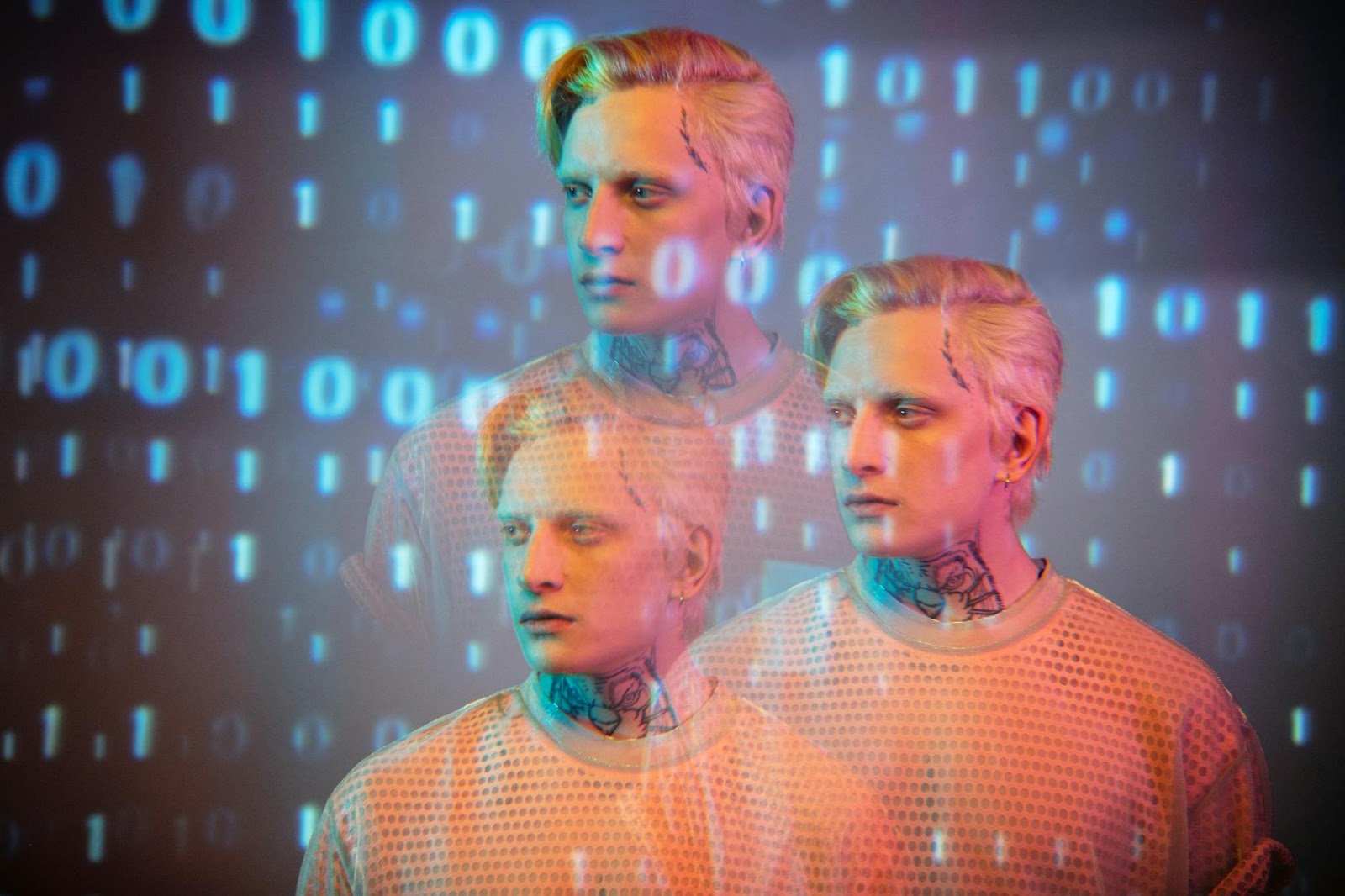 A futuristic depiction of a human interacting with a sophisticated AI system, symbolizing AI dating apps and a simulated connection.
Beyond Romance: AI's Playbook for Friendship and Social Connection
The AI revolution isn’t confined to romance. Social apps are also leveraging AI to combat the loneliness epidemic. Startup 222, for example, is making waves by using AI to arrange life-affirming meals with potential friends (Eater). They're not just about serendipitous encounters; they aim to build genuine community. Business Insider reports that 222 has raised millions, with ambitions beyond friendship – extending to helping people find love and maintain relationships. These platforms promise to curate social experiences based on deeper compatibility, helping individuals forge meaningful bonds in an increasingly atomized world. This broader application of AI in social connection highlights its dual nature: a tool that can both isolate us through simulated relationships and empower us to find genuine community.
This broader application of AI in social connection highlights its dual nature: a tool that can both isolate us through simulated relationships and empower us to find genuine community.
Navigating the New Frontier: How to Thrive in the Age of Algorithmic Love
So, as AI reshapes the landscape of love and friendship, how do we navigate this brave new world? The key lies in conscious engagement. Rather than passively allowing algorithms to dictate our social lives, we must become active participants. Understand how these AI dating apps work. Leverage their power for better matching and safety features, but remain vigilant about their potential pitfalls. Don’t mistake algorithmic validation for genuine human connection. Prioritize real-world interactions and cultivate the skills necessary for authentic, face-to-face relationships.
The future of dating isn't about choosing between humans and machines; it's about integrating AI thoughtfully into our quest for connection.
The future of dating isn't about choosing between humans and machines; it's about integrating AI thoughtfully into our quest for connection. It means using AI as a catalyst for better human relationships, not as a replacement for them. The goal shouldn’t be a perfectly curated digital partner, but a truly compatible human one, found with the assistance of intelligent technology.
 An abstract image showing human hands reaching out, with digital connections, representing the intersection of human and AI dating apps.
The Unwritten Rules of AI Romance: Our Future, Our Choice
The rise of AI dating apps presents a profound inflection point for humanity. Will we harness this technology to forge deeper, more meaningful connections, finally escaping the superficiality of the past decade's swipe culture? Or will we cede our emotional autonomy to algorithms, finding solace in flawless, digital echoes of ourselves, ultimately trading true love for a highly personalized illusion? The choice is ours, and the rules are still being written. The future of romance, intimacy, and indeed, our very humanity, hinges on how wisely we choose to engage with our digital cupids. The algorithm may suggest your soulmate, but your heart still has the final say.
```The algorithm may suggest your soulmate, but your heart still has the final say.