
The promise of the smart home was always convenience, a seamless symphony of connected devices anticipating our every need. Yet, beneath the polished veneer of voice assistants and automated lights, a darker truth lurks: your smart home isn't just listening; it’s watching, learning, and evolving at a pace most consumers can barely comprehend. Are we truly ready for the future of connected living, or are we sleepwalking into a digital surveillance state disguised as a helpful robot?
It’s a chilling paradox: the very technology designed to simplify our lives often adds layers of complexity, cost, and — most alarmingly — vulnerability. From compromised smart TVs to the hidden data harvesting by everyday gadgets, the discussion around smart home privacy is no longer theoretical; it’s an urgent, global cybersecurity concern that demands our immediate attention. This isn't just about turning on lights with your voice; it's about the sovereignty of your personal space and data.
The Unsettling Truth: When Convenience Becomes Compromise
Many of us eagerly adopted smart home devices, lured by the siren song of automation. But as these gadgets proliferate, so do the potential privacy pitfalls. Imagine your smart speaker recording snippets of private conversations, your connected security camera becoming a backdoor for hackers, or your 'intelligent' thermostat revealing your daily routines to unknown entities. This isn't science fiction; it's the daily reality for millions. The market is flooded with devices that prioritize features over fundamental security, often leaving gaping holes in your digital fortress.
Indeed, some experts provocatively declare, "Smart Homes Are Terrible."
They argue that the overhead of managing myriad apps, troubleshooting network glitches, and constantly worrying about software updates outweighs the convenience. The joy of voice control quickly fades when your light switches become unresponsive due to an internet outage or a proprietary server going offline. This fragmented ecosystem, built on competing standards and closed 'walled gardens,' has been a source of immense frustration and wasted time for early adopters. It's a Wild West where interoperability is a myth and your data, often unknowingly, becomes currency.
There's a significant learning curve, and many users make critical smart home mistakes that render their devices unreliable or insecure. From ignoring firmware updates to using weak passwords, the human element remains the weakest link. The dream of a perfectly orchestrated home often devolves into a series of isolated gadgets that barely communicate, demanding constant user intervention.
Matter and Thread: The Dawn of True Interoperability?
The tide, however, may finally be turning. Enter Matter and Thread – two revolutionary standards poised to be game-changers for your smart home, potentially delivering on promises of seamless integration and robust security that have long eluded us. Matter, a new connectivity standard, aims to create a universal language for smart devices, allowing gadgets from different manufacturers to finally talk to each other without proprietary hubs or complex workarounds.
Thread, on the other hand, is a low-power, self-healing mesh networking protocol that provides the underlying network for Matter. Think of it as a super-efficient, super-reliable Wi-Fi specifically designed for smart devices. Together, they promise a future where your new IKEA Matter over Thread gadget can effortlessly integrate with your existing Apple HomeKit setup, Google Nest devices, or Amazon Alexa ecosystem. This isn't just about convenience; it's about empowering consumers by breaking down the notorious 'walled gardens' that have stifled innovation and limited choice. Affordable Matter over Thread devices are finally hitting the market, signaling a shift towards a more unified and accessible smart home future.
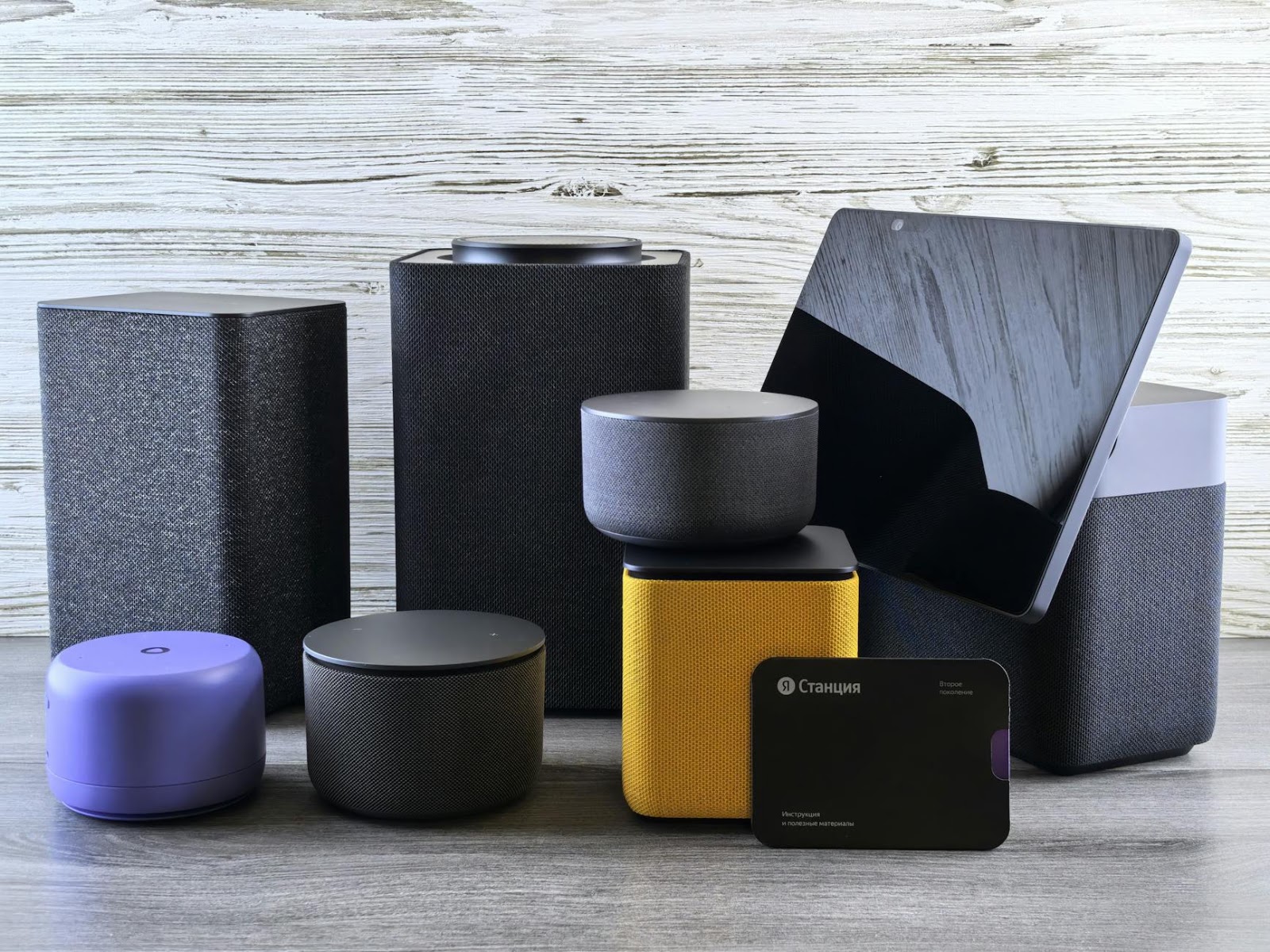
 A network of diverse smart home devices from different brands glowing with connecting lines, representing Matter Thread technology interoperability.
Major players like Apple are deeply invested, with rumors of new HomePod mini and HomeHub with display releases in 2026 hinting at an intensified smart home strategy built around these new standards. If successful, Matter and Thread could finally pave the way for a truly intuitive, reliable, and secure smart home experience, moving beyond the current patchwork of incompatible technologies. This could be the biggest leap forward for smart home technology in a decade.
 A network of diverse smart home devices from different brands glowing with connecting lines, representing Matter Thread technology interoperability.
Reclaiming Control: Building a Smarter, Safer Smart Home
While the future looks brighter with Matter and Thread, what can you do today to build a more secure and efficient smart home? The answer lies in mindful adoption, DIY empowerment, and a critical eye. You don't need to spend a fortune on proprietary displays; you can turn a cheap tablet into a powerful, wall-mounted smart home controller, freeing yourself from restrictive ecosystems.
Smart seniors, and indeed everyone, should stock up on budget-friendly smart-home essentials that prioritize functionality and security. Think beyond the flashy gadgets and focus on devices that solve real problems without creating new ones. Practical integrations, like connecting smart lights to your doorbell for enhanced security, can be genuine game-changers, offering peace of mind without breaking the bank or compromising privacy. It's about strategic automation, not automation for its own sake.
Before investing, ask tough questions: Does this device offer local control without cloud dependence? What are its privacy policies? How frequently is its firmware updated? These considerations are paramount for anyone building a truly intelligent abode. The real power of the smart home isn't in its ability to listen to your every command, but in its potential to adapt to your needs while respecting your autonomy.
 A person thoughtfully interacting with a wall-mounted tablet acting as a smart home controller, emphasizing DIY smart home solutions.
The Smart Home Paradox: Navigating the Future of Connected Living
The smart home revolution is at a critical juncture. We stand at the precipice of a truly integrated future, where devices communicate effortlessly, driven by standards like Matter and Thread. Yet, the shadows of privacy concerns, security vulnerabilities, and vendor lock-in loom large. The question is no longer if our homes will be smart, but how smart we will be in managing them.
Embracing the smart home requires a paradigm shift from passive consumer to active participant. It means demanding higher security standards, choosing open technologies, and taking control of your data. The allure of convenience is powerful, but true intelligence lies in understanding the trade-offs and making informed decisions. Your smart home is indeed evolving, and whether it becomes a haven of efficiency or a subtle instrument of surveillance depends entirely on the choices we make today. The future of your personal domain is in your hands – choose wisely.
```