
Picture this: You wake up to the gentle glow of your bedroom lights, coffee brewing automatically, your smart thermostat already set to perfection. Your home responds to your every whim, a seamless symphony of interconnected devices anticipating your needs. This is the dream sold by countless tech companies and glossy magazines like Architectural Digest – the promise of a perfectly orchestrated, effortless smart home.
But let’s be brutally honest: for many, the reality is a different beast entirely. Your smart home isn't just underperforming; it might be actively betraying you. It's a collection of temperamental gadgets, disconnected apps, and security vulnerabilities masquerading as convenience. We're here to unmask the illusion and reveal the uncomfortable truths no one tells you about owning a truly smart home, and more importantly, how you can reclaim control and engineer the intelligent living space you deserve.
The Grand Illusion: What We Think a Smart Home Is
We've been conditioned to envision a utopian dwelling where every device plays nice, silently working in the background. High-tech art TVs seamlessly integrating into biophilic design, humidifiers that adapt to your mood, and security systems that guard your sanctuary without a hitch. This vision, often perpetuated by aspirational content, suggests that merely buying the latest smart home device is enough to achieve domestic nirvana.
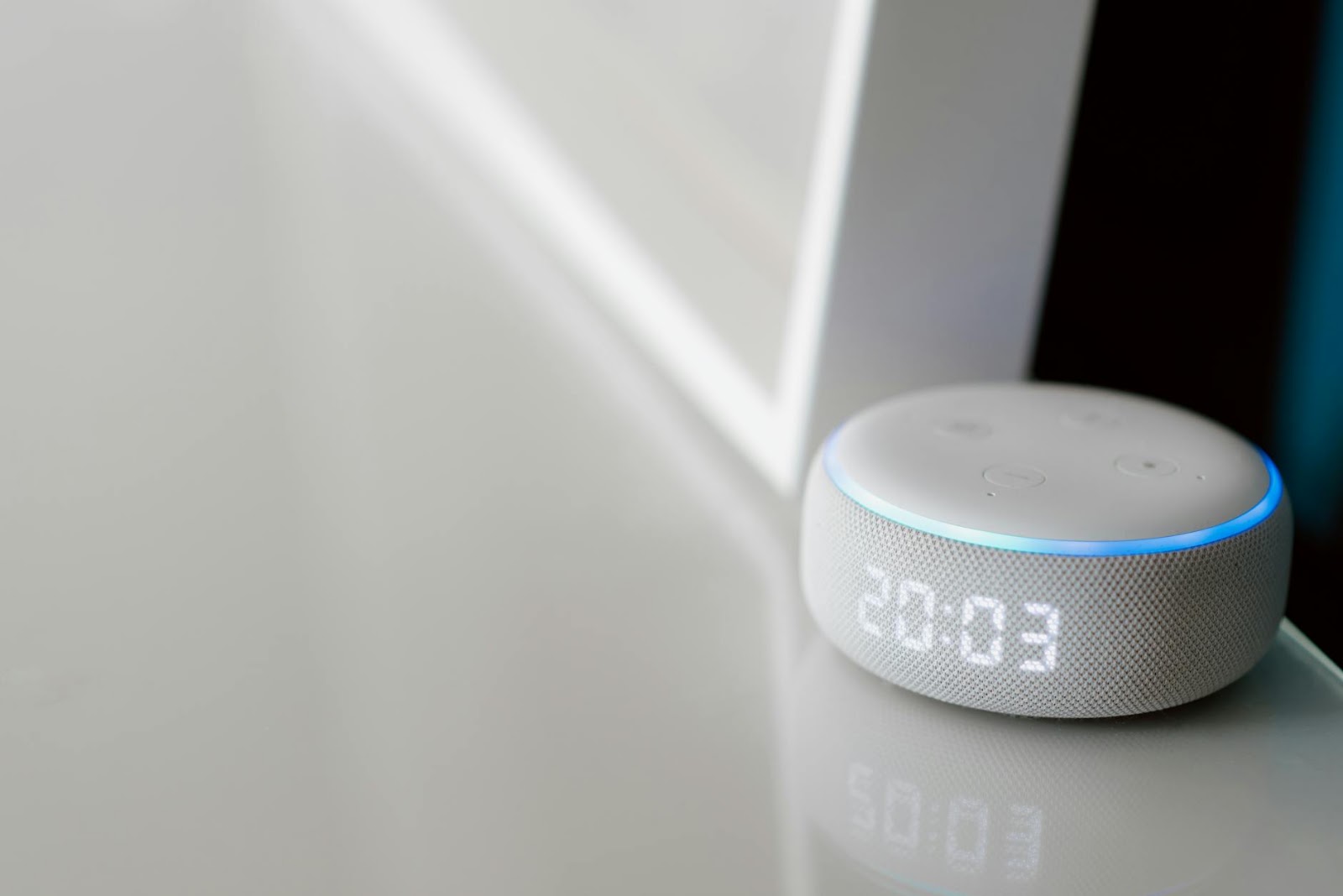 A person looking frustrated while trying to connect or troubleshoot multiple smart home devices, highlighting common IoT problems and the smart home trap.
But this narrative conveniently sidesteps the messy truth: assembling these disparate parts into a cohesive, intelligent whole is far from automatic. The expectation is effortless integration; the reality is often a frustrating battle against incompatible standards, buggy firmware, and apps that make you want to throw your smartphone across the room. We yearn for an automated retreat, but too often, we get a digital headache.
The Glitches in the Matrix: Unpacking the Smart Home's Dark Side
If you’ve ever found yourself yelling at Alexa, endlessly rebooting a smart plug, or debugging your smart lights for hours, you’re not alone. The journey to a truly smart home is paved with good intentions and often leads to digital despair. Consider the struggles reported by countless users:
IKEA’s new Matter devices, promising universal compatibility, are already notorious for struggling to stay connected, with Reddit threads citing failure rates as high as 50%. This isn't just an inconvenience; it's a fundamental breach of trust in the very concept of reliable home automation.
Then there’s the app fatigue. As The Verge aptly points out, Amazon’s Alexa app has become so cumbersome that many are abandoning it for simpler alternatives like Siri. A smart home should simplify, not complicate, your digital life. The irony is stark: we buy smart devices to save time, only to spend countless hours troubleshooting them. Some accessories, like certain multi-button remotes, border on the bizarre, adding unnecessary complexity when a simple voice command or intuitive app would suffice. It’s a stark reminder that not every smart home purchase is a wise one, and sometimes, those quirky gadgets are just a waste of money.
Beyond the mere inconvenience, there are critical vulnerabilities. Devices constantly broadcasting on your network, often with weak security, present a playground for cyber threats. Most smart homeowners are completely unaware of the invisible battle being waged over their personal data and home security. The promise of convenience has overshadowed the urgent need for a robust, secure foundation.
Beyond the Hype: Engineering a Truly Intelligent Home
The good news? The smart home isn't a lost cause. It simply requires a shift from passive consumption to active engineering. The path to mastery begins by understanding that true intelligence isn't about the number of devices you own, but how effectively they work together and for you.
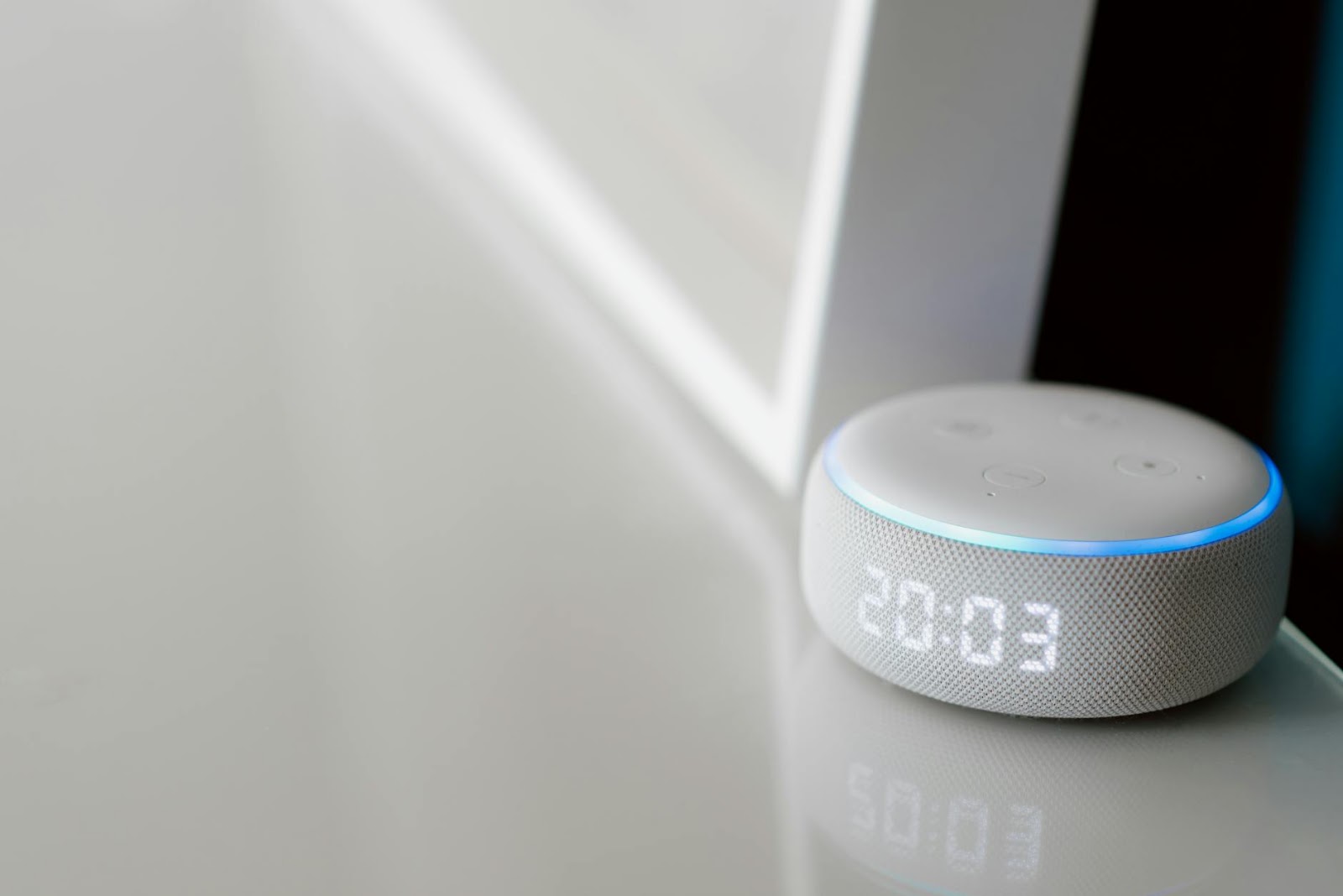 A person looking frustrated while trying to connect or troubleshoot multiple smart home devices, highlighting common IoT problems and the smart home trap.
1. Prioritize Practicality over Novelty: Instead of falling for every new gadget, focus on upgrades that genuinely enhance your life or prevent disaster. Water leak sensors in bathrooms, as highlighted by How-To Geek, are not just cool tech; they can literally save your home from catastrophic damage, triggering critical alerts even when you’re away. These are the smart devices that truly earn their keep.
2. Master Your Network: This is the bedrock of any reliable smart home. Implementing Virtual Local Area Networks (VLANs) isn't just for IT professionals; it’s a critical step for every smart home. Segmenting your devices provides enhanced security, prevents unauthorized access, and keeps your sensitive personal data isolated from potentially vulnerable IoT gadgets. This seemingly technical step is the single most impactful action you can take to move from a chaotic collection of devices to a truly secure and efficient ecosystem.
3. Embrace Energy Intelligence: A truly smart home isn’t just comfortable; it’s efficient. Smart Home Energy Management Systems (SHEMS) play a critical role in reducing household energy consumption. Solutions like Hoymiles’ HiOne residential storage systems demonstrate how integrating solar and battery storage can lead to genuine energy independence, reducing both your carbon footprint and your utility bills. This is where smart technology transcends convenience and contributes to sustainable living, especially crucial in regions like Egypt where energy conservation is a developmental imperative.
4. Demand Interoperability (Matter is the Future, but Watch Out for Early Bugs): While current devices often struggle, the Matter standard is slowly emerging as a beacon of hope for cross-platform compatibility. It aims to unify diverse smart home ecosystems, promising a future where devices from different brands can truly communicate seamlessly. However, as IKEA's recent struggles show, early adoption can be bumpy. The key is to stay informed, choose devices that prioritize stability, and understand that universal harmony takes time to perfect.
The Path to Mastery: Your Smart Home's Future, On Your Terms
The smart home isn't a product you buy; it's a system you build and continually refine. It requires a discerning eye, a willingness to understand the underlying technology, and a commitment to security. Don't let marketing hype dictate your home's intelligence. Instead, empower yourself to make informed decisions, prioritizing reliability, security, and genuine utility over flashy features or ephemeral trends.
 A sleek, minimalist smart home control panel displaying integrated energy consumption and device status, symbolizing a truly mastered and intelligent smart home.
By taking control of your network, strategically investing in impactful devices, and embracing energy efficiency, you can transform your digital headache into a truly intelligent, automated oasis. It’s time to stop letting your smart home control you, and start engineering a future where your home genuinely works for you, on your terms.
The future of smart living isn't about more gadgets; it's about smarter integration, robust security, and ultimately, a home that serves your life, not complicates it. Are you ready to stop living the smart home lie and start building the future? The power is in your hands.
```