
Are you addicted to the thrill of live social shopping? That instant gratification, the limited-time offers, the feeling of connecting directly with your favorite brands and influencers? What if I told you that beneath the surface of flashing discounts and engaging hosts, a silent revolution is driving prices sky-high, often without you even realizing it? The age of impulsive, real-time purchasing has brought unparalleled convenience, but it also masks a complex web of economic forces and psychological triggers designed to make you click 'buy' – sometimes at a premium.
Industry reports for 2025 indicate a booming social commerce market, projected to redefine retail as we know it. But this growth isn't without its caveats, particularly concerning the Live Social Shopping Price Surge we're witnessing. Consumers are increasingly questioning whether the perceived value aligns with the actual cost.
This isn't merely about inflation; it's about a sophisticated dance between supply chain realities, platform economics, and the very human impulses that drive our shopping decisions.
It’s time to pull back the curtain and expose the hidden dynamics that are dictating the cost of your next live shopping spree.
The Unstoppable Rise of Social Commerce: A New Digital Frontier
Live social shopping isn't just a trend; it's a fundamental shift in how we discover, evaluate, and purchase products. Platforms like TikTok Shop, Instagram Checkout, and Facebook Marketplace have transformed into bustling digital bazaars, integrating entertainment with commerce. Data from 2025 highlights astronomical engagement rates and ROI for brands successfully leveraging these channels. This isn't surprising – who wouldn't want to see a product demonstrated in real-time, ask questions, and buy with a few taps, all within their favorite social environment?
The allure is multifaceted: influencer endorsements provide authenticity, social proof from other buyers builds trust, and the interactive, often gamified experience makes shopping feel less like a chore and more like entertainment. Brands are pouring resources into understanding shopper behavior analysis, decoding buying motivations to remove friction and optimize the path to purchase.
This data-driven approach allows retailers to tailor experiences, often predicting demand and even personalizing pricing structures based on individual user profiles. It’s a retail dream, but for the consumer, it raises critical questions about transparency and perceived value. The convenience factor is undeniable, but it comes at a cost, often hidden in plain sight.
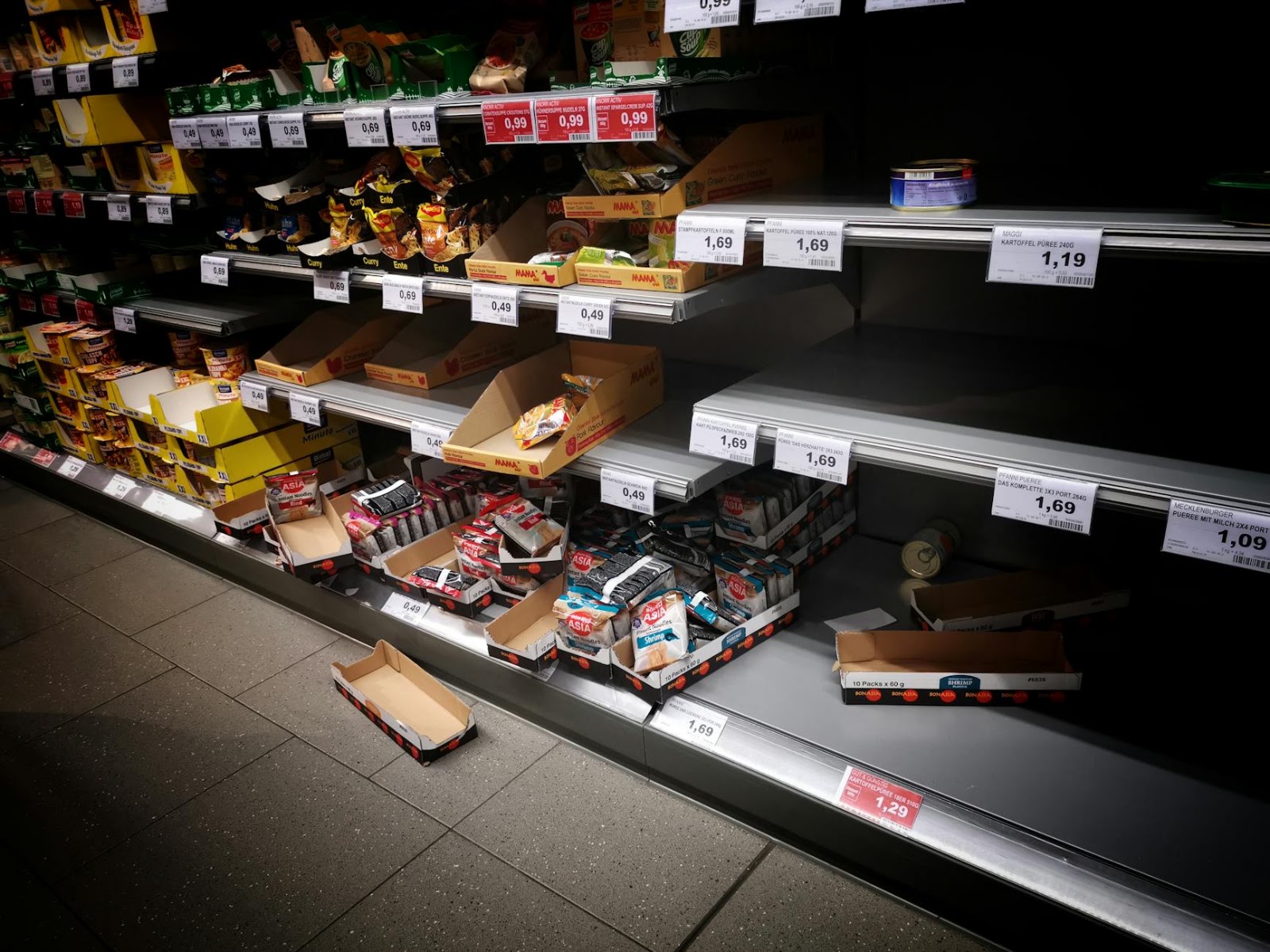 Abstract visualization of global supply chain disruption affecting various retail sectors and contributing to the Live Social Shopping Price Surge.
Decoding the Price Surge: Unseen Forces at Play Behind Your Screen
So, why are Live Social Shopping Prices experiencing such a significant surge? The reasons are far more complex than a simple supply-and-demand equation. Several macro-economic and platform-specific factors are converging to create this new pricing reality.
First, let's talk about the invisible hand of global supply chains. A critical, often overlooked factor impacting prices in 2025 and even into 2026 is the ongoing global memory shortage. Reports highlight a crisis in DRAM and NAND costs, directly impacting the pricing, specifications, and growth of everything from smartphones to PCs. "But what does that have to do with my new handbag on TikTok Shop?" you might ask. The answer is profound. These components are the backbone of the very devices consumers use to shop and the infrastructure brands use to broadcast. Higher costs for devices mean higher operational costs for content creators and platforms, which invariably trickle down to the consumer. Furthermore, any product that relies on advanced electronics, from smart home gadgets to fashion with integrated tech, faces direct cost pressures. This isn't just a ripple; it's a wave affecting diverse retail sectors.
Beyond raw materials, the business model of social commerce itself contributes to the price surge. Platforms invest heavily in developing robust live streaming capabilities, payment gateways, and sophisticated recommendation algorithms. These aren't free. Brands often pay higher commissions, advertising fees, and influencer marketing costs to gain visibility and drive sales in these highly competitive environments. These overheads are naturally factored into product pricing.
Moreover, the very nature of live shopping – with its emphasis on limited-time offers and flash sales – can create artificial scarcity, justifying higher initial price points or encouraging impulsive purchases before a buyer can properly compare prices. The illusion of a 'deal' can often obscure a price that has been strategically inflated before the 'discount' is applied.
The Psychology of the Social Shopper: Are We Being Played?
The most compelling, and perhaps concerning, aspect of the Live Social Shopping Price Surge lies in the realm of human psychology. Shopper behavior analysis is no longer just for physical stores; it's hyper-optimized for the digital realm.
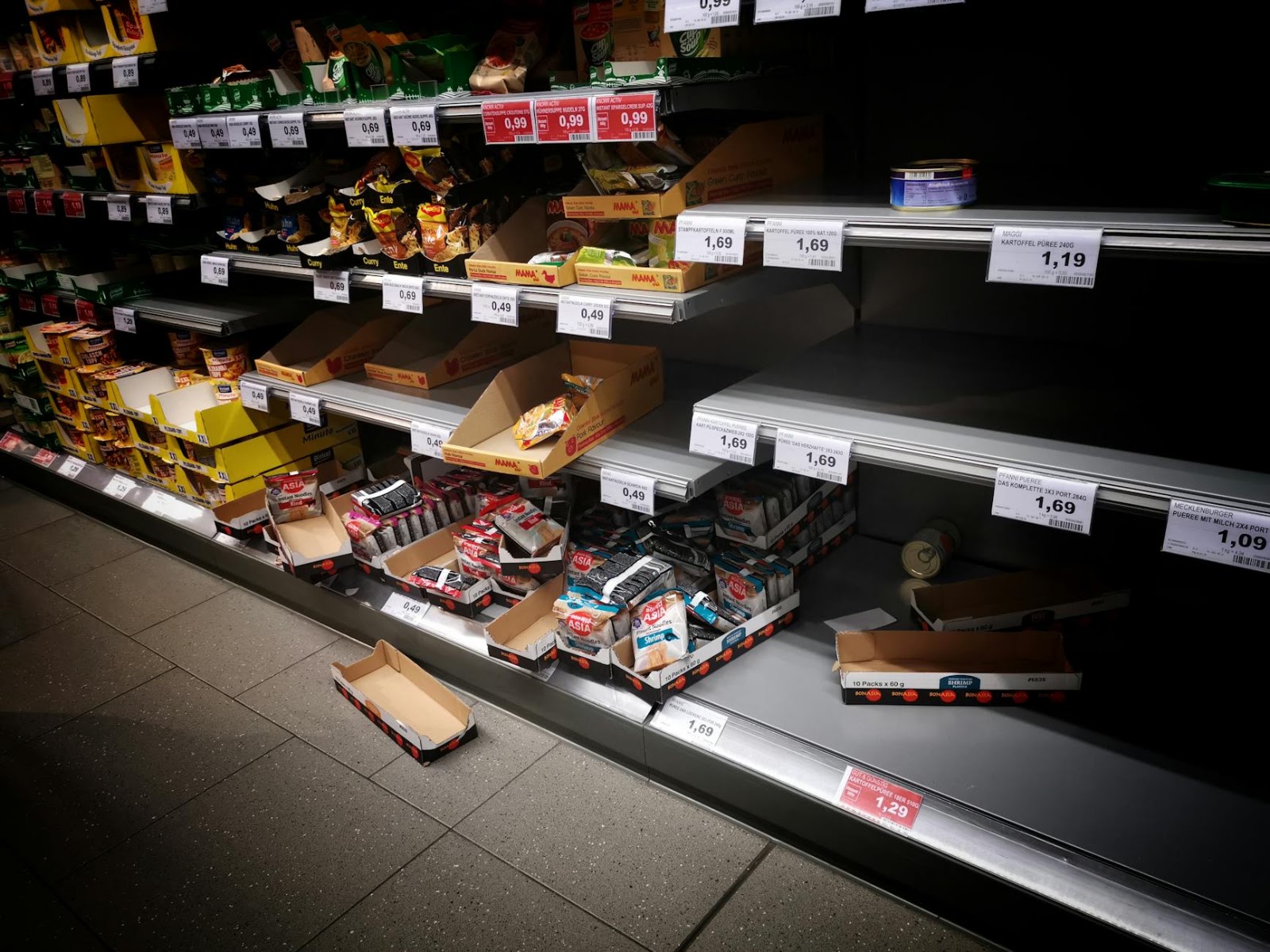 Abstract visualization of global supply chain disruption affecting various retail sectors and contributing to the Live Social Shopping Price Surge.
Think about the power of social proof. When an influencer raves about a product and hundreds of comments flood in, expressing excitement, our inherent desire to belong and trust authoritative figures kicks in. This creates a herd mentality, where the perceived popularity of an item can justify a higher price point. The urgency of live sales – "only 10 left!" or "deal ends in 5 minutes!" – triggers our fear of missing out (FOMO), overriding rational decision-making processes. We're conditioned to act fast, often before a thorough price comparison or consideration of genuine need.
Furthermore, the interactive nature of live shopping fosters a parasocial relationship with influencers. When someone you admire and trust recommends a product, you're far more likely to overlook a higher price. This emotional connection, coupled with the seamless one-click purchase experience, removes critical friction points that would typically lead to price sensitivity.
The result? Consumers often pay more, not because the product is objectively worth more, but because the entire social commerce ecosystem is expertly engineered to bypass our logical defenses and tap directly into our emotional triggers.
 A thoughtful shopper analyzing various online offers and live social shopping prices, reflecting on the psychology of consumer behavior and the Live Social Shopping Price Surge.
Navigating the New Normal: Smart Shopping Strategies for 2025+
The Live Social Shopping Price Surge is not going away. As social commerce matures, these pricing dynamics will only become more sophisticated. However, informed consumers are empowered consumers. To navigate this new landscape effectively and ensure you're getting genuine value, consider these strategies:
- Do Your Homework (Before You Click): Don't let the urgency of a live sale dictate your purchase. If possible, quickly cross-reference prices on other platforms or traditional e-commerce sites. Take a few minutes to read reviews outside the live stream's curated comments.
- Understand Influencer Motivations: While many influencers are genuine, remember they are also part of a marketing machine. Be critical of overly enthusiastic endorsements and question if the product truly aligns with your needs, not just their narrative.
- Beware of Artificial Scarcity: Limited-time offers and dwindling stock numbers are powerful psychological tools. Recognize them for what they are and ask yourself if you'd still buy the item at that price if it weren't for the impending deadline.
- Track Your Spending: The ease of one-click buying can lead to overspending. Keep a close eye on your budget and consider if each impulsive purchase truly adds value to your life.
- Look Beyond the Social Feed: While social commerce is convenient, it's not the only arena. Explore traditional online retailers, physical stores, and comparison shopping engines to ensure you're not paying a 'convenience premium.'
The explosion of live social shopping is undeniably exciting, offering new ways to connect with brands and discover products. But it also demands a more discerning consumer. By understanding the intricate interplay of global supply chain pressures, platform economics, and behavioral psychology driving the Live Social Shopping Price Surge, you can reclaim control over your purchasing power. Don't be a passive participant in this retail revolution; become an informed and strategic shopper. Your wallet will thank you.
```