
Imagine this: It’s late, you’re tired, and you just want to flush the toilet. Simple, right? Not for some early smart home adopters in Australia, who reportedly found themselves unable to perform this most basic of tasks when their ‘smart’ systems failed. A truly horrifying glimpse into a future where our homes hold us hostage.
This isn't an isolated incident. Across the globe, the promise of a seamless, intelligent living space often clashes violently with a frustrating reality of connectivity issues, notification overload, and bewildering dashboards. We were sold a vision of effortless control, yet many of us are now struggling with a home that’s smarter in name than in function – a "dumb smart home" paradox where technology, instead of simplifying, complicates our lives. Are you caught in the automation illusion? It’s time to unmask the truth.
The Illusion of Control: Why Your Dashboard is Lying to You
Walk into any tech enthusiast's smart home, and you might see an impressive dashboard: a tablet or wall-mounted screen displaying every light, lock, and thermostat. It looks sophisticated, even futuristic. But as one expert provocatively put it, "If you need a smart home dashboard, you're doing it wrong."
The essence of a truly smart home isn't about having a digital control panel; it's about automation that anticipates your needs, working silently and effectively in the background.
Many of us fall into the trap of treating our smart homes like a collection of fancy remote controls. We buy a smart bulb, then manually toggle it via an app. We install a smart lock, then unlock it with our finger. While these actions are digital, they’re not automation. They’re merely shifting the control mechanism without actually reducing friction.
This over-reliance on manual digital input defeats the entire purpose. A truly smart device should react to its environment, your presence, or a predefined schedule, not demand constant babysitting. When your home requires a dedicated 'dashboard' to function, it’s a symptom of a deeper design flaw – a home that’s reacting to your index finger rather than intelligently managing itself. It’s an illusion of control, masking a system that’s anything but smart.
Compounding this problem is the relentless barrage of smart home notifications. Your door opened. Your temperature changed. Your washing machine finished. While each alert might seem useful in isolation, collectively, they lead to what interaction designers call "notification fatigue." Your phone buzzes constantly, turning helpful updates into irritating distractions.
This isn’t just annoying; it erodes trust. When every minor event triggers an alert, we start ignoring them all, desensitizing us to truly critical information. The goal of smart home notifications should be timely, relevant, specific, and personalized – not a firehose of digital noise. If your smart home is screaming for attention, it’s not smart; it's needy.
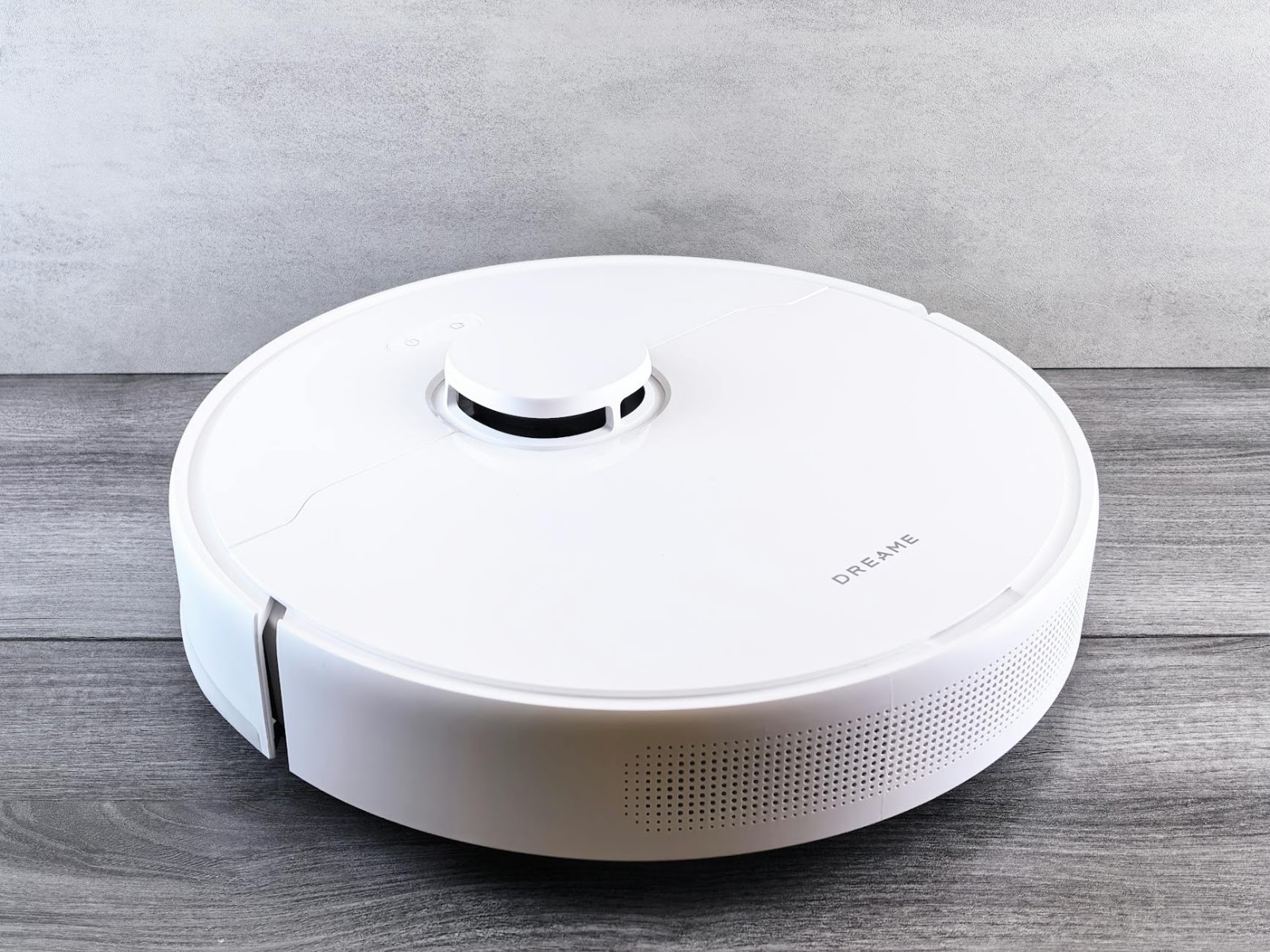 A calm, modern living room with invisible smart home automation working seamlessly in the background, representing true smart home intelligence.
Beyond the Dashboard: True Automation & Hidden Intelligence
The path to a truly intelligent home lies in embracing genuine automation. This means moving beyond the gadget-centric mindset and focusing on creating seamless experiences. Instead of tapping a screen, imagine your lights dimming automatically when you start a movie, or your thermostat adjusting as you leave for work, based on your phone's location. This is where the magic happens – a home that works for you, without constant interaction.
One of the biggest untapped resources for this kind of intelligence is right under your nose: existing sensors. Many people don't realize they already own smart home sensors without buying a single dedicated device. Your smartphone, for example, is a treasure trove of environmental data: its GPS knows your location, its accelerometer detects movement, and its Wi-Fi connection can tell if you’re home or away. Integrating these existing, often overlooked, data points into your automation routines can unlock powerful, personalized experiences. Your home can become truly proactive, not just reactive.
Consider the humble vibration sensor. While not as flashy as a smart display, these tiny devices offer clever, practical use cases. Placed on a window, they can alert you to an intruder attempting to pry it open. Attached to a liquor cabinet, they can notify you of unauthorized access. Even tucked away behind a painting covering a safe, a vibration sensor can act as a silent guardian. These are the unsung heroes of true smart home security and convenience, providing intelligence without demanding a dedicated dashboard tap.
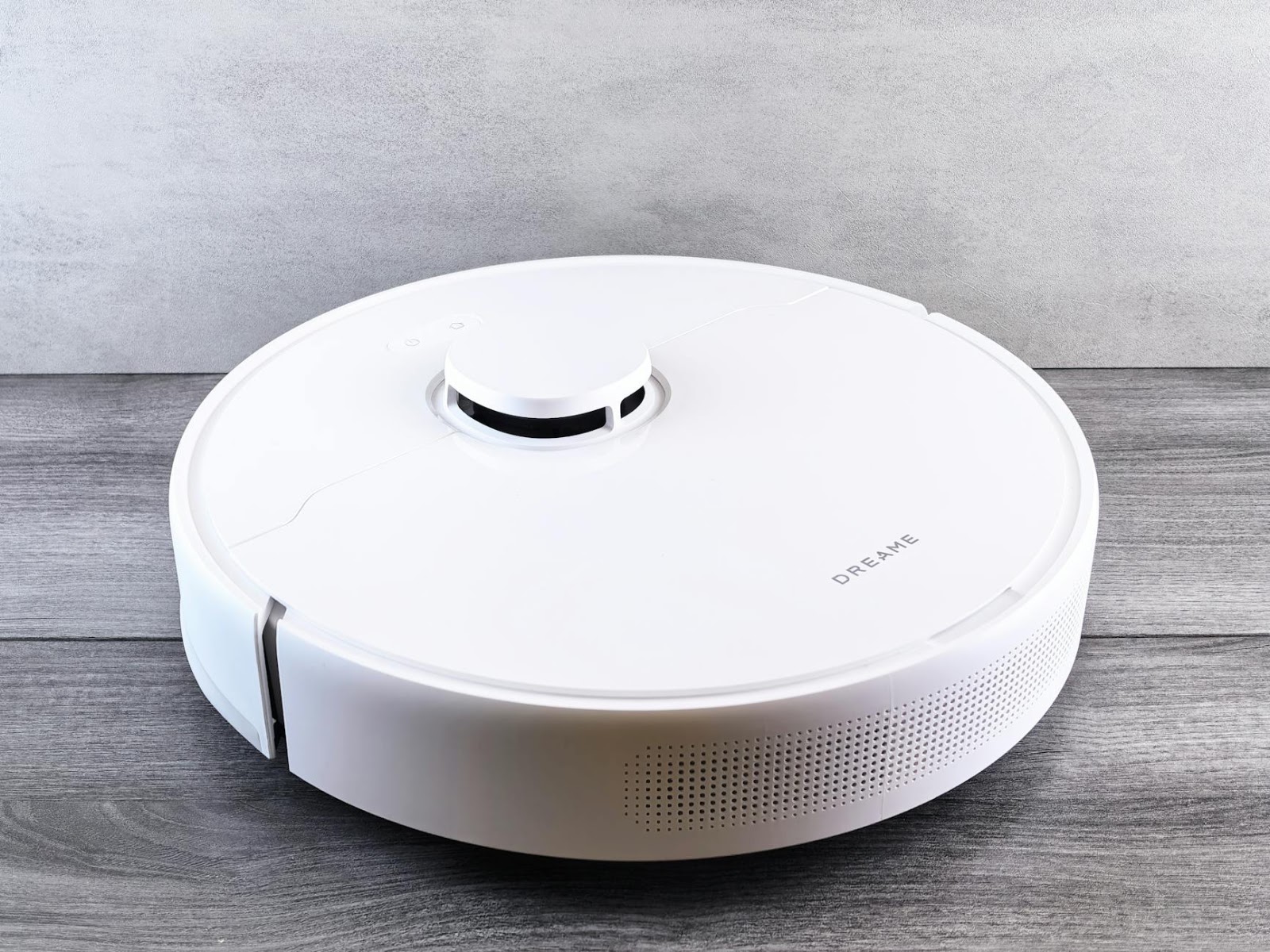 A calm, modern living room with invisible smart home automation working seamlessly in the background, representing true smart home intelligence.
The real strength of a smart home lies in its ability to connect diverse devices and protocols. This is where standards like Z-Wave, Zigbee, and the emerging Matter protocol become critical. While Zigbee might boast wider adoption in some areas, Z-Wave offers a robust, dedicated mesh network that's still favored for its reliability and range. And then there's Matter, the game-changer promising universal compatibility across brands. IKEA’s recent Matter-compatible leaks are a testament to its growing importance.
However, even Matter has its quirks, as some IKEA devices have shown, sometimes requiring specific hub requirements despite the promise of seamless connectivity. Understanding these underlying network technologies is paramount to building a resilient and truly integrated ecosystem, one that avoids the frustrating hub requirements and ensures your devices actually talk to each other, rather than just exist in separate digital silos.
Building a Truly Intelligent Ecosystem: From Frustration to Fluidity
So, how do you escape the "dumb smart home" trap and build a system that genuinely enhances your life? It starts with a shift in perspective.
Prioritize Purpose Over Gadgets: Don't buy a smart device just because it's 'smart.' Identify a problem you want to solve or an experience you want to enhance. Do you want to save energy? Improve security? Streamline your morning routine? Let the problem dictate the solution, not the allure of new tech.
Embrace True Automation: Design routines and scenes that trigger based on conditions, not manual input. Use motion sensors for lights, contact sensors for security, and presence detection (via your phone or car) to arm/disarm systems. The less you have to interact with your home, the smarter it truly is.
Choose Open Standards: Whenever possible, opt for devices that support open, interoperable standards like Matter, Thread, Z-Wave, or Zigbee. This minimizes vendor lock-in and maximizes your ability to create a cohesive system. Research compatibility before you buy; the promise of "connect and just work" can often hide confusing hub requirements.
Curate Notifications: Be ruthless with your smart home notifications. Turn off anything that isn't absolutely critical. For the essentials, ensure they are timely, relevant, and actionable. Your home should inform, not overwhelm.
Start Small, Scale Smart: You don't need to overhaul your entire home at once. Begin with a single automation that solves a real pain point, master it, and then gradually expand. Learning the nuances of your chosen platform (e.g., Home Assistant, Apple HomeKit, Amazon Alexa, Google Home) on a smaller scale will prevent headaches later.
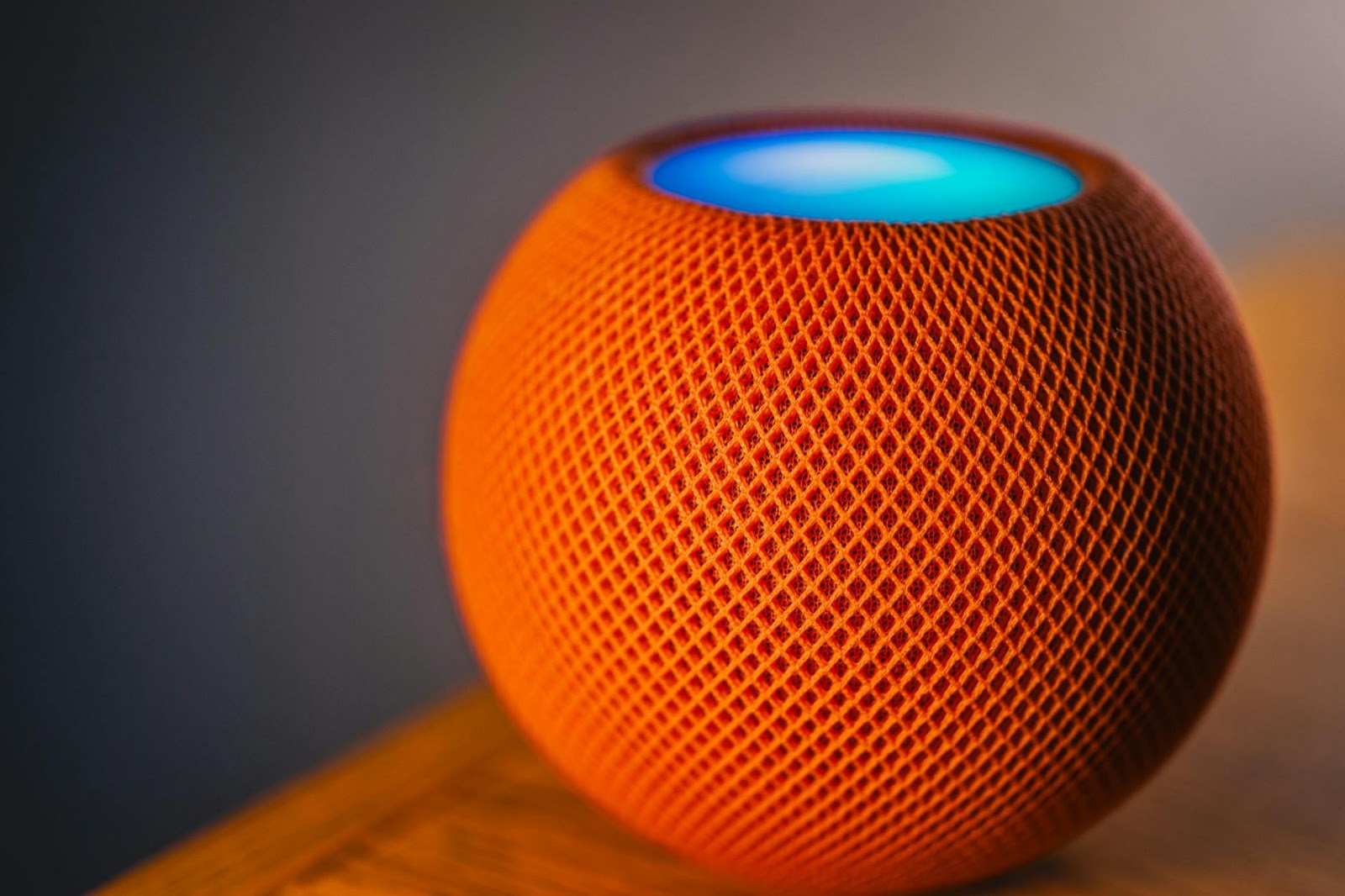 A futuristic depiction of interconnected smart home devices, symbolizing a unified and intelligent smart home ecosystem powered by Matter and open standards.
The Future is Frictionless (or it Should Be)
The smart home revolution is still in its early stages, and with advancements like Matter, the future promises greater interoperability and ease of use. But the core challenge remains: shifting from novelty gadgets to genuinely intelligent, background-operating systems. Your home shouldn't be a collection of apps and dashboards; it should be an extension of your life, anticipating needs and gracefully fading into the background.
By understanding the pitfalls of over-complication and embracing true automation, you can transform your frustrating "dumb smart home" into a truly intelligent sanctuary. The goal isn't just a connected house; it's a house that serves you, silently and reliably, freeing you to focus on what truly matters. Isn't it time your smart home finally lived up to its name?
```