
The modern quest for love often feels less like a journey and more like an endless, exhausting scroll. “Swipe fatigue” isn't just a catchy phrase; it's a collective sigh from millions yearning for genuine connection amidst a sea of curated profiles and fleeting glances. Enter artificial intelligence: the promised savior of our romantic lives. But as AI-powered dating apps proliferate, promising to banish burnout and deliver perfect partners, we're faced with a critical question: Are we finally optimizing love, or are we inadvertently optimizing away what makes it human?
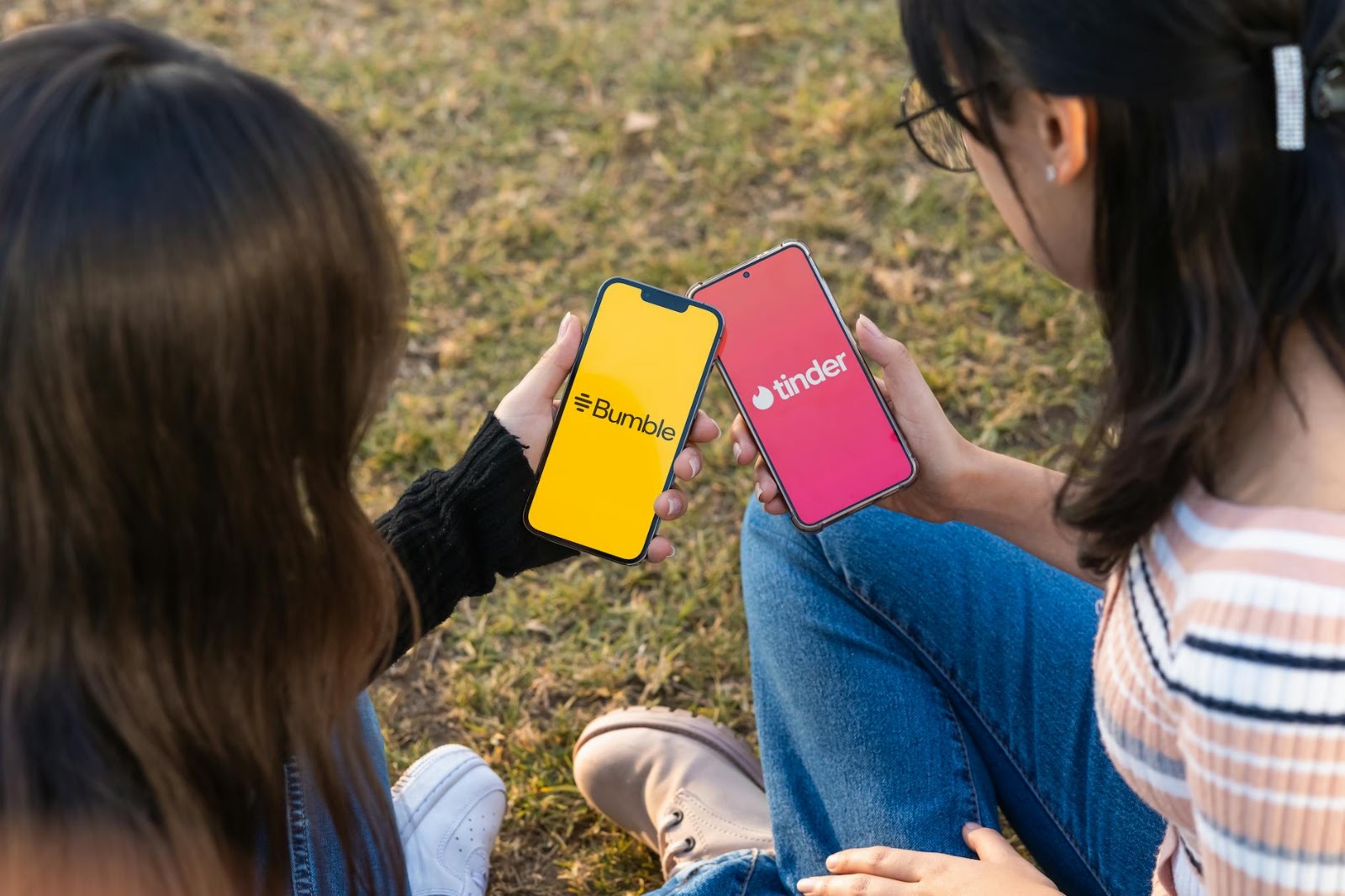
This isn't just about better algorithms; it's about a fundamental shift in how we connect. Major players like Tinder are integrating AI for smarter recommendations, while Bumble uses it for enhanced safety and “Deception Detectors.” New contenders like Ditto, Known, Sitch, and Amata are betting big on AI to “reimagine dating without swiping,” offering curated matches based on deeper preferences. The buzz is undeniable, but the implications are far-reaching. We stand at a romantic crossroads, with algorithms charting a course many of us don’t yet fully comprehend.
 A surreal image of a robot hand delicately holding a human heart, symbolizing the complex and sometimes unsettling relationship between AI dating apps and genuine human emotion.
The AI Revolutionizing Your Love Life (Or Is It?)
AI is no longer lurking in the background; it's stepping boldly into the foreground of our romantic pursuits. From refining your profile to suggesting conversation starters, the technology aims to smooth out the jagged edges of online dating. Imagine an AI analyzing your camera roll, not just for selfies, but for insights into your lifestyle and personality, then using that data to recommend someone truly compatible. This isn’t sci-fi; it’s the direction Tinder is heading.
Bumble, already a leader in fostering respectful connections, leverages AI for moderation and to generate personalized “Convo Starters” that genuinely spark dialogue. It's about more than just matching interests; it's about facilitating *better* interactions from the get-go. Then there are the disruptors: apps like Known, which promises to end the swiping era by using AI to play true matchmaker, and Ditto, a college-focused app where you text your preferences to an AI and receive one curated match a week, complete with date planning suggestions. These AI dating apps are not just tweaks; they're attempting a radical overhaul of the dating experience, positioning AI as the ultimate wingman, coach, and cupid all rolled into one.
It's a seductive promise: less effort, more accuracy, deeper connections. But even as the technology promises to elevate our dating game, it begs a deeper philosophical inquiry: how much “help” is too much? And when does optimization cross the line into dehumanization?
 A surreal image of a robot hand delicately holding a human heart, symbolizing the complex and sometimes unsettling relationship between AI dating apps and genuine human emotion.
Beyond the Swipe: A New Paradigm of Connection?
The central allure of AI in dating is its potential to transcend the superficiality that plagues traditional apps. If algorithms can analyze vast datasets – your preferences, your communication style, even your emotional responses – couldn't they identify genuinely compatible partners with a precision no human matchmaker could ever hope to achieve? The idea is compelling: move past snap judgments based on a few photos and witty bios to a more profound, data-driven understanding of who you are and who you truly click with.
New platforms aim to do exactly this. They envision a world where “swipe fatigue” is obsolete because every match is highly vetted, presenting not just a potential date, but a potential *partner*. This isn't just about reducing the volume of matches; it's about dramatically increasing their quality. For those exhausted by endless swiping and ghosting, this vision offers a beacon of hope: a future where AI handles the drudgery, leaving humans free to focus on what truly matters – forming meaningful bonds. The promise is a more efficient, less anxiety-inducing path to finding love, where AI matchmakers act as sophisticated filters, clearing the noise so true signals can emerge.
 Real people enjoying authentic connection and laughter in a vibrant social setting, emphasizing the irreplaceable value of human interaction despite the rise of AI dating apps.
The Uncanny Valley of Romance: When AI Gets Too Close
Yet, this optimistic outlook collides head-on with a fundamental truth: dating is messy, irrational, and deeply, gloriously human.
“What happens when you remove the humans from human connection?”
This isn't a hypothetical question anymore. When both parties outsource their conversational game to the same AI, “you end up with the digital equivalent of two people reading from the same script on a blind date,” as one Techbuzz article aptly put it. Where's the spontaneity? Where's the unexpected spark born from awkward silence or a perfectly mistimed joke that somehow just *works*?
“you end up with the digital equivalent of two people reading from the same script on a blind date.”
The AI dating apps are pushing boundaries, and sometimes, those boundaries feel unsettling. Grindr, for instance, is testing an AI-powered “EDGE” subscription tier that could cost users as much as $499 per month. This isn't just about premium features; it raises questions about the commodification of connection and the creation of a two-tiered dating system based on who can afford superior algorithmic assistance. Are we selling access to love, mediated by machines?
Furthermore, while AI can combat scams by detecting fake profiles (a crucial benefit, especially as dating scams surge, pushing Australians to seek AI for emotional support), it also creates a new form of deception. When your profile, your openers, and even your date suggestions are AI-generated, are you truly presenting yourself, or an optimized ghost of yourself? The worry isn't just that AI will trick others; it's that it might trick *us* into believing we're connecting, when in reality, we're engaging with cleverly programmed echoes. The essence of dating lies in vulnerability, authentic self-expression, and the unpredictable dance of two minds – elements that algorithms struggle to manufacture without making the interaction feel, well, artificial.
Navigating the Future: Can Love Thrive in an Algorithmic World?
The future of dating is undeniably intertwined with AI. There's no turning back the tide of technological integration. The challenge, then, isn't to reject AI outright, but to understand its proper place. AI excels at processing information, identifying patterns, and streamlining processes. It can be an invaluable tool for reducing the initial friction of online dating, surfacing genuinely compatible profiles, and even providing a safety net against malicious actors. It can help us *find* potential partners more efficiently than ever before. future of dating will heavily rely on this.
However, what AI cannot – and arguably should not – do is replace the messy, beautiful, irrational, and utterly human experience of falling in love. Chemistry is not an algorithm; it's a spontaneous reaction between two unique individuals. The quirks, the imperfections, the shared glances and inside jokes that define a truly deep connection are forged in real-world interactions, not in code. The success of AI in dating will ultimately hinge on its ability to enhance, rather than eclipse, human agency and authenticity. It should serve as a sophisticated introduction, a thoughtful facilitator, but the heavy lifting of love – the emotional investment, the vulnerability, the choice to connect on a profound level – must remain squarely with us.
The Paradox of Perfect Matches
We stand at a unique juncture, where the desire for efficient romance clashes with the enduring human need for authentic connection. AI dating apps offer tantalizing solutions to the pervasive problem of dating app burnout, promising to refine our search and elevate our interactions. Yet, the question lingers: In our pursuit of the “perfect match” delivered by an algorithm, are we inadvertently sacrificing the very humanity that makes love so utterly unpredictable, challenging, and ultimately, rewarding? The answer will define the next chapter of romance, and it’s a story we’re all writing, one swipe – or algorithmically suggested date – at a time.
```