
Every click, every 'add to cart,' every breathless comment during a live social shopping stream feels like a personal victory, a thrilling score. But what if that rush isn't just about finding a great deal, but about falling perfectly into a meticulously engineered trap? The truth is, the burgeoning world of live social media shopping isn't just a fun new way to buy; it's a hyper-optimized ecosystem where your impulses are analyzed, your desires predicted, and your wallet targeted with precision. The question isn't if you're paying too much, but how often.
The New Bazaar: Where Impulse Meets Algorithm
Live social shopping, or social commerce, has exploded from a niche trend into a multi-billion dollar industry. Platforms like TikTok Shop, Instagram Live Shopping, and countless independent influencer streams have transformed browsing into an interactive, real-time spectacle. The allure is undeniable: direct interaction with sellers, instant gratification, and the perceived exclusivity of limited-time offers. This isn't just retail; it's entertainment with a checkout button.
The Social Media Analytics Market, projected to hit an astounding $15.9 billion by 2032, isn't just tracking likes and shares; it’s dissecting every micro-interaction, every hesitation, every purchase pattern within these live environments.
This isn't for casual observation; it's to refine the sales funnel, to understand shopper behavior with an unprecedented level of detail, and ultimately, to optimize for maximum revenue. Companies are investing heavily in understanding you.
The Illusion of "Deal": Unpacking Live Pricing Strategies
Walk into a traditional store, and the price tag is usually fixed. Online, you can compare tabs. But in the whirlwind of a live stream, these safety nets vanish. Here, prices aren't static; they're fluid, dynamic, and often opaque. Brands and influencers employ a potent cocktail of psychological tactics to justify what might otherwise be questionable pricing:
- Dynamic Pricing in Real-Time: Algorithms can adjust prices based on demand, inventory levels, viewer engagement, and even individual shopper profiles. That 'limited-time discount' might be a standard price elsewhere, or even higher than what a non-engaged viewer might see.
- Scarcity and Urgency: "Only three left!" "Last chance for this bundle!" These phrases are the war cries of live shopping. They short-circuit rational thought, triggering an innate fear of missing out (FOMO) that compels rapid, often regrettable, decisions.
- Anchor Pricing Deception: Often, an inflated 'original price' is shown, making the 'discounted' live price seem like an incredible steal, even if it's just the standard retail price – or sometimes even higher.
The perceived value is amplified by the live atmosphere. The influencer's enthusiasm, the communal excitement in the chat, the ticking clock – it all conspires to make you believe you're getting a unique opportunity. But is the "deal" truly for you, or for the seller?
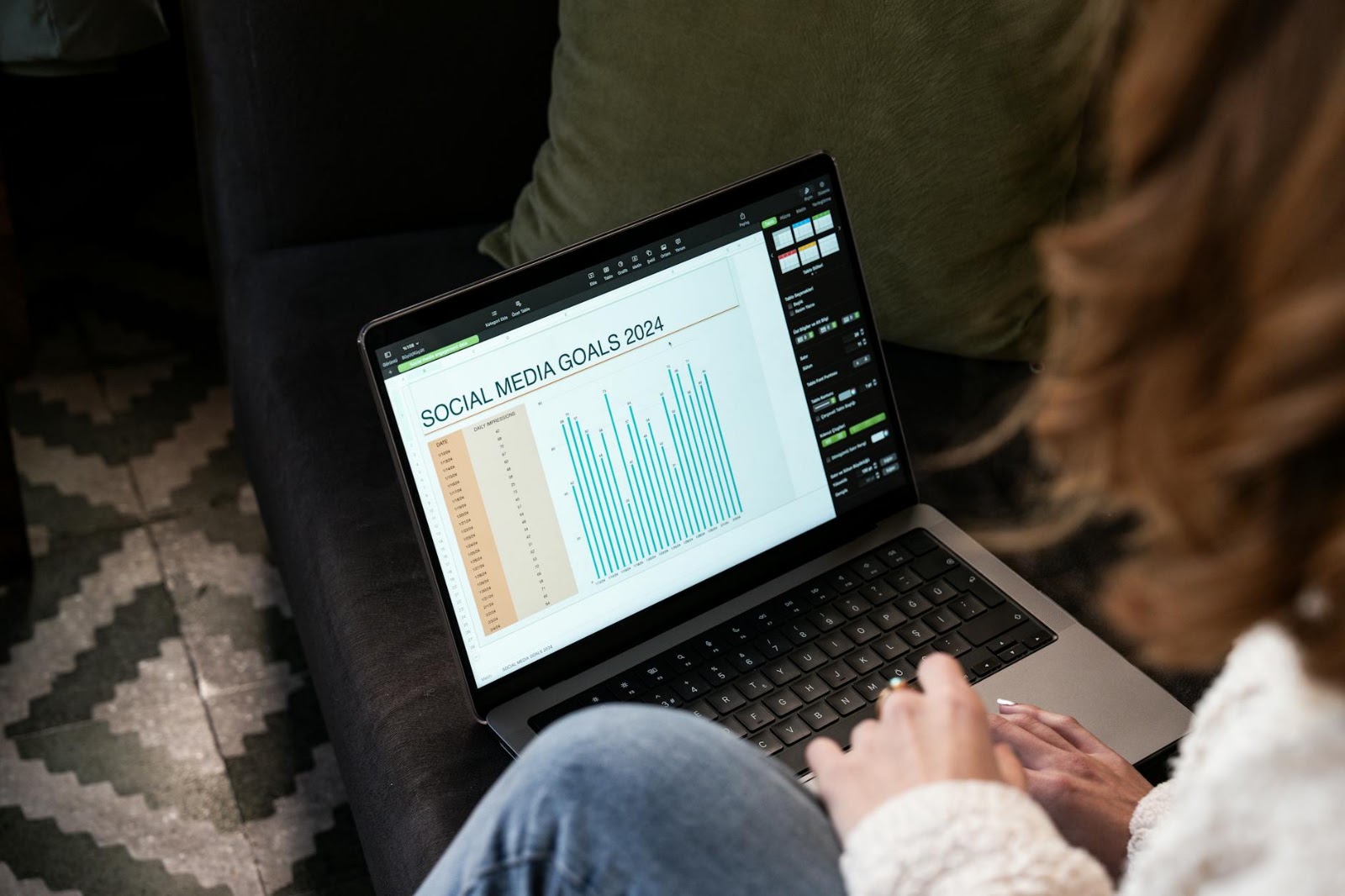 A visual representation of shopper behavior analysis, tracking user engagement in live social media shopping trends.
Who Holds the Power? Brands, Influencers, or the Buyer?
In this high-stakes game, the power dynamics are complex and often skewed away from the consumer. Brands dictate what's sold and often set baseline pricing. Influencers, the charismatic conduits of social commerce, wield immense power over their audience's purchasing decisions, earning commissions that incentivize aggressive sales tactics. Their authenticity, ironically, becomes a tool for persuasion.
But what about the buyer? You, the consumer, are bombarded with social proof – a deluge of comments like "I need this!" "Bought it!" – which further validates the purchase in your mind, even if those comments are from other impulse buyers or, in some cases, even bots. This creates a powerful echo chamber where rational deliberation is drowned out by collective enthusiasm. The very social aspect that draws you in also makes you more susceptible to manipulation. It’s a finely tuned machine, designed to capitalize on human psychology, making it incredibly difficult to resist the pull to buy, buy, buy.
Decoding Shopper Behavior: Your Data, Their Advantage
The growth of shopper behavior analysis (as highlighted by industry experts) isn't just about understanding why people buy, but how they can be nudged to buy more, and faster. Every interaction you have on a live stream is data:
- Viewing Duration: How long did you watch? Which products did you linger on?
- Chat Activity: Did you ask questions? Express interest? Your keywords are logged.
- Reaction Speed: How quickly did you add to cart after a product reveal?
- Purchase History: What types of products do you frequently buy in live streams?
This granular data feeds into sophisticated AI models that predict your likelihood to purchase, identify your price sensitivity, and even recommend specific products or pricing tiers tailored to maximize your spending. This is targeted advertising on steroids, evolving in real-time. Brands aren't just selling products; they're selling experiences engineered to bypass your rational defenses.
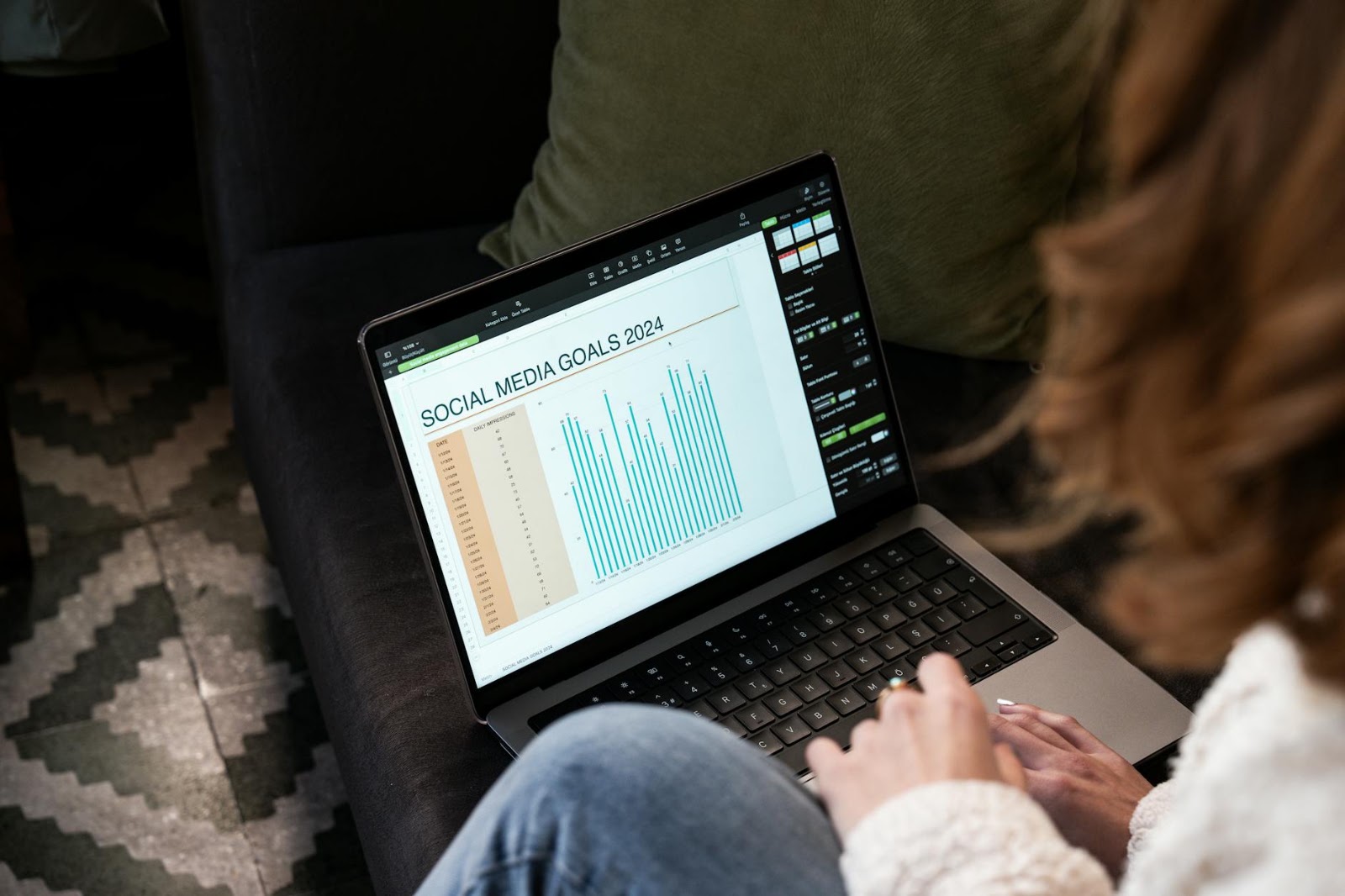 A visual representation of shopper behavior analysis, tracking user engagement in live social media shopping trends.
This isn't just about marketing; it's about predictive psychology at scale. The more data they have, the more precisely they can engineer the perfect moment and offer to trigger your purchase reflex. Your digital footprint becomes a blueprint for their next sale, often at a price point you might never have considered in a less immersive, less pressured environment.
Navigating the Live Shopping Minefield: A Buyer's Guide
So, how do you protect yourself from the expertly crafted allure of live social shopping? It's not about avoiding it entirely, but about conscious consumption:
- Do Your Homework (Quickly!): Before clicking "buy," take a moment. Can you quickly Google the product or a similar item to compare prices on other trusted retail sites? If it's a truly unique item, research the brand's reputation.
- Beware of Exaggerated Urgency: If something is genuinely an incredible deal, it will likely be one again. Most 'limited time offers' are designed to make you act without thinking. Take a breath.
- Set a Budget (and Stick to It): Decide beforehand what you're willing to spend. It’s easy to get swept up in the excitement and overspend.
- Understand the Return Policy: Live stream purchases can sometimes have different return stipulations than standard e-commerce. Know your rights before you commit.
- Question the "Exclusive": Many items touted as 'exclusive' for the live stream are often available through other channels or will be available again soon. Don't let perceived scarcity dictate your purchase.
 An AI-driven interface depicting the future of live social media shopping, highlighting algorithmic influence.
The Future of Retail: A Glimpse into the Algorithmic Abyss
The trajectory of live social media shopping suggests an even more integrated, personalized, and potentially opaque future. As AI and analytics become more sophisticated, pricing could become hyper-individualized, adapting not just to market demand but to your specific profile at that very moment. Imagine an algorithm detecting your emotional state or financial situation (inferred from your data) and adjusting the price accordingly.
This raises profound ethical questions about consumer protection, data privacy, and the fairness of pricing. While the convenience and entertainment of live social shopping are undeniable, the unchecked power of algorithms and behavioral psychology in these arenas demands a critical eye from both consumers and regulators. The onus, for now, remains largely on the individual to navigate this dazzling, yet potentially predatory, digital bazaar.
The thrill of a live purchase is real, but so is the strategy behind it. By understanding the forces at play – the analytics, the behavioral psychology, the pricing tactics – you can reclaim your power as a consumer and ensure that the 'deal' you're getting truly benefits you, not just the algorithm pulling the strings.
```