
The tech world is no stranger to seismic shifts, but rarely do they hit with the force of an extinction-level event. Yet, that's precisely the tremor running through the AI chatbot landscape. Forget the initial awe; the honeymoon is over.
According to a recent Similarweb analysis forecasting to 2026, the titan once thought unshakeable—ChatGPT—is watching its dominance erode, with its market share falling to a still-hefty but certainly diminished 68%. Meanwhile, Google’s Gemini isn't just growing; it's exploding, surging by an eye-watering 237%.
This isn't just a slight adjustment; it’s the opening salvo in the AI Chatbot War, and the battle lines are drawn. What exactly is fueling this dramatic upheaval, and what does it mean for the future of artificial intelligence?
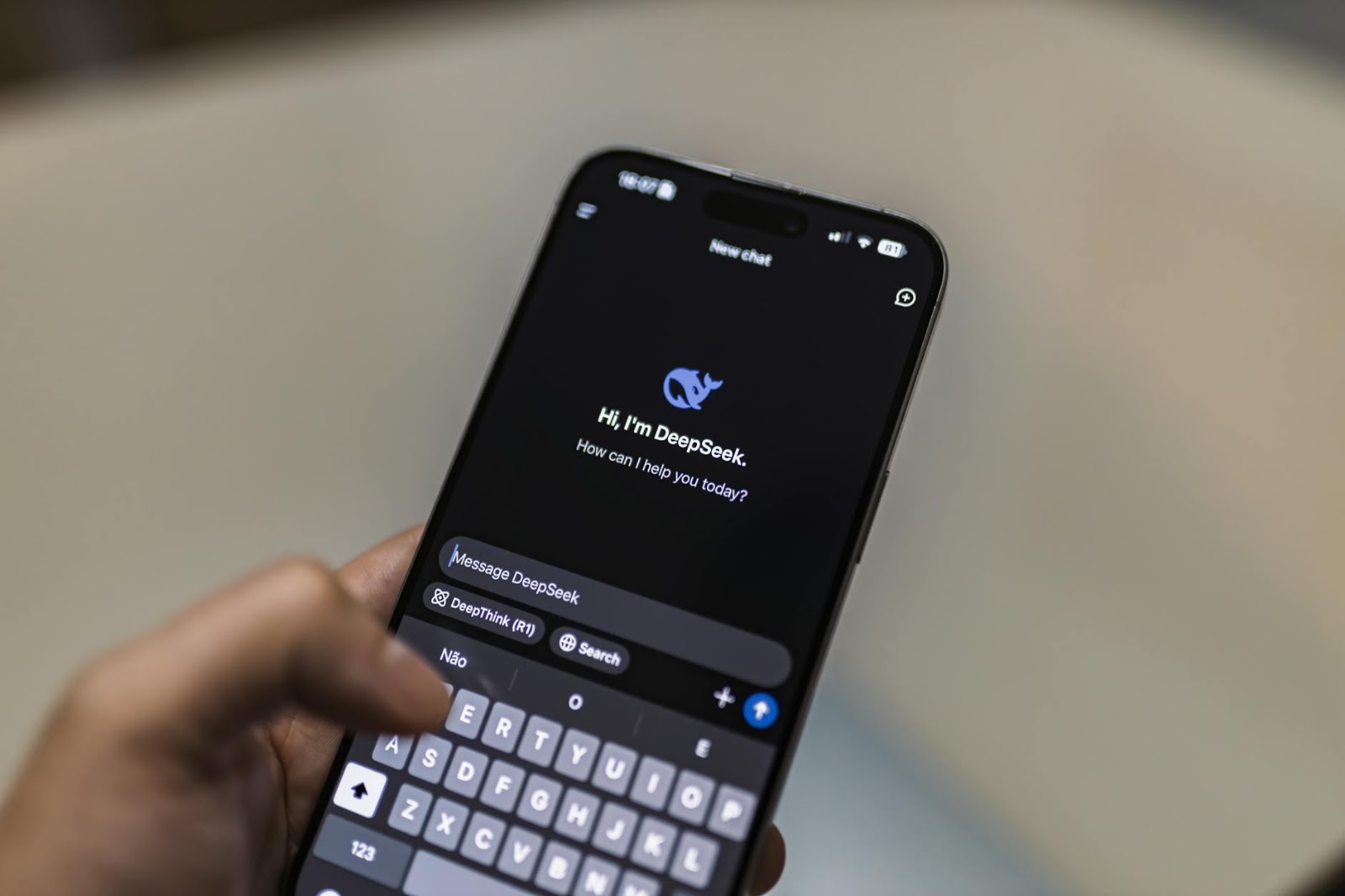 Google Gemini's explosive growth in AI Chatbot Market Share
The Shifting Sands: ChatGPT's Reign Under Threat
For months, ChatGPT has been the undisputed monarch of conversational AI, captivating millions with its human-like text generation and broad capabilities. It set the gold standard, becoming synonymous with the very idea of an AI chatbot. But absolute power, as history teaches us, is often fleeting. The Similarweb report paints a clear picture: while 68% is still a formidable lead, the direction of travel is downward. This decline, coupled with Gemini's meteoric rise, signals a maturation of the market and a re-evaluation of what users truly value in an AI companion.
Why the slip? Some speculate it's the natural consequence of fierce competition. Others point to a potential plateau in novel use cases for general-purpose AI, or perhaps even user fatigue with inconsistent performance, 'hallucinations,' or subscription models. The initial awe has faded, giving way to a more pragmatic assessment of utility. As the market diversifies, users are no longer simply looking for an AI; they're seeking the right AI for their specific needs, and often, that comes down to integration and reliability.
Gemini's Ascent: What's Fueling the Google Juggernaut?
Google's entry into the advanced chatbot arena with Gemini was always going to be a formidable challenge to OpenAI. What's truly surprising, however, is the velocity of its ascent. A 237% surge isn't just growth; it's a hostile takeover in slow motion. So, what’s Gemini's secret weapon?
Part of the answer lies in Google's unparalleled ecosystem. Gemini isn't just a standalone chatbot; it's deeply integrated with Google's suite of products – Search, Workspace, Android, and more. This ubiquitous presence provides a seamless user experience that ChatGPT, for all its standalone brilliance, struggles to match. Imagine asking Gemini to summarize an email in Gmail, draft a document in Docs, or plan a trip using Maps data, all within a familiar interface. This 'always-on, always-there' approach significantly lowers the barrier to adoption.
Furthermore, Google's aggressive push into mobile AI is clearly paying dividends. The report highlights mobile growth as a critical driver. As billions rely on their smartphones for virtually everything, an AI that lives natively and efficiently on mobile devices has an inherent advantage. Gemini's multi-modal capabilities – understanding and generating text, code, images, audio, and video – also position it as a more comprehensive solution for a generation that consumes information across diverse formats.
 Google Gemini's explosive growth in AI Chatbot Market Share
The Mobile Frontier and GEO Marketing: The Next Battleground
The AI chatbot market is increasingly defined by accessibility and context. The 'new GEO marketing era' referenced in the Similarweb report isn't just jargon; it's a strategic imperative. Localized, context-aware AI is the next frontier. Imagine an AI that understands your local regulations, speaks your regional dialect fluently, and can recommend services based on your physical location and preferences – this is where the market is heading.
Mobile devices are the primary conduit for this localized experience. As AI capabilities are embedded deeper into operating systems and apps, the race isn't just about raw intelligence, but about practical, on-the-go utility. An AI that can seamlessly assist with navigation, local commerce, or real-time information based on your surroundings will outpace one confined to a desktop browser. This shift from general-purpose AI to highly integrated, context-specific AI represents a significant evolution, moving from the 'hype' phase to truly 'practical' applications.
Beyond Market Share: Practical vs. Hype in the AI Ecosystem
This market consolidation and the rise of integrated AI solutions directly address the long-standing debate between 'practical' and 'hype' AI applications. Initial AI hype often focused on grand, often abstract, capabilities. Now, the market is demanding demonstrable, everyday utility. Google's strategy with Gemini seems squarely focused on integrating AI into existing workflows and user habits, making it indispensable rather than merely impressive.
Users aren't just looking for a cool demo; they're looking for solutions that save time, enhance productivity, or simplify complex tasks. The surge of Gemini suggests that the practical, seamlessly integrated AI experience is beginning to outweigh the groundbreaking, but sometimes less accessible, innovation that characterized the early days of ChatGPT's public release. This is a crucial distinction: market share isn't just about who has the best tech; it's about who delivers the most value in the most user-friendly way.
The Consolidation Imperative: Will Only Giants Survive?
The rapid shifts observed in the AI chatbot market point towards an inevitable consolidation. With giants like Google investing massively in their AI capabilities, smaller players and even independent startups face an increasingly difficult battle for relevance. The cost of training advanced models, the infrastructure required for global deployment, and the need for seamless ecosystem integration are all barriers to entry that favor the tech behemoths.
This doesn't mean innovation will cease, but it does suggest that future innovations might be acquired or integrated by larger entities, or carve out highly specialized niches. The AI Chatbot War isn't just about Google vs. OpenAI; it's about the future structure of the entire AI industry, potentially leading to a landscape dominated by a few powerful platforms.
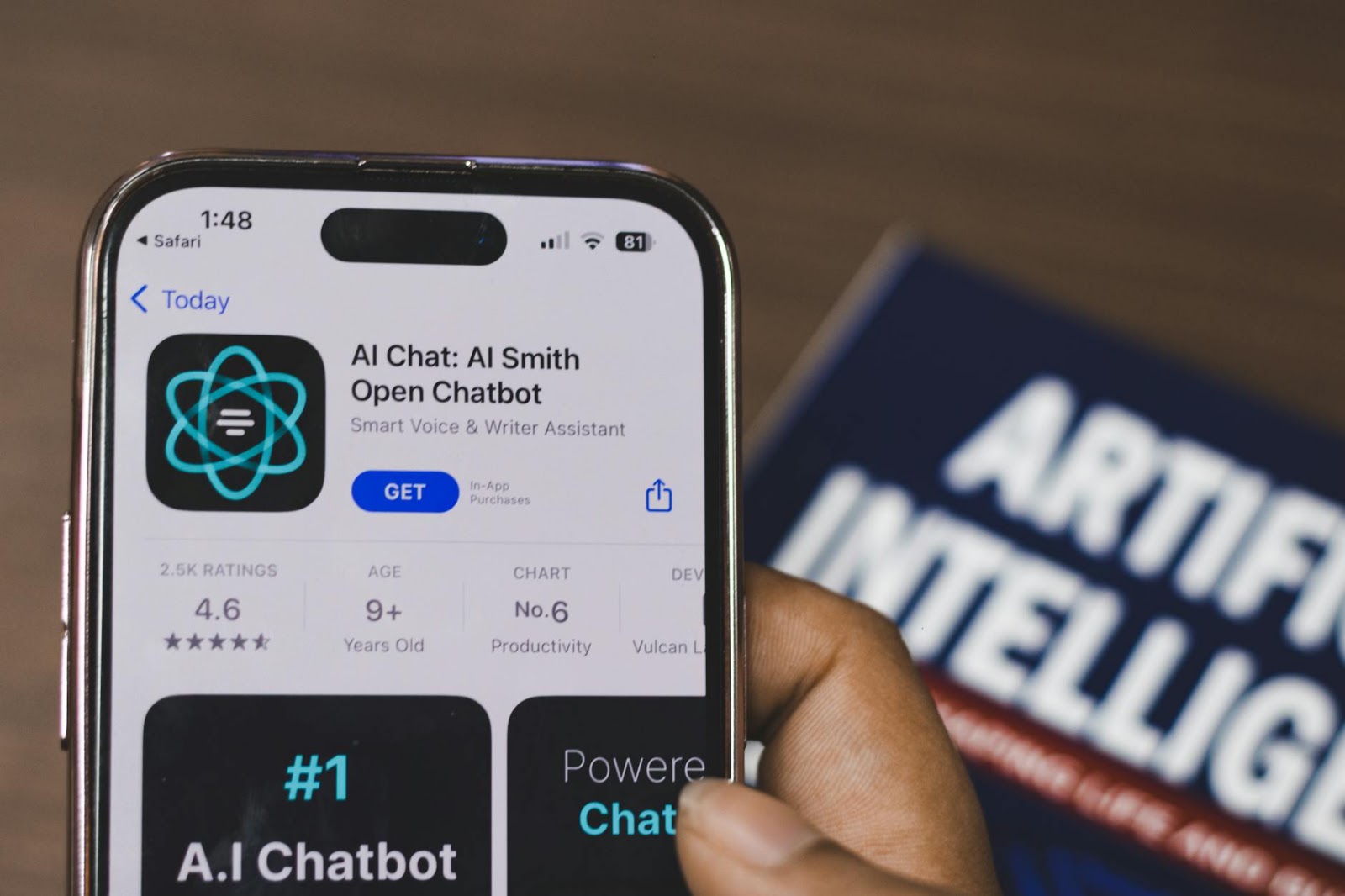 The future of AI Chatbot Market Share driven by mobile and global adoption
What This Means For YOU: Users, Developers, and Businesses
For users, this means an increasingly diverse and integrated AI landscape. You'll have more choices, and AI will become more deeply woven into the applications and devices you already use. The key will be understanding which AI best serves your specific needs.
For developers, the battle for market share presents both challenges and opportunities. Building on established platforms with vast user bases might become more appealing, but specializing in niche, high-value AI applications could still carve out a viable path. Understanding the strengths and weaknesses of each major player will be crucial.
For businesses, the implications are profound. Adopting AI isn't a luxury; it's a necessity. The choice of which AI platform to integrate will have significant strategic weight, impacting everything from customer service and marketing to product development. Betting on the right horse, or building a multi-AI strategy, could define future success.
The Road Ahead: Who Will Win the AI Chatbot War?
The Similarweb report for 2026 is a stark reminder that in the fast-paced world of AI, yesterday's victor is not guaranteed tomorrow's crown. The battle between ChatGPT and Gemini is more than just a contest of algorithms; it's a clash of ecosystems, strategies, and philosophies. While ChatGPT continues to innovate, Gemini's aggressive, integrated approach, especially in mobile and localized contexts, is clearly resonating. The AI Chatbot War has only just begun, and its outcome will reshape how we live, work, and interact with technology for decades to come. Will ChatGPT reclaim its lost ground, or will Gemini solidify its surprising surge into a dominant reign? Only time, and continued market shifts, will tell.
```