
Imagine a future where your home anticipates your every need, adjusting lighting, temperature, and entertainment with seamless precision. This is the gleaming promise of the smart home – a technological utopia designed for ultimate convenience. But what if this promised paradise hides a darker truth?
What if the very devices meant to simplify your life are silently siphoning your privacy, draining your bandwidth, and can be rendered useless by a corporate whim?
Recent events suggest the smart home isn't just about futuristic comfort; it's a battleground for your data, your control, and your peace of mind. The illusion of effortless living is slowly giving way to a stark reality: the smart home revolution comes with hidden costs nobody wants to talk about.
The Invisible Drain: Your Smart Home's Hidden Bandwidth Hunger
You’ve invested in the latest smart thermostat, lighting system, and security cameras, expecting a seamless experience. Yet, you might notice your internet connection occasionally feels sluggish, even when you're not streaming 4K video. The culprit? Your 'idle' smart home devices. Recent reports reveal that these connected gadgets aren't always dormant when not actively controlled. They’re constantly communicating, checking for updates, sending diagnostic data, and sometimes, even transmitting telemetry that you’re not explicitly aware of. This hidden data usage, often underestimated, can quietly eat away at your internet bandwidth, especially for households with numerous smart devices.
Consider your smart doorbell. It's not just active when someone rings; it's often continuously monitoring for motion, uploading clips to the cloud, and running facial recognition algorithms in the background. Your smart speaker is perpetually listening for its wake word, processing audio. Each of these tiny, continuous data streams adds up, creating a persistent background hum on your network. This isn't just an inconvenience; it can impact the performance of other critical activities, from remote work video calls to online gaming. Moreover, the constant data flow raises significant privacy questions: exactly what information are these devices sending, and to whom? While manufacturers tout security, the sheer volume and continuous nature of this invisible data exchange make many consumers uneasy. Solutions exist, from segmenting your smart home network to scheduling updates and disabling non-essential features, but they require a level of technical savvy that defeats the 'effortless' promise.
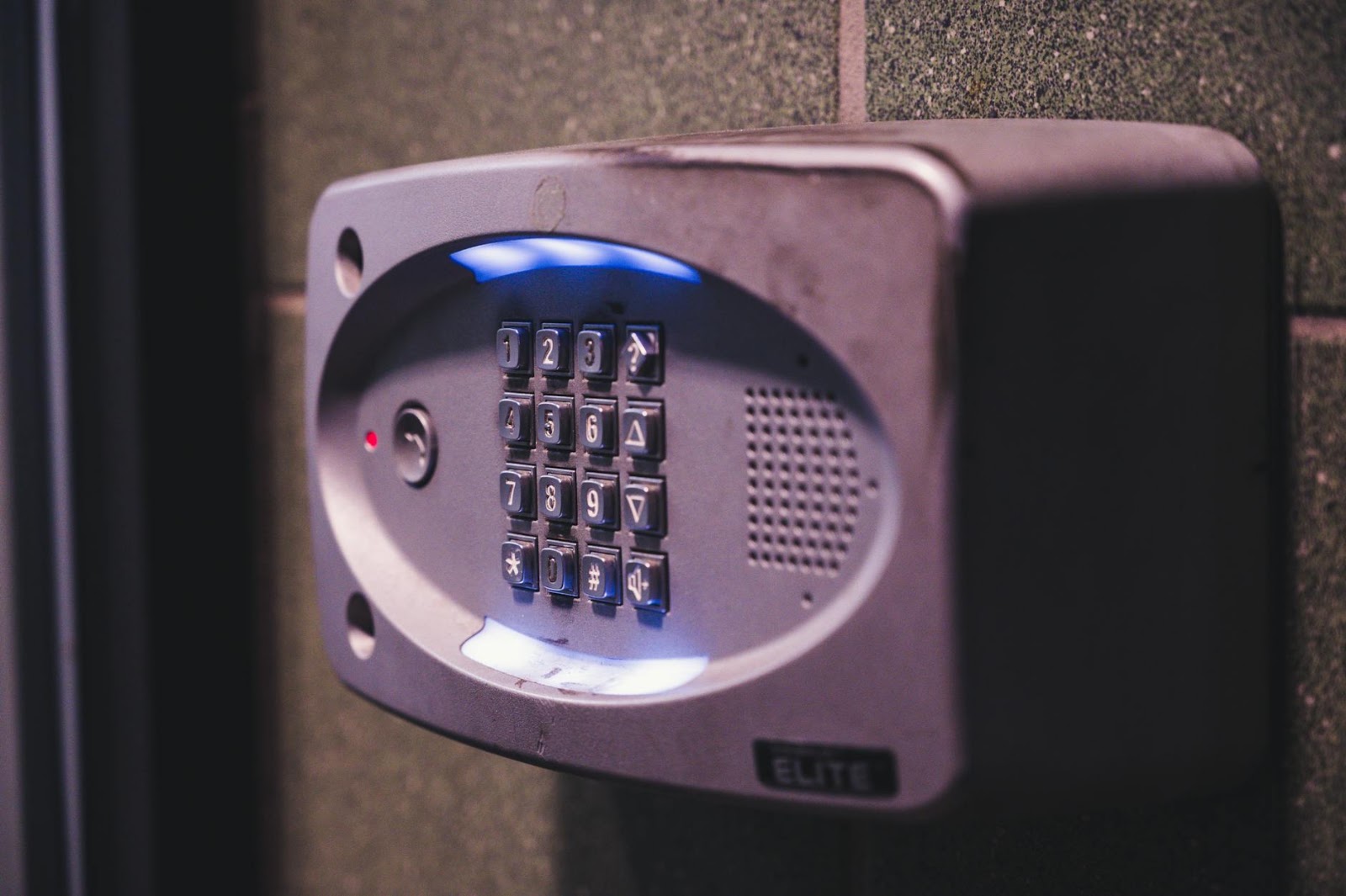 A conceptual image of a person feeling trapped by a smart lock failure, illustrating smart home security vulnerabilities and loss of control.
The Digital Chains: When Your Smart Devices Become Bricks
Perhaps even more alarming than hidden data usage is the chilling prospect of digital obsolescence – not due to hardware failure, but by corporate fiat. Imagine waking up one day to find your expensive smart lighting system or climate control hub has lost its 'smart' features because the manufacturer decided to pull the plug on its supporting servers or software. This isn't a hypothetical nightmare; it's a recurring reality. We’ve seen instances where companies arbitrarily switch off features, render devices useless, or abandon entire product lines because they no longer make financial sense. For consumers, this translates into a significant loss of investment and, more importantly, a profound breach of trust.
When you buy a traditional appliance, you own it, and its functionality is inherent. With many smart home devices, you're not truly owning the 'smart' capabilities; you're often renting access to a service that can be revoked at any time. This fundamental shift in ownership paradigm creates 'digital chains' – binding you to a manufacturer's ecosystem and their long-term business decisions. Why invest hundreds, even thousands, in a smart home ecosystem if its core functionality can vanish overnight? This issue strikes at the heart of consumer confidence and calls into question the long-term viability and sustainability of current smart home models. The industry desperately needs more open standards, better interoperability, and stronger consumer protections to ensure that a purchased device remains functional for its reasonable lifespan, irrespective of a company’s changing priorities.
The Security Paradox: Convenience vs. Control
The allure of a home that anticipates your needs is powerful, but it often comes with a Faustian bargain: exchanging absolute control for convenience. Nowhere is this more acutely felt than in smart home security. The promise of keyless entry, remote monitoring, and automated safety protocols sounds revolutionary. Yet, the same technology that grants you seamless access can, ironically, lock you in – or worse, expose your home to unauthorized access. The chilling account of being locked inside one's own home due to a smart lock failure is a stark reminder of the fragile balance between innovation and basic safety.
Smart locks, security cameras, and integrated alarm systems are only as strong as their weakest link. Vulnerabilities in software, insecure network configurations, or even simple human error can transform these advanced safeguards into gaping entry points for cybercriminals. Beyond the physical risks, there's the pervasive threat of data breaches, where personal routines, living habits, and even private conversations (picked up by smart speakers) can be exposed. The constant connectivity that enables smart home convenience also presents a vast attack surface, demanding sophisticated cybersecurity measures from both manufacturers and users. As we embrace interconnectedness, we must critically evaluate whether the perceived gains in convenience outweigh the potential loss of personal control and the inherent security risks.
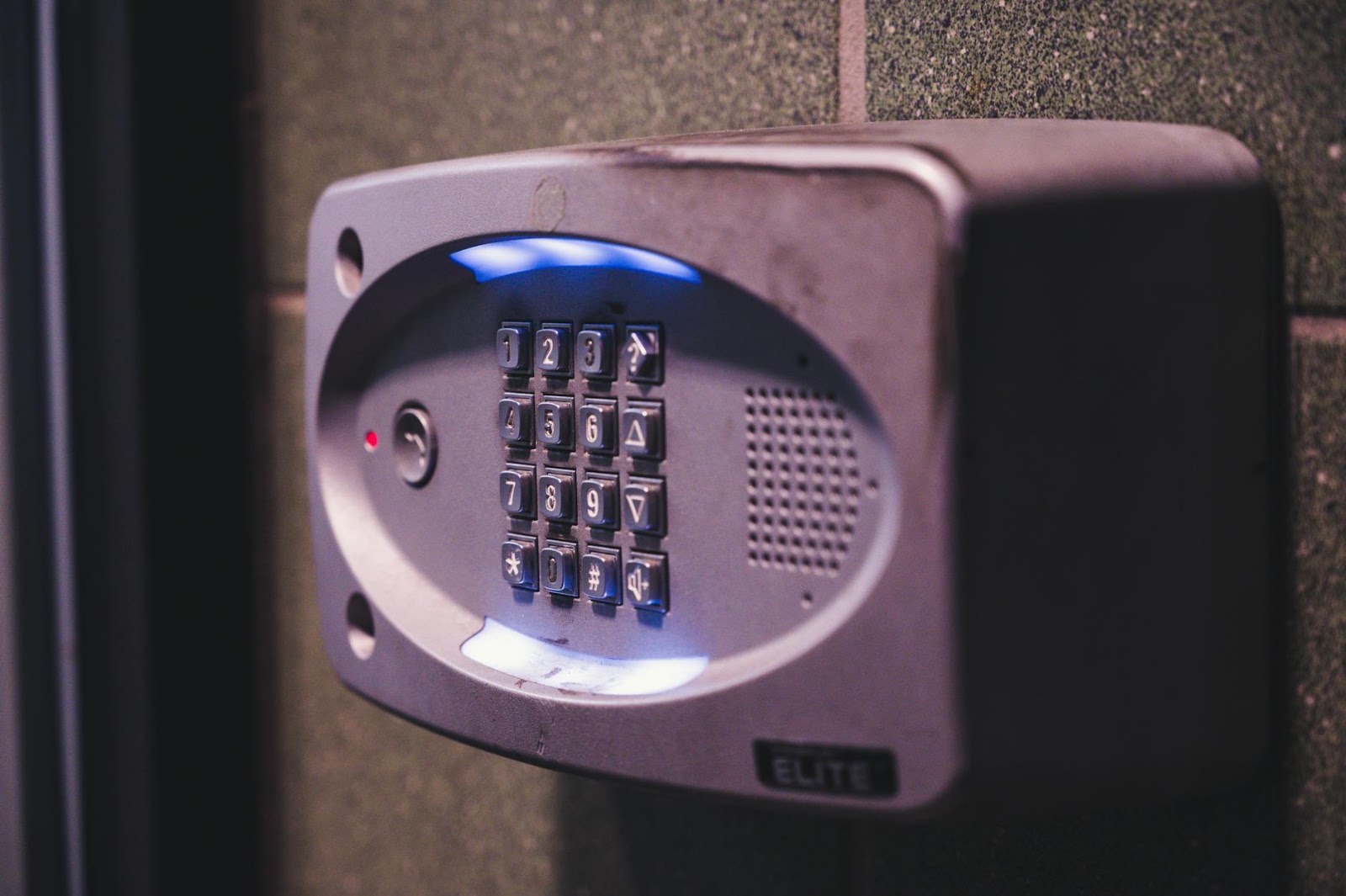 A conceptual image of a person feeling trapped by a smart lock failure, illustrating smart home security vulnerabilities and loss of control.
The Allure of Automation: Where Smart Homes Shine (And Why We Still Buy In)
Despite these growing concerns, the smart home market continues its rapid expansion, driven by undeniably compelling benefits. The sheer convenience offered by devices like smart plugs, which allow you to remotely control lights, appliances, or even set digital curfews for kids' electronics, is a game-changer for many. Integrated smart home features, as showcased by custom builders like Picklo Homes, promise enhanced comfort, energy efficiency, and a truly personalized living experience from the ground up. The latest innovations revealed at events like CES 2026 – from advanced health monitors integrated into mirrors to hyper-efficient robotic cleaning systems and cutting-edge smart home gyms – continue to paint a picture of a more comfortable, connected, and intelligent future.
These advancements aren't just about novelty; they offer genuine improvements to daily life. Imagine optimizing your home's energy consumption with intelligent thermostats, receiving instant alerts about potential water leaks, or ensuring your elderly loved ones are safe and comfortable through unobtrusive monitoring. The promise of accessibility for those with mobility challenges, enhanced security through proactive alerts, and the simple joy of having tasks automated away are powerful motivators. It’s this genuine utility and transformative potential that keep consumers engaged and the industry innovating, even as the complexities and pitfalls become more apparent. The challenge, then, isn't to reject the smart home outright, but to approach its adoption with eyes wide open.
Reclaiming Your Kingdom: A User's Guide to Smart Living (Not Just Surviving)
Navigating the smart home landscape doesn't have to feel like a surrender. Reclaiming control starts with informed choices and proactive measures.
First, research before you buy. Investigate manufacturer reputations for privacy, security updates, and long-term device support. Prioritize brands committed to open standards and local processing where possible, reducing reliance on cloud services.
Second, segment your network. Create a separate Wi-Fi network specifically for your smart home devices, isolating them from your primary computers and sensitive data. This 'IoT network' acts as a buffer against potential breaches.
Third, master your settings. Don't just unbox and connect. Dive into app settings, disable unnecessary data collection, and scrutinize privacy policies. Use strong, unique passwords for every device and enable two-factor authentication whenever available.
Fourth, consider local expertise. For complex installations or bespoke smart home systems, consulting local electricians or specialized smart home integrators, like those updated in Fort Wayne, can ensure proper, secure setup that aligns with your specific needs and concerns.
Finally, regularly update and audit. Software updates often include critical security patches. Make it a habit to check for and install updates, and periodically review your device inventory and network activity for anything unusual. The smart home offers incredible potential, but it demands vigilance. By understanding the risks and taking deliberate steps, you can harness its power without sacrificing your privacy or peace of mind.
 A person confidently interacting with and managing their smart home devices, symbolizing empowered smart home adoption and user control.
Conclusion
The smart home, in its current iteration, is a dual-edged sword. It promises unparalleled convenience and efficiency but often delivers hidden costs in the form of bandwidth drain, potential obsolescence, and undeniable security vulnerabilities. To truly thrive in this connected future, we must move beyond the marketing hype and embrace a more critical, informed approach. Your home should be your sanctuary, not a silent spectator or a corporate pawn. By demanding transparency, prioritizing security, and actively managing your digital domain, you can indeed build a smart home that truly serves you, not the other way around. The power to reclaim your kingdom, and your peace of mind, lies in your hands.
```