
Imagine a world where the perfect outfit is just a selfie away. No more cramped dressing rooms, no more guessing games, no more return hassles. This isn't science fiction; it's the audacious promise of AI virtual try-on, and it's here. But as the fashion industry gleefully embraces this digital mirror, a pressing question looms: Are we truly ready for a future where algorithms dictate our style, or are we flirting with a sartorial uncanny valley we didn't ask for?
The Unstoppable Ascent of AI Virtual Try-On: Convenience Meets Conversion
The fashion industry has always been a blend of art and commerce, but never before has technology promised such a radical overhaul of the consumer experience. Enter AI virtual try-on, a game-changer poised to redefine how we interact with clothing online. For brands, the appeal is undeniable: imagine a significant reduction in product returns—a perennial pain point in e-commerce—and a dramatic boost in conversion rates. Platforms like Style3D AI aren't just predicting these benefits; they're delivering them, reporting conversion rate increases of up to 30%. This isn't merely about convenience; it's about optimizing the entire retail workflow, transforming browsing into buying with unprecedented efficiency. Shoppers, too, are promised a seamless, intuitive experience, moving beyond static images to dynamic, personalized visualizations.
Platforms like Style3D AI aren't just predicting these benefits; they're delivering them, reporting conversion rate increases of up to 30%.
Beyond the Selfie: Generative AI's Hyper-Realistic Leap
What once felt clunky and rudimentary—uploading full-body shots and hoping for the best—has now been rendered almost obsolete. Thanks to breakthroughs in generative AI, the barrier to entry for virtual try-on has plummeted. Google’s latest innovation allows users to upload a simple selfie, then leverages sophisticated AI to generate a full-body digital avatar, meticulously dressing it in any garment. This isn't just a filter; it's an intelligent simulation, adapting clothing drape, texture, and fit to the unique contours of the virtual you. Forget awkward poses in bad lighting; the technology now delivers studio-quality visuals, presenting an ideal version of how an outfit would look. Accessible platforms like AdpexAI further democratize this technology, offering browser-based, 'AI clothes changer online free' options that empower users to experiment with fashion confidently, removing prior technical hurdles.
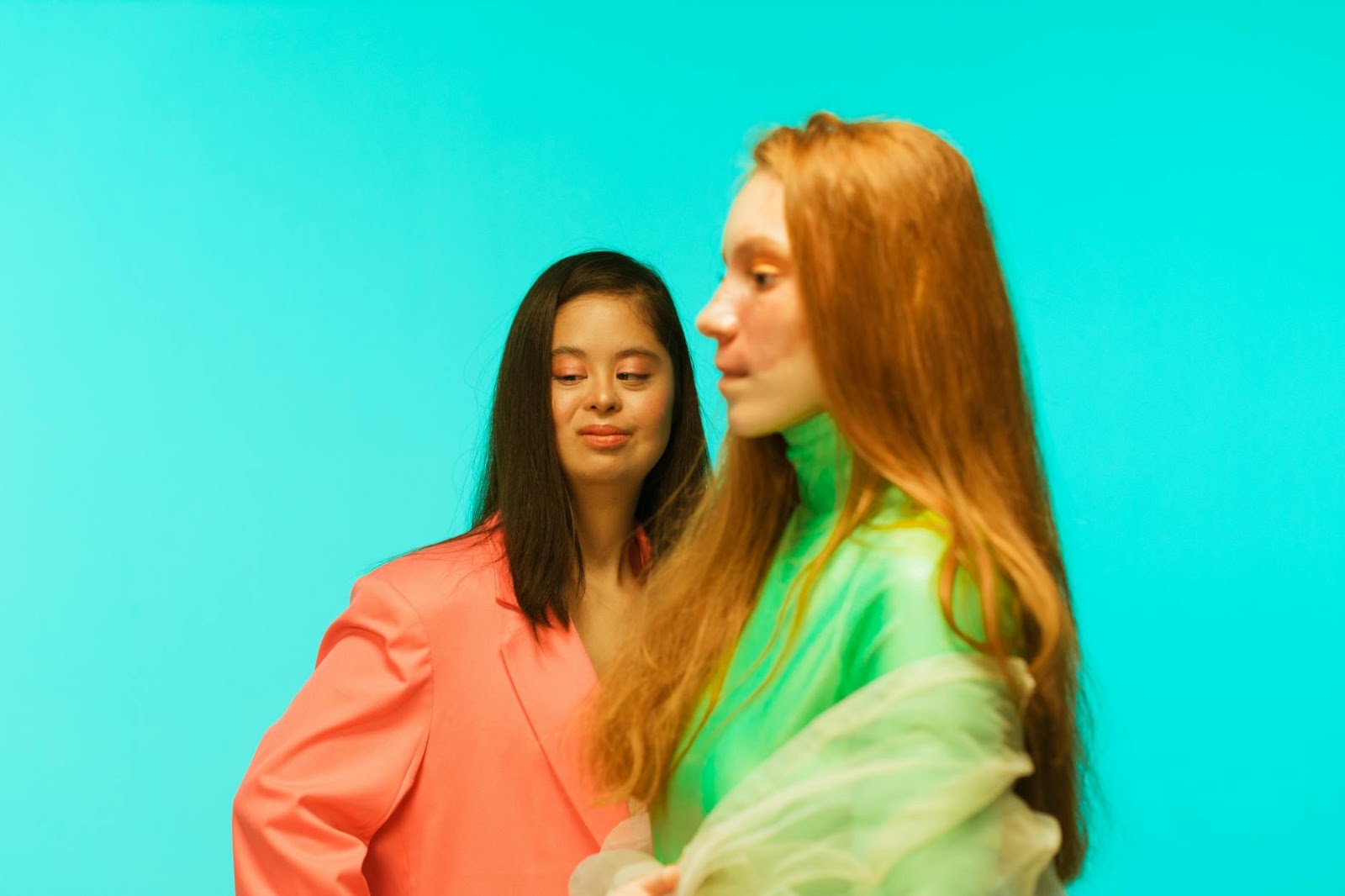 Diverse AI-generated models showcasing new fashion-tech.
The Uncomfortable Truth: Will Shoppers Actually Adopt It?
While the technological advancements are breathtaking, the true litmus test for AI virtual try-on isn't its capability, but its adoption. The industry buzzes with excitement, yet a compelling counter-narrative is emerging, questioning if hyper-realistic digital perfection truly resonates with human desires. As BoF astutely points out, 'the next challenge is getting people to actually use the technology.' There's a nascent movement, highlighted by outlets like Khaleej Times, that actively rejects frictionless tech in favor of raw, chaotic, 'human mess' style. Are we, as consumers, ready to trade the tactile experience of fabric, the serendipity of an unexpected fit, or the communal ritual of shopping with friends, for a perfectly rendered digital simulation? The 'uncanny valley' isn't just a visual phenomenon; it's a psychological one, where too much perfection can feel alienating, stripping away the authentic joy and imperfections inherent in real-world fashion.
As BoF astutely points out, 'the next challenge is getting people to actually use the technology.'
The Ethical Mirror: AI Models, Brand Identity, and Authenticity
The conversation around AI in fashion extends far beyond the individual shopper trying on clothes. Brands like Zara and H&M are already tapping into generative AI to create entire fashion imagery campaigns using AI clones of models. This strategic move, while potentially cutting costs and increasing efficiency, opens up a Pandora’s Box of ethical questions. What does it mean for human models in the industry? How does it impact brand authenticity when the faces showcasing the clothes aren't real? The allure of AI perfection could lead to a homogenized aesthetic, erasing the diversity and unique narratives that real human models bring to fashion storytelling. As the line between the real and the simulated blurs, brands must navigate a delicate balance, ensuring that their pursuit of technological advancement doesn't inadvertently alienate a consumer base increasingly craving genuine connection and transparency.
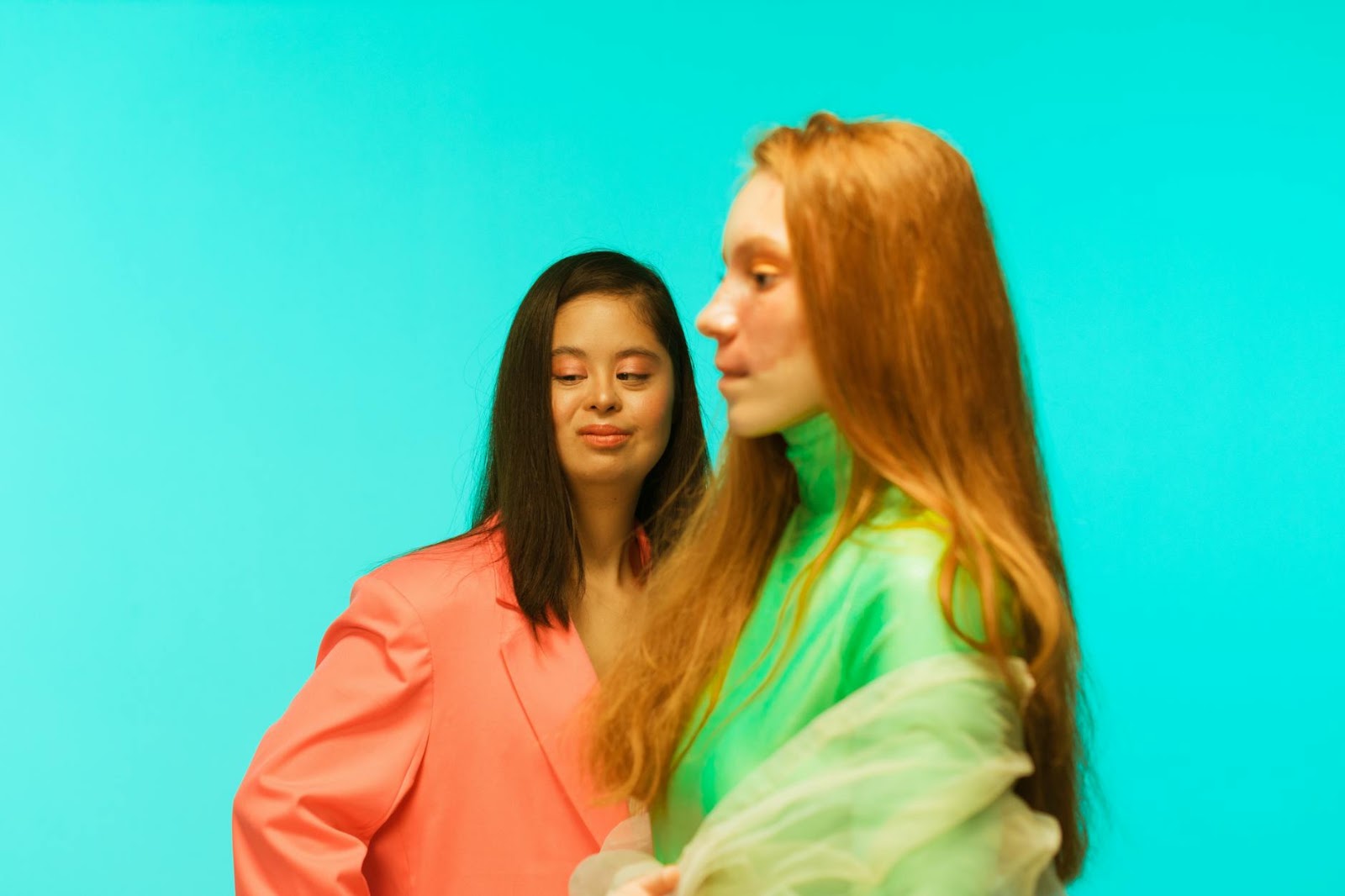 Diverse AI-generated models showcasing new fashion-tech.
The Future Wardrobe: Beyond Just Trying On
Looking to 2026 and beyond, the trajectory of AI virtual try-on and broader fashion-tech is undeniably towards deeper integration. Vogue predicts AI will not only dominate cultural and fashion conversations but also fundamentally impact how brands sell and protect their intellectual property. The vision isn't just about trying on a digital outfit; it's about an AI-powered ecosystem that learns your preferences, curates personalized recommendations, and perhaps even assists in designing bespoke garments. Tech companies are racing to become 'consumers’ trusted one-stop shops,' leveraging advancements in AI image and video generation tools to create richer, more immersive shopping realities. This future promises hyper-personalization, but also hints at a world where fashion choices might be subtly guided, or even predefined, by algorithms, challenging our very notion of individual style.
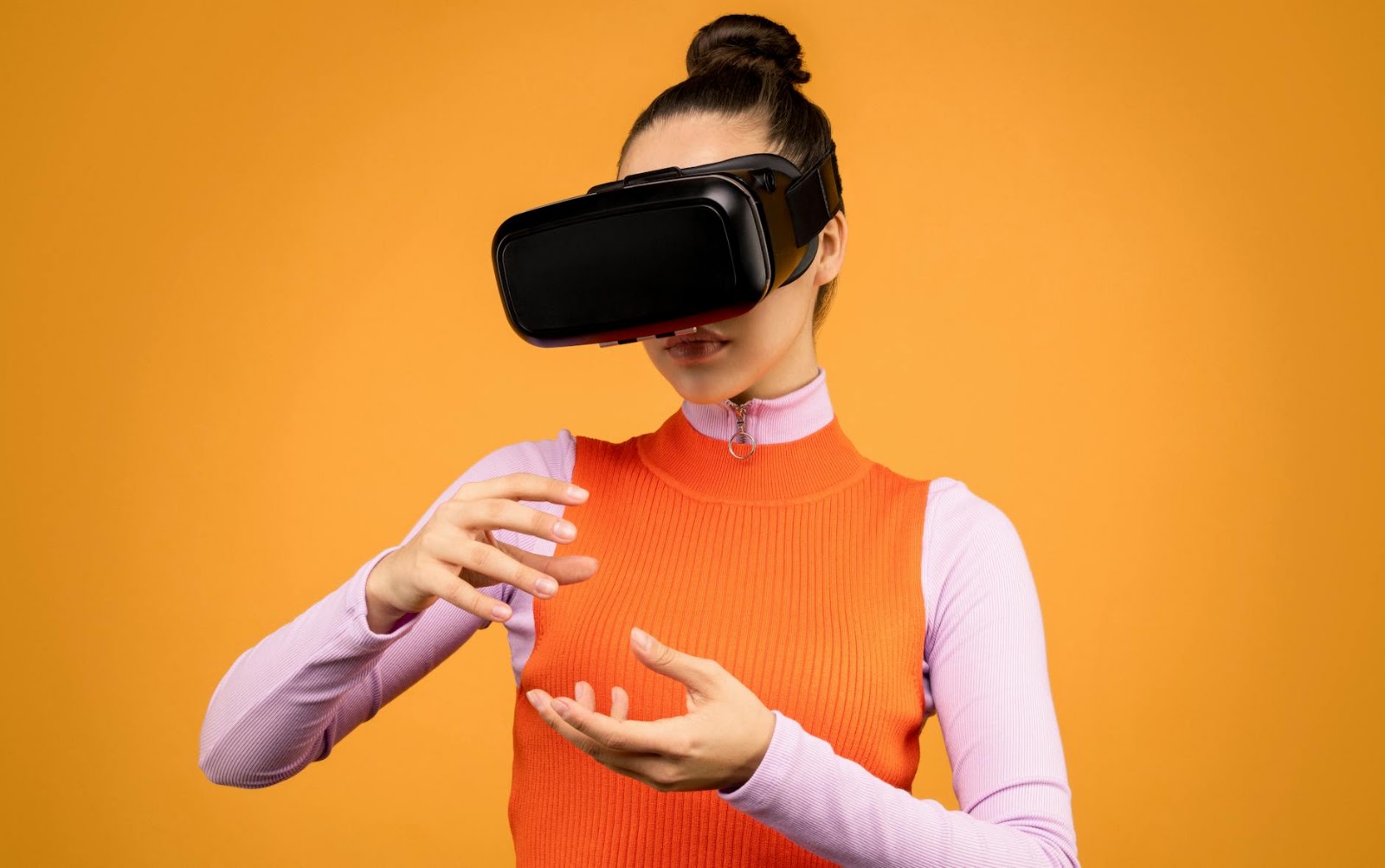 Human hand interacting with virtual try-on fabric, merging digital and physical fashion.
The AI virtual try-on revolution is here, undeniably offering unparalleled convenience, efficiency, and personalization. From a simple selfie to a hyper-realistic virtual fitting, the technology is advancing at a breathtaking pace. Yet, beneath the polished surface of digital perfection lies a fascinating human dilemma: how much virtuality are we willing to embrace before we lose touch with the authentic, sometimes messy, reality of fashion? The next few years won't just be about technological leaps; they'll be about a profound societal conversation on trust, authenticity, and the very definition of style in a digitally augmented world. Are you ready to step into the digital mirror, or will you demand a reflection that feels more... human?"
```