
Imagine a world where clothes always fit. Where the agonizing ritual of returning ill-fitting online purchases becomes a distant, nightmare memory. For years, this was merely a shopper's fantasy. But now, powered by breakthroughs in generative AI, the digital dressing room is not just a concept—it's here, and it’s promising to rewrite the rules of fashion retail. The real question isn't if AI virtual try-on is transformative, but are you ready for fashion to change this dramatically, this fast?
The real question isn't if AI virtual try-on is transformative, but are you ready for fashion to change this dramatically, this fast?
For decades, online shopping has been a double-edged sword: convenience at your fingertips, but a minefield of sizing guesswork and disappointing deliveries. Enter AI virtual try-on, a technology poised to solve fashion's most persistent pain points, from fit anxiety to the sheer environmental cost of product returns. But beyond the undeniable hype, what does this mean for shoppers, brands, and the very fabric of the fashion industry?
The Digital Dressing Room is Open: Beyond the Hype of AI Virtual Try-On
AI virtual try-on isn't just a fancy filter; it's a sophisticated interplay of generative AI, computer vision, and hyper-realistic rendering that maps garments onto your unique body shape, skin tone, and posture. This isn't the clunky avatar system of yesteryear; this is you, in stunningly realistic digital apparel. Platforms like Style3D AI are leading this charge, creating pipelines for hyper-personalized fittings that were once sci-fi dreams, offering dynamic simulations of how fabric drapes and moves.
Innovation is accelerating at warp speed. Google's updated AI try-on feature now lets you visualize yourself in virtually any outfit from just a selfie. This democratizes access to advanced AI virtual try-on technology, removing significant barriers for the average consumer who might hesitate to upload a full-body picture. This ease of use is critical for mass adoption and signals a pivotal shift in consumer-facing fashion-tech innovation. Retail giants like Zalando are already integrating these systems, betting big on a future where 'trying on' means never leaving your couch.
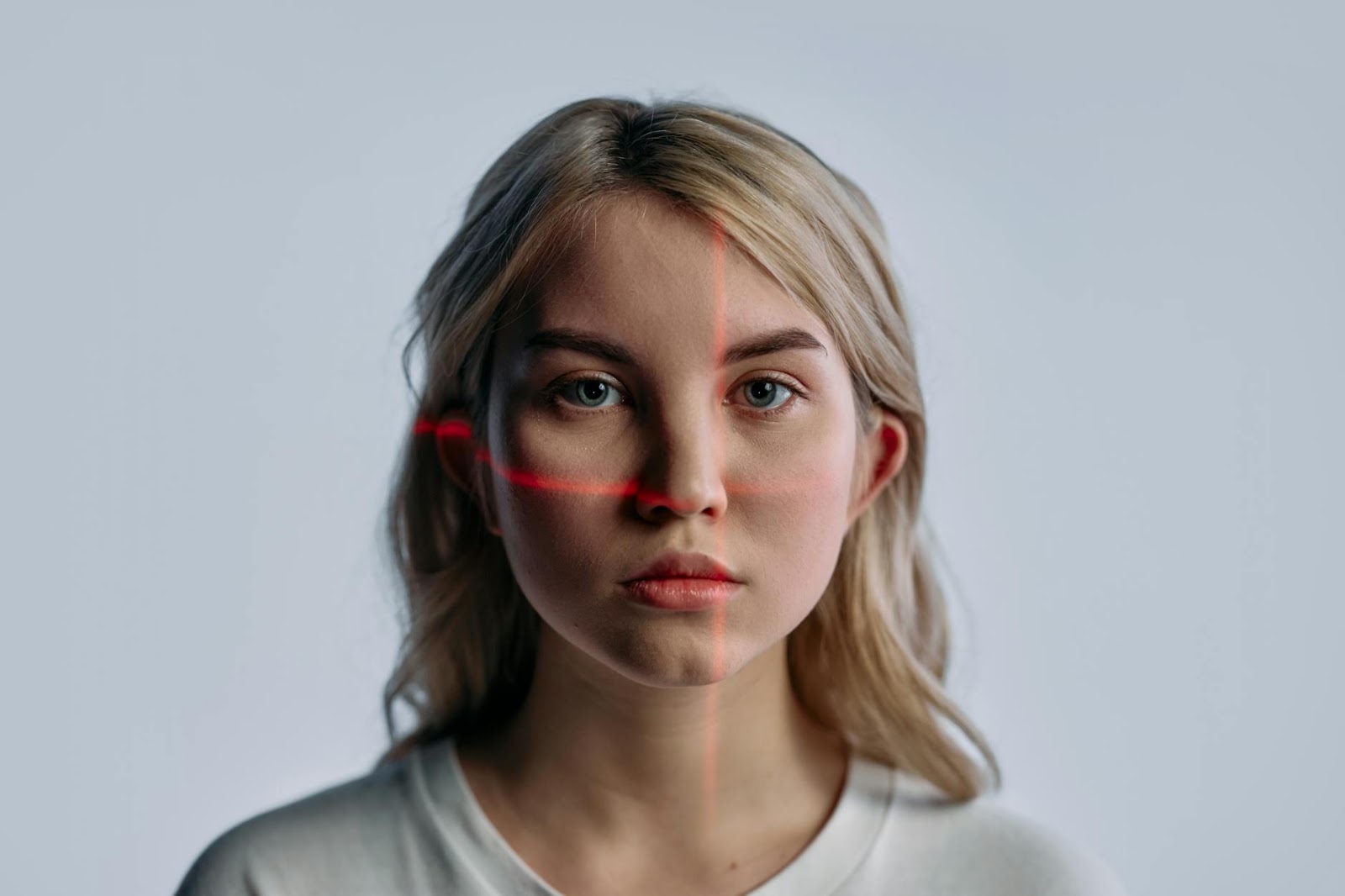 Conceptual image showing data privacy and security concerns amidst advanced AI virtual try-on systems in fashion.
The Unseen Revolution: Why Retailers ARE Betting Big (and Why You Should Care)
The dirty secret of online fashion retail? Returns. They're an ecological nightmare—billions of items shipped back and forth, contributing to massive carbon footprints and mountains of waste. They're also a massive drain on profitability, costing retailers upwards of $600 billion annually. AI virtual try-on offers a brutal, elegant solution.
Companies leveraging this technology report up to a 30% reduction in product returns, a figure that sends shivers of delight down every CFO's spine.
This isn't just about saving money; it’s about sustainability and smarter resource management.
Beyond returns, the power of this technology lies in hyper-personalization. Imagine biometric data informing not just size, but drape, texture, and how a fabric moves on *your* unique body. Imagine AI-driven recommendations that suggest outfits based on your existing wardrobe, your style preferences, and even your mood. This isn't just about reducing returns; it’s about increasing conversion rates, enhancing customer satisfaction, and fostering deeper brand loyalty through an unparalleled online clothes fitting experience. This level of personalized, frictionless shopping is the bedrock of the next generation of e-commerce.
The Human Element: Will We Trust the Algorithms?
Despite the undeniable tech prowess, the biggest hurdle for widespread adoption of AI virtual try-on remains human trust. As BoF rightly asks, 'Will shoppers use it?' The answer lies in the uncanny valley—how realistic is 'realistic enough'? Early iterations were often clunky, producing stiff, unconvincing renderings that eroded confidence. However, advancements in generative AI have shattered many of those limitations, delivering photorealistic simulations that are increasingly indistinguishable from real life.
As BoF rightly asks, 'Will shoppers use it?' The answer lies in the uncanny valley—how realistic is 'realistic enough'?
Then there's the inevitable question of data. Uploading selfies, body scans, and potentially biometric data for a truly hyper-personalized experience raises legitimate privacy concerns. Brands investing in AI virtual try-on must not only perfect the technology but also transparently address user data security and build robust trust frameworks. This is where the battle for consumer loyalty will be won or lost. Without a clear commitment to privacy, even the most cutting-edge AI virtual try-on solutions risk falling flat. The perceived 'creepiness' factor is real and must be actively managed.
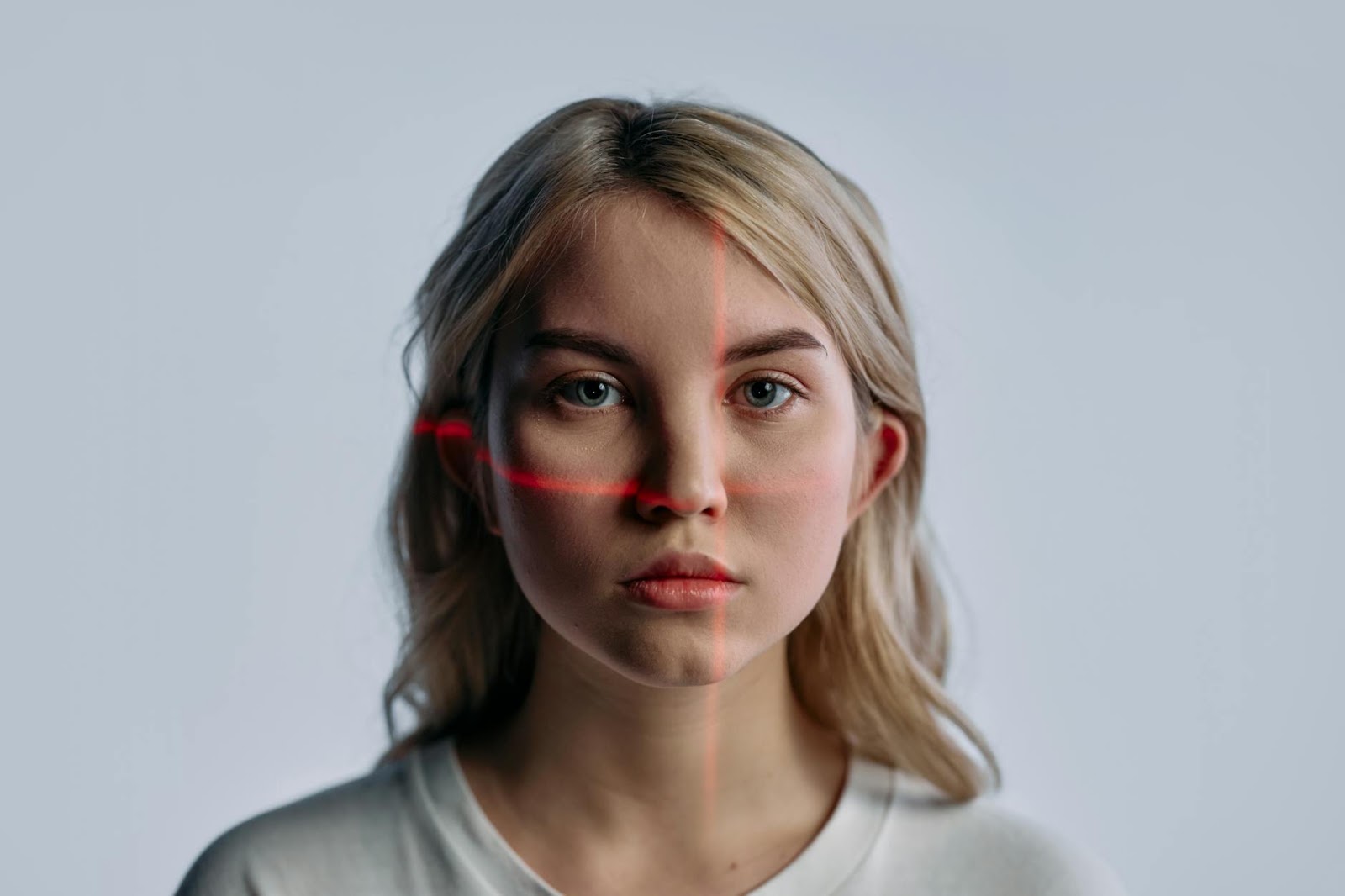 Conceptual image showing data privacy and security concerns amidst advanced AI virtual try-on systems in fashion.
More Than Just Clothes: AI's Wider Shake-Up in Fashion
The influence of AI extends far beyond the digital dressing room. Zara and H&M are already using AI to generate fashion imagery with real-life models—or AI clones of them—redefining marketing and content creation, often at a fraction of the cost and time of traditional photoshoots. The Zoe Report highlights how AI platforms are helping with smarter shopping, outfit planning, and trend forecasting, turning ordinary browsers into personal stylists and trend analysts.
This isn't just about the consumer experience; it's about the industry itself. The BoF-McKinsey State of Fashion 2026 report warns that AI is shaking up fashion’s workforce, transforming existing roles and creating entirely new ones. From AI-powered designers creating novel patterns to data scientists optimizing supply chains, adaptability isn't a buzzword; it's a blueprint for survival. The fashion-tech innovation wave demands new skills, new roles, and a new mindset across the entire value chain.
The BoF-McKinsey State of Fashion 2026 report warns that AI is shaking up fashion’s workforce, transforming existing roles and creating entirely new ones.
The Future of Fit: What's Next for AI in Fashion?
Expect AI virtual try-on to become seamlessly integrated into every facet of our digital lives. From predictive fashion recommendations based on your social media activity, past purchases, and even your calendar, to immersive augmented reality (AR) experiences where you can 'walk around' your living room in a digital garment, the lines between physical and virtual will blur. We're already seeing hints of this with autonomous agents assisting in online shopping and the burgeoning metaverse creating new digital fashion economies.
Further innovations could include haptic feedback technology, allowing you to 'feel' the texture and drape of a fabric through specialized gloves or smart devices. The ultimate goal is a truly holistic, intuitive, and hyper-personalized shopping journey where the question of fit or style becomes obsolete, replaced by absolute confidence in every purchase. This is the promise of AI-driven fashion-tech innovation: a perfectly tailored world.
The Seamless Wardrobe of Tomorrow, Today?
AI virtual try-on is not just a fleeting trend; it’s a foundational shift in how we interact with fashion. It tackles critical industry pain points like returns, elevates the customer experience through unprecedented personalization, and sets the stage for a truly intelligent retail future. While challenges like consumer trust, data privacy, and technological refinement remain, the momentum is undeniable.
For consumers, it promises an end to fitting room frustration and a radical improvement in online shopping satisfaction. For brands, it offers massive cost savings, reduced environmental impact, and a powerful new tool for customer engagement. The choice for consumers and brands isn't whether to engage with this technology, but how. Ignore the digital dressing room at your peril, for the future of fashion isn't coming—it's already here, waiting for you to try it on. Are you ready to step into it?
Ignore the digital dressing room at your peril, for the future of fashion isn't coming—it's already here, waiting for you to try it on.
 A futuristic retail store with holographic displays showcasing new fashion collections using AI virtual try-on.