
Swipe, match, chat. Repeat. For a generation drowning in digital connection yet paradoxically plagued by a loneliness epidemic, dating apps promised a portal to love. But after years of swiping fatigue, ghosting, and lukewarm connections, the digital romance landscape feels more like a desert. Enter AI: the new messiah promising to fix our broken hearts and optimize our love lives. Dating apps are betting millions on it, but the pressing question remains: are AI dating apps genuinely paving the way for deeper connections, or are they simply constructing a more sophisticated, yet ultimately hollow illusion of intimacy?
Consider this startling reality: despite unprecedented connectivity, reports indicate a significant rise in feelings of isolation, especially among younger demographics.
Apps like Hinge, Tinder, and Bumble initially offered hope, but the endless scroll has become a source of burnout. Now, these very platforms, along with a new wave of startups, are turning to Artificial Intelligence to reignite the spark. They promise an AI-powered wingman, sophisticated matching algorithms, and even voice AI to encourage more in-person dates. It sounds like science fiction, but the future of romance is here, and it's powered by lines of code. However, beneath the polished promises lies a complex web of implications that could redefine what 'finding love' even means.
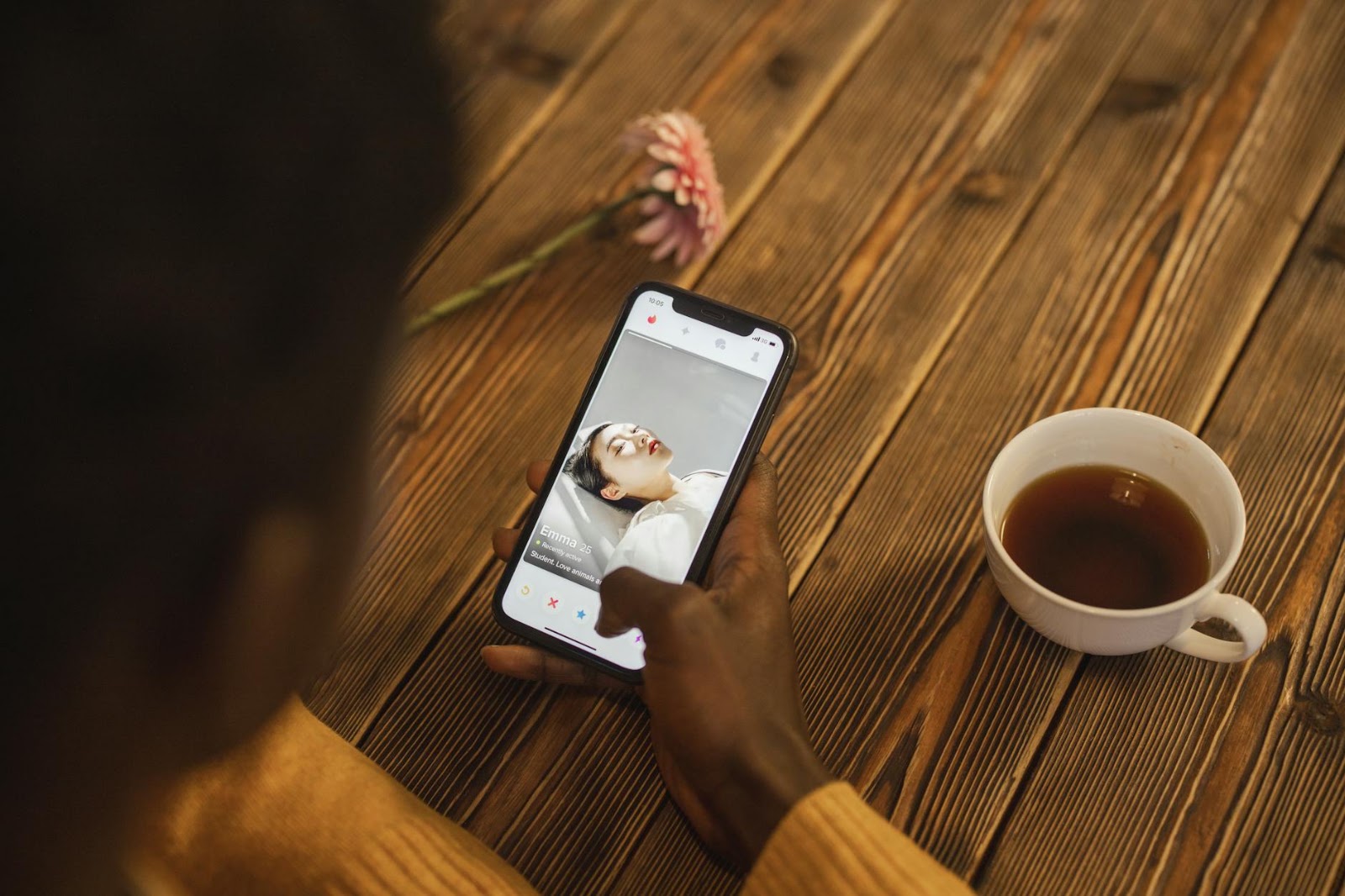 A person looking lonely while scrolling on a smartphone, illustrating the emotional toll of AI dating apps and online dating fatigue.
The Allure of the Algorithm: Why We're Hooked on AI's Promises
The appeal of AI in dating is undeniable. We're tired of wasted time, bad dates, and the emotional toll of constant rejection. AI promises efficiency, precision, and a personalized experience that a human could never provide. The vision is seductive: an intelligent agent sifting through millions of profiles, learning your deepest desires, unspoken preferences, and even your conversational style to present you with not just a match, but your perfect match.
Apps are incorporating AI to craft opening lines, optimize profiles, and predict compatibility with an almost eerie accuracy. Some even employ voice AI to help users practice conversations before a real date, aiming to reduce anxiety and promote more face-to-face interactions. Companies are investing heavily, hoping to combat the 'swiping fatigue' that has left millions disillusioned. The narrative is clear: AI isn't just a tool; it's the solution to modern romance's biggest problems. It's designed to cut through the noise, reduce friction, and ultimately, deliver love on a silver platter.
Yet, this hyper-efficiency raises crucial questions. Are we outsourcing our romantic intuition to an algorithm? While the idea of a digital cupid sounds appealing, what are we sacrificing in the process? The thrill of serendipity, the messy beauty of misunderstanding, and the growth that comes from navigating imperfect human interactions are all elements that could be optimized out of existence. The promise is a tailored experience, but the reality might be a sanitized, predictable journey devoid of genuine, unscripted magic.
 A person looking lonely while scrolling on a smartphone, illustrating the emotional toll of AI dating apps and online dating fatigue.
Beneath the Surface: The Alarming Realities of AI in Dating
Despite the fervent hype, skepticism about AI's true impact on dating is growing. Wired magazine provocatively suggests that AI-powered dating is “all hype,” arguing that the future might just be good old-fashioned meet-cutes. And for good reason. "Alarming changes" are already being observed in online dating, with experts warning users to exercise due diligence. While AI can certainly suggest profiles, the deeper nuances of human attraction and connection remain stubbornly complex.
One of the most concerning aspects is the rise of the 'AI wingman' – users leveraging AI to craft messages, respond to prompts, and even develop entire personas. This might boost initial engagement, but it creates a layer of inauthenticity. Are you genuinely connecting with another person, or with their AI-generated facade? This digital charade can lead to disappointment when real-life interactions inevitably fall short of the algorithm's polished script. It risks making dating less about genuine self-expression and more about optimizing an artificial performance.
Furthermore, the algorithms themselves are not neutral. They are designed with specific goals, often to maximize engagement and keep users on the platform, which doesn't always align with finding a meaningful, long-term partner. AI can perpetuate existing biases, creating echo chambers where users are only shown what the algorithm *thinks* they want, rather than challenging them to expand their horizons. This could limit exposure to diverse individuals and reinforce superficial preferences, ultimately hindering the very goal of finding a genuine connection that transcends initial compatibility metrics.
The Human Cost: Are We Trading Connection for Convenience?
The drive towards AI-powered efficiency might be inadvertently stripping away the very elements that make human connection so profound. The loneliness epidemic isn't just about a lack of partners; it's about a lack of quality connections. As we increasingly rely on AI to mediate our interactions, are we losing the skills and confidence to form authentic bonds spontaneously?
Psychology Today highlights how AI could change our dating experience, urging preparation. But what are we preparing for? A world where AI-generated profiles and conversations become the norm? This could breed a new kind of anxiety: the fear that the person you're messaging isn't entirely real, or that your own unassisted messages aren't 'optimized' enough. The pressure to present a perfect, AI-curated version of ourselves can be exhausting and lead to deeper feelings of inadequacy.
Crucially, many daters are already burnt out by the current app landscape and are actively turning to 'offline romance' for deeper, more real connections. This resurgence of interest in traditional meet-ups, social events, and even intentional speed dating nights signals a profound yearning for unmediated human interaction. It suggests that while AI can offer convenience, it cannot replace the unpredictable, messy, and ultimately more rewarding journey of discovering another human being without a digital intermediary. The true essence of love lies in vulnerability, shared imperfections, and spontaneous moments – aspects that an algorithm, no matter how advanced, struggles to comprehend or replicate.
 Two individuals genuinely laughing together in a coffee shop, symbolizing authentic human connection beyond AI dating apps.
The Future of Love: Reclaiming Authenticity in an AI World
So, where does this leave us? Is AI the inevitable overlord of our love lives, or can we reclaim authenticity? The answer lies in mindful integration, not blind surrender. AI can be a powerful tool for initial filtering or even for breaking the ice, but it should never replace the fundamental human elements of intuition, effort, and genuine presence.
Users must become more discerning. As one expert advises, it's crucial to "do your due diligence" – verify identities, meet in safe public spaces, and share your location with friends. Beyond safety, it's about asking deeper questions: Am I using AI as a crutch, or as a genuine aid? Am I allowing an algorithm to define my preferences, or am I staying true to my evolving desires?
The future of dating may not be a complete rejection of AI, but rather a hybrid approach where technology serves humanity, not the other way around. We might see apps that prioritize facilitating real-world connections faster, rather than endless digital interactions. The return to prioritizing 'in-person dates' using voice AI, as some startups are exploring, hints at this shift. The ultimate goal should be to leverage technology to enhance human connection, not to dilute or replace it.
Conclusion: Beyond the Algorithm's Embrace
The promise of AI in dating apps is alluring: an end to swiping fatigue, perfect matches, and optimized romance. But as we stand on the precipice of this algorithmic revolution, a critical truth emerges: true connection flourishes in the unpredictable, the imperfect, and the genuinely human. While AI can certainly streamline the initial discovery phase, the profound journey of falling in love – with all its vulnerabilities, surprises, and unscripted moments – remains an exclusively human endeavor. Let AI be a guide, but never the destination.
```The greatest love stories are not coded; they are lived, felt, and courageously pursued, far beyond the confines of any algorithm.