
For years, the digital quest for love has felt less like a romantic journey and more like an endless scroll through a curated catalog of disappointment. Swipe fatigue is real, ghosting is rampant, and the promise of "happily ever after" remains elusive for many. Enter AI: the heralded savior of modern romance. From intelligent matchmakers to AI-powered wingmen, AI dating apps are pouring millions into artificial intelligence, betting it can reignite our passion for digital dating.
But is AI truly the cupid we've been waiting for, or just another layer of algorithmic complexity between us and genuine connection?
The Siren Song of AI: Is Smarter Matching the Answer?
The current generation of dating apps, plagued by user burnout, is desperate for a reset. Companies like Tinder, Hinge, and Bumble are integrating AI features designed to move beyond superficial swipes. New players like Amata, Keeper, and Overtone are emerging, built from the ground up on AI principles. We're talking sophisticated algorithms that promise to understand your preferences better than you do, chatbots that craft your opening lines, and even voice AI (like in Known) aiming to facilitate more meaningful in-person dates.
The industry's narrative is clear: AI isn't just an add-on; it's the core engine of future relationships, designed to combat the "loneliness epidemic" by optimizing human connection.
The vision is seductive: an AI that learns from your interactions, predicts compatibility, and finally delivers your "soulmate" without the endless, draining effort. This bold bet on AI dating apps promises to transform our search for companionship, making it more efficient, more intuitive, and ultimately, more successful.
 User navigating the complexities of AI dating apps for networking
The Reality Check: When AI Meets Human Hearts
Despite the high-tech promises and venture capital pouring in, the real-world results of AI matchmaking are, well, complicated. Many users who’ve experimented with these advanced algorithms, like those on Amata or Sitch, often find themselves… still single. WIRED recently questioned if AI-powered dating is "all hype," suggesting that traditional, organic "IRL cruising" might be a more effective path to connection.
The truth is, while AI excels at pattern recognition and data processing, it struggles with the nuanced, often illogical, and deeply human elements of attraction and chemistry. Can an algorithm truly quantify the spark in a conversation, the comfort of shared silence, or the subtle micro-expressions that define genuine connection? The current iteration of AI risks over-optimizing for easily quantifiable traits, potentially overlooking the serendipity and imperfections that often lead to the most profound relationships. It's not just about finding a match; it's about finding a connection, and that's a much harder problem for even the smartest algorithms to solve.
The disillusionment many users feel points to a fundamental truth: love isn't a problem to be solved by an algorithm; it's an experience to be lived.
Beyond Romance: The Unforeseen AI Revolution in Social Connections
Here's where the narrative gets truly interesting and potentially viral. While dating apps scramble to integrate AI for romance, a fascinating, unexpected shift is occurring. AI's pervasive influence has already begun to disrupt other sectors, notably job applications. This disruption has driven some to astonishingly novel uses of existing platforms. Take Grindr, for instance. Its chief product officer revealed that nearly a quarter of its 15 million monthly users are now leveraging the app not just for dates, but for networking.
Yes, you read that right. People are resorting to AI dating apps to find work because the job market, increasingly automated and AI-filtered, has become equally frustrating.
This pivot underscores a deeper trend: AI is fundamentally reshaping how we seek all forms of connection—professional, social, and romantic. It’s a testament to human adaptability, but also a stark indicator of how AI, in its pursuit of efficiency, can inadvertently create new social voids while simultaneously offering unexpected solutions. This phenomenon transcends simple dating, revealing the vast, often unpredictable, societal impact of artificial intelligence.
 User navigating the complexities of AI dating apps for networking
Ceding Control: The Psychological Cost of Automated Love
The rise of AI in dating also forces us to confront a significant psychological question: how much control are we willing to cede to an algorithm in our quest for love? Apps like Hinge are experimenting with AI to craft more interesting conversation starters, while others like Overtone aim to take the reins entirely, suggesting and even arranging dates. Psychology Today explores how to "prepare for more AI in your dating apps," implying a future where our agency in the dating process might diminish.
There’s a fine line between helpful assistance and outright algorithmic dictation. If AI knows who’s "best" for us, does it stifle our own intuition, self-discovery, or the vital lessons learned from trial and error? The ethical implications are vast: algorithmic bias could perpetuate inequalities, and the potential for a "filter bubble" of ideal partners could limit exposure to truly diverse connections.
Are we truly seeking a perfect, pre-programmed partner, or do we crave the messy, unpredictable beauty of human choice and emergent connection?
The conversation isn't just about efficiency; it's about the very essence of human autonomy in our most intimate pursuits.
The Future Isn't Just Swipes: Rethinking Connection in the AI Era
So, where does this leave us? The notion that AI will simply "fix" dating by eliminating swipe fatigue is a simplistic view. The future of connection, enhanced by AI, is far more complex and nuanced. It's not about choosing between human intuition and algorithmic precision, but rather about a symbiotic relationship. AI can be a powerful tool for discovery, filtering out obvious mismatches, and perhaps even suggesting novel connections we might overlook. It can help bridge geographical gaps or connect niche communities.
However, the ultimate act of forging a genuine bond will always remain a human endeavor, requiring vulnerability, empathy, and presence. WIRED's observation that "IRL cruising is the future" isn't a rejection of technology but a reminder that technology should serve to facilitate human interaction, not replace it. The real revolution in AI dating apps won't be in finding us a soulmate directly, but in empowering us to find one ourselves, with a little less digital noise. It's about optimizing the path to connection, not automating the connection itself.
The true challenge for AI dating apps is to amplify our humanity, not diminish it.
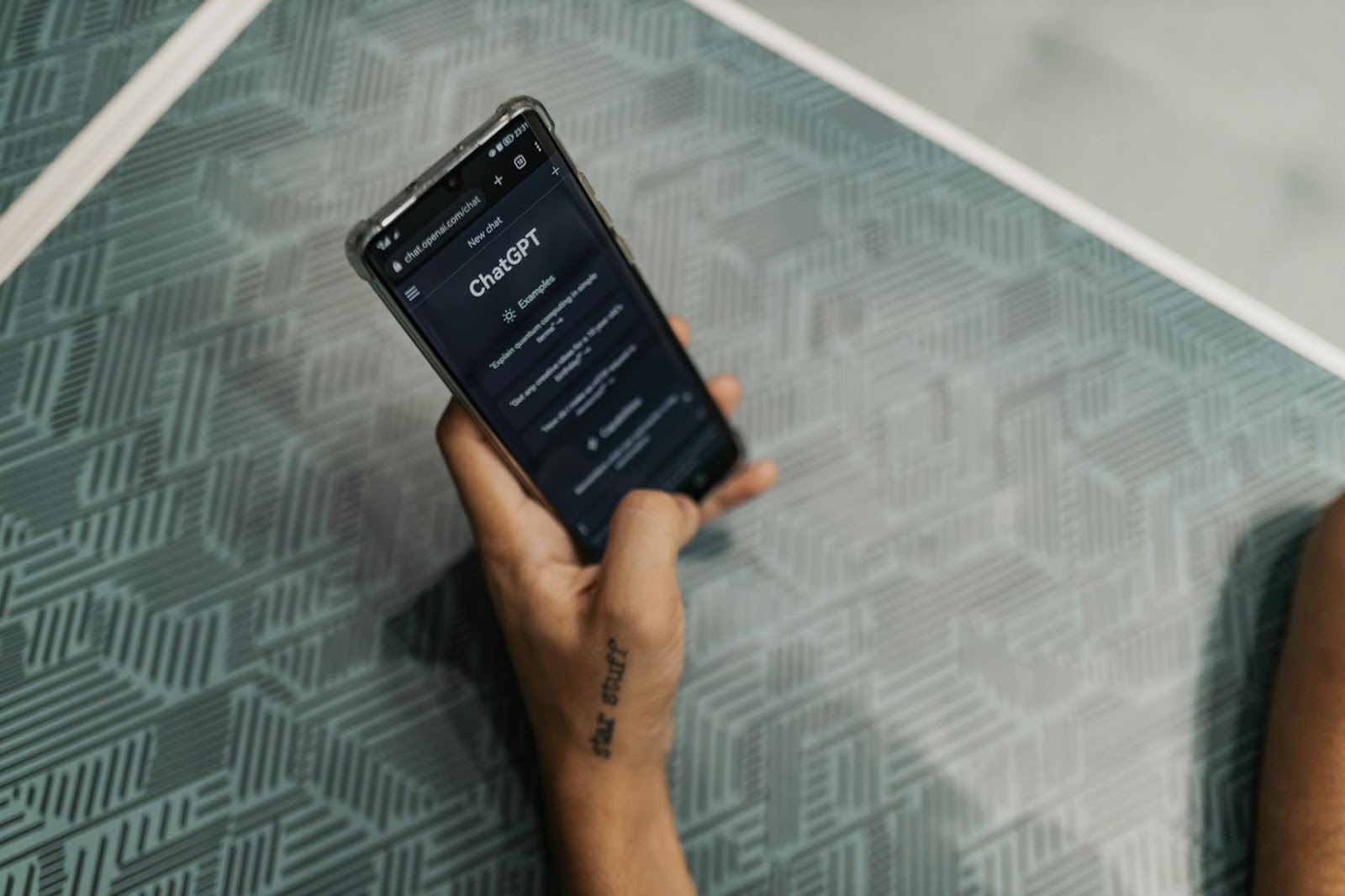 AI dating apps leading to genuine, real-world connections
The journey of AI in dating apps is still in its nascent stages, marked by grand ambitions and humbling realities. While the initial hype suggests a magical solution to the complexities of human relationships, the deeper narrative reveals a landscape where technology both simplifies and complicates, creates solutions and unexpected challenges. From sophisticated matchmaking to becoming an unexpected hub for professional networking, AI is undeniably reshaping our social fabric. The critical question isn't whether AI will play a role in our future connections, but how we, as humans, will wield this powerful tool to foster genuine intimacy, rather than succumbing to an algorithmically optimized loneliness. The future of love, it seems, will be a dynamic interplay between our digital selves and our deeply human hearts.
```