
Everyone's celebrating record online sales, pointing to a booming economy and a triumphant holiday season. But what if this widespread jubilation is nothing more than a carefully orchestrated distraction? What if the champagne flutes are actually filled with a bitter truth, masking a consumer economy far more fragile than anyone dares admit?
What if this widespread jubilation is nothing more than a carefully orchestrated distraction? What if the champagne flutes are actually filled with a bitter truth, masking a consumer economy far more fragile than anyone dares admit?
The latest market data screams record online spending, yet consumer confidence continues its unsettling plunge. It's like throwing a lavish party to avoid looking at the mounting bills. This isn't just about what you buy; it's about why you're buying it, and what those flashing 'Sale!' notifications on your social media feed are really costing us.
The Illusion of Prosperity: Record Sales, Declining Confidence
The financial headlines paint a contradictory picture. On one hand, reports trumpet unprecedented online sales figures, hinting at robust consumer activity. Yet, beneath this shimmering facade, consumer confidence surveys reveal a starkly different reality: a populace increasingly wary of their economic future, tightening their belts, and bracing for uncertainty. John Mercer, head of global research at consumer analytics firm Coresight, accurately captured this dissonance, suggesting that record top-line sales should be taken "with a pinch of salt." This isn't just an observation; it's a warning. We're witnessing a peculiar economic phenomenon where immediate, accessible spending, particularly through digital channels, creates an optical illusion of prosperity that belies deeper anxieties.
Consider the digital marketplace, especially the highly curated world of social media. Influencers showcase perfectly styled products, 'must-have' trends flood your feed, and a relentless stream of targeted ads ensures you're always aware of the next best thing. This aspirational bubble actively encourages immediate purchases, fostering a superficial sense of economic health for both the individual and the market. It’s a powerful engine, driving clicks and conversions, but it simultaneously obscures the underlying financial stress many households are experiencing. The sheer volume of transactions, amplified by easy credit and buy-now-pay-later schemes, inflates sales figures without necessarily reflecting genuine disposable income or long-term economic stability. It’s a grand performance, but who’s paying for the tickets, and what’s waiting backstage?
 A person looking stressed while examining an empty wallet amidst shopping bags, representing the hidden costs of social media shopping trends and consumer fragility.
The Social Media Echo Chamber: Driving Demand, Masking Reality
Social media platforms aren't just selling products; they're selling a lifestyle, an identity, and the intoxicating fear of missing out (FOMO). Algorithms meticulously track your interests, serving up a continuous feed of highly relevant, often irresistible, products. This creates an echo chamber of desire, where every scroll presents another opportunity to acquire. Flash sales, limited-time offers, and those anxiety-inducing 'only a few left!' notifications are masterstrokes of psychological manipulation, bypassing rational decision-making in favor of impulse. The immediacy of social media shopping short-circuits traditional purchasing processes. There's little time for research, price comparison, or even a moment of reflection on whether an item truly aligns with one's needs or budget. Instead, consumers are swept up in a tide of instant gratification, where a simple tap can transform desire into acquisition.
This rapid cycle accelerates micro-trends to an unprecedented degree. What’s considered fashionable or essential one week can become passé the next, pushing consumers into a relentless loop of disposable consumption. This model benefits brands by ensuring constant demand but drains consumer wallets and contributes to a mountain of waste. The perceived value is inextricably linked to its trendiness rather than its intrinsic quality or utility. We’re not just buying goods; we’re buying into a fleeting moment, a temporary affiliation with a digital tribe, often at a premium that doesn’t hold up to scrutiny.
Price vs. Value: Are We Overpaying for the 'Trend'?
This brings us to the core of the market update and price analysis: are consumers truly getting value, or are they simply overpaying for the ephemeral glow of a social media trend? Items heavily promoted on platforms often come with inflated price tags, reflecting not their production cost, but rather their marketing spend and perceived exclusivity. This 'influencer tax' is real. Products endorsed by high-profile personalities frequently carry a premium, leveraging the influencer's reach and aspirational appeal rather than superior quality. Dynamic pricing strategies, driven by demand surges fueled by viral content, further complicate matters, with prices fluctuating based on real-time engagement and perceived urgency.
 A person looking stressed while examining an empty wallet amidst shopping bags, representing the hidden costs of social media shopping trends and consumer fragility.
Consumers, caught in the current of what's 'trending,' may forgo traditional vetting processes. Is that $80 sweater from an Instagram boutique truly worth it, or is its appeal solely derived from its current virality? When the trend fades, so too does the perceived value, leaving buyers with an item that might have been purchased for far less outside the social media hype machine. The ease of purchase on social platforms often masks the true cost—not just in dollars, but in the opportunity cost of what those funds could have been used for, and the psychological cost of chasing an ever-moving target of desirability.
The Ticking Time Bomb: Debt, Discounts, and the Future of Retail
The consequences of this trend-driven, impulse-heavy spending extend far beyond individual wallets. The proliferation of accessible credit and buy-now-pay-later (BNPL) schemes, aggressively marketed on social media, has become a ticking time bomb of consumer debt. While these options offer immediate gratification, they merely defer the financial reckoning, often trapping consumers in cycles of payment and interest. Retailers, facing a cautious consumer base with stagnant wages, are caught in a relentless race to the bottom, constantly offering deeper discounts to stimulate sales. This strategy, while moving inventory, erodes profit margins and devalues products, creating an unsustainable business model. When sales are consistently driven by desperation rather than genuine, healthy demand, the long-term health of retailers and the broader economy becomes precarious. What happens when the 'fragile consumer' can no longer afford even the deepest discounts, or when the debt burden becomes too great?
What This Means for YOU: Navigating the Digital Shopping Minefield
Empowerment in this digital shopping minefield starts with awareness. It’s crucial to develop a discerning eye, distinguishing genuine value from social media hype. Before clicking 'buy,' ask yourself critical questions: Do I need this, or am I being influenced by its trendiness? Is this price fair, or am I paying an 'influencer tax'? Can I truly afford this without compromising other financial goals? Resist the urge to keep up with the digital Joneses. Your social media feed is a curated highlight reel, not a reflection of universal necessity or financial reality. Embrace conscious consumption, prioritize budgeting, and critically evaluate the psychological tactics designed to induce impulse buys. Look beyond the perfectly filtered images and glossy testimonials to your own financial realities and long-term well-being.
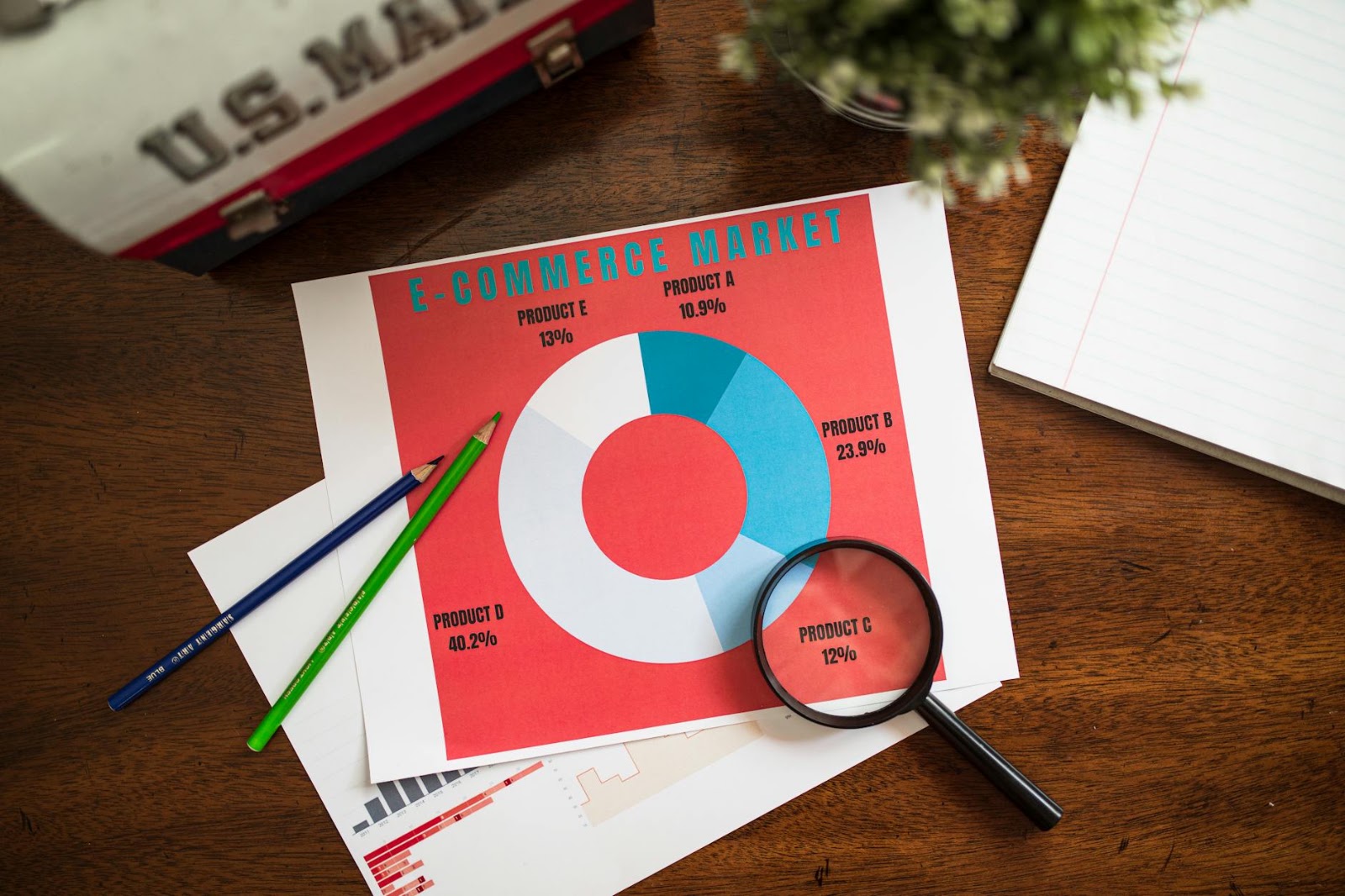 Futuristic data visualization showing consumer analytics and market trends, illustrating the complex landscape of social media shopping trends.
The True Cost of Digital Desire
The shimmering facade of record online sales, particularly those fueled by the relentless engine of social media, might just be a mirage. Beneath the surface, a more complex and concerning truth emerges: a consumer base stretched thin, grappling with economic anxiety, yet still caught in the intoxicating current of instant gratification. The data suggests we are collectively spending more, but enjoying it less, burdened by a quiet fragility that the headlines refuse to acknowledge. It's time we stopped asking what's trending and started asking what's sustainable—for our wallets, for our mental peace, and for the very health of our economy. The illusion of prosperity is a dangerous one; it’s time to see past the digital dazzle and reclaim financial clarity.
```