
The End of the Fitting Room Nightmare? Google's AI Selfie Try-On is Here – But What's the Catch?
For decades, online fashion shopping has been a gamble. You scroll, you click, you cross your fingers, then you endure the inevitable return process because what looked perfect on a model felt all wrong on you. The fitting room, whether physical or theoretical, has been the ultimate barrier to truly confident online purchases.
But what if that barrier suddenly vanished, replaced by a simple selfie? Google just shattered the paradigm with its latest innovation: an AI-powered virtual try-on feature that generates a full-body digital avatar from a single selfie, allowing you to see how clothes fit and drape before you ever hit 'buy'.
This isn't just an upgrade; it's a seismic shift, promising to redefine retail, but also raising critical questions about privacy, perception, and the very fabric of our digital identities.
 Cybersecurity concept: a digital lock overlaying a network, representing privacy concerns with AI virtual try-on.
The Selfie Revolution: How Google's AI Transforms Online Shopping
Gone are the days of awkward full-body uploads or generic sizing charts. Google’s new AI virtual try-on leverages advanced generative AI to create a hyper-realistic, full-body digital double from just a selfie. The underlying technology, sometimes referred to by components like 'Nano Banana,' intelligently extrapolates your form, posture, and proportions, dressing your digital twin in garments with uncanny accuracy.
This isn't just a static image; the AI considers fabric texture, drape, and how the garment stretches or sags, offering a genuinely dynamic preview. For shoppers, this means unparalleled convenience. Imagine trying on a dozen outfits in minutes from your couch, bypassing crowded malls, fluorescent lighting, and the sheer inefficiency of traditional shopping.
For the first time, the tactile experience of trying clothes on moves entirely into the digital realm, promising to significantly reduce the dreaded return rate that plagues e-commerce and its environmental impact.
Beyond the Hype: Real Benefits & Unforeseen Challenges
The immediate benefits of this fashion-tech innovation are undeniable. Consumers gain confidence, clarity, and control over their purchasing decisions. No more guessing games about fit or style; you see it, virtually wear it, and then decide. This personalized experience is a goldmine for brands, too, fostering deeper customer engagement and loyalty. Reduced returns translate directly to cost savings, better inventory management, and a stronger bottom line.
But beneath the shiny surface of convenience and efficiency lie complex challenges.
What about data privacy? Uploading a selfie for AI processing raises legitimate concerns about biometric data storage, usage, and security.
Will these AI-generated avatars inadvertently create new, unrealistic body ideals, filtered through an algorithmic lens? The potential for algorithmic bias, where certain body types might be rendered less accurately or flatteringly, also looms large. The ethical implications demand as much attention as the technological marvel itself.
 Cybersecurity concept: a digital lock overlaying a network, representing privacy concerns with AI virtual try-on.
Doppl & The Digital Dressing Room: Who's Leading the Charge?
Google’s selfie try-on isn't an isolated experiment; it's part of a broader strategy, epitomized by its experimental Google Doppl app. Doppl, evolving into a shoppable discovery feed, is designed to be a personalized fashion platform where users can virtually try on outfits and buy directly.
This move positions Google not just as a search engine, but as a direct competitor in the fashion retail space.
However, Google isn't alone in this digital fashion frontier. Luxury brands have been quick to adopt advanced virtual try-on for fashion technologies. Gucci, in partnership with Wanna Kicks, already offers AR sneaker try-ons, while Dior provides similar experiences for sunglasses and makeup. The democratizing power of cloud tools and third-party platforms means that even small and mid-size online clothing sellers can now access these sophisticated virtual fitting room capabilities, leveling the playing field and accelerating the industry's digital transformation. The recent launch of Google's gen-AI powered 3D apparel try-on tool in India further signals a global intent to make this a standard for online shopping.
The Wardrobe of Tomorrow: What's Next for Fashion-Tech?
The selfie-to-avatar leap is merely the beginning. The future of AI virtual try-on promises even more immersive and integrated experiences. Imagine augmented reality (AR) mirrors in physical stores that let you try on clothes without ever undressing, or even virtual reality (VR) shopping malls where you walk through digital boutiques with your fully customizable avatar. AI stylists could soon offer hyper-personalized outfit recommendations based on your virtual try-ons, mood, social calendar, and even real-time weather data.
The lines between physical and digital fashion will blur, leading to the potential for truly bespoke, on-demand garments that are designed, tried on, and produced virtually before being materialized for you.
This shift isn't just about buying clothes; it's about a complete re-imagining of how we interact with style, self-expression, and commerce in an increasingly digital world. The online shopping future is undoubtedly virtual, but its implications are very real.
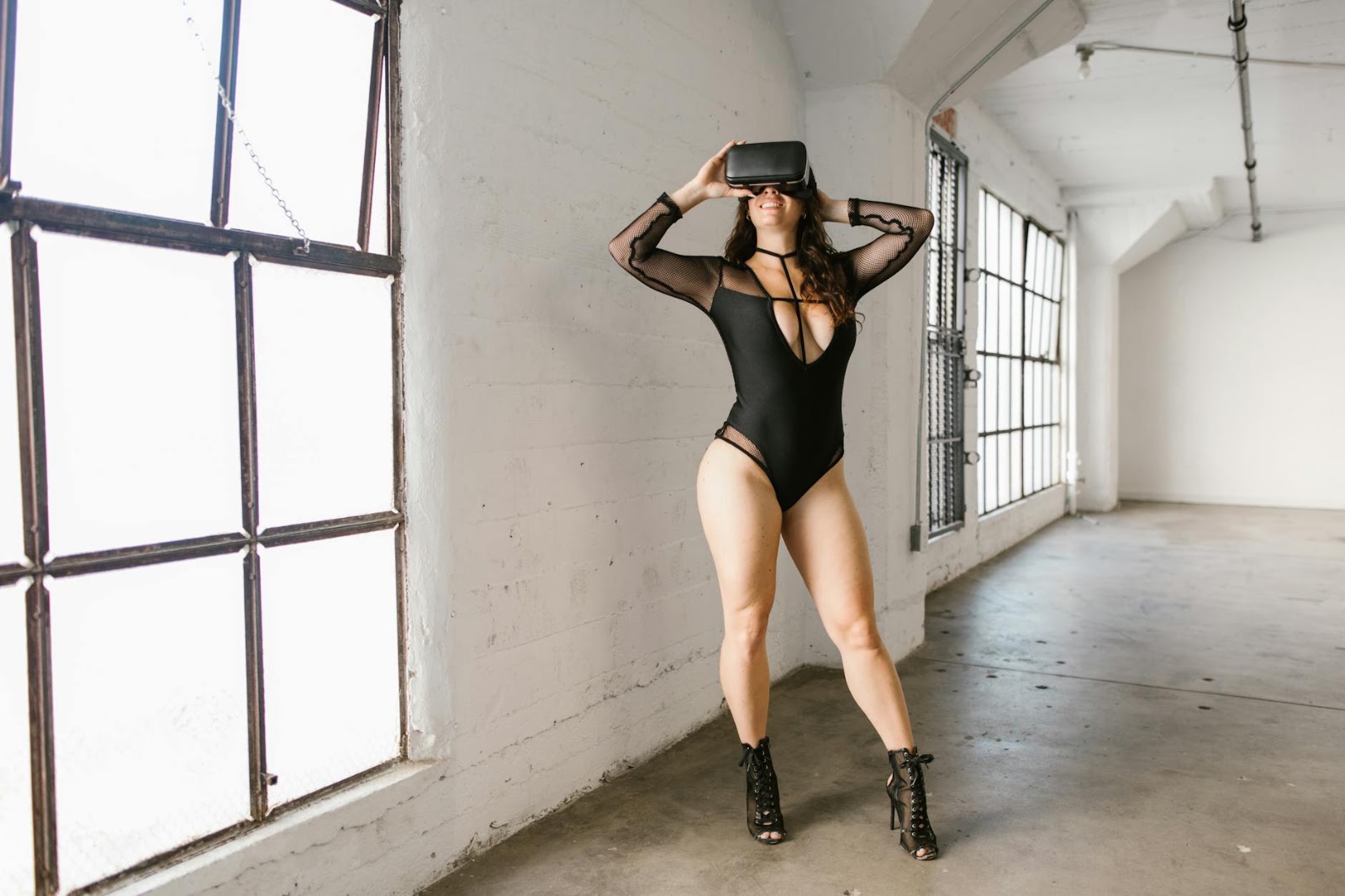 An avatar shopping in a futuristic virtual reality fashion store, illustrating the future of AI virtual try-on.
Are We Ready for a Fashion-Tech Future?
Google's AI selfie try-on is more than a clever gimmick; it’s a foundational technology that could finally bridge the enduring gap between online browsing and confident purchasing. It heralds an era of unprecedented convenience and personalization in retail.
Yet, as with all groundbreaking innovations, it arrives with a complex set of considerations, from safeguarding personal data to ensuring equitable and unbiased AI outputs.
The retail world is poised for a revolution, but its success will ultimately depend on our ability to navigate these emerging challenges thoughtfully and ethically. Are you ready to trade your dressing room for a digital twin? Because whether you are or not, the future of fashion has just taken its most significant selfie yet."
```