
Imagine buying a stunning dress online, only to find it looks drastically different on your body than on the model. Or that perfect pair of jeans arriving two sizes too small, despite meticulous measurements. Sound familiar? This isn't just an inconvenience; it's the Achilles' heel of a multi-trillion-dollar industry, costing retailers billions in returns and frustrating millions of shoppers. Until now. The era of guesswork in online fashion is officially over, thanks to a seismic shift powered by generative AI: the AI virtual try-on.
This isn't just an inconvenience; it's the Achilles' heel of a multi-trillion-dollar industry, costing retailers billions in returns and frustrating millions of shoppers.
For years, augmented reality (AR) try-on solutions promised a revolution, but often delivered clunky, unrealistic overlays. Now, the technology has matured, moving beyond rudimentary filters to sophisticated, AI-driven simulations that accurately drape fabric, account for body shape, and predict how garments will truly look on you. This isn't just about trying on clothes; it's about reclaiming confidence in online purchases and fundamentally reshaping the retail landscape.
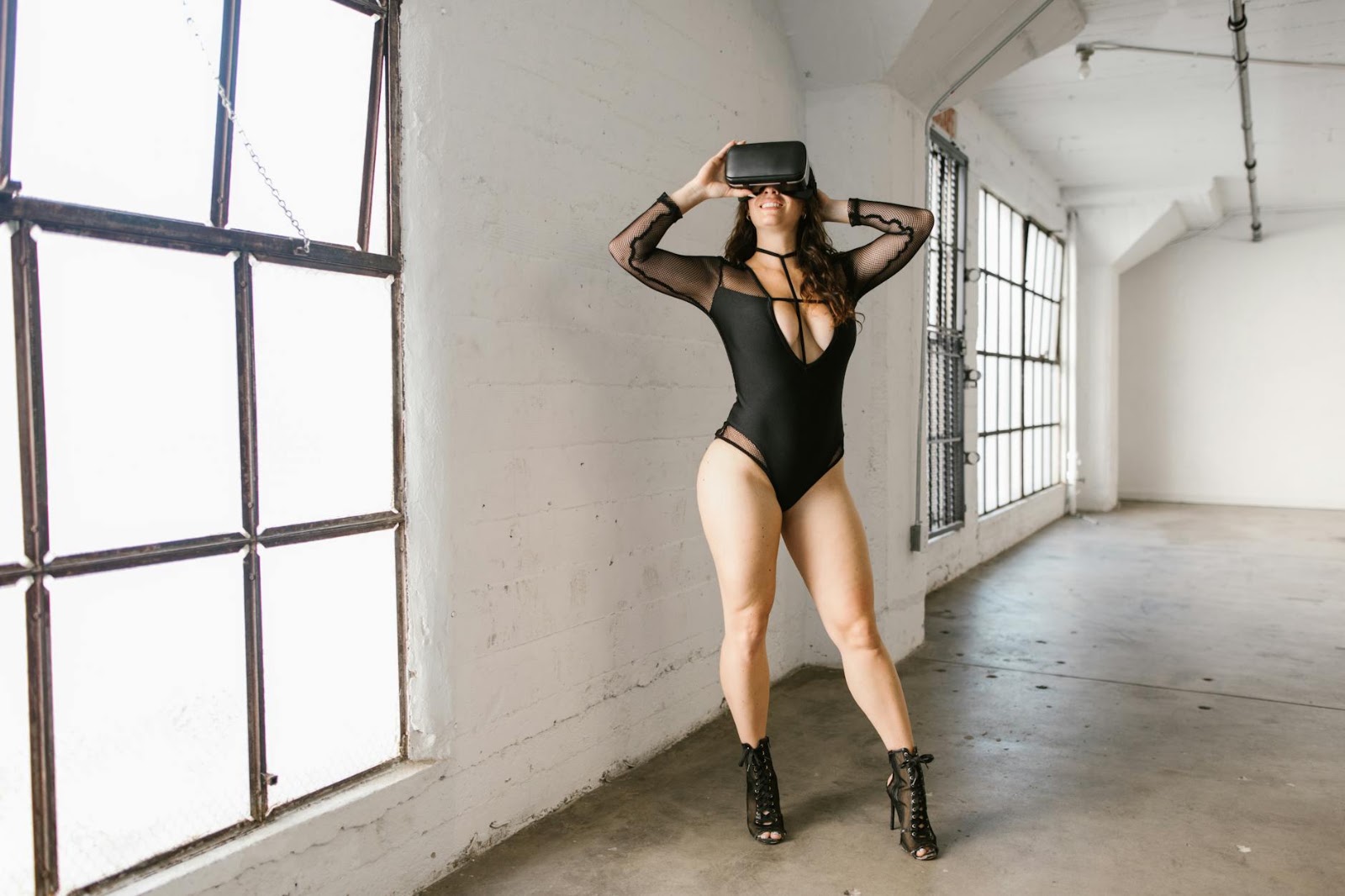 A cutting-edge fashion tech studio showcasing the power of generative AI in virtual try-on for apparel brands.
The Empire Strikes Back: Google's Bold Move into Digital Dressing Rooms
The biggest player to jump into the ring, Google, is democratizing this game-changing technology. Their recent rollout of an AI-powered virtual apparel try-on tool in India and the UK is not just a feature update; it's a declaration. Shoppers can now upload a single full-body photo and virtually try on billions of apparel items – from tops and dresses to jackets and shoes. The AI doesn’t just paste an image; it intelligently understands body shape, recognizes fabric properties, and simulates how the material would flow, fold, and stretch on your unique physique. This means an end to the dreaded 'baggy in all the wrong places' or 'looks nothing like the picture' dilemmas.
This move by a tech titan like Google isn't merely an upgrade to their shopping platform; it's a validation of AI virtual try-on as the essential next step in e-commerce. It leverages Google's immense data and AI capabilities to solve a problem that has plagued online shopping since its inception, setting a new standard for customer expectation.
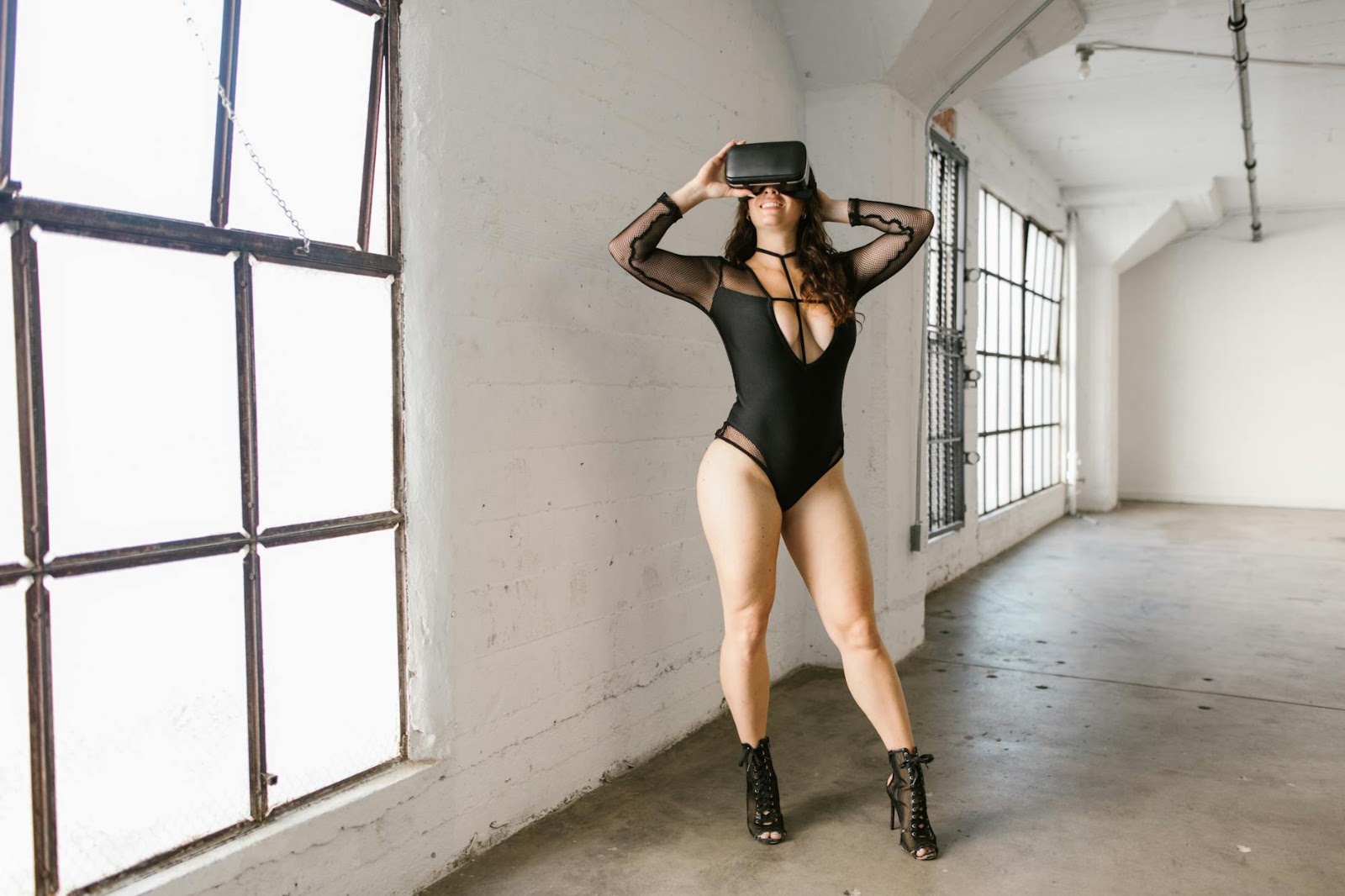 A cutting-edge fashion tech studio showcasing the power of generative AI in virtual try-on for apparel brands.
Beyond the Hype: How AI Virtual Try-On Actually Works
The magic behind this revolution isn't a simple photo editor. It's a complex interplay of advanced AI models:
- Generative AI: At its core, generative AI creates new, realistic images of garments draped onto diverse body types, often synthesizing information from existing product photos and 3D models.
- 3D Body Reconstruction: When you upload your photo, AI algorithms create a 3D model of your body, capturing nuances of your form that static measurements simply cannot.
- Fabric Simulation Engines: This is where the realism truly shines. Sophisticated physics engines mimic how different fabrics (denim, silk, cotton, leather) react to gravity, movement, and body contours. It's the difference between a flat image and a living, breathing garment.
- Image Synthesis: Finally, the AI intelligently overlays the simulated garment onto your body, adjusting lighting, shadows, and perspective to create a hyper-realistic image that’s almost indistinguishable from a real photograph.
Beyond Google, innovative startups like SpreeAI are already leveraging this tech to help a growing list of fashion brands drive sales and significantly reduce returns. Style3D AI even pushes the envelope with virtual try-on in video, further blurring the lines between digital and physical fashion. This isn't science fiction; it's the current state of fashion tech innovation.
The Unseen Revolution: Why Brands Are Betting Big on Virtual Fashion
The shift to AI virtual try-on isn't just consumer-friendly; it's a lifeline for brands navigating a brutally competitive retail environment. The benefits are too compelling to ignore:
- Drastically Reduced Returns: This is the Holy Grail. Returns in apparel e-commerce can hit 30-40%, costing brands billions in logistics, restocking, and lost revenue. Accurate virtual try-on eliminates much of the uncertainty, leading to fewer unwanted items sent back.
- Boosted Conversion Rates: When shoppers are confident an item will fit and look good, they're far more likely to click 'buy'. This translates directly into higher sales and a healthier bottom line.
- Enhanced Customer Satisfaction: A seamless, frustration-free shopping experience builds loyalty and positive brand perception. Happy customers are repeat customers.
- Personalization at Scale: AI can learn individual preferences, body types, and style choices, offering hyper-personalized recommendations that go far beyond generic 'customers who bought this also bought...' suggestions. It's like having a personal stylist embedded in every shopping journey.
- Sustainability Imperative: Fewer returns mean less transportation, less packaging waste, and a smaller carbon footprint. For brands committed to eco-friendly practices, AI virtual try-on offers a tangible environmental benefit.
The Future of Your Closet: AI as Personal Stylist and Shopping Savior
For the average consumer, this technology transforms online apparel shopping from a gamble into a delightful, personalized experience. Imagine:
- No More Guesswork: See exactly how an outfit will look on your body before you buy, eliminating sizing anxiety and style doubts.
- Mix-and-Match Mastery: Virtually try on items from different brands and collections together, creating entire outfits without ever leaving your home.
- Wardrobe Planning: Upload your existing wardrobe and use AI to suggest new pieces that complement what you already own, maximizing your style potential.
- Democratized Styling: Access expert-level styling advice and curated looks tailored to your preferences, body type, and occasion, all powered by AI.
- Time-Saving Convenience: Skip the crowded malls and messy fitting rooms, trying on dozens of outfits in minutes from the comfort of your couch.
This isn't just about seeing how clothes fit; it's about empowering smarter fashion choices, fostering creativity, and making fashion truly accessible to everyone.
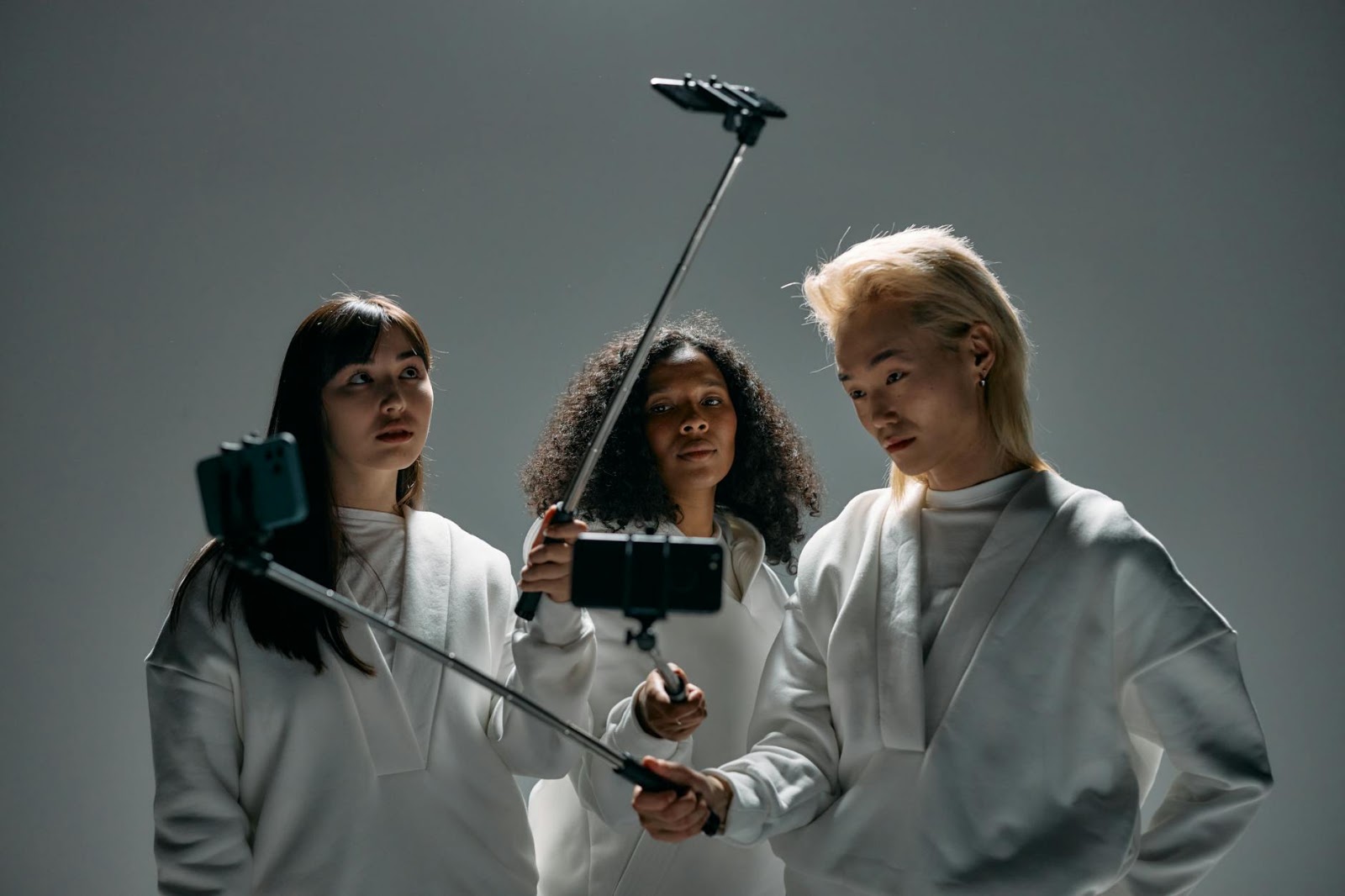 A diverse group of digital avatars engaging in AI virtual try-on, illustrating the personalized future of fashion retail.
The Ethical Mirror: Questions and Concerns in a Virtually Dressed World
As with any powerful technology, the rise of AI virtual try-on brings important ethical considerations to the forefront:
- Data Privacy: Uploading full-body photos raises questions about how this highly personal biometric data is stored, secured, and used. Trust and transparency will be paramount.
- Algorithmic Bias: Will AI accurately represent all body types, skin tones, and features? Ensuring inclusivity and preventing algorithmic bias will be a continuous challenge.
- Body Image: If AI consistently shows us in perfectly draped, flattering outfits, how might this impact our perception of our own bodies in reality? The line between aspiration and distortion needs careful navigation.
- The Joy of Discovery: Does the efficiency of AI try-on diminish the serendipitous joy of browsing physical stores, touching fabrics, and discovering unexpected gems? Or does it merely shift the joy to a new digital realm?
- Digital Divide: Is this technology truly accessible to everyone, or will it exacerbate existing inequalities for those without access to modern smartphones or reliable internet?
Addressing these questions proactively will be crucial for the responsible and equitable development of this transformative technology.
What's Next? The Unstoppable Ascent of AI in Fashion-Tech
The current capabilities of AI virtual try-on are just the beginning. We can anticipate even more sophisticated developments:
- Real-time Video Try-On: Imagine trying on clothes during a video call with friends or a virtual stylist, with realistic movement and lighting.
- Haptic Feedback: The integration of haptic technology could allow users to 'feel' the texture and weight of fabrics virtually.
- AI-Driven Design: Feedback from millions of virtual try-ons could inform fashion designers, leading to clothes perfectly tailored to consumer preferences and body types.
- Metaverse Integration: As the metaverse evolves, AI virtual try-on will be foundational, allowing us to dress our digital avatars with unprecedented realism and then purchase those same items for our physical selves.
- Beyond Apparel: The technology will undoubtedly expand to accessories, eyewear, makeup, and even hairstyles.
The bottom line? The traditional fitting room, with its unflattering lighting and tiresome queues, is facing an existential threat. The future of fashion isn't just online; it's virtually on you. This isn't just a trend; it's a fundamental shift, proving that the smartest way to shop for clothes might just be to never actually touch them until they arrive, perfectly fitted, at your door.
```