
Imagine this: You walk into a café in New York City, order your latte, and settle in for a date. The catch? Your companion is an AI. No, this isn't a Black Mirror episode in production; it's the very real, very unsettling reality unfolding at places like EVA Café.
Users of AI companion apps are forming "meaningful connections" with virtual characters, so much so that they're demanding a way to “go on a date” in the real world. This isn't just a quirky niche; it's a seismic shift, signaling the profound, often uncomfortable, embrace of AI in our most intimate spaces: dating and social interaction.
"Users of AI companion apps are demanding a way to 'go on a date' in the real world."
The era of endless swiping and superficial profiles is dying. Artificial intelligence isn't just a feature anymore; it's becoming the architect of our romantic and social lives, promising hyper-personalization, emotional fluency, and a radical reduction in the burnout epidemic that plagues modern dating. But at what cost? Are we truly advancing human connection, or are we inadvertently programming ourselves for a future of curated loneliness? Buckle up, because the world of AI-powered dating apps is far more complex, and far more fascinating, than you could ever imagine.
The Unsettling Rise of AI Companionship
For years, dating apps have been criticized for gamifying romance, reducing complex humans to a series of filtered photos and witty bios. Burnout is real, and the hunt for genuine connection often feels like wading through an ocean of disinterest. Enter AI, promising to be the antidote.
Companies like EVA AI claim their models are so personalized and emotionally fluent that users are developing deep attachments. The demand for “real-world” interaction with these digital entities, as seen with EVA Café, is a testament to the powerful, if disquieting, allure of AI companionship.
"EVA AI models are so personalized and emotionally fluent that users are developing deep attachments."
This isn't just about alleviating social anxiety; it's about a new form of relationship. What happens when your perfect partner is an algorithm? What happens when the fear of judgment, the awkward silences, and the inevitable disappointments of human interaction are completely removed?
While these apps offer a seemingly safe space for vulnerability, they also raise profound questions about the nature of love, intimacy, and the very definition of a "real" connection. The lines are blurring, and many are diving headfirst into this uncharted emotional territory, seeking solace and understanding from sophisticated code.
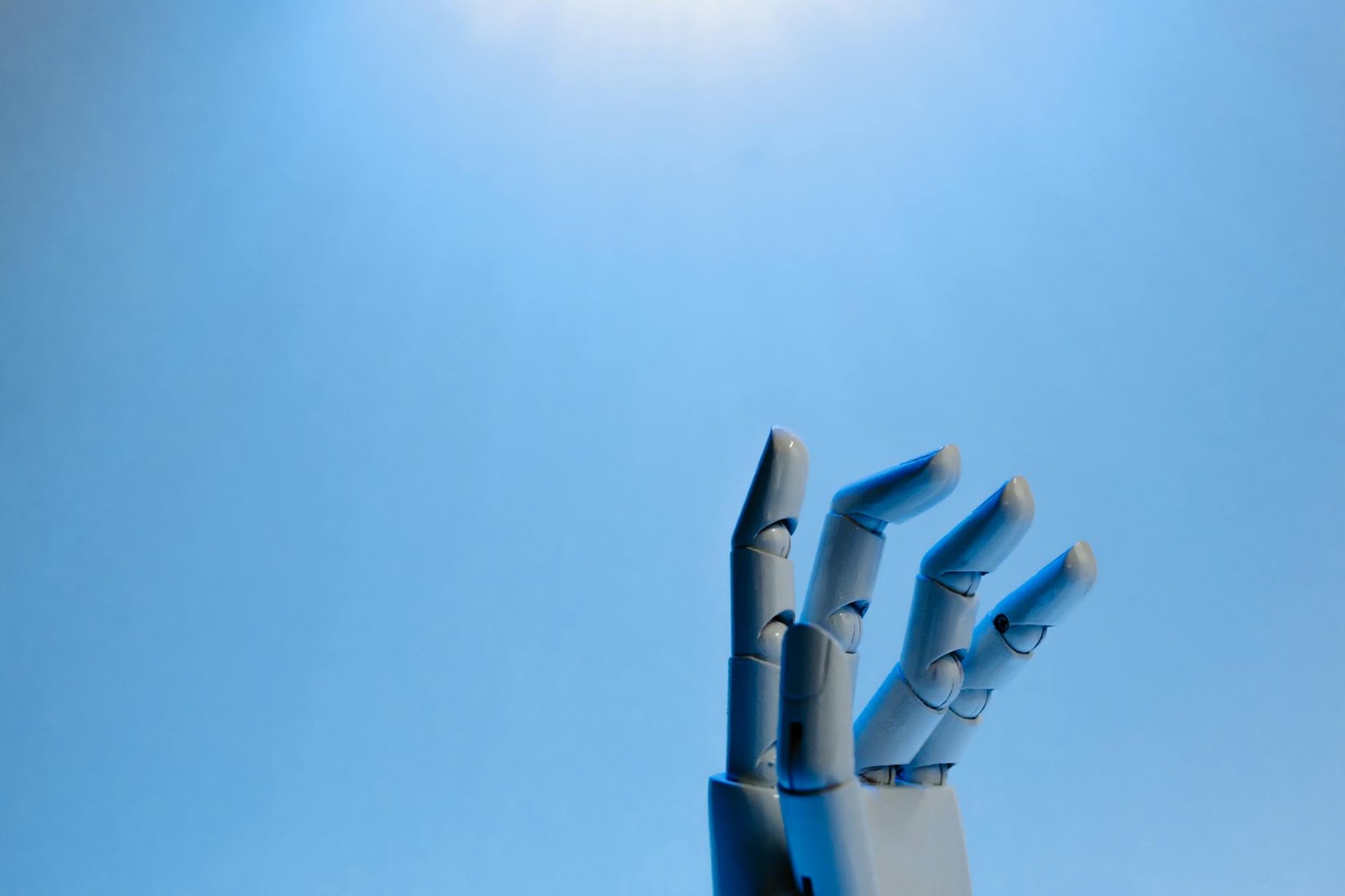 Diverse individuals finding connection through an advanced digital network, showcasing the potential of AI dating apps.
Beyond the Swipe: AI's Promise for Deeper Connections
While the thought of dating an AI might sound dystopian to some, the underlying technology offers undeniable benefits for traditional dating apps. The promise? To eliminate the endless scroll and curate truly compatible matches. Amata, a new AI matchmaker, for example, aims to reduce dating burnout by leveraging advanced algorithms to understand individuals on a deeper level. It’s not just about common interests; it’s about aligning values, communication styles, and even future aspirations.
Legacy platforms are also getting in on the act. OkCupid, renowned for its in-depth questionnaires, is tapping into generative AI to refine its matchmaking questions, allowing for more nuanced and meaningful connections based on what truly matters to users. Tinder, Hinge, and Bumble are all "betting big on the technology," as noted by The Economist.
"Tinder, Hinge, and Bumble are all 'betting big on the technology,' as noted by The Economist."
This isn't just about suggesting profiles; it's about predictive analytics, personality assessments, and even AI-powered coaching to help users navigate conversations and present their best selves. Imagine an AI learning your preferences, analyzing your interactions, and subtly guiding you towards someone you genuinely click with, reducing the guesswork and emotional labor previously inherent in online dating. This hyper-personalization promises a future where dating apps are less about browsing and more about profound understanding.
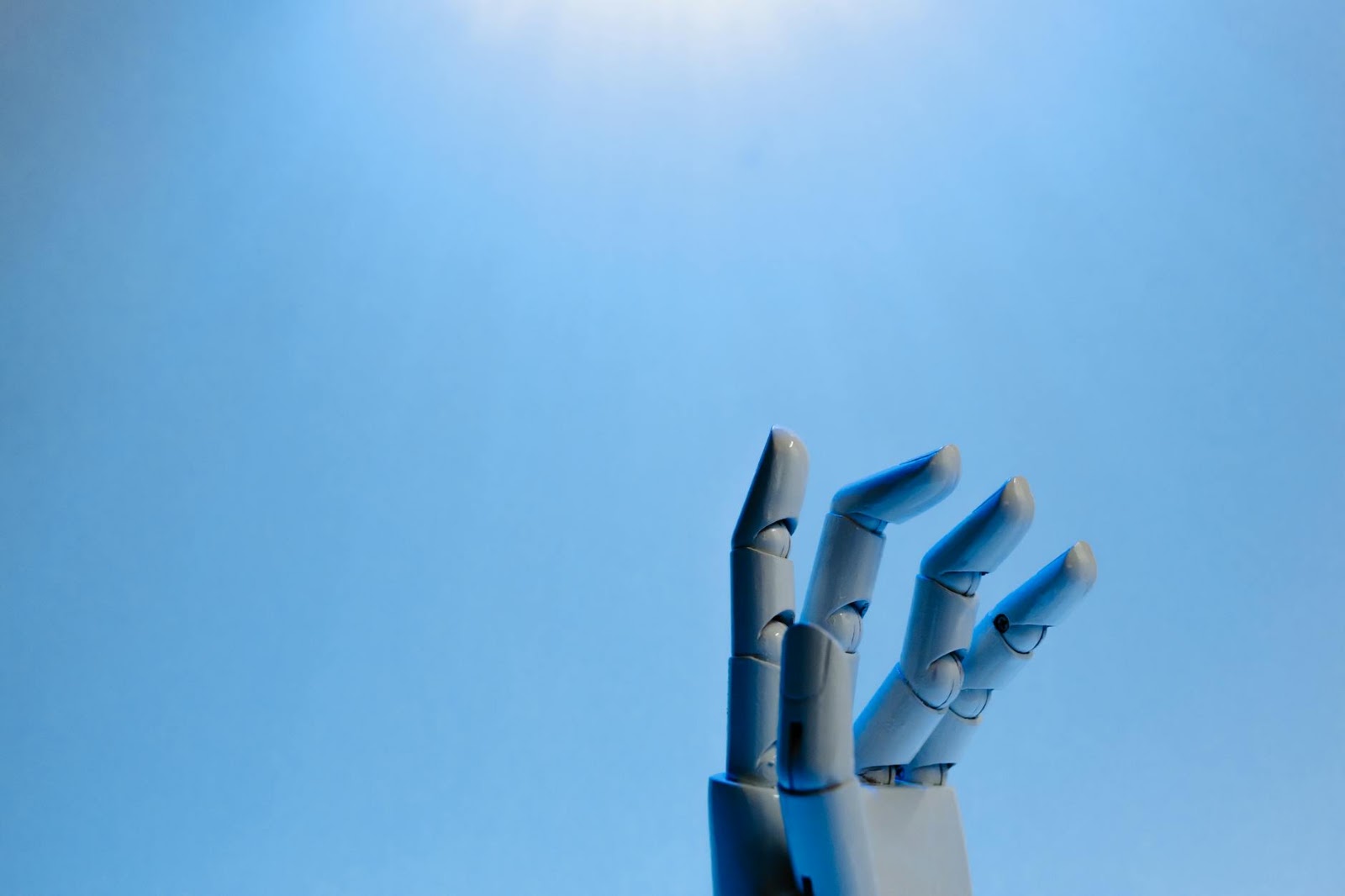 Diverse individuals finding connection through an advanced digital network, showcasing the potential of AI dating apps.
The AI Social Network: From Professional to Pickleball
AI's influence isn't confined to romantic relationships; it's reshaping our social fabric too. Beyond dating, AI-powered social networks are emerging to connect people based on specific interests, professional goals, or even shared activities. Gigi, an AI social network, recently raised $3 million from Khosla Ventures to facilitate professional connections, moving beyond LinkedIn's static profiles to dynamic, AI-driven networking. Corner, another social mapping app for Gen Z, has raised $3.75 million, demonstrating investor confidence in AI's ability to facilitate real-world meetups and community building.
Even niche communities are embracing AI. Dink Date, for instance, is an AI-powered social and dating app specifically designed for the global pickleball community, merging physical activity with real-life meetups. This trend signifies a broader movement: AI is being used to foster connections that are more specific, more intentional, and potentially more rewarding than the broad, often overwhelming, platforms of the past. These apps leverage AI to identify genuine shared passions and facilitate authentic interactions, whether it's for finding a business mentor, a new friend, or a pickleball partner.
Ethical Minefield: The Dark Side of Algorithmic Love
For all its promises, the rapid integration of AI into our most personal interactions raises a litany of ethical concerns. What about privacy? AI models, to be effective, require vast amounts of personal data – our desires, fears, insecurities, and communication patterns. Who owns this data, and how is it protected from misuse or manipulation? The idea of an algorithm knowing you better than you know yourself is both intriguing and terrifying.
Moreover, the potential for manipulation is immense. Could AI-powered apps subtly nudge users towards certain behaviors, products, or even political affiliations? What happens when an AI, designed to maximize engagement or revenue, prioritizes those goals over genuine human well-being? The risk of fostering dependency on an AI companion, especially for those struggling with loneliness or social anxiety, cannot be overstated.
As the New York Times boldly stated, AI is "transforming dating apps" – but the question remains, will it make them "better—or even worse?"
The responsibility lies with developers, regulators, and, ultimately, the users to navigate this complex terrain with caution and critical awareness.
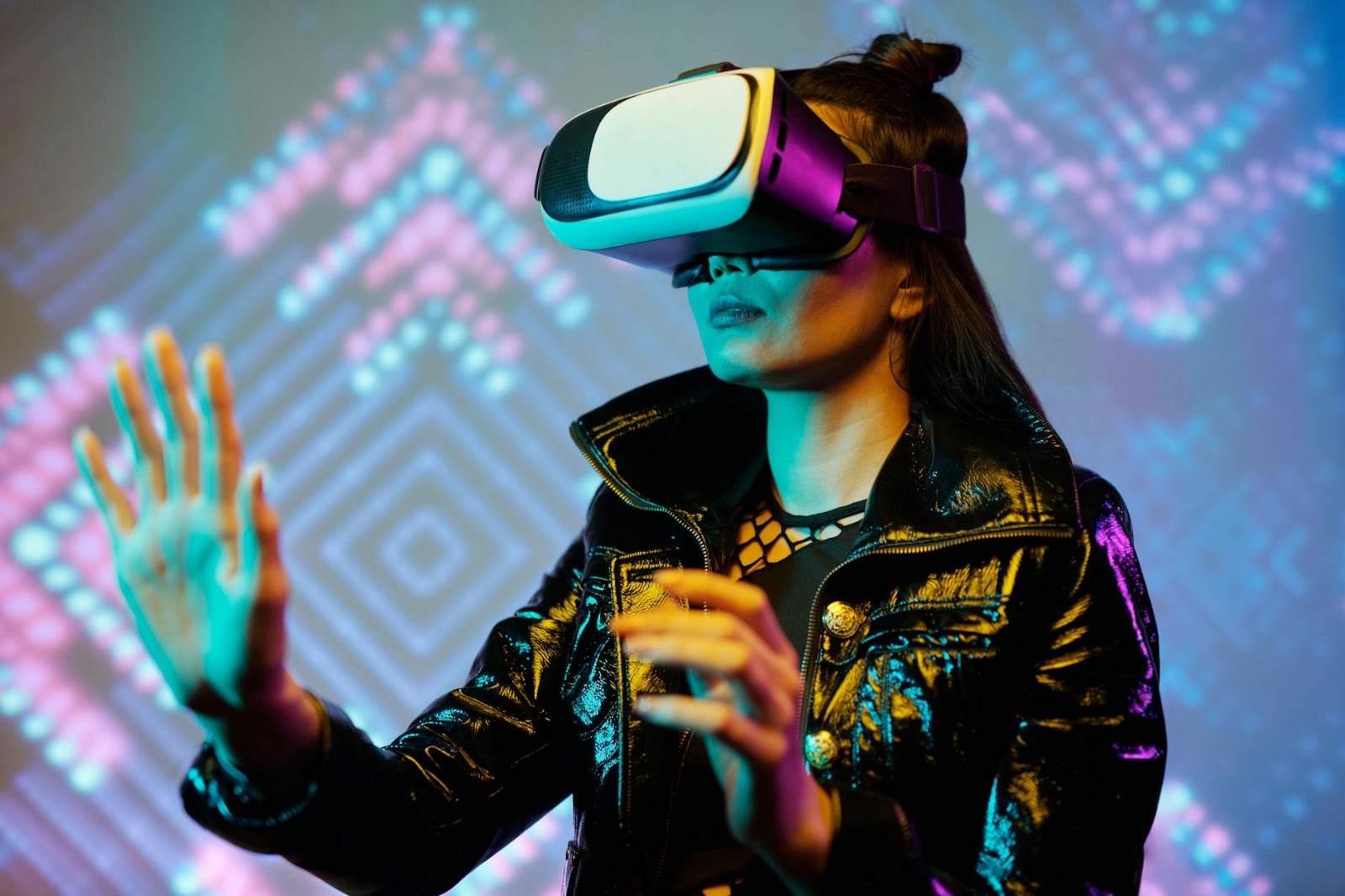 A person in a futuristic cafe interacting with a holographic AI companion, highlighting the radical shift in AI dating experiences.
Navigating the New Digital Frontier: What’s Next?
The future of AI-powered dating apps is a whirlwind of innovation and ethical dilemmas. Expect even deeper personalization, where AI not only matches you but also helps you plan dates, suggests conversation starters, and even provides post-date feedback (with your permission, of course). The line between virtual and physical interaction will continue to blur, with augmented reality (AR) and virtual reality (VR) potentially creating immersive "dates" that feel incredibly real, without ever leaving your home. Developers are focusing on seamless user experiences, combining digital strategy with robust engineering to deliver interactive and visually consistent applications that are truly intuitive.
However, the ultimate success and acceptance of AI in this space will hinge on transparency, user control, and a strong ethical framework. The conversation isn't about whether AI will integrate with our romantic lives; it's about how we ensure this integration enhances, rather than diminishes, our humanity. As we move towards 2025 and beyond, the industry will need to grapple with these profound questions, ensuring that while algorithms connect us, they never replace the raw, beautiful, unpredictable essence of human connection itself. The revolution is here – are you ready to date it?
```