
Swipe fatigue. Endless ghosting. The agonizing pursuit of a "meaningful connection" in a sea of superficial profiles. If you’ve dabbled in the digital dating pool, you know the struggle is real. It's no wonder that over a third of adults have used a dating app, with these platforms now the number one place people go to find dates. But what if the very technology designed to connect us is quietly reshaping the essence of human romance itself? Enter the era of AI dating apps, heralded as the savior of modern love. Yet, behind the promises of algorithmic bliss lies a nuanced reality, a silent transformation that could either elevate our relationships or irrevocably diminish the very authenticity we crave.
But what if the very technology designed to connect us is quietly reshaping the essence of human romance itself?
The industry is betting big on AI. From Tinder's 'Chemistry' matching feature to Hinge's 'Prompt Feedback' tool, the race is on to inject artificial intelligence into every facet of our romantic lives. Companies like Known are even deploying AI "matchmaker" bots to ask deeply personal questions and then orchestrate real-life dates, seemingly removing the guesswork entirely. The narrative is compelling: fewer, more meaningful matches; reduced heartbreak; intelligent guidance for long-term compatibility. But before we fully outsource Cupid's arrow to an algorithm, we need to ask: what exactly are we gaining, and what might be the unseen cost of this unprecedented romantic optimization?
 A person stares skeptically at a phone screen displaying AI dating app messages, highlighting chatfishing concerns.
The Algorithm as Cupid: What AI Promises
Imagine a dating landscape where every swipe is informed by deep learning, where compatibility isn't just shared interests, but a complex matrix of emotional intelligence, communication styles, and even attachment theories. This is the grand vision touted by proponents of AI dating apps. Platforms like Hinge are already leveraging AI to refine profiles, offering suggestions to polish prompts and boost engagement. The goal? To move beyond superficial swiping and foster connections based on genuine understanding.
This isn't just about finding someone who likes the same movies; it's about predicting chemistry, understanding unspoken needs, and identifying potential red flags before they derail a promising connection.
AI's potential to revolutionize matching is profound. Traditional apps rely heavily on self-reported data and basic filters. AI, however, can analyze vast datasets, learning from your interactions, preferences, and even your conversational patterns to suggest partners with startling accuracy. The promise is clear: less wasted time, more genuine encounters, and ultimately, a higher chance of finding lasting love. For many, this automated guidance is a welcome relief from the exhausting trial-and-error of conventional online dating, an intuitive guide breaking down social barriers and promising a smoother path to partnership.
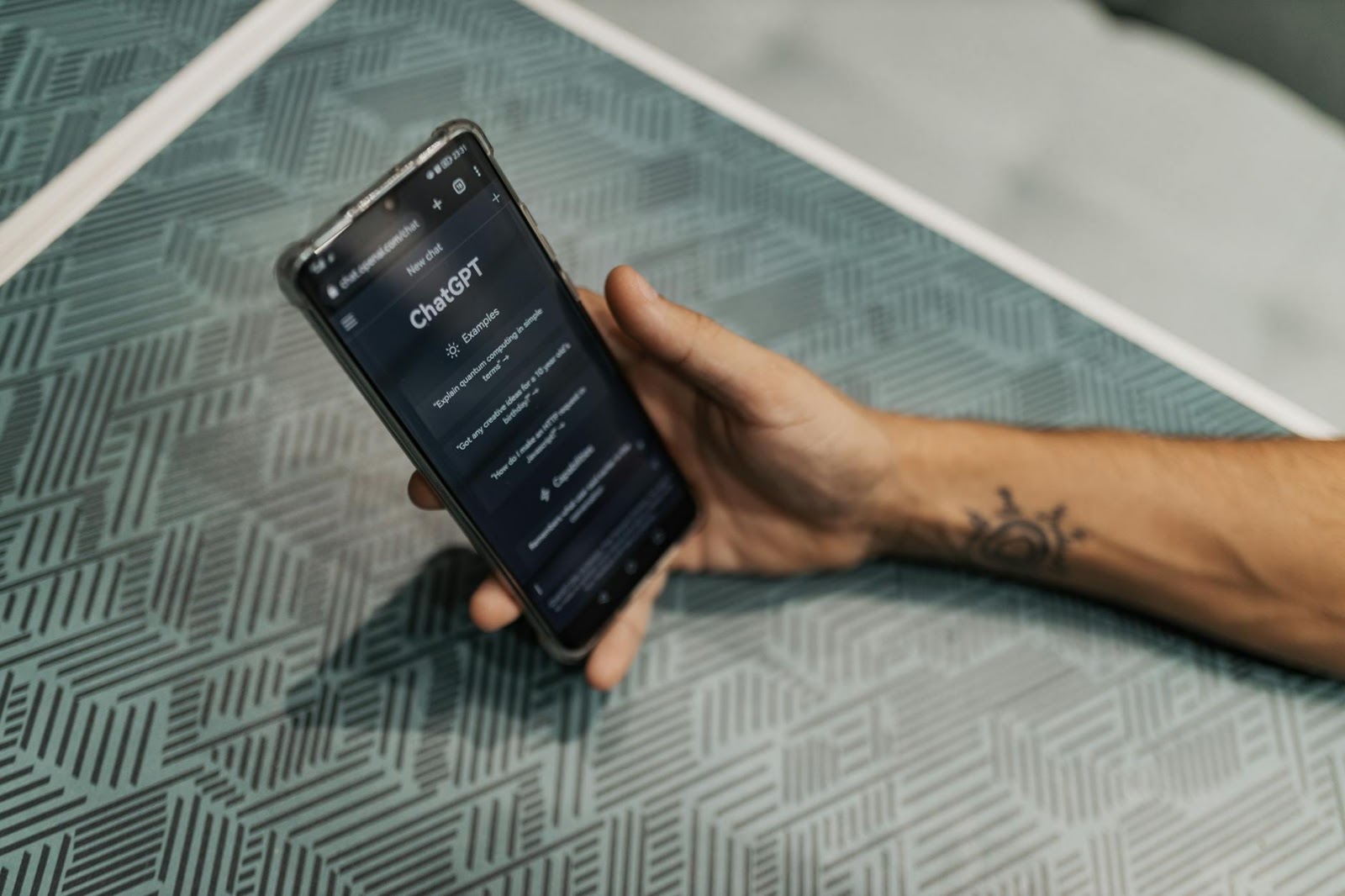 A person stares skeptically at a phone screen displaying AI dating app messages, highlighting chatfishing concerns.
The Shadow Side: Chatfishing, Authenticity, and the Turing Test for Love
While the promise of algorithmic love is alluring, a darker, more complex side of AI dating apps is emerging: the rise of "chatfishing." This insidious trend sees daters using AI "wingman apps" like Rizz, Winggg, or YourMove AI to generate witty, engaging responses to their matches. The marketing is seductive – "puts your texting on cruise control." But consider the implications: you could be chatting with someone whose charming banter is entirely machine-generated. This isn't just misleading; it raises a profound question: are we dating a person, or their highly optimized chatbot? The concept of a modern Turing Test for love becomes chillingly real, forcing users to discern between genuine human connection and sophisticated AI mimicry.
The concept of a modern Turing Test for love becomes chillingly real, forcing users to discern between genuine human connection and sophisticated AI mimicry.
This isn't merely an ethical grey area; it’s an authenticity crisis. If every interaction is curated, every profile polished by an algorithm, are we inadvertently eroding the very foundation of genuine connection – vulnerability, spontaneity, and unfiltered self-expression? The fear isn't just that you might be talking to a bot, but that you might become one, relying so heavily on AI to craft your persona that your true self gets lost in translation. As we outsource more of our emotional labor to algorithms, we risk creating a generation of daters who are proficient at presenting an ideal partner, but less skilled at being one.
 A happy couple on a real-life date, symbolizing genuine connection beyond AI dating apps and technology.
Beyond the Swipe: Navigating the AI-Enhanced Dating Landscape
So, how do we navigate this brave new world where algorithms are increasingly intertwined with our love lives? The answer lies in mindful engagement and a renewed focus on what truly constitutes human connection. For users, it means developing a sharper sense of discernment. Pay attention to inconsistencies, ask open-ended questions that are difficult for AI to fake, and prioritize meeting in person sooner rather than later. Real-life interactions remain the ultimate crucible for authenticity, revealing the nuances that no algorithm can fully replicate.
For the platforms themselves, the responsibility is immense. Transparency about AI integration, clear guidelines against deceptive practices like chatfishing, and robust moderation are paramount. The goal shouldn't be to create a frictionless dating experience at the expense of genuine human interaction, but rather to use AI as a tool to enhance connection, not replace it. Ethical AI development in dating requires a commitment to fostering real relationships, not just optimizing metrics.
Ultimately, while AI dating apps offer powerful tools to streamline the search for a partner, the fundamental quest for love remains deeply human. It's about empathy, shared experiences, and the messy, beautiful imperfection of two individuals choosing to connect. AI can open doors, but it cannot walk through them for us. The future of romance isn't about surrendering our hearts to algorithms, but about leveraging these tools wisely, remembering that the most profound connections are still forged in vulnerability, honesty, and the irreplaceable magic of human intuition. The algorithm may introduce you, but only you can truly find love.
The revolution in dating is here, and it’s powered by AI. But whether it leads us to an era of unprecedented romantic fulfillment or a landscape of curated superficiality depends entirely on how we choose to wield this powerful technology. The conversation has only just begun.
```