
Imagine a world where algorithms write your novels, design your clothes, and even tutor your children. Sounds like the utopian promise of generative AI, doesn't it? But what if I told you that beneath the glittering surface of AI's seemingly endless capabilities, a profound truth is emerging – one that reaffirms the irreplaceable power of human creativity and critical thought? The narrative is shifting. We’re moving beyond simple awe, entering an era of critical analysis, where the real value of generative AI isn't in its ability to automate everything, but in how it empowers us to be more human.
The Revolution Unpacked: Unveiling Generative AI's Hottest Use Cases (Learning, Shopping, Creativity)
Generative AI has burst onto the scene, not just as a buzzword, but as a genuine game-changer. From transforming how we learn to revolutionizing e-commerce and sparking new artistic frontiers, the real-world applications of these advanced models are expanding at breakneck speed. Let’s dissect the most impactful generative AI use cases shaping our world today.
In education, Gen-AI is moving beyond simple search, creating personalized learning paths, generating unique quizzes, and even simulating complex scenarios for students. Imagine an AI tutor adapting its style to your learning pace, generating bespoke examples until a concept clicks. This isn't just about efficiency; it's about making learning profoundly more accessible and engaging.
For shopping and e-commerce, the impact is equally transformative. AI can now design hyper-personalized product recommendations, generate unique marketing copy that resonates with individual customers, and even create virtual try-on experiences that blur the lines between digital and physical. Forget generic ads; think AI-crafted narratives that speak directly to your desires, making every shopping journey feel uniquely tailored.
And then there’s creativity. This is perhaps where generative AI sparks the most awe and controversy. From artists using tools like Midjourney to generate stunning visuals, to musicians composing intricate scores with AI collaborators, to writers breaking through blocks with AI-generated prompts and drafts – the creative landscape is irrevocably altered. It’s no longer about whether AI can create, but how humans will co-create with it, pushing boundaries previously thought impossible.
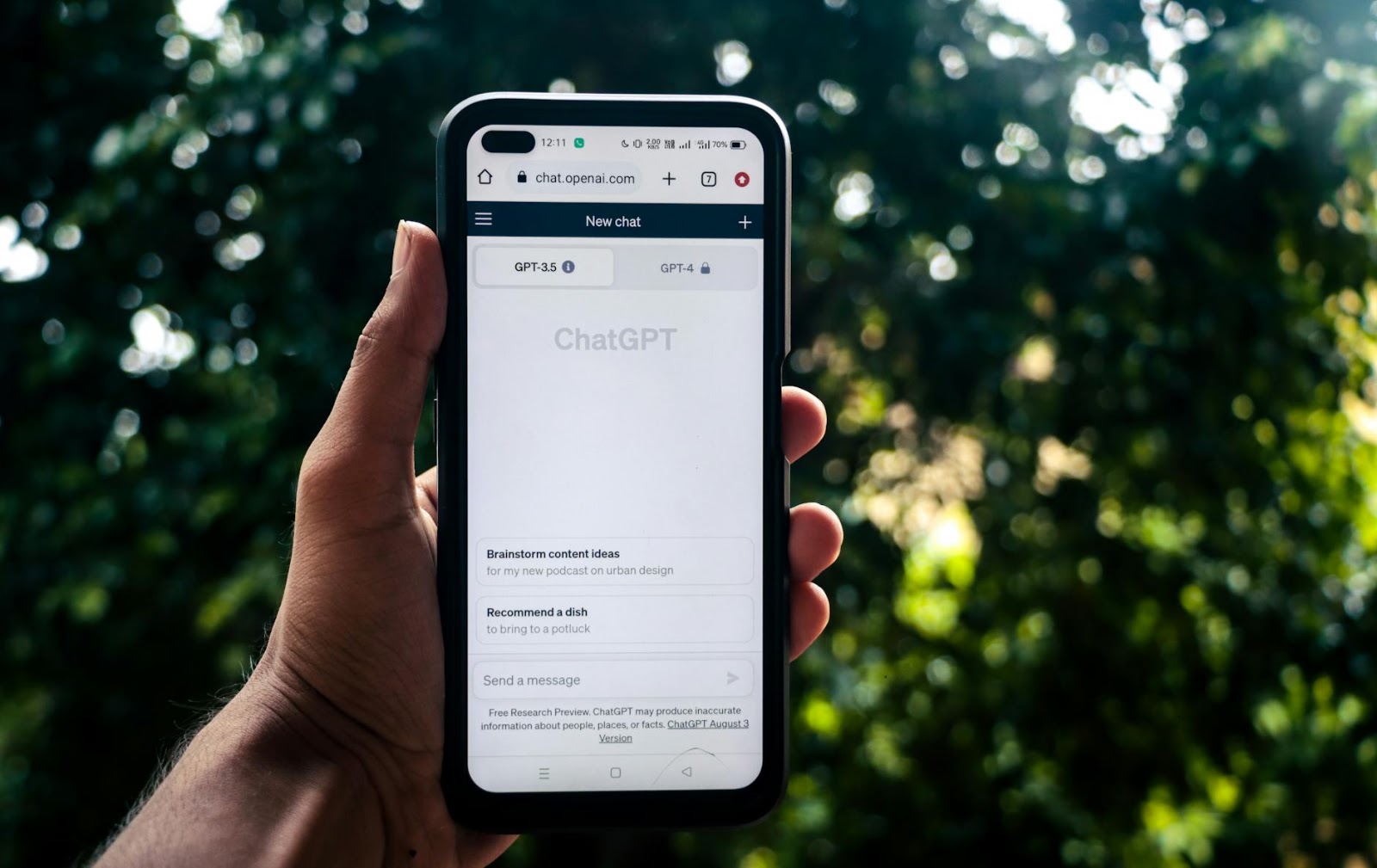 A human hand making corrections on a screen displaying AI-generated code, highlighting generative AI limits.
Beyond the Hype: Where Generative AI Hits Its Limits
While the promise of generative AI is undeniably intoxicating, a deeper look reveals critical limitations often overshadowed by the relentless hype. The 2023 Generative AI Marketing Report, for instance, boldly identified the limits of automation even in sophisticated marketing applications. AI excels at replication, pattern recognition, and data synthesis, but struggles profoundly with genuine originality, nuanced emotional intelligence, and real-world ethical reasoning.
Consider its application in content creation. While AI can generate vast amounts of text, it often lacks the authentic voice, personal experience, or deep cultural understanding that resonates profoundly with human audiences. It can mimic style, but it rarely innovates on a conceptual level or truly understands the why behind a human narrative. This isn't a flaw; it's a fundamental difference. AI operates on data and algorithms; humans operate on experience, intuition, and consciousness.
Furthermore, issues like algorithmic bias, 'hallucinations' (generating factually incorrect but confident-sounding information), and the sheer cost of training and deploying these models remain significant hurdles. The dream of fully autonomous AI taking over complex, high-stakes tasks quickly bumps up against these realities. It's a powerful tool, yes, but one that requires constant human oversight and refinement.
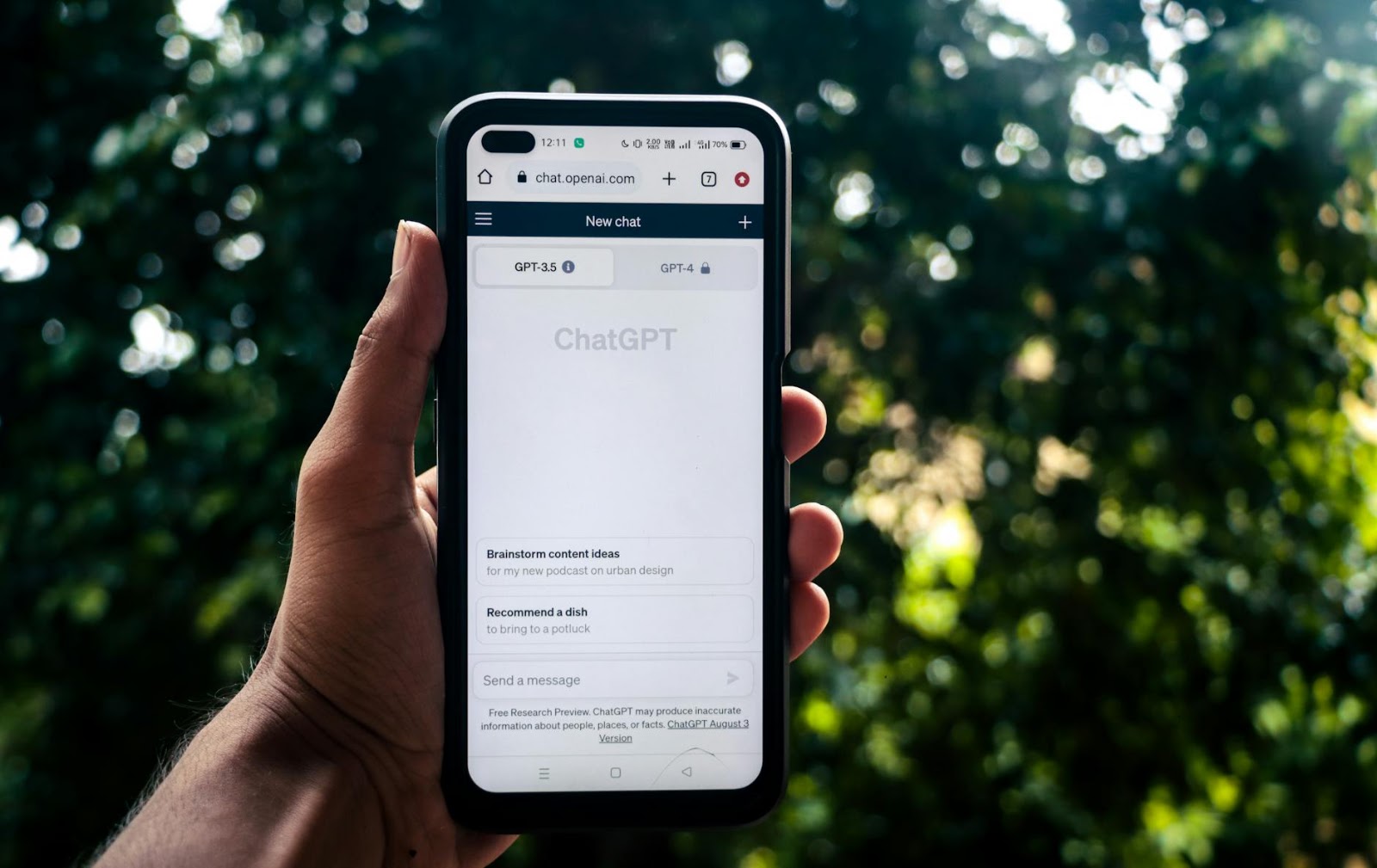 A human hand making corrections on a screen displaying AI-generated code, highlighting generative AI limits.
The Human Element: Why Our Creativity is the Ultimate AI Antidote
This brings us to the crux of the matter: in an era of unprecedented automation, human creativity isn't just surviving – it's becoming the ultimate superpower. The very limitations of generative AI underscore the irreplaceable value of uniquely human attributes: critical thinking, emotional intelligence, strategic foresight, and, above all, the capacity for genuine innovation.
The future isn't about humans competing against AI; it's about humans leveraging AI to amplify their own intrinsic strengths. Imagine a marketer using AI to analyze vast datasets and identify emerging trends, then applying their human creativity to craft campaigns that are not only data-driven but also emotionally resonant and culturally relevant. Or an educator using AI to personalize lesson plans, freeing up time to provide deeper, more empathetic mentorship.
The narrative isn't about AI replacing us, but about AI making our uniquely human contributions even more valuable.
This synergy elevates both. AI handles the repetitive, data-intensive tasks, while humans focus on the higher-order cognitive functions that demand empathy, originality, and ethical judgment. Our ability to ask 'why,' to challenge assumptions, to imbue work with purpose and meaning – these are the frontiers where human intellect remains unparalleled. This perspective is vital for navigating the future of work and ensuring a thriving society in the age of advanced algorithms.
 A human artist collaborating with generative AI to create unique and innovative art, showcasing human creativity.
Navigating the Future: Challenges, Opportunities, and Ethical Frontiers
As Generative AI continues its rapid evolution, we face a complex tapestry of AI challenges opportunities and ethical dilemmas. The critical analysis of Gen-AI points towards a future where responsible development and deployment are paramount. We must confront the potential for deepfakes, intellectual property infringement, and job displacement with proactive solutions.
The opportunities, however, are just as vast. Personalized medicine, accelerated scientific discovery, environmental modeling, and entirely new forms of artistic expression are all within reach. The key lies in our collective ability to shape this technology, rather than letting it shape us. This requires ongoing research, open dialogue, and a commitment to ethical frameworks that prioritize human well-being.
The conversation needs to shift from 'what can AI do?' to 'what should AI do, and under what human guidance?' Investing in education, fostering adaptability, and creating new frameworks for collaboration between humans and intelligent systems will define our success. The true revolution isn't just in the AI itself, but in how we learn to integrate it wisely into our lives and industries.
Generative AI is not merely a tool; it's a mirror reflecting our deepest aspirations and anxieties about the future. While its generative AI use cases are undeniably powerful, the recent analyses confirm a crucial insight: the future doesn't belong to algorithms alone. It belongs to the audacious, the innovative, and the deeply human. Embrace AI as an accelerator, but never forget that the most profound creations, the most meaningful connections, and the truly transformative ideas will always emerge from the unique crucible of human thought and feeling. Are you ready to harness its power, without losing your own?
```