
Imagine this: You’re scrolling through an online store, captivated by a stunning dress. You click, ponder the size chart, hesitate, and ultimately, close the tab. Why? Because the biggest barrier to online fashion shopping isn't price or style; it's the nagging uncertainty of fit and how it will actually *look* on you.
This pervasive problem accounts for a staggering percentage of returns, costing retailers billions and consumers endless frustration.
But what if that anxiety could vanish? What if you could see that dress, those shoes, or that entire outfit, perfectly rendered on your own body, from every angle, before you even hit 'add to cart'? Welcome to the age of AI virtual try-on, a technology that isn't just a gimmick, but a seismic shift poised to rewrite the rules of fashion, retail, and even design itself. We're not talking about clunky avatars or static images; this is a sophisticated, AI-powered revolution that's already here, transforming your shopping experience and ushering in a new era of confidence, sustainability, and unparalleled personalization.
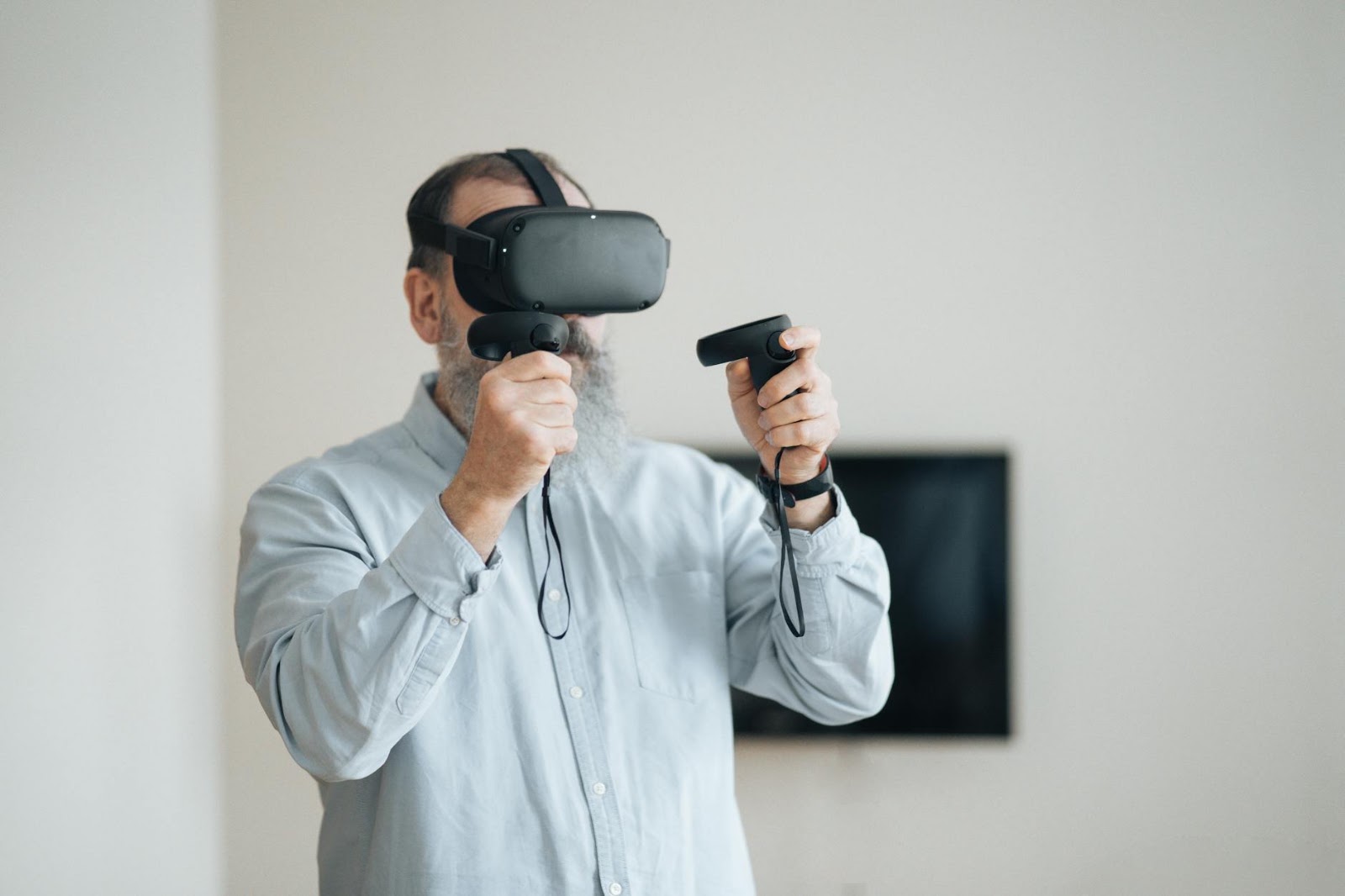 A woman confidently shopping online, using AI virtual try-on to visualize clothes.
The Fitting Room's Last Stand: What is AI Virtual Try-On?
At its core, AI virtual try-on (sometimes dubbed an "AI clothes changer") is exactly what it sounds like: a digital mirror that allows you to 'try on' garments without physically touching them. But the magic is in the 'AI'. This isn't just superimposing a flat image onto a photo. Advanced algorithms, often powered by generative AI, analyze your body shape, posture, and even lighting conditions to create a hyper-realistic simulation of how a piece of clothing would drape, wrinkle, and move on *your* unique physique. It considers fabric properties, garment construction, and even the subtle interplay of light and shadow, resulting in an experience so authentic, it blurs the lines between the digital and physical.
From the casual browser to the serious shopper, this technology eliminates guesswork. You can experiment with different sizes, colors, and styles, visualizing entire ensembles with unprecedented clarity. The underlying mechanics leverage computer vision, machine learning, and 3D rendering to transform a simple photo or even a live webcam feed into a dynamic model, ready for its digital fashion show.
Beyond the Mirror: How AI is Reshaping Your Shopping Experience
The most immediate benefit of AI virtual try-on is the profound boost in consumer confidence. No more guessing if a medium will be too tight or a large too baggy. Consumers can virtually test multiple sizes and fits, making informed decisions that dramatically reduce the likelihood of buyer's remorse and the dreaded return process. This personalized approach empowers shoppers, giving them control and clarity previously unimaginable in online retail.
Google, recognizing the immense potential, rolled out its virtual try-on tool in the US in July 2025, expanding to Canada by October 2025.
This integration across Google Search, Shopping, and Images means millions of users can now experience this transformative feature directly within their shopping journey. This isn't just about convenience; it's about a fundamental shift in how we interact with fashion, making it more engaging, intuitive, and ultimately, more satisfying.
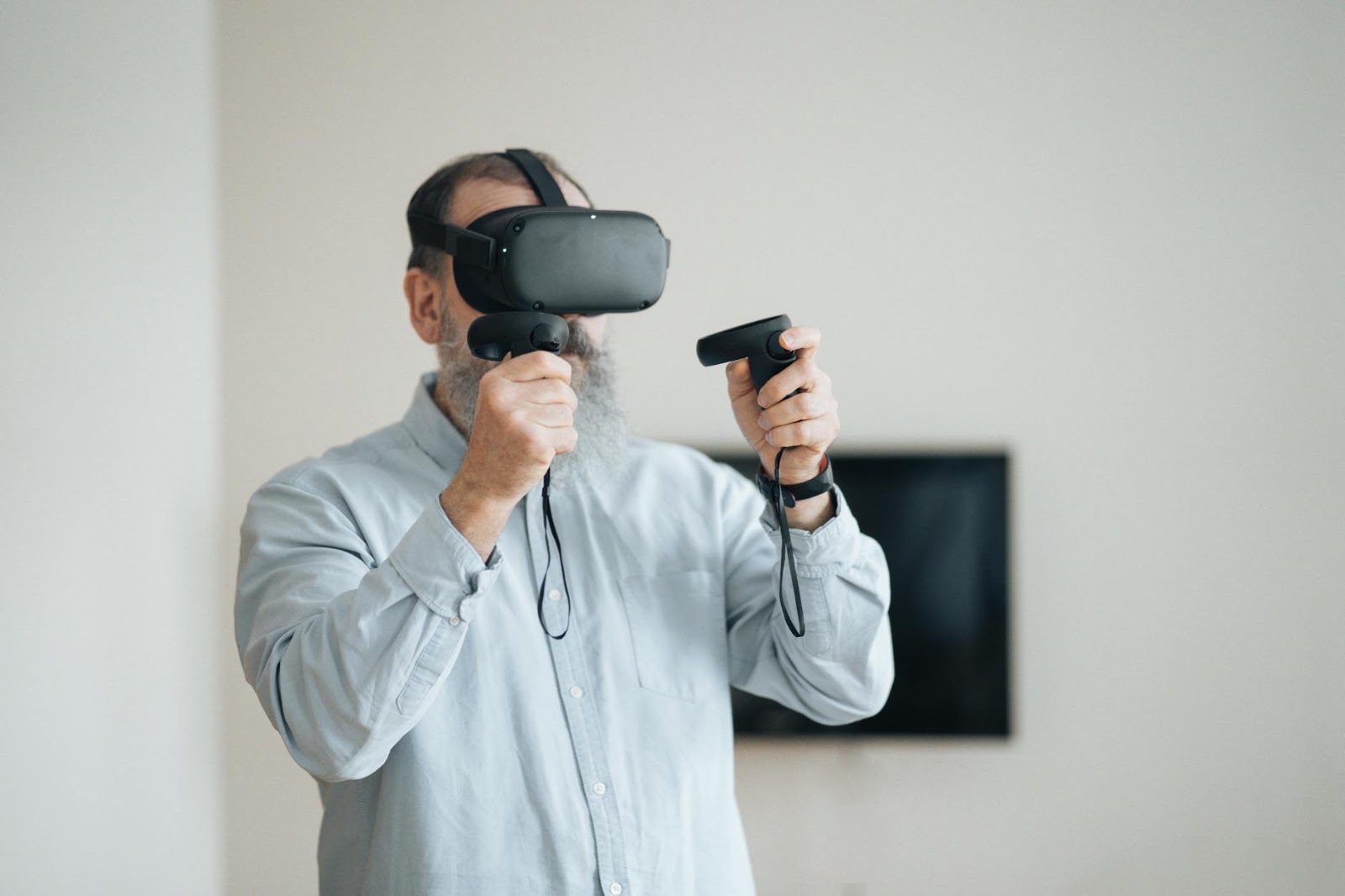 A woman confidently shopping online, using AI virtual try-on to visualize clothes.
The Secret Weapon for Brands: Reducing Returns & Boosting Sales
Returns are a colossal drain on resources, encompassing shipping costs, processing fees, repackaging, and inventory depreciation.
For retailers, the advent of AI virtual try-on technology is nothing short of revolutionary. By helping customers choose the *right* size and fit the first time, virtual try-ons are proving to significantly reduce return rates. UK retailers, for example, are aggressively experimenting with these digital fashion experiences in 2025, driven by the clear economic benefits and the desire to engage younger, tech-savvy consumers who expect immersive, interactive features.
Beyond cost savings, virtual try-on acts as a powerful sales driver. The global fashion accessories market, already projected to reach a staggering USD 4865.47 Billion by 2032 with a robust CAGR of 14.56%, is being fueled by this digital acceleration. Brands leveraging AI-driven recommendations and virtual try-on are seeing increased conversion rates, larger basket sizes, and enhanced customer loyalty. Companies like Style3D AI are at the forefront, not only enhancing customer experience but also promoting sustainable practices through digitized workflows and efficient resource use, a critical consideration for the modern fashion industry.
Designing the Future: AI as the Fashion Innovator's Muse
The impact of AI virtual try-on extends far beyond the consumer. For designers, generative AI is unleashing unprecedented creative potential. Imagine a designer able to test dozens of variations for a single garment, instantly visualizing how complex designs fit on diverse body types using virtual try-on technology.
This rapid prototyping, fabric simulation, and fit analysis allow designers to push creative boundaries and innovate at speeds previously unthinkable.
Researchers at institutions like the University of Illinois are even advancing the technology to create longer, higher-resolution, and more customizable try-on videos, further empowering both creators and consumers.
This isn't just about efficiency; it's about pushing the very definition of fashion. Digital fashion, intertwined with virtual reality and hyper-personalization, is creating entirely new avenues for expression and commerce. AI is becoming an indispensable tool, helping designers perfect their craft, experiment fearlessly, and bring their visions to life with unparalleled precision.
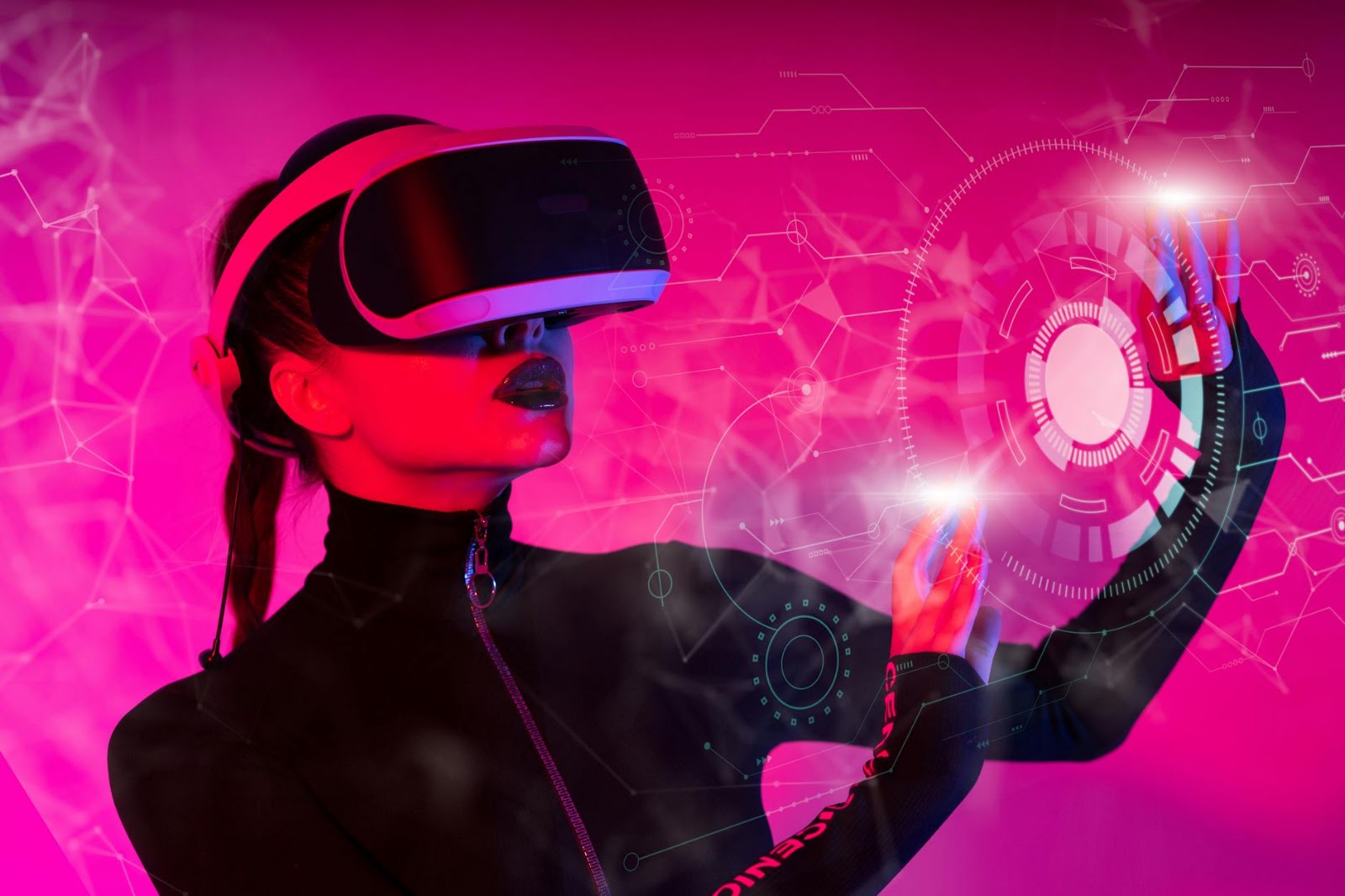 A fashion designer using advanced software to create and test garments with AI virtual try-on.
The Tech Underneath: APIs, Research, and the Road Ahead
The widespread adoption of AI virtual try-on is heavily reliant on accessible and robust technology. Companies like Style3D AI are providing intuitive API endpoints and comprehensive developer tools, making it easier for e-commerce brands and fashion designers to integrate virtual try-on capabilities into their platforms. This ease of integration accelerates adoption and reduces development costs, democratizing access to this cutting-edge technology.
The future of AI in fashion-tech is an exhilarating landscape of possibilities. We're on the cusp of truly immersive experiences where augmented reality merges seamlessly with virtual try-ons, allowing us to visualize clothing in our own physical environments. As research continues to refine the realism and interactivity of these digital simulations, the line between physical and virtual fashion will continue to blur, opening up new frontiers for designers, retailers, and consumers alike. The convergence of AI, virtual reality, and digital platforms is not just an evolution; it’s a full-scale revolution that makes fashion more accessible, sustainable, and undeniably thrilling.
Are you ready to embrace a future where your wardrobe is just a click away from being perfectly modeled on you? The era of AI virtual try-on isn't coming; it's already here, reshaping how we connect with clothes, confidence, and the cutting edge of innovation. Join the conversation and share your thoughts below!
```