
Imagine a world where online shopping no longer means guesswork, endless returns, or the crushing disappointment of clothes that just don't fit. A world where your digital avatar, a perfect reflection of you, tries on any outfit with flawless precision, allowing you to buy with absolute confidence. This isn't science fiction; it's the rapidly accelerating reality of AI virtual try-on (VTO), a technology that isn't just changing how we shop – it's rewriting the very DNA of the fashion industry.
For decades, the online fashion experience was a gamble. Shoppers scrolled through images, meticulously checked size charts, and still braced themselves for the inevitable trip to the post office to return ill-fitting garments. The frustration was palpable, and the environmental cost of excessive returns was silently mounting. Enter AI virtual try-on, a game-changer poised to deliver unparalleled convenience and confidence to consumers, while simultaneously unlocking unprecedented efficiencies for retailers.
The Virtual Runway Revolution: AI Virtual Try-On Redefining Retail
At its core, AI virtual try-on leverages sophisticated algorithms, augmented reality (AR), and 3D modeling to simulate how clothing, accessories, and even hairstyles would look on an individual without the need for physical interaction. It’s far more than a simple filter; it’s a dynamic, personalized fitting room accessible from anywhere with an internet connection. Users can upload a photo or use their device's camera for a live AR experience, and AI takes over, accurately mapping garments to their body shape and movements.
The benefits for consumers are immediate and profound. Say goodbye to the 'buy-and-return' cycle that plagues e-commerce and fills landfills. VTO boosts purchasing confidence exponentially, allowing shoppers to visualize fit, drape, and style before committing. This not only saves time and hassle but also empowers consumers to make more informed, satisfying choices. Companies like Google are leading the charge, rapidly expanding their 'Try On' tool across major markets, democratizing access to this transformative technology and allowing users to virtually try on apparel directly within search results and Google Shopping. This isn't just a gimmick; it's a serious tool for serious shoppers.
Zara, for instance, a fast-fashion giant, has already seen a significant return on investment, reporting over a 10% reduction in online returns thanks to their virtual try-on tech.
 An automated warehouse showcasing efficient inventory management and production powered by AI in the fashion-tech industry.
Beyond the Hype: The Business Edge of AI Fashion-Tech
The impact of AI virtual try-on extends far beyond individual consumer convenience. For brands and retailers, it represents a strategic imperative in a fiercely competitive market. The fashion accessories market alone is projected to reach a staggering USD 4865.47 Billion by 2032, growing at a robust CAGR of 14.56%, with digitalization and technologies like VTO acting as primary accelerators. Ignoring this shift is no longer an option.
The fashion accessories market alone is projected to reach a staggering USD 4865.47 Billion by 2032, growing at a robust CAGR of 14.56%, with digitalization and technologies like VTO acting as primary accelerators.
From a business perspective, the advantages are multifaceted. Reduced return rates, as demonstrated by Zara, directly translate to significant cost savings in logistics, processing, and inventory management. But the impact doesn’t stop there. AI-driven recommendations, fueled by VTO data, enable hyper-personalization, fostering stronger customer loyalty and increasing average order values. Designers themselves are seeing their workflows revolutionized; tools from companies like SellerPic and Style3D AI allow for the creation of stunning visuals, optimization of production processes, and drastic reductions in sample costs through digital prototyping. This agility is crucial in fast-paced fashion. Moreover, by accurately predicting what sells best and minimizing overproduction driven by guesswork, AI fashion-tech contributes significantly to sustainability efforts, reducing waste and promoting more ethical supply chains.
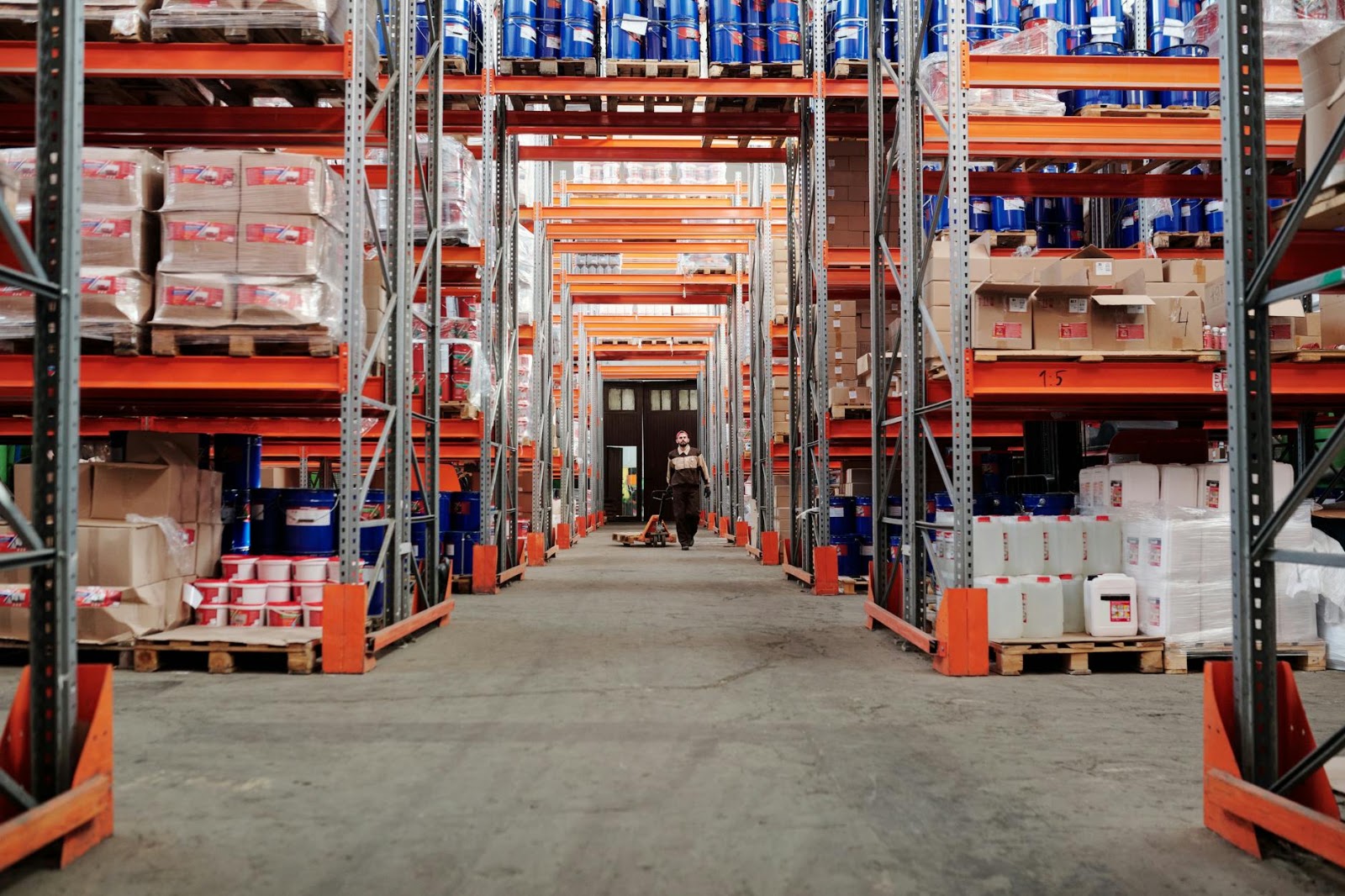 An automated warehouse showcasing efficient inventory management and production powered by AI in the fashion-tech industry.
The Unseen Threads: Navigating AI's Risks and Future Frontiers
While the promise of AI virtual try-on is immense, it would be shortsighted to ignore the potential pitfalls. As Vogue provocatively highlighted, in the rush to adopt, there's a risk of treating AI as merely a trend rather than a foundational, strategic shift. This mindset can lead to overlooking critical vulnerabilities. Cybersecurity, traditionally an IT concern, now becomes a strategic priority for fashion brands. Your style preferences, body measurements, and shopping habits, once disparate pieces of data, are now centralized and analyzed by powerful algorithms. This data, if mishandled, could become a new frontier for breaches, raising serious questions about consumer privacy and trust.
Ethical considerations around data bias in AI algorithms, the potential for 'deepfake' clothing, and the true cost of hyper-personalization must be diligently addressed. However, these challenges are not insurmountable roadblocks but rather guardrails for responsible innovation. Despite these concerns, the trajectory is clear: VTO is rapidly gaining adoption, with widespread mainstream use forecasted within the next few years as the technology matures, becomes more accurate, and its implementation costs decrease. The future envisions hybrid technology-fashion products, integrating connectivity and wellness into our garments, with VTO as the gateway to this new sartorial experience.
 A secure digital interface with padlock icons, symbolizing data protection and cybersecurity in an AI virtual try-on experience.
Your Digital Wardrobe Awaits: Embracing the Future of Fashion (Responsibly)
AI virtual try-on isn't just a technological marvel; it's a fundamental shift in our relationship with fashion. It empowers consumers with greater control, confidence, and convenience, transforming a historically frustrating online experience into an engaging, personalized journey. For brands, it's a powerful engine for efficiency, sustainability, and unparalleled customer engagement. The question isn't if AI virtual try-on will become ubiquitous, but how we, as consumers and industry players, will shape its evolution. Will we demand transparency and robust data protection, or will we blindly rush towards convenience at any cost?
From digital catwalks to personal style advisors, AI virtual try-on is not merely a feature; it's a fundamental shift in how we interact with fashion. It promises a future of personalized style, reduced waste, and unparalleled convenience. But as with all powerful technologies, its true potential hinges on our ability to embrace its benefits while diligently safeguarding against its inherent risks. The next time you shop online, remember: the mirror might be virtual, but the revolution is very real.
```