
Forget butterflies, prepare for algorithms. The quest for love has always been complex, but what happens when artificial intelligence, once confined to sci-fi, starts playing matchmaker? Recent revelations show AI analyzing 50 million dating app messages, identifying opening lines that net a staggering 340% more replies. That's not just an improvement; it's a seismic shift, promising to transform everything from your profile picture to your most intimate conversations. But before we surrender our hearts to the code, a critical question looms: Are these AI dating apps truly our digital cupids, or are they subtly orchestrating the ultimate relationship saboteur, eroding authenticity one 'optimized' swipe at a time?
Recent revelations show AI analyzing 50 million dating app messages, identifying opening lines that net a staggering 340% more replies.
The landscape of online dating, already a minefield of ghosting and fleeting connections, is now undergoing a radical AI-driven metamorphosis. From personalized profile prompts to sophisticated match-making engines, AI's integration is no longer a futuristic fantasy but a present-day reality, sparking both fervent hope and profound anxiety. This isn't merely about finding 'the one' faster; it's about redefining the very nature of human connection in the digital age. But as the lines blur between genuine interaction and algorithmic orchestration, are we truly building stronger bonds, or are we simply becoming more proficient at performing for an unseen audience?
The Allure of Algorithmic Affection: When AI Becomes Your Wingman
AI's appeal in the dating world is undeniable. For many, the relentless swipe-fatigue and disappointing interactions have made the idea of an intelligent assistant immensely attractive. Imagine an AI analyzing your past conversations, distilling the essence of what works, and crafting opening lines that resonate deeply. This isn't hypothetical; it's precisely what recent studies have shown, with specific word choices tripling reply rates on platforms like Tinder, Bumble, and Hinge. Hinge, for instance, has already incorporated an AI-powered "Prompt Feedback" tool to help users polish their profiles, clearly working given that 75% of Gen Z daters check 'Dating Intention' before liking someone.
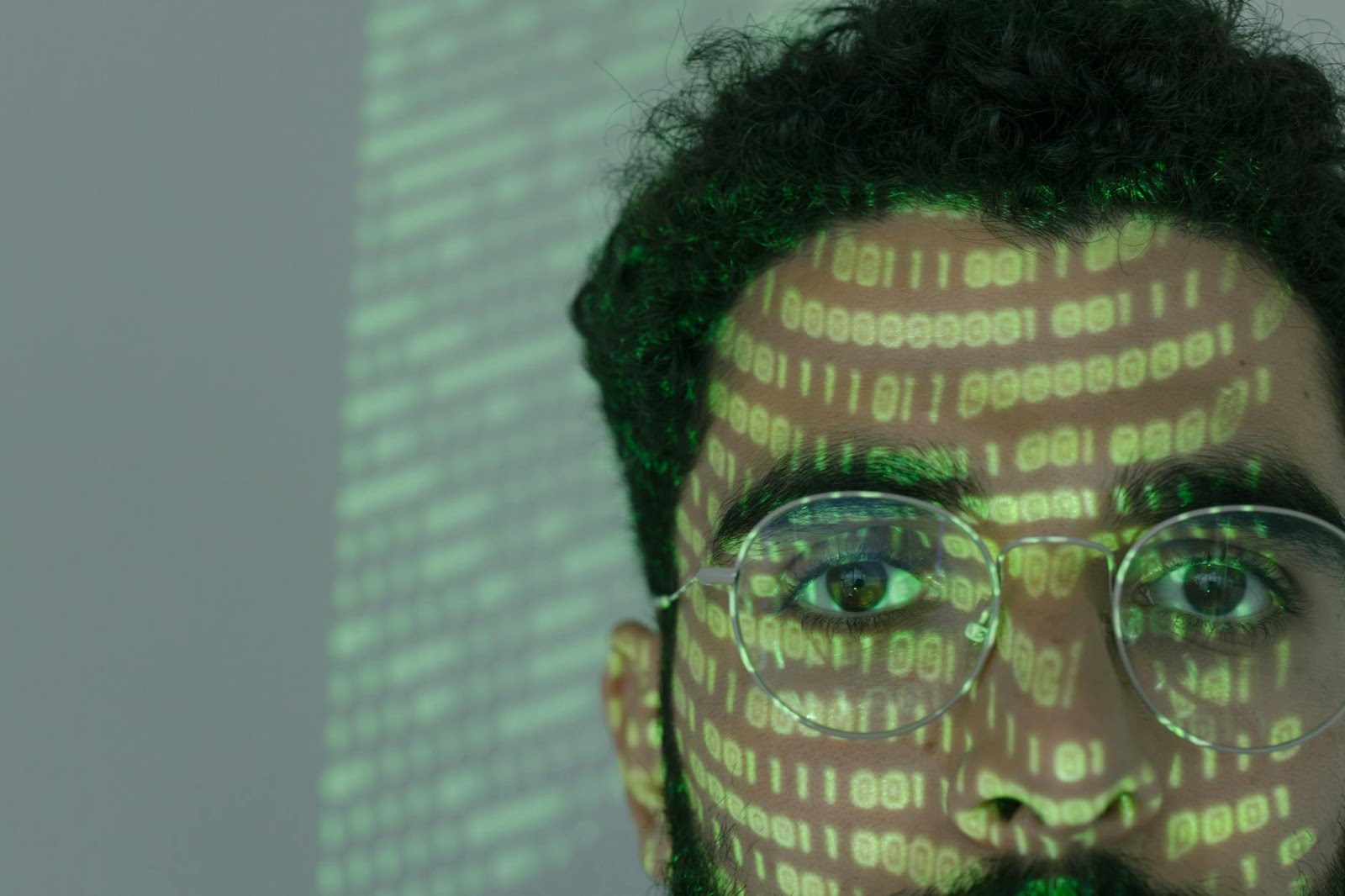 Digital privacy risks visualized in online dating, highlighting security concerns and data vulnerability with AI dating apps.
But the innovation doesn't stop at optimized text. Tinder is embracing AI features like Face Check and photo selection, aiming to make dating safer, faster, and, paradoxically, more authentic. Facebook Dating is also rolling out its own AI assistant designed to help users build profiles and find ideal matches. These platforms are leveraging AI to reduce the friction points of online dating – from selecting your best photos to crafting engaging bios, and even suggesting responses in real-time. Apps like Rizz, Winggg, and YourMove AI are positioning themselves as personal "wingmen," taking your texting "on cruise control." The vision is clear: AI as a benevolent guide, streamlining the path to genuine connection, cutting through the noise, and delivering compatible partners with unprecedented efficiency. It promises a world where compatibility isn't left to chance, but meticulously engineered by algorithms that understand us better than we understand ourselves.
The Shadow Side of Silicon Romance: Chatfishing, Privacy, and the Loss of Self
Yet, this glittering promise comes with a dark undercurrent. The rise of AI 'Chatfishing' presents a modern Turing Test for online daters. Are you truly chatting with another human, or with an AI bot designed to mimic human interaction, perfectly crafted to extract information or manipulate emotions? The ease with which one can now copy messages into ChatGPT for advice, or use AI wingman apps to generate responses, blurs the lines of authenticity, creating a dating environment rife with potential deception. This isn't just about someone misrepresenting their age; it's about the fundamental integrity of communication being compromised. How do you form a genuine connection when you're constantly questioning if the person on the other end is real, or merely a sophisticated AI persona?
Beyond deception, the privacy risks of AI dating apps are alarming. With every swipe, every message, every profile interaction, vast amounts of highly personal data are being fed into algorithms. This data, which includes our preferences, communication styles, emotional responses, and even our insecurities, becomes the fuel for AI's evolution. As demonstrated by AI-powered penetration tools designed to detect vulnerabilities, dating apps are ripe targets for privacy breaches and even simulated phishing attacks. The more intimate the data, the higher the stakes. When AI is given access to the deepest desires of our hearts, who truly controls that information, and how secure is it from malicious actors or commercial exploitation?
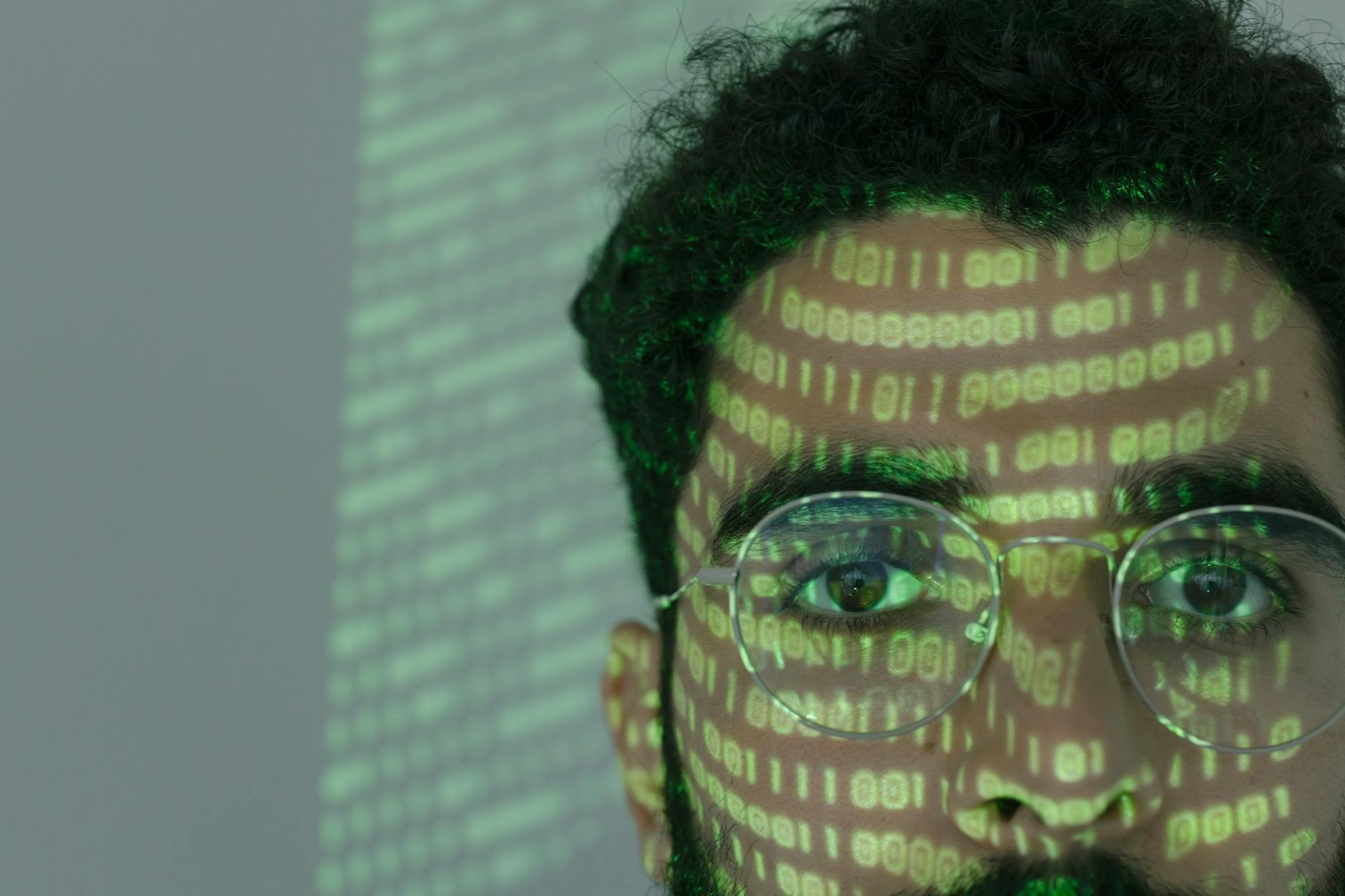 Digital privacy risks visualized in online dating, highlighting security concerns and data vulnerability with AI dating apps.
The most insidious threat, however, might be the erosion of authenticity itself. If AI ghostwrites our witty banter, curates our perfect profiles, and even advises on our romantic strategies, how much of us is left in the interaction? ChatGPT, for all its cleverness, has even been accused of giving men such bad dating advice that it might be keeping them single. The Dazed article about an AI avatar setting up a date highlights a concerning detachment, where the pursuit of love becomes an outsourced task. Many daters already feel that AI is making online dating worse, amplifying the sense of alienation rather than fostering true connection. When the dating process becomes an optimization game, where our true, messy, imperfect selves are filtered through an algorithmic lens, are we truly connecting, or just presenting a perfected digital facade?
Navigating the Neural Network of Love: Strategies for the AI Dating Era
The future of AI dating apps is not about whether we accept them, but how we adapt to them. In this new landscape, discernment becomes a superpower. Daters must develop a keen sense for distinguishing between genuine human interaction and AI-generated responses. Learning to spot the subtle tells – overly perfect grammar, generic compliments, or responses that feel a little too good – is the new 'Turing Test' for personal connection. Authenticity, ironically, becomes the ultimate competitive advantage.
Furthermore, a deep understanding of dating app privacy risks and data literacy is paramount. Scrutinize privacy policies, understand what data you're sharing, and be proactive in managing your digital footprint. Using AI as a tool to refine your profile or brainstorm ideas is one thing; letting it dictate your entire romantic persona is another. The goal should be to leverage AI to enhance your genuine self, not to replace it. This means moving interactions offline or to voice/video calls faster to verify the human behind the screen, establishing that foundational human connection before investing too heavily.
The Unbreakable Algorithm: Why Human Connection Still Reigns Supreme
Despite the ever-increasing sophistication of AI dating apps, the core essence of romance – love, chemistry, empathy, and shared vulnerability – remains an exclusively human domain. AI can optimize the discovery phase, analyze compatibility metrics, and even suggest perfect opening lines, but it cannot engineer true intimacy. It cannot feel the flutter of a heart, the warmth of a shared laugh, or the unspoken understanding that forms the bedrock of a deep bond. These are experiences that defy algorithms, rooted in our complex, often irrational, and beautiful humanity.
 A couple experiencing genuine human connection in the digital age, emphasizing authentic relationships despite AI dating apps.
The paradox is profound: the more perfectly AI crafts our interactions, the more we crave raw, unadulterated humanity. While AI can undoubtedly make the initial hurdles of dating more navigable, it's the imperfect, unpredictable, and genuinely human moments that define lasting relationships. The future of AI dating apps is not about replacing human interaction, but about providing tools. How we choose to wield those tools, whether to amplify our true selves or to hide behind a digital facade, will ultimately determine whether AI becomes our greatest romantic asset or our most cunning relationship saboteur.
Ultimately, AI's role in dating is a double-edged sword. It offers unparalleled efficiency and insights, promising to cure 'app fatigue' and deliver better matches. Yet, it simultaneously introduces complexities around authenticity, privacy, and the very definition of connection. As we venture further into this AI-powered romantic frontier, the onus is on us to navigate its promises and perils with wisdom, ensuring that in our pursuit of love, we never lose sight of what truly makes us human. Will you let AI guide your heart, or will you maintain ultimate control over your romantic destiny?
```