
The retail landscape isn't just changing; it's undergoing a seismic, live-streamed revolution. Traditional e-commerce, once the disruptor, is now facing its own challenger: Live Social Media Shopping. If you haven't bought a product directly from an influencer showcasing it in real-time, or snagged a flash deal while watching a brand's live broadcast, you’re in a rapidly shrinking minority. This isn't just a trend; it's a fundamental shift in consumer behavior, powered by instant gratification, authentic engagement, and the irresistible allure of community. But what's truly fueling this wildfire growth, and how much longer can businesses—and consumers—afford to ignore it?
Forget the sterile shopping cart experience; welcome to the dynamic, often chaotic, and utterly captivating world where entertainment meets commerce.
This article will dissect the meteoric rise of live social media shopping, unpack the market forces driving its dominance, reveal the psychological triggers making it irresistible, and dare to ask: Is this the ultimate future of retail, or a digital mirage with hidden costs?
The Unseen Force Reshaping Retail: What is Social Commerce, Really?
Social commerce isn't merely e-commerce conducted on social platforms. It's a far more intricate beast, a hybrid beast where the entire purchasing journey—from product discovery to final transaction—happens within the social media ecosystem itself. Think less about clicking a link to an external website and more about a seamless, in-app experience. This includes buying directly from Instagram or TikTok shops, participating in Facebook Live auctions, or even leveraging Pinterest's visual discovery tools for direct purchases.
At its heart, live social media shopping injects a crucial human element back into online retail. Influencers, brand ambassadors, or even everyday users showcase products in authentic, often unscripted, scenarios. Viewers can ask questions, get immediate answers, see products in action, and even interact with each other, fostering a sense of shared experience that traditional online shopping simply can't replicate. It's retail as performance art, commerce as community, and a powerful engine driving billions in sales globally.
The Numbers Don't Lie: Decoding the Market Explosion (and Why It Matters to YOU)
If you think social commerce is niche, prepare for a stark reality check. The market isn't just growing; it's exploding. Projections from various market analyses, including those extending to 2030 and beyond, paint a picture of relentless expansion. The global social commerce market size, already in the hundreds of billions, is forecast to reach staggering trillions within the next decade. Reports on the U.S. Social Media Analytics Market and Social Commerce Market trends highlight compound annual growth rates (CAGRs) that leave conventional retail in the dust.
This isn't just a win for tech giants; it's a massive shift in how value is created and captured across the entire retail supply chain. For consumers, it means more personalized experiences, potentially better deals through flash sales and exclusive live events, and an undeniable sense of being part of a movement. For businesses, it represents an existential challenge and an unparalleled opportunity.
Ignore these numbers, and you risk becoming a relic in a rapidly evolving digital marketplace where direct consumer engagement and dynamic content reign supreme.
 Diverse group of young adults actively engaged in live social media shopping on their smartphones, sharing a moment.
Beyond the Hype: 4 Irrefutable Reasons for Live Social Media Shopping's Dominance
Why are consumers flocking to this new paradigm, and why is this particular form of live social media shopping proving so resilient and impactful? The reasons are a potent cocktail of psychology, technology, and evolving consumer expectations.
1. Authenticity & Trust: The Anti-Ad Playbook
In an era saturated with highly polished, often sterile advertisements, live social media shopping thrives on authenticity. Influencers demonstrate products in their real lives, mistakes and all, building a level of trust that a glossy ad can never achieve. Viewers see immediate, unedited reactions and can pose questions directly, cutting through marketing fluff. This direct, often raw, interaction fosters genuine relationships, making product recommendations feel less like sales pitches and more like advice from a trusted friend.
2. Instant Gratification & Impulse: The FOMO Engine
Live events are inherently time-sensitive. Limited-time offers, exclusive bundles, and real-time scarcity drive a powerful sense of FOMO (Fear Of Missing Out). The seamless, one-click purchase options eliminate friction, transforming impulse into immediate action. This combination of urgency and ease taps into primal human desires for instant reward, making it incredibly effective at driving conversions that traditional e-commerce struggles to match.
The seamless, one-click purchase options eliminate friction, transforming impulse into immediate action.
3. Community & Entertainment: Shopping as Spectacle
Live social media shopping isn't just about buying; it's about belonging and entertainment. Brands are transforming shopping into an interactive spectacle, complete with games, polls, Q&A sessions, and celebrity appearances. Viewers engage with each other in the comments, creating micro-communities around shared interests. This makes the shopping experience less of a chore and more of a social event, a digital equivalent of browsing a bustling marketplace with friends.
4. Data-Driven Personalization: The Algorithm as Your Personal Shopper
Behind the engaging façade lies sophisticated data analytics. Social media platforms possess an unprecedented wealth of user data—preferences, browsing history, engagement patterns. This allows for hyper-targeted product recommendations during live streams and in-app ads, ensuring that consumers are shown exactly what they're most likely to buy. The algorithm isn't just watching; it's learning and refining its sales pitch, making each live social media shopping experience feel uncannily relevant.
 Diverse group of young adults actively engaged in live social media shopping on their smartphones, sharing a moment.
The Dark Side? Navigating the Challenges and Pitfalls
No revolution is without its casualties or complexities. While the benefits of live social media shopping are undeniable, a critical eye reveals potential pitfalls. Consumer fatigue is a real threat; as more brands flood the live space, standing out becomes harder. Authenticity, the bedrock of this model, can be undermined by paid sponsorships that lack transparency, eroding trust. Moreover, data privacy concerns loom large as platforms collect more intimate details about user behavior.
For businesses, the logistics can be daunting: managing live inventory, handling real-time customer service during broadcasts, and dealing with potentially higher return rates (due to impulse purchases) require robust infrastructure. There's also the risk of over-reliance on a single platform, making businesses vulnerable to algorithm changes or policy shifts. The race to the bottom on price, driven by flash sales, can also devalue brands if not managed strategically.
Future Forward: What's Next for Your Digital Wallet?
Looking ahead to 2025 and beyond, the trajectory of live social media shopping appears clear: it's not slowing down. Expect deeper integration of AI for personalized virtual assistants during live streams, offering style advice or product comparisons in real-time. Augmented Reality (AR) and Virtual Reality (VR) will transform the shopping experience, allowing consumers to 'try on' clothes or visualize furniture in their homes directly within the live environment. The metaverse, once a distant concept, will become a nascent shopping ground, blurring the lines between digital identity and physical consumption.
This convergence of entertainment, social interaction, and seamless transaction will only intensify. As platforms mature, expect more sophisticated analytics for businesses and even more personalized, almost predictive, shopping experiences for consumers. The battle for your digital wallet will be fought not just on price or product, but on who can deliver the most engaging, trustworthy, and entertaining retail journey.
The era of passive shopping is over. Live social media shopping has flung open the doors to an interactive, dynamic, and undeniably addictive retail future.
Whether you're a business vying for attention or a consumer simply seeking the next great deal, understanding this ecosystem isn't optional—it's essential for navigating the next wave of digital commerce. The question isn't if you'll participate, but how you'll adapt to a world where every scroll can lead to a purchase, every live stream a discovery, and every interaction a potential transaction. Are you ready for the show?
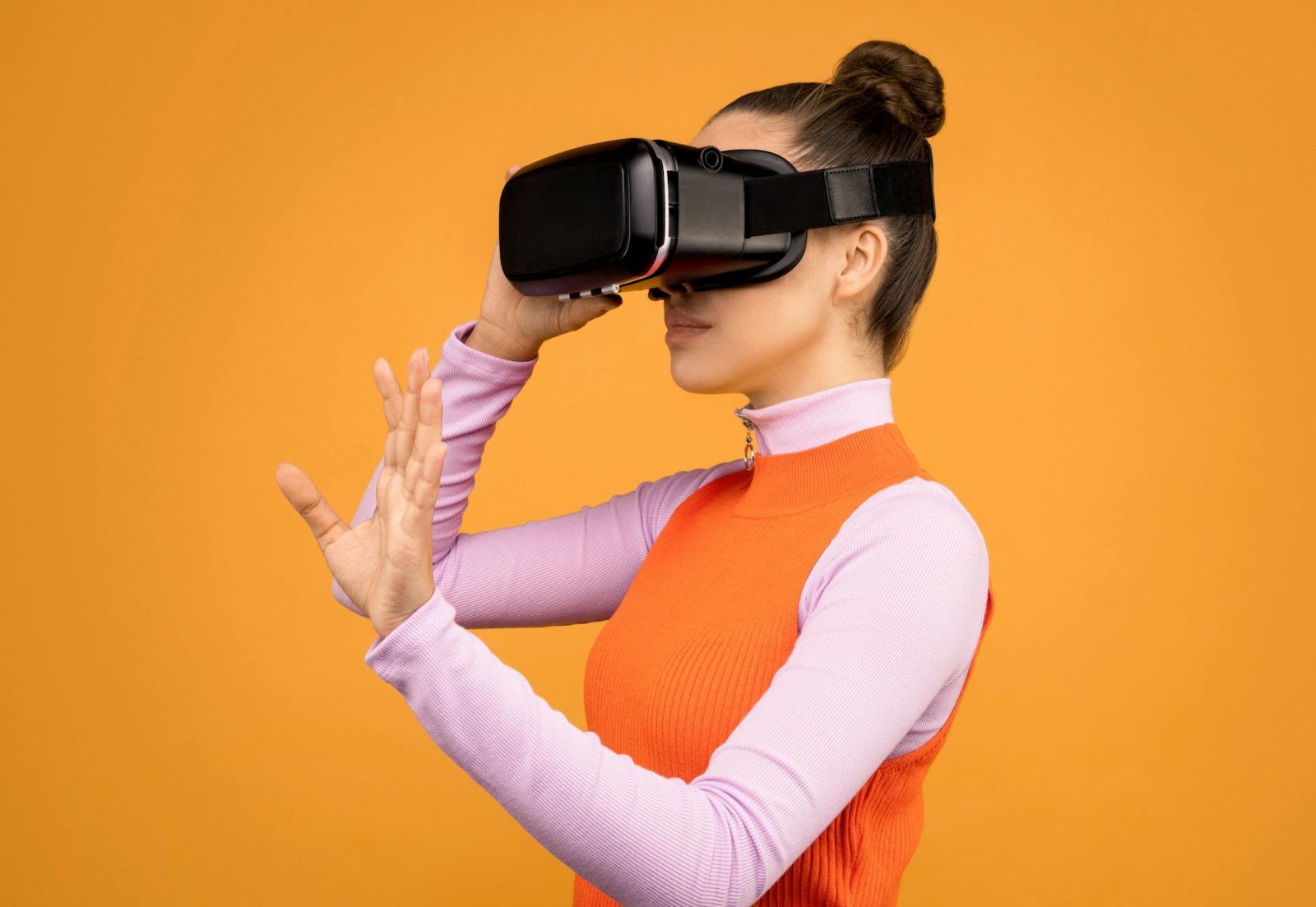 Person interacting with augmented reality overlay during a future live social media shopping session, trying virtual clothes.