
Every online shopper knows the ritual: the hopeful click, the anxious wait, the crushing disappointment when that 'perfect' dress arrives and fits… just wrong. The dreaded return pile. The wasted time. For years, this was the unavoidable toll of digital fashion. But what if I told you the fitting room, that bastion of self-doubt and questionable lighting, is already obsolete? What if AI didn't just enhance shopping, but fundamentally *rewrote* the rules of fashion confidence?
Welcome to the era of AI virtual try-on, where mirrors don't lie, algorithms don't judge, and your next wardrobe staple is just a tap away from being perfectly visualized on *your* body. This isn't just a tech upgrade; it's a seismic shift, transforming billions in retail losses into unparalleled customer satisfaction. Prepare to never look at online shopping – or yourself – the same way again.
The Digital Dressing Room: From Sci-Fi Dream to Shopping Reality
For decades, the concept of virtually trying on clothes belonged firmly in science fiction. We imagined holographic projections or seamless digital overlays, a fantasy just out of reach. Today, thanks to astonishing advancements in computer vision, augmented reality (AR), and artificial intelligence, that fantasy is our vibrant, tangible reality. Companies like Google, Zelig, and Style3D are leading the charge, making virtual try-on accessible to millions, and doing so with a level of realism that can genuinely surprise.
At its core, AI virtual try-on leverages sophisticated algorithms to render a garment onto a user's uploaded photo or live video feed. It’s not just a flat overlay; the AI analyzes body shape, fabric drape, lighting conditions, and even movement to create an incredibly realistic simulation. Early iterations were clunky, often resembling a child's cut-and-paste project. Now, the technology is so refined that it can accurately represent how different sizes fit, how fabrics fall, and how colors react to various skin tones. It's a testament to the rapid evolution of AI, moving from basic recognition to complex, dynamic rendering, essentially creating a 'digital twin' of the garment on your unique form.
Beyond Convenience: Why AI Virtual Try-On is a Game Changer for Brands and Buyers
The impact of AI virtual try-on stretches far beyond mere convenience; it’s a strategic imperative for both consumers and businesses. For buyers, the benefits are immediately obvious. Imagine browsing a new collection and instantly seeing how a piece would look on *you*, not on a stylized model. This personalized visualization boosts confidence, eliminates guesswork, and allows for bold experimentation without commitment. You can try on thousands of outfits in seconds, mixing and matching to your heart's content, all from the comfort of your couch. No more crowded fitting rooms, no more dressing room mirrors distorting reality. Just pure, unadulterated fashion exploration.
Retailers deploying these technologies are reporting significant benefits: upwards of a 30% increase in conversion rates and a dramatic 20-30% reduction in returns.
For brands, the implications are even more revolutionary. The Achilles' heel of e-commerce has always been the staggering return rate, often hovering around 30% or higher, costing retailers billions in reverse logistics and lost sales. AI virtual try-on directly addresses this pain point. This isn't just saving money; it's unlocking a more sustainable retail model, reducing textile waste from physical samples and returns, as championed by innovators like Style3D AI. Furthermore, the rich data generated from these interactions provides invaluable insights into customer preferences, helping brands refine designs and merchandising strategies with unprecedented precision.
The Tech Behind the Transformation: How AI "Learns" Fashion
So, how does AI achieve this magic? It’s a complex interplay of several cutting-edge AI disciplines. Computer vision allows the AI to 'see' and understand the human body in an image or video, accurately mapping facial features, body dimensions, and posture. Generative AI, meanwhile, takes a 2D image of a garment and 'drapes' it realistically onto the user's 3D body model, accounting for texture, fabric stiffness, and how it would react to different poses. This involves an immense amount of training data, teaching the AI the 'rules' of physics, fabric, and fashion aesthetics.
Platforms like Zelig boast the world's fastest mix-and-match virtual try-on, capable of generating thousands of outfit combinations in seconds. This speed and accuracy are crucial for a truly engaging user experience. The AI doesn't just superimpose; it learns and predicts. It understands that a silk blouse will drape differently than a denim jacket, and that a fitted dress will stretch and conform in specific ways. The level of detail required to render realistic wrinkles, shadows, and light reflections is staggering, pushing the boundaries of what was once thought possible in real-time fashion visualization.
The Silent Revolution: AI as Your Next Personal Stylist
The capabilities of AI in fashion-tech extend beyond simply seeing clothes on yourself. The evolution of AI virtual try-on is deeply intertwined with the rise of AI fashion assistants and personal shoppers. Imagine an AI that not only lets you try on clothes but also understands your existing wardrobe, your style preferences, your upcoming events, and even current trends. This is where AI agents are stepping in, providing personalized styling suggestions and curating entire looks, making fashion choices easier and more confident.
These AI systems can learn your fit preferences, recommend complementary pieces, and even alert you to new arrivals that align with your unique aesthetic. They can help you stay on top of fashion without the guesswork, ensuring that every purchase is an informed one. The future envisions an AI personal shopper that lives in your pocket, always ready to offer expert advice, streamline your shopping journey, and help you cultivate a truly distinctive personal style. This symbiotic relationship between virtual try-on and AI styling is creating an ecosystem where fashion advice is no longer exclusive but democratized and personalized to an unprecedented degree.
The Unseen Challenges and Ethical Threads
While the promise of AI virtual try-on is immense, it's crucial to acknowledge the challenges and ethical considerations. Data privacy, for one, is paramount. Users are sharing images of their bodies, raising questions about how this sensitive data is stored, processed, and secured. Furthermore, while realism is the goal, there’s a fine line between hyper-realistic visualization and creating misleading perceptions. Ensuring the technology accurately represents fit for all body types and avoids perpetuating unrealistic beauty standards is an ongoing ethical imperative for developers.
Another consideration is the potential for over-consumption. If trying on clothes virtually becomes too easy, will it lead to more impulse purchases, ironically counteracting some of the sustainability benefits? The industry must continuously innovate while maintaining a strong ethical compass, balancing technological advancement with responsible usage and user well-being. Transparent data practices and robust user controls will be key to building trust in this rapidly evolving space.
What's Next? The Future is Already Here, Virtually
The trajectory of AI virtual try-on is astounding. We're already seeing hints of future innovations: integration with haptic feedback systems that simulate the feel of fabrics, seamless transitions into metaverse environments where digital avatars try on real-world designs, and the emergence of AI-driven design tools that can create bespoke garments based solely on a user's virtual try-on preferences and feedback. The distinction between physical and digital fashion will blur, opening up new avenues for creativity, personalization, and sustainable practices.
AI virtual try-on isn't just a fleeting trend; it's the foundational layer of a new fashion paradigm. It empowers consumers with unparalleled confidence and choice, while simultaneously providing retailers with vital tools to reduce waste, optimize operations, and truly understand their customer base. The future of fashion is personalized, precise, and most importantly, virtual. Are you ready to step into your new digital wardrobe?
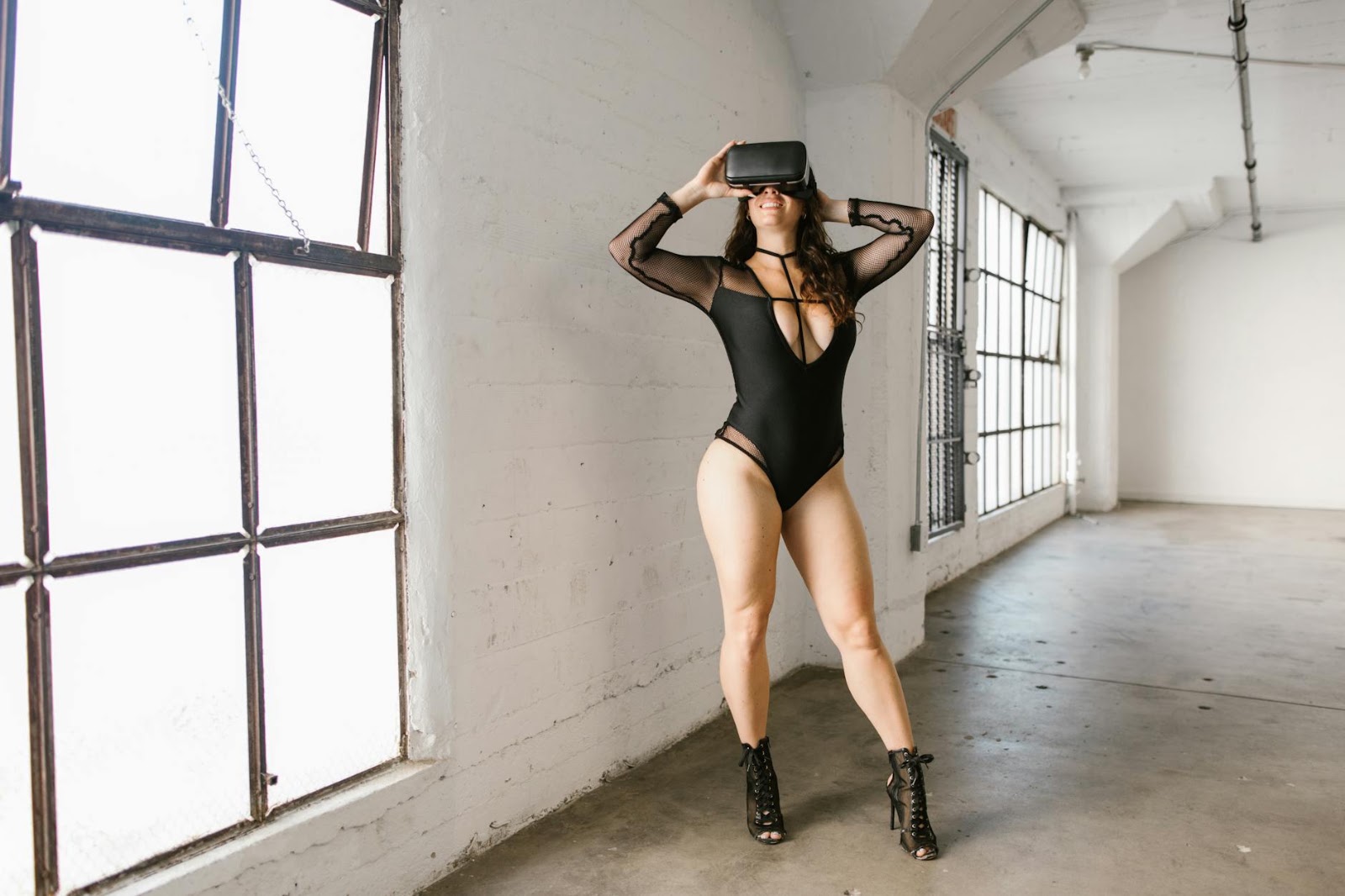 Advanced AI virtual try-on technology projecting realistic digital garments in a futuristic fashion studio setting.
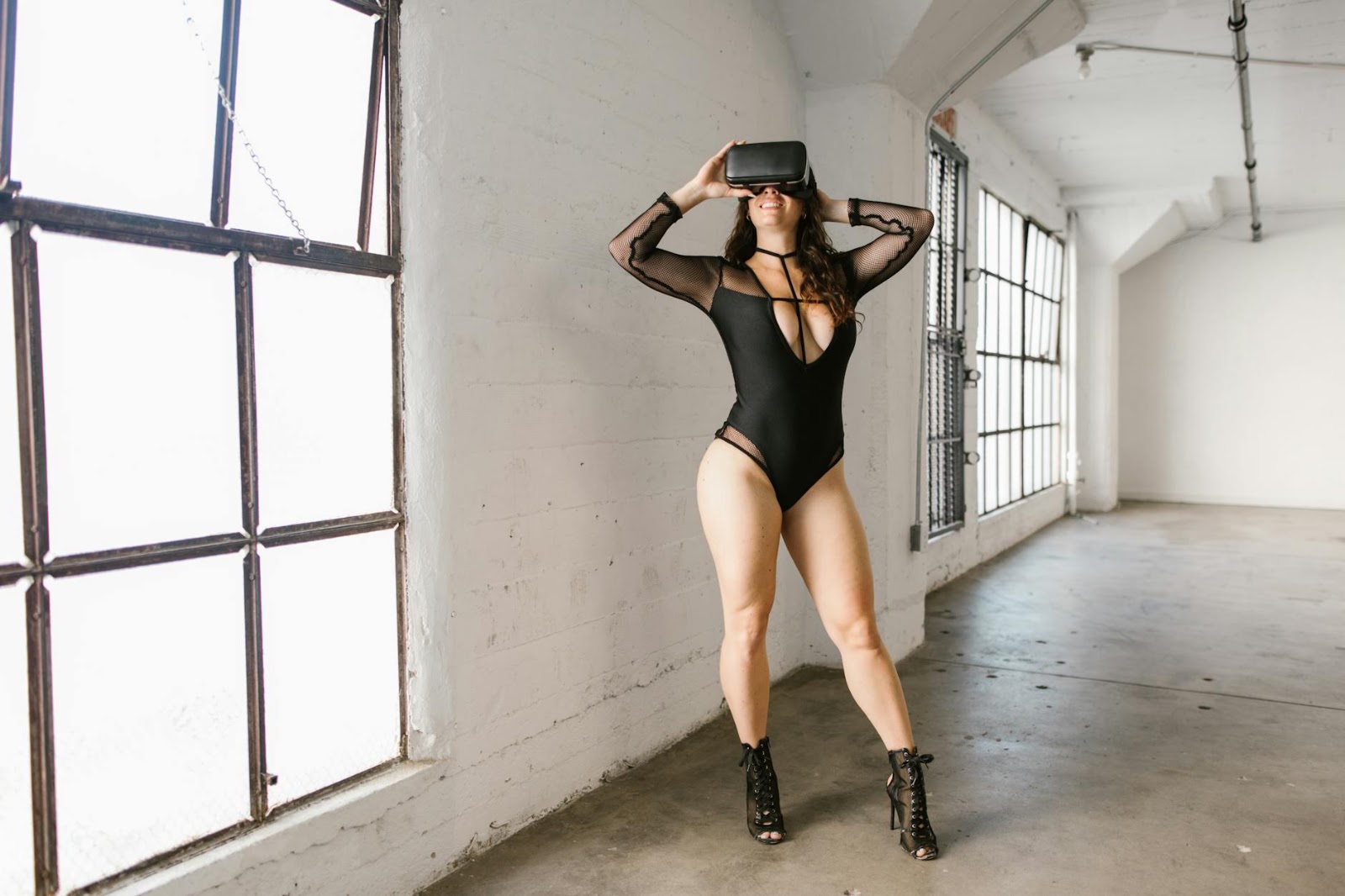 Advanced AI virtual try-on technology projecting realistic digital garments in a futuristic fashion studio setting.
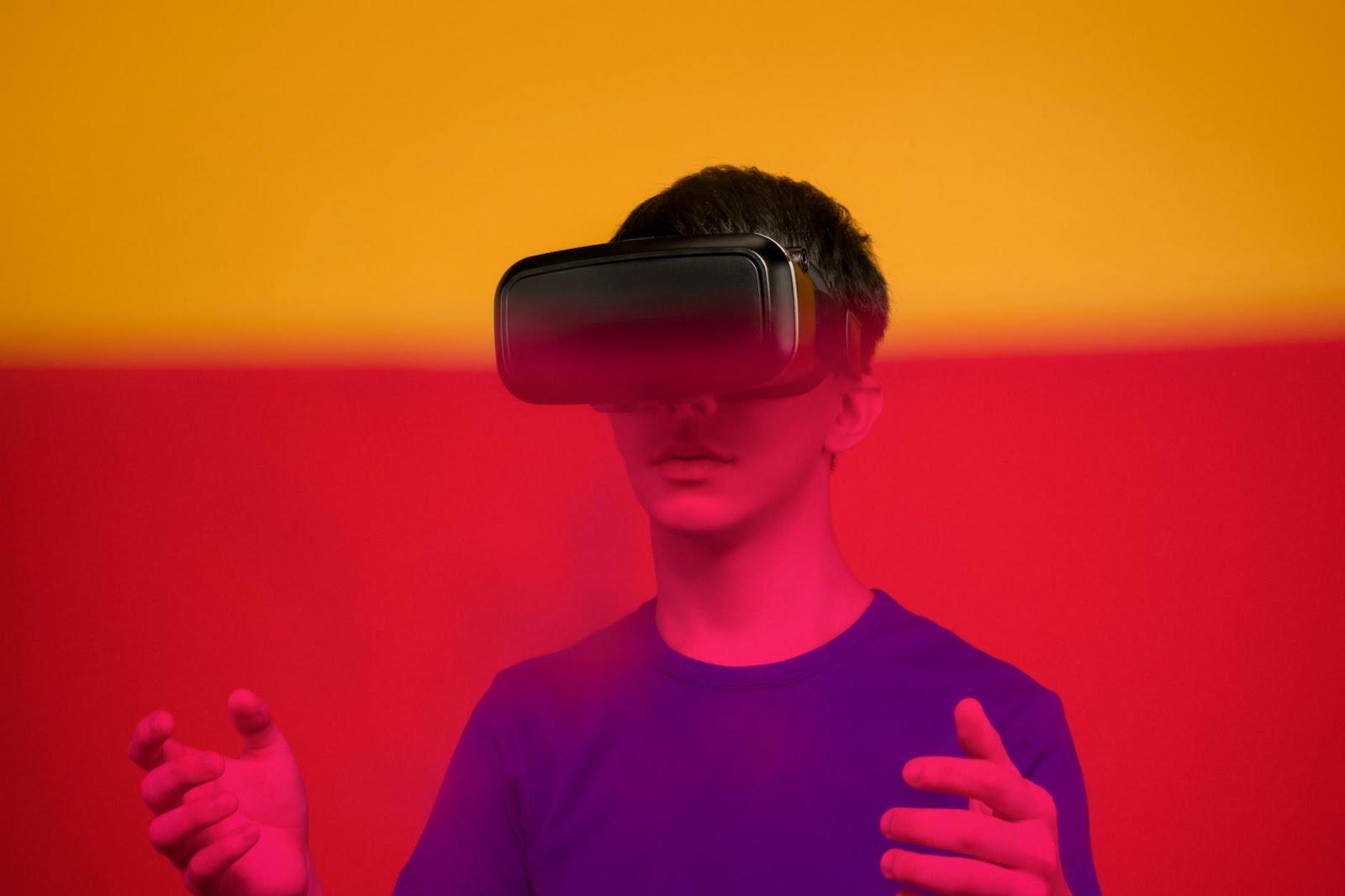 An avatar in a vibrant metaverse environment engaging with AI virtual try-on for personalized outfits, showcasing the future of fashion-tech.