
Imagine a world where 30-40% of everything you buy online gets sent back. This isn't a dystopian novel; it's the inconvenient truth of online fashion. Billions of dollars are lost, mountains of textile waste accumulate, and our planet silently suffers. But what if a single technological leap could slash those numbers by half, save billions, and revolutionize how you shop forever? Enter AI virtual try-on fashion, and it's not just coming – it's already here, poised to make your physical wardrobe feel utterly obsolete. Prepare yourself; the fashion industry’s silent revolution is about to go mainstream.
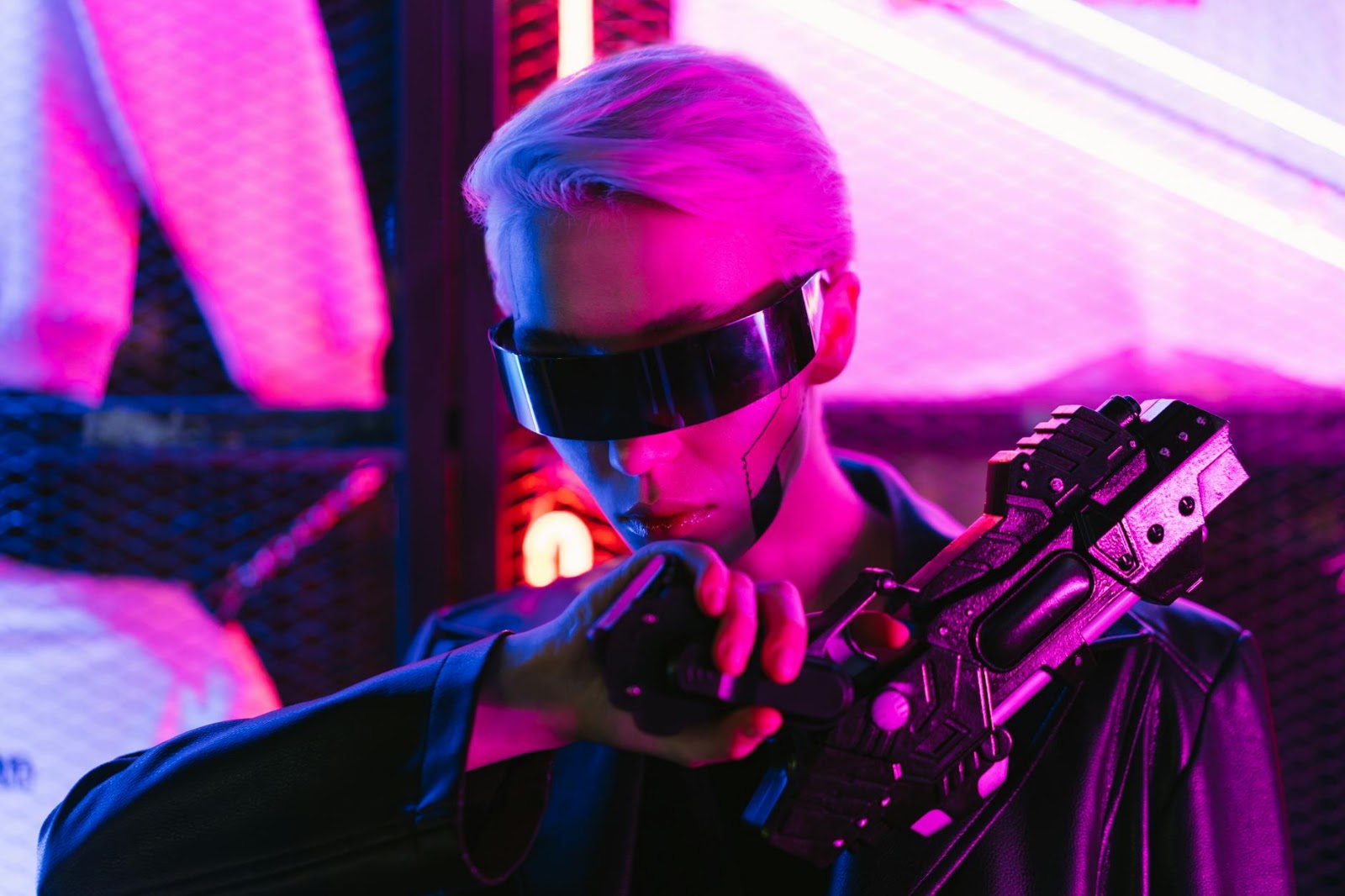 Hyper-realistic virtual model showcasing advanced AI virtual try-on technology in fashion.
Beyond the Changing Room: The Rise of AI Virtual Try-On
For years, the promise of virtual try-on felt like a futuristic gimmick, riddled with clunky interfaces and laughably unrealistic avatars. Then, generative AI exploded onto the scene, transforming imagination into tangible digital reality. Suddenly, the impossible became achievable. Companies like Google are now rolling out their 'Try On' tool, allowing customers in Canada and beyond to virtually wear clothes and shoes, boosting confidence in online purchases. Zara, the fast-fashion titan, is leveraging similar virtual try-on technology to cut its online returns by over 10% – a staggering feat in an industry where every percentage point translates to millions.
The market for generative AI in fashion is projected to hit $0.59 billion by 2029, driven by an insatiable demand for customization and innovative retail solutions.
This isn't just a niche fad; it's a strategic imperative. From luxury brands to everyday apparel, AI virtual try-on fashion is becoming the standard, not the exception. It’s about more than just convenience; it’s about rebuilding trust in the digital shopping experience, a trust often fractured by ill-fitting garments and misleading product photos.
The Unseen Power: How AI Fuels Hyper-Realistic Experiences
What makes today's virtual try-on so different from its awkward predecessors? The answer lies deep within the algorithms of generative AI, particularly techniques like Stable Diffusion. Early attempts at VTO struggled with lighting, texture, and body alignment, creating uncanny valley experiences that deterred shoppers. Now, thanks to advanced machine learning and immense computing power, virtual garments feel "alive." Textures look touchable, lighting dynamically matches the virtual environment, and clothing drapes naturally on diverse body types.
Pioneers like Tryona are building the future of virtual try-on AI fashion by offering API integrations that allow any fashion site to deploy these sophisticated tools. This democratizes access, moving beyond the tech giants to empower smaller retailers. Researchers at the Illinois Grainger School of Computing and Data Science, like Yuxiong Wang and Junkun Chen, are pushing boundaries further, enabling longer, higher-resolution, and more customizable try-on videos. Imagine a digital twin of yourself, walking and moving, demonstrating how an outfit performs in motion – this is the level of immersion AI is delivering, making the decision to 'add to cart' almost irresistible.
 Hyper-realistic virtual model showcasing advanced AI virtual try-on technology in fashion.
The Business of Virtual: Reducing Returns, Boosting Confidence
The impact of AI virtual try-on fashion isn't just aesthetic; it's profoundly economic. Online apparel return rates can soar past 20%, sometimes even 30%, eating into profits and creating logistical nightmares. Brands adopting virtual try-on tools are reporting significant wins: increased conversions, and a palpable enhancement of customer trust. This isn't theoretical; it's real-world data driving massive ROI.
Brands adopting virtual try-on tools are reporting significant wins: return rates reduced by as much as 20% after implementation.
Furthermore, VTO fosters inclusivity. It allows a broader range of body types to visualize garments accurately, breaking down barriers and making fashion accessible to everyone, regardless of what a standard model looks like. Beyond individual purchases, this AI fashion innovation is reshaping the entire retail ecosystem. With smart models predicting best-sellers and AI tools helping designers make rapid, data-driven decisions, waste is minimized, and sales are maximized. This isn't just a feature; it's a fundamental shift in how profitability and sustainability intersect in the digital fashion market.
More Than Just Trying On: The Future of AI in Fashion Tech
The scope of AI in fashion extends far beyond mere try-ons. We're witnessing the genesis of comprehensive AI fashion assistants and styling platforms. These tools, like those developed by Idea Usher, offer personalized styling suggestions, smart wardrobe organization, and real-time trend recommendations, transforming the shopping journey into a personalized concierge service. Forget guesswork; AI ensures you're always on trend and perfectly styled.
The digital fashion market itself, including virtual clothing, digital avatars, and NFT-based couture, is projected to grow at a CAGR of 12.6% by 2033.
Companies like Zelig are redefining speed and customization. Described by founder Sandy Sholl as "the world’s fastest mix-and-match virtual try-on platform," Zelig can generate thousands of outfit combinations – tops, bottoms, shoes, handbags – in seconds. This capability hints at a future where personal styling is infinitely scalable and instantly accessible. This fusion of fashion, gaming, and Web3 technology, powered by sophisticated AR/VR-based try-ons, is creating entirely new commercial and creative opportunities for designers, brands, and digital artists alike. Your digital avatar might soon have a more extensive, better-curated wardrobe than your physical self.
The Ethical Runway: Navigating AI's Impact on Fashion
As with any transformative technology, AI virtual try-on fashion presents ethical considerations. Will the hyper-realistic virtual models create new pressures regarding body image? How will data privacy be protected when intricate body scans and personal style preferences are at the core of the experience? And what about the human element – the designers, the sales associates, the creatives whose roles might be fundamentally altered by increasingly intelligent AI?
These aren't questions to dismiss lightly. The industry must proactively establish ethical guidelines, ensuring that AI fashion innovation serves humanity, not just profit margins. It's crucial to design systems that promote inclusivity, protect user data, and empower human creativity, rather than replacing it. The goal isn't just efficiency; it's responsible progress. The future of fashion, while dazzlingly digital, must remain deeply human.
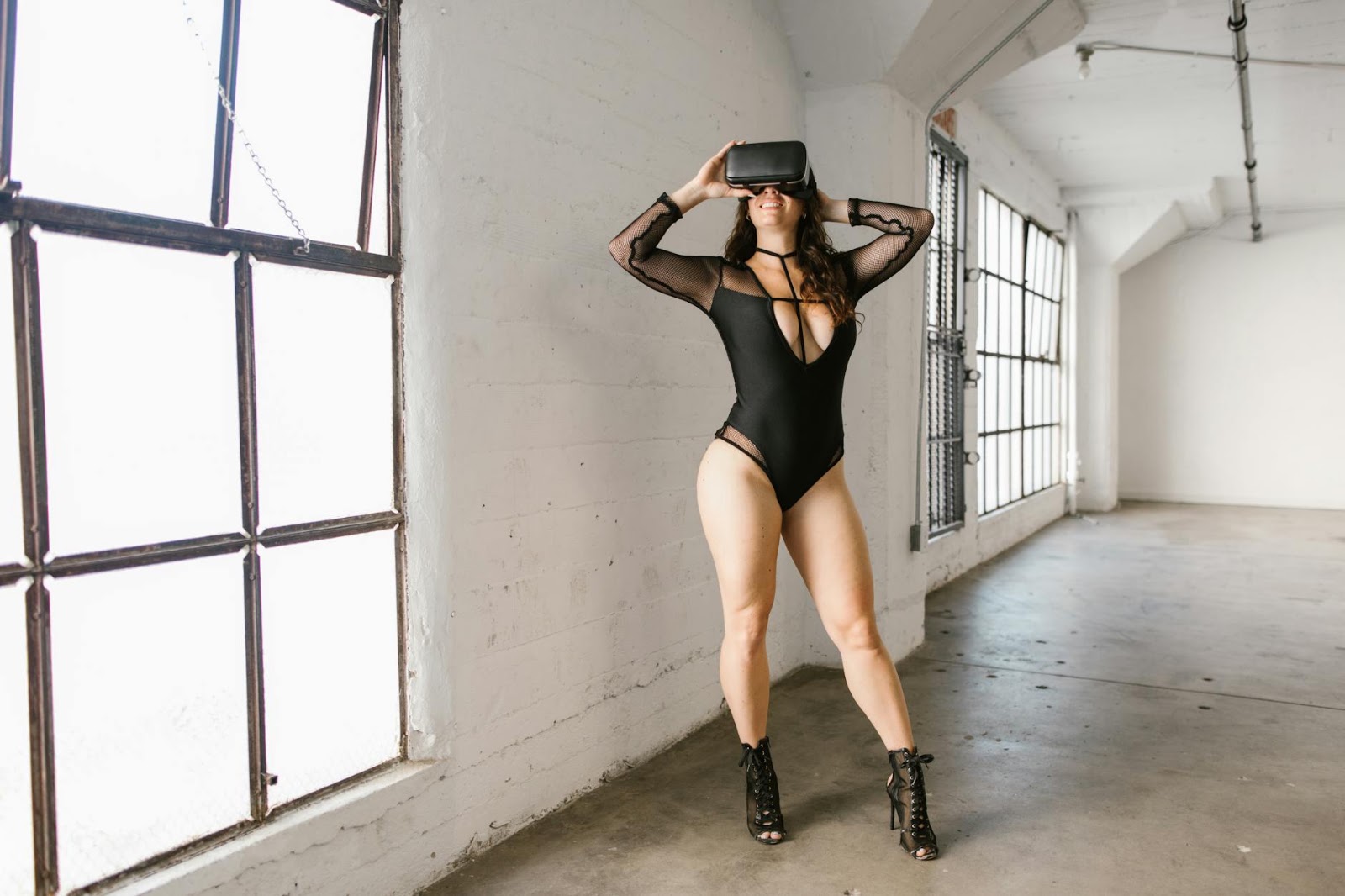 Diverse consumers engaging with future AI virtual try-on fashion and digital clothing.
The Wardrobe of Tomorrow, Today
From slashing returns to democratizing high fashion, AI virtual try-on fashion is far more than a novelty; it's a seismic shift in how we discover, interact with, and ultimately consume clothing. The days of endless returns and fitting room frustrations are numbered. As the digital fashion market continues its meteoric rise, powered by relentless AI fashion innovation, the question isn't whether your wardrobe will be obsolete, but how quickly you'll embrace the intelligent, immersive future of style. Are you ready to step into your next outfit, virtually?
```