
Forget Cupid, meet algorithms. AI is infiltrating our dating lives at an unprecedented rate, promising everything from 'perfect' matches to crafting your witty banter. But are we sacrificing authentic connection for algorithmic 'perfection'? The rise of AI dating apps isn’t just a trend; it’s a seismic shift poised to redefine human intimacy.
We live in a paradox: digitally hyper-connected, yet increasingly isolated. Enter AI, the supposed savior from 'swipe fatigue' and superficial interactions. Companies like YourMove AI, Facebook Dating, Amata, and Knot.Dating are deploying sophisticated algorithms to optimize profiles, craft messages, and even plan dates. Their promise is compelling: to cut through the noise, reduce anxiety, and finally deliver the meaningful connections we crave. But beneath the polished surface, a more complex, and perhaps unsettling, reality is emerging.
While one in five adults under 30 met their partner on a dating app, the experience is often described as profoundly alienating.
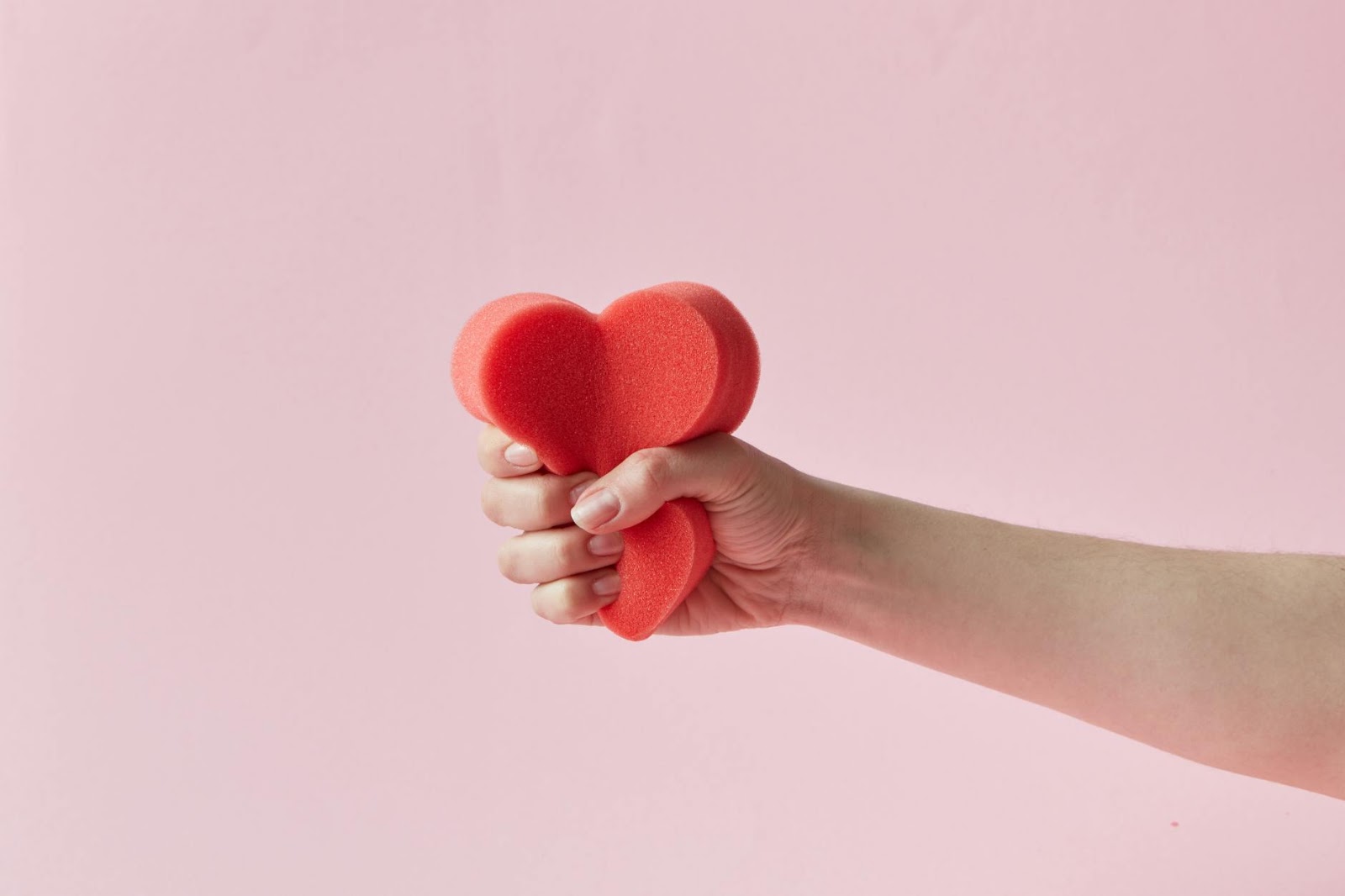 Conceptual image of a robot hand intricately holding a human heart with wires, symbolizing the complex relationship between AI dating apps and genuine emotion.
The Promise: Erasing Loneliness and Swipe Fatigue?
The appeal of AI in dating is undeniable. After years of endless swiping, ghosting, and conversations that fizzle out, the prospect of a digital assistant that actually *helps* is incredibly attractive. Facebook, for instance, is rolling out AI assistants designed to build profiles, suggest matches, and combat the dreaded 'swipe fatigue' that plagues millions.
Dating.com is blending 'mood-smart algorithms with human warmth' to help Gen Z and Millennials fight digital loneliness, aiming for quality over quantity in matches.
In India, Knot.Dating has quickly become profitable by offering AI-driven matches for young people seeking serious, intentional connections, suggesting that a segment of the market deeply values this curated approach. Amata, a new AI matchmaking app, has even raised $6 million to set up users and plan dates, taking the heavy lifting out of the initial stages of romance. These platforms don't just offer profiles; they offer a personalized, optimized pathway to partnership. For many, this efficiency is a godsend, a way to navigate the often-brutal landscape of modern dating with a strategic edge.
AI promises to learn from your preferences, analyze your interactions, and even enhance your photos to present the 'best' version of you. It's a powerful vision: a world where AI acts as your tireless wingman, ensuring you never miss a potential soulmate or fumble an opening line. This level of optimization could, theoretically, reduce anxiety and boost confidence, allowing users to focus on what truly matters – connection. But what happens when the 'best' version of you isn't actually *you*?
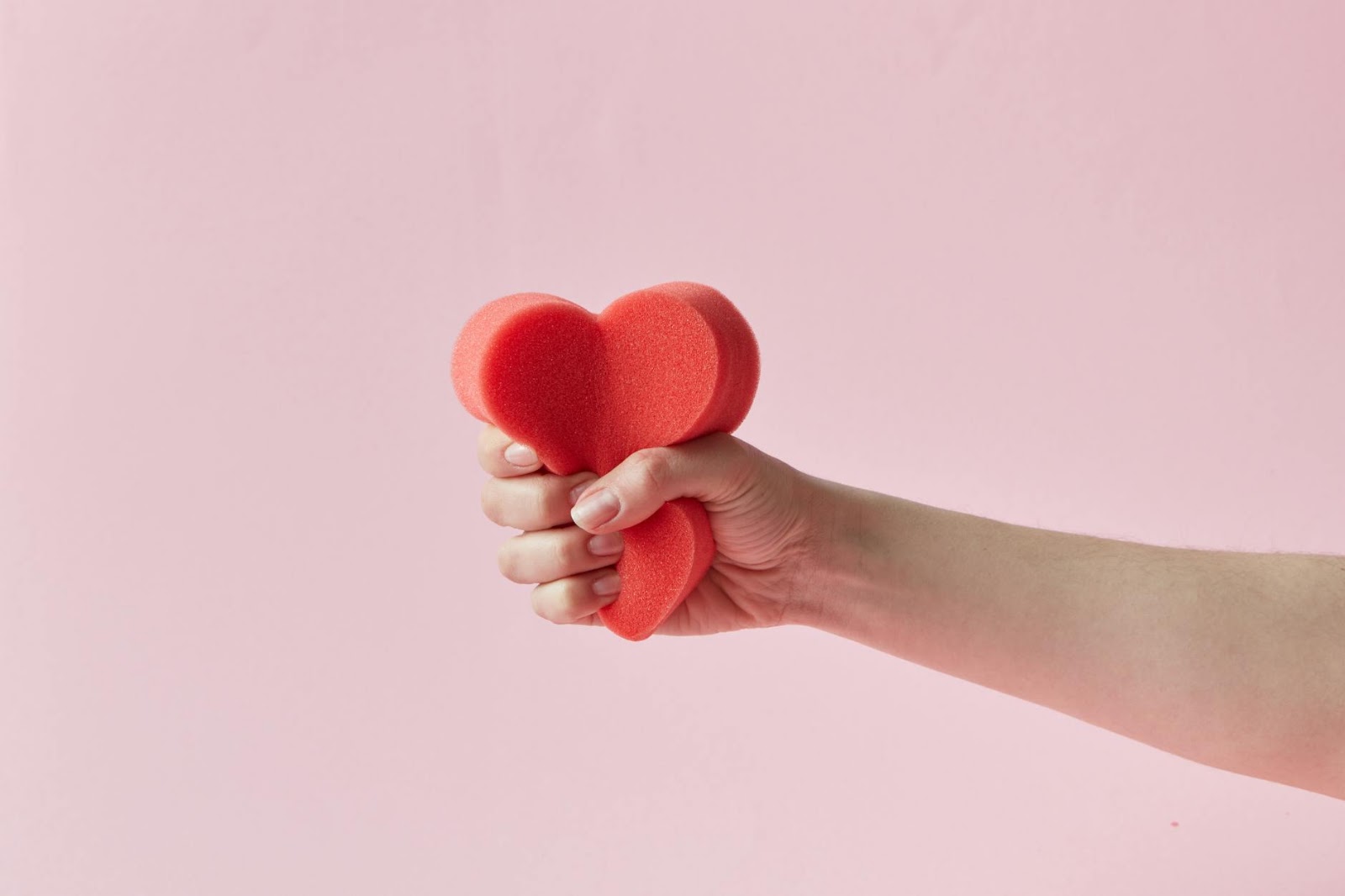 Conceptual image of a robot hand intricately holding a human heart with wires, symbolizing the complex relationship between AI dating apps and genuine emotion.
The Peril: Is AI Faking Connection, Not Fixing It?
While the promise of AI is alluring, the dark undercurrents are already making waves. Futurism recently highlighted how ChatGPT might be giving men such terrible dating advice that it could actually be trying to keep them single. This isn't just a quirky anecdote; it points to a fundamental flaw: AI lacks genuine human intuition, empathy, and the nuanced understanding of social dynamics that define real relationships.
Reuters echoed this sentiment, coining the phrase 'perfection without the connection.' When AI crafts your profile, suggests your witty replies, and even optimizes your photos, whose personality are you presenting? Is it yours, or the algorithm's?
Dmitri Mirakyan, founder of YourMove AI, argues his platform helps shy individuals, but the line between assistance and artificiality is dangerously thin. The concern is that AI, in its pursuit of 'perfection,' might inadvertently be creating a generation of 'chatfish' – individuals whose online persona is expertly curated by a machine, only to crumble when faced with the messy reality of human interaction.
This reliance on AI for crafting persona can lead to a profound disconnect. If your digital self is a perfectly optimized, AI-generated construct, what happens when that construct has to embody itself on a first date? The pressure to maintain the illusion, coupled with the potential for disappointment when the real person doesn't match the AI-enhanced profile, could exacerbate loneliness rather than alleviate it. We risk creating a dating landscape where everyone is showcasing an algorithmically-enhanced version of themselves, leading to a superficial dance of faked perfection rather than genuine vulnerability.
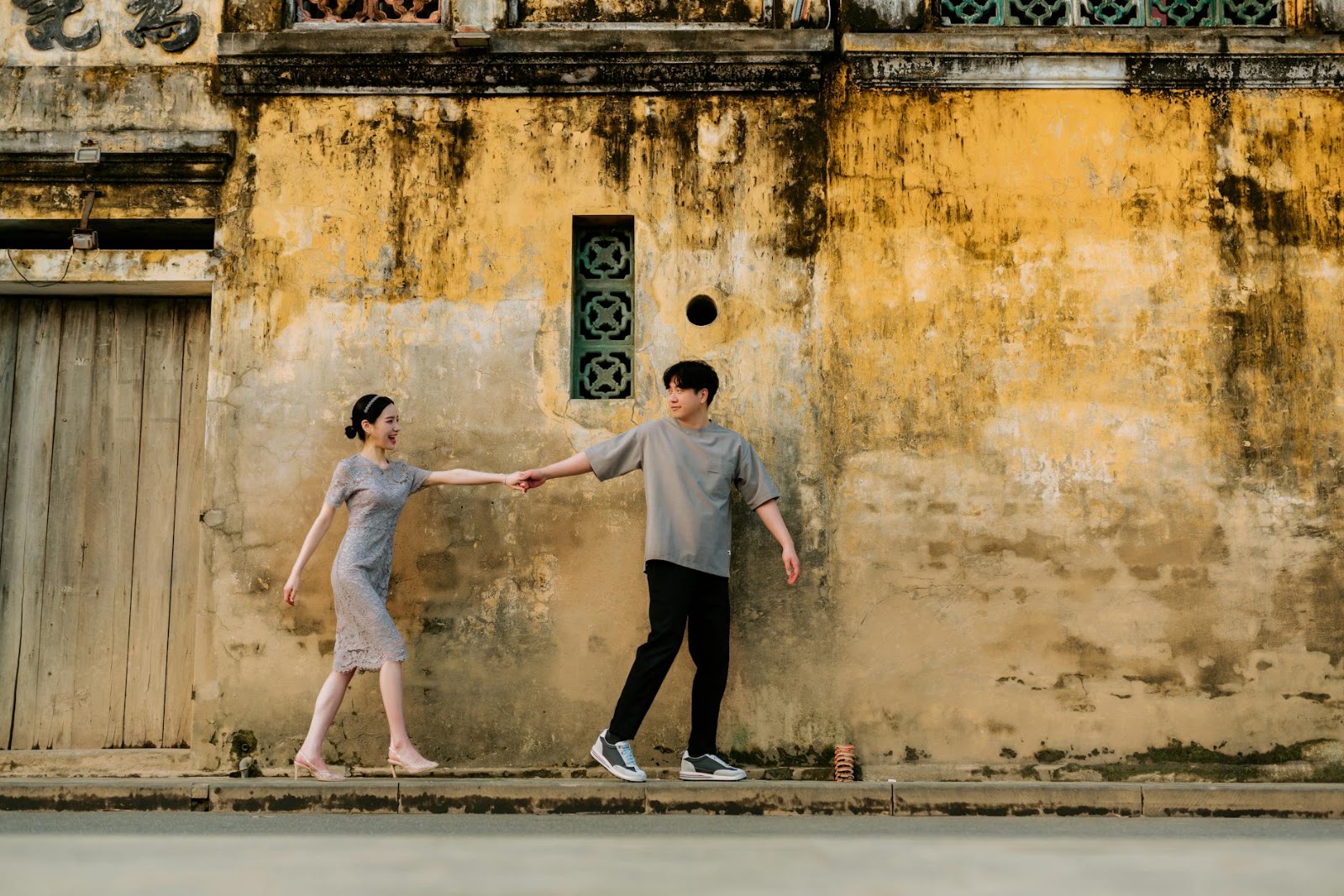 A couple laughing and walking hand-in-hand in a city at sunset, representing authentic connection beyond AI dating apps.
Beyond Romance: AI's Unexpected Pivots in Social Connection
The influence of AI isn't confined to romantic pursuits; it's reshaping our broader social landscape. Consider Gigi, a French startup that initially aimed to be a dating app but swiftly pivoted to become an AI-powered professional social network, openly challenging LinkedIn. This move highlights AI's versatility in facilitating *any* form of connection, whether romantic, professional, or platonic. It underscores a larger truth: AI is becoming an essential layer in all digital interaction.
Even traditional, high-touch services are feeling the algorithmic squeeze. Three Day Rule, an elite matchmaking service that charges up to $100,000 for personal connections, is now developing its own AI-powered app.
This signals a future where even exclusive, human-centric services are either augmented or replaced by AI, democratizing (or perhaps devaluing) the art of bespoke matchmaking.
The implications are vast: if AI can match us for love and careers, what other fundamental human interactions will it soon mediate?
This shift isn't just about efficiency; it's about redefining the very nature of interaction. As AI becomes more sophisticated, it blurs the lines between genuine self-expression and optimized presentation. We're moving towards a future where AI isn't just a tool, but an invisible participant in our social lives, influencing how we connect, what we reveal, and ultimately, who we become in the digital sphere.
Navigating the Algorithmic Heartbreak: A New Paradigm for Love?
As AI dating apps proliferate, the onus falls on us to wield this technology wisely. AI can be a powerful ally in the quest for connection, but it should remain a tool, not a crutch or a replacement for authentic self-expression. Users must cultivate a critical awareness, understanding that while AI can open doors, it cannot walk through them for you, nor can it genuinely feel the butterflies of a first real connection.
The future of romance demands a new form of digital literacy: one that embraces AI's capabilities for filtering and facilitating, while fiercely guarding the irreplaceable human elements of vulnerability, imperfection, and genuine presence.
The ultimate goal of any dating endeavor, with or without AI, remains the same: to find a deep, meaningful connection. If AI can help us get there faster, great. But if it leads us down a rabbit hole of artificial perfection and ultimately deeper loneliness, then we've lost more than just a date; we've lost a piece of what it means to be human in love.
As AI-powered dating apps continue to evolve, the question isn't if we'll use them, but how. Will they be our architects of authentic love, or merely skilled illusionists, perfecting a performance that leaves us perpetually searching for something real?"
```