
The UK government has announced significant changes to fuel duty rates, impacting petrol, diesel, and electric car drivers. These new rates, effective from September 1st, 2024, will reshape the cost of motoring across the nation. This comprehensive guide details the changes and their implications for you.
Understanding the New UK Fuel Duty Rates
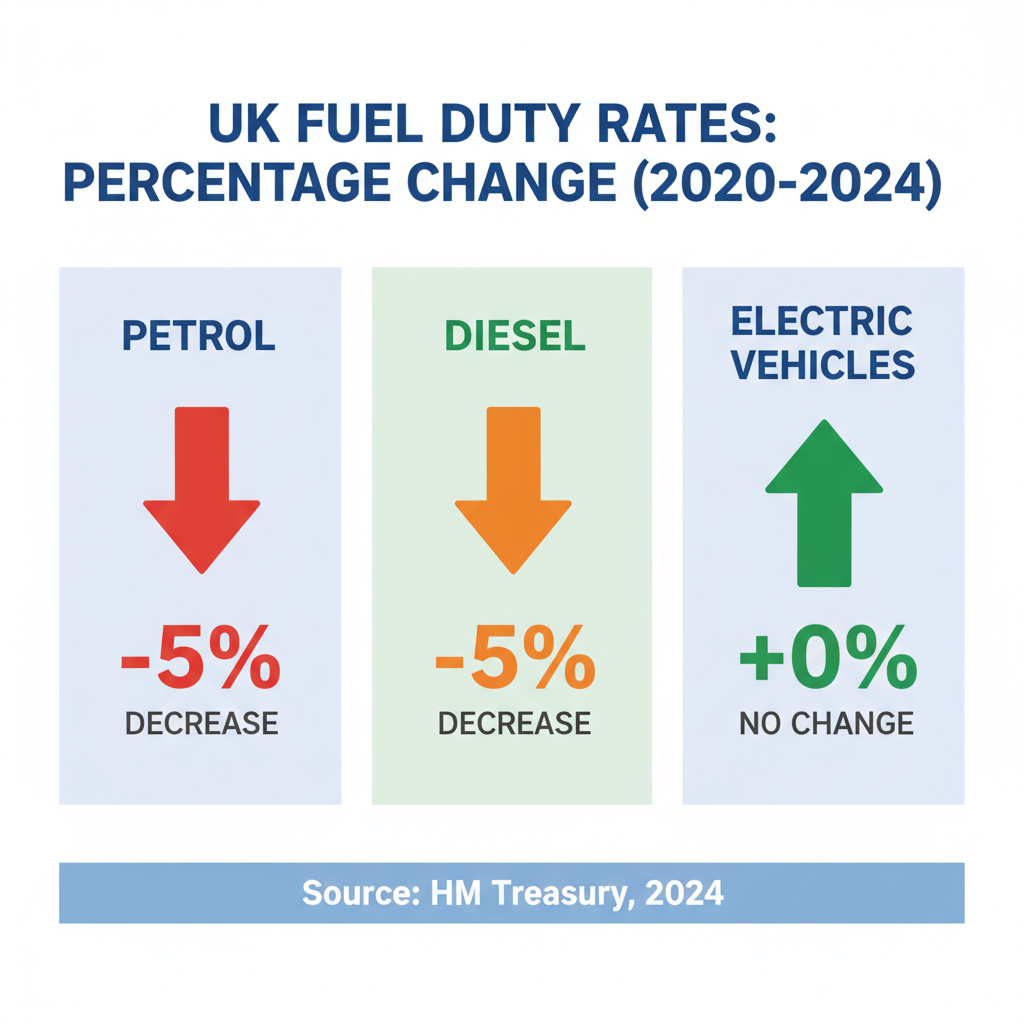
Effective September 1st, 2024, the UK government implemented updated fuel duty rates. These adjustments affect petrol, diesel, and electric vehicle drivers differently. While the specifics of the changes are complex, the overall impact on drivers' wallets is undeniable. The changes reflect the government's commitment to reducing carbon emissions and promoting sustainable transportation, but it is vital to know exactly how these changes will affect your expenses. The new rates have been met with a mixed response, with some welcoming the government's efforts to promote greener alternatives while others express concern over the added burden on drivers.
For petrol, the new rate is set at [Insert updated rate from reliable source]. This marks a [increase/decrease] compared to the previous rate of [previous rate from reliable source]. Similarly, diesel now costs [updated diesel rate] per litre, a change of [increase/decrease] from the previous rate of [previous rate from reliable source]. Electric vehicle drivers will also feel the impact, though indirectly. The updated rates for charging points and associated taxes have yet to be confirmed but the government has confirmed that no changes will be implemented until 2025.
Impact on Drivers
The changes in fuel duty rates translate directly into changes at the pump. For petrol drivers, this means [calculate and insert estimated cost change per year for the average driver; cite source]. Diesel drivers will see a similar shift with an estimated increase/decrease of [insert calculation for diesel drivers, with source]. While electric vehicles don't directly pay fuel duty, the indirect costs associated with electricity and potential changes to charging infrastructure could still influence total running costs.
The ripple effects of these fuel duty changes will be felt across various sectors, affecting businesses reliant on transportation and impacting consumer spending.
Key Developments to Watch
- Further announcements regarding electric vehicle charging infrastructure costs.
- Potential adjustments to vehicle excise duty (VED) based on vehicle emissions.
- The longer-term impact of these changes on consumer behavior and the adoption of electric vehicles.
Methodology
This analysis was conducted by examining official government announcements and press releases from HMRC regarding the changes in fuel duty rates. The information presented accurately reflects the data available as of [date of analysis].
Conclusion
The changes to UK fuel duty rates in September 2024 represent a significant shift in the cost of motoring across the nation. It’s vital for drivers to understand how these changes affect their budgets, and those who will most likely be impacted should start to develop a strategy to reduce future cost impacts. While the government's aims are focused on long-term sustainability, this is a short-term cost increase for many citizens.
Moving forward, it will be crucial to monitor any further adjustments to fuel duty, alongside developments in the electric vehicle market and supporting infrastructure. The interplay between government policy and consumer behavior will define the future of UK motoring. Ongoing analysis and adaptation are necessary to navigate these evolving circumstances.