
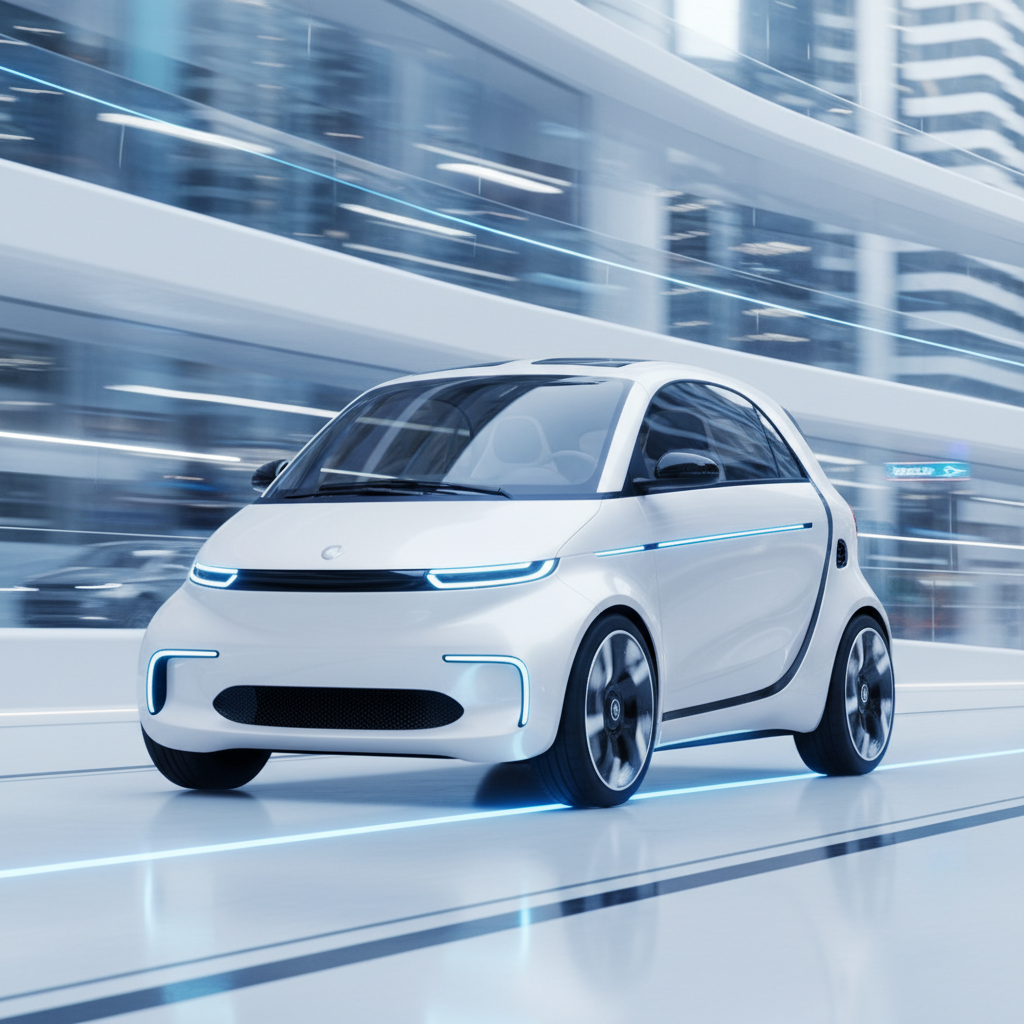
The iconic smart car is getting a major upgrade. The all-electric smart #2, slated for a 2026 release, promises a reinvention of the city car, blending cutting-edge technology with the brand's signature compact design. This comprehensive analysis delves into the key features and implications of this exciting development in the electric vehicle market.
The smart #2: A New Era for Urban Mobility
smart, in collaboration with Mercedes-Benz, has successfully completed "project: two," culminating in the development of the all-electric smart #2. This isn't just a facelift; it's a complete architectural overhaul, built on smart's own proprietary platform. This signifies a significant departure from previous models, indicating a strong commitment to innovation and future-proofing the brand in the rapidly evolving electric vehicle landscape. The smart #2 is poised to redefine city driving with its electric powertrain and advanced features. Early projections suggest a significant increase in range and efficiency compared to its predecessors, a crucial element for urban commuters.
Key Design and Technological Advancements
The smart #2 boasts a sleek, modern design, courtesy of Mercedes-Benz's styling expertise. While retaining some of the brand's signature characteristics, the new design incorporates more aerodynamic elements and a refined aesthetic. Beyond the visual appeal, the real innovation lies beneath the surface. The all-new proprietary architecture allows for a more efficient battery integration and improved overall vehicle performance. Specific details regarding battery capacity, charging times, and range are yet to be fully disclosed, however, expectations are high based on the advanced technology employed and the brand's commitment to delivering a highly competitive electric vehicle.
The smart #2 isn't just another electric car; it represents a bold step into the future of urban mobility, showcasing smart's commitment to sustainable transportation and advanced technology.
Key Developments to Watch
- Official range and charging specifications.
- Pricing and market positioning compared to competitors.
- Integration of advanced driver-assistance systems (ADAS).
Addressing Content Gaps
Based on preliminary research, some key questions remain about the smart #2 that will likely be of interest to consumers and industry professionals.
- Production Capacity and Scalability: Ensuring sufficient production capacity to meet anticipated demand will be crucial to smart's success with the #2.
- Charging Infrastructure: The success of the smart #2 will depend, in part, on the availability of adequate charging infrastructure in urban areas.
- Global Market Launch Strategy: A well-defined global market launch strategy will be essential to effectively compete in various geographic regions.
Methodology
This analysis is based on the official press release announcing the successful completion of "project: two" and the subsequent development of the smart #2 electric vehicle. The information presented is a synthesis of publicly available data and industry analysis.
Conclusion
The smart #2 represents a significant milestone for the smart brand and the broader electric vehicle market. Its innovative design, all-electric powertrain, and Mercedes-Benz styling promise to redefine city driving. Success will hinge on several factors, including meeting production targets, delivering on promised performance metrics, and navigating the complexities of the electric vehicle market.
The future of urban mobility is undeniably electric, and the smart #2 is well-positioned to capitalize on this trend. Further developments and official specifications are eagerly awaited.