
The modern search for connection often feels like navigating a digital desert – endless swiping, superficial profiles, and a gnawing sense of 'app fatigue.' It's no wonder that a staggering report claims loneliness can be as damaging as smoking cigarettes daily. But what if the solution to this profound human dilemma isn't more human interaction, but more artificial intelligence? The future of romance isn't just arriving; it's already here, powered by algorithms designed to know us better than we know ourselves. But the critical question remains: are AI dating apps the saviors of our love lives, or are we simply trading one set of frustrations for an entirely new, algorithm-driven heartbreak?
A staggering report claims loneliness can be as damaging as smoking cigarettes daily.
This isn't just about matching preferences anymore. We're on the cusp of a profound shift where AI promises to revolutionize not only how we find romantic partners but also how we build social connections in an increasingly isolated world. Yet, as with all powerful technology, the promise comes with a potent dose of peril. Will AI lead us to deeper, more meaningful bonds, or will it create an echo chamber of algorithmic compatibility, stripping away the serendipity and genuine human messiness that often forge the strongest connections?
The AI Promise: Ending the Endless Swipe?
For years, online dating has been synonymous with the dreaded 'swipe culture.' A seemingly endless parade of faces, a superficial judgment based on a few photos and a witty (or not-so-witty) bio. It's a system that, while convenient, has left millions feeling exhausted and disillusioned. Enter AI, promising a paradigm shift.
Hinge CEO Justin McLeod confidently predicts that AI will soon "end the era of endless swiping," ushering in a new age of intelligent matching.
This isn't just Silicon Valley hype; users are actively seeking this change. A Match.com survey revealed that 44 percent of daters explicitly desire AI to filter matches for better compatibility, suggesting a deep-seated longing for more quality, less quantity.
Today's top-tier dating platforms are already integrating sophisticated AI features to move beyond the superficial. Hinge, for instance, boasts that 75 percent of Gen Z daters now check someone's 'Dating Intention' before deciding to like them – a clear signal that clarity and purpose are paramount. The app's 'Prompt Feedback,' an AI-powered feature, helps users refine their profiles and prompts based on what's actually attracting attention, turning profile creation into a data-driven optimization exercise. This isn't about simply showing you more people; it's about showing you the right people, based on an ever-learning algorithm that understands nuances traditional filters miss. The vision is clear: less digital noise, more genuine potential.
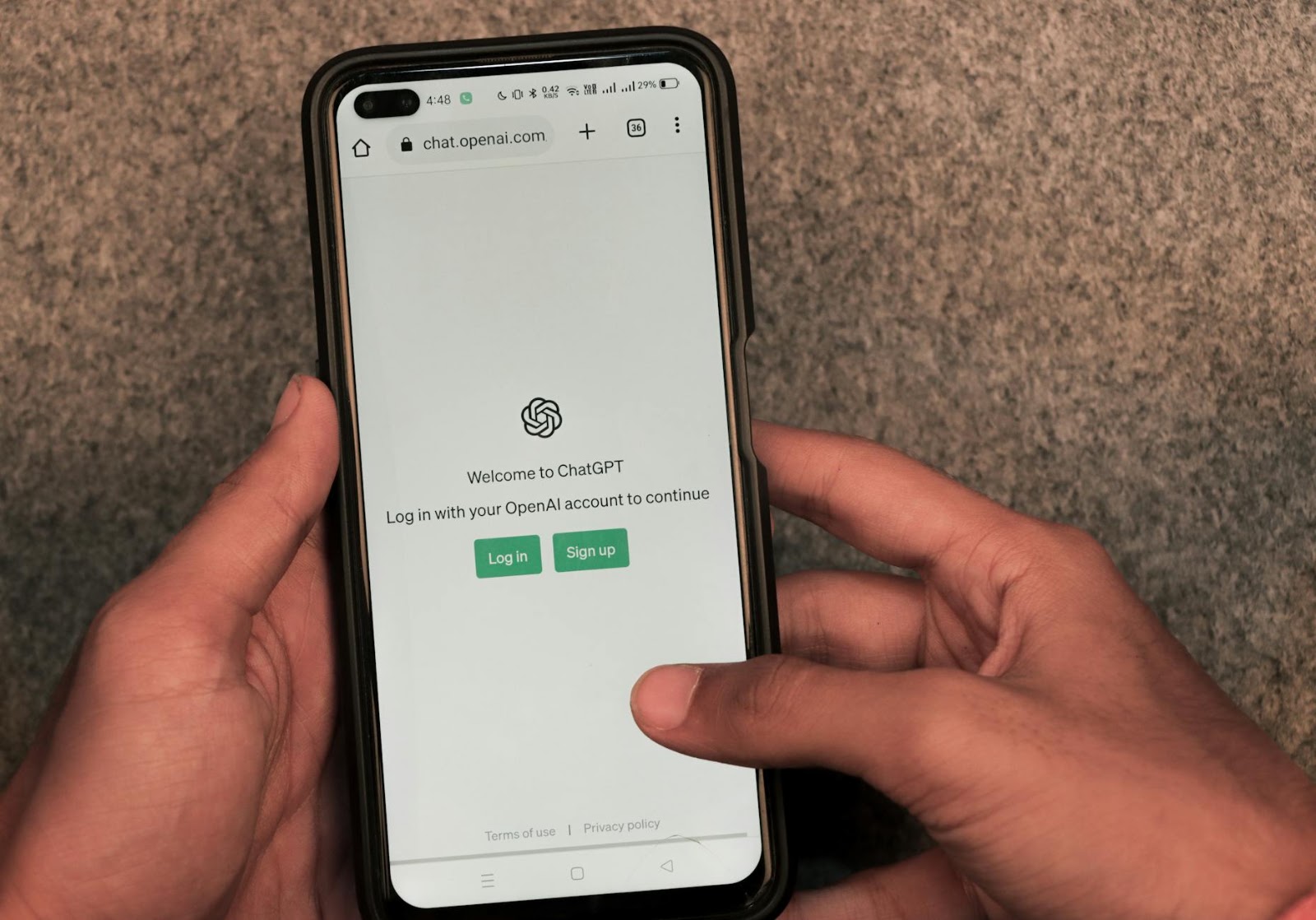 A person overwhelmed by data, symbolizing the complexities of AI dating apps
Beyond Romance: AI as a Social Connector
The AI revolution isn't confined to the realm of romance. In a world grappling with a severe loneliness epidemic, AI is stepping up to facilitate broader social connections, transforming the landscape of how we meet friends and build communities. New AI-powered meet-up apps like 222 and Kndrd are explicitly designed to tackle this crisis by facilitating real-life interactions. These platforms don't just match you based on shared interests; they use AI to understand activity preferences, schedules, and even personality types to suggest compatible groups for everything from hiking to book clubs. Imagine an intelligent assistant that not only knows you love jazz but also finds you three other jazz enthusiasts available for a concert next Tuesday.
It's about proactive, curated social engineering.
This is 'more than just swiping right' for friendship. It's about proactive, curated social engineering. The algorithms are learning what makes social groups click, moving beyond simple demographics to connect individuals based on deeper affinities. This approach promises to bridge the gap between our online lives and our desperate need for offline, tangible connection. By easing the friction of initiating social plans and guaranteeing a certain level of compatibility, these AI social apps offer a compelling antidote to the isolation many feel, creating opportunities for serendipitous encounters within thoughtfully constructed networks. The goal isn't just to alleviate loneliness; it's to enrich lives through genuine, algorithmically-enhanced community building.
The Dark Side: When Algorithms Get It Wrong
Yet, for every promise of enhanced connection, there's a whisper of unease. As one headline starkly puts it, 'AI Is Making Online Dating Even Worse.' The skepticism isn't unfounded. While AI excels at pattern recognition and optimization, can it truly understand the unpredictable, illogical, and often irrational whims of human attraction? The founder of Bumble, Whitney Wolfe Herd, is reportedly working on an AI-powered dating app that 'will get to know a user over a series of sessions, make a dating profile for them, find a match...' This degree of automation, while convenient, raises profound questions. Are we outsourcing our self-expression, our dating intentions, and even our very identities to an algorithm?
"AI Is Making Online Dating Even Worse."
Concerns loom large: filter bubbles could emerge, showing us only what the AI thinks we want, inadvertently narrowing our horizons and stifling the chance encounters that often lead to unexpected love. What about privacy? As AI delves deeper into our personalities and preferences, the amount of personal data collected becomes immense, raising red flags about how this sensitive information is used and protected. There’s also the risk of 'over-optimization,' where the pursuit of the 'perfect' match through algorithmic precision strips away the very human element of discovery and spontaneous chemistry. Can a machine truly quantify charisma or the spark of a shared glance? When AI tries to streamline the messy process of human connection, it risks removing the very elements that make it meaningful – the unexpected, the imperfect, and the uniquely human.
 A person overwhelmed by data, symbolizing the complexities of AI dating apps
The Rise of the AI Matchmaker: A Personal Assistant for Your Love Life
Beyond just filtering and connecting, a new wave of AI is emerging as a personal matchmaker – a digital confidante ready to guide you through the labyrinth of modern romance. Apps like Sitch are pioneering this approach, where you don't just swipe, you talk to an AI matchmaker. This AI answers your questions about potential dates, understands your evolving preferences, and then, crucially, sets you up on actual dates with strangers it deems highly compatible. It’s an intriguing blend of old-school matchmaking with cutting-edge technology.
Nandini Mullaji, Sitch's 30-year-old founder, launched her AI matchmaker after seeing a fundamental problem with existing dating apps: they weren't good ways to meet people. Her solution? To empower singles with an intelligent agent that streamlines the process, taking the guesswork and anxiety out of the initial stages. The appeal is clear:
Imagine having a tireless, unbiased, and hyper-observant dating coach at your fingertips, one that learns from every interaction and continually refines its understanding of your ideal partner.
This moves beyond profile optimization to active, personalized curation, offering a truly bespoke approach to finding love. It’s a compelling proposition for those weary of the status quo, offering a sophisticated concierge service for the heart that feels remarkably familiar, yet entirely futuristic.
Navigating the Algorithmic Heart: What's Next for Connection?
The landscape of human connection is undeniably shifting, and AI is no longer a peripheral player; it's central to its evolution. From ending swipe fatigue to combating the global loneliness epidemic, AI dating and social apps are disrupting traditional models and attracting millions in funding. We're seeing a bifurcation of experiences: those embracing AI's promise of efficiency and deeper compatibility, and those wary of its potential to diminish human agency and serendipity.
Ultimately, AI in dating and social networking isn't a magic bullet, nor is it an existential threat to romance. It's a powerful tool, a sophisticated amplifier of our intentions and preferences. The future will likely see a blend of algorithmic precision and human intuition, where AI refines our search, presents opportunities, and reduces friction, but the ultimate connection – the spark, the conversation, the shared humanity – still rests firmly in our hands. The question isn't whether AI will change how we connect, but how we will adapt to harness its power responsibly, ensuring that technology serves our deepest human needs, rather than supplanting them. It's an exciting, albeit complex, journey into the heart of our digital selves.
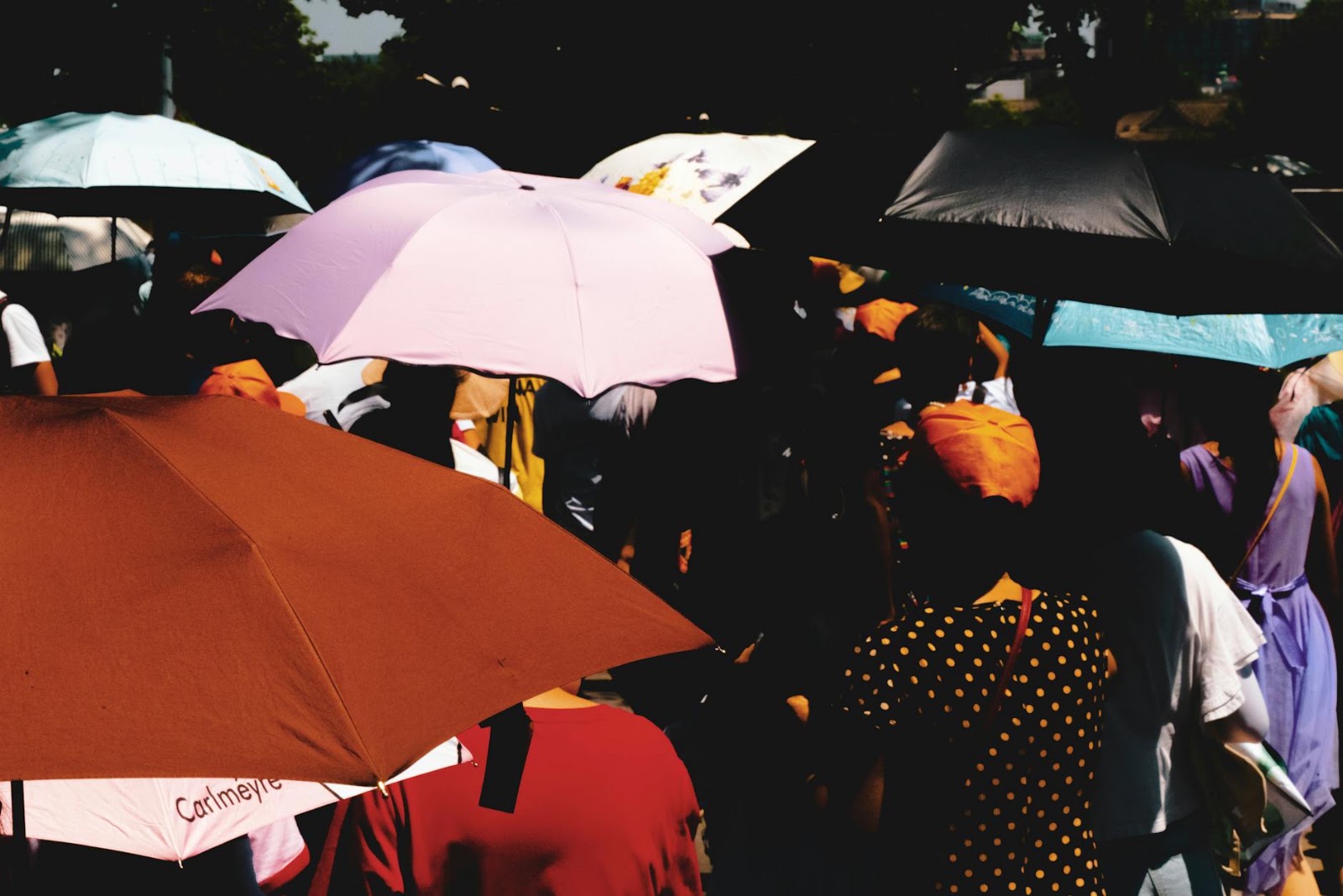 Diverse group of people connecting, enabled by AI social apps